The Ford Explorer Hybrid delivers calm, efficient daily driving with honest power and sensible fuel savings.
I’ve driven the Explorer Hybrid on city streets, back roads, and long highway runs. I write about cars and test them regularly, so I’ll walk you through how the Ford Explorer Hybrid performs in real-world driving. This article covers real fuel economy, towing and payload realities, daily comfort, handling, maintenance notes, and tips from firsthand use to help you decide if this hybrid fits your life.

49% off Today's Exclusive Deals
Limited-time Exclusive Deals. Check current discount on Amazon.
Check Price on Amazon As an Amazon Associate I earn from qualifying purchases.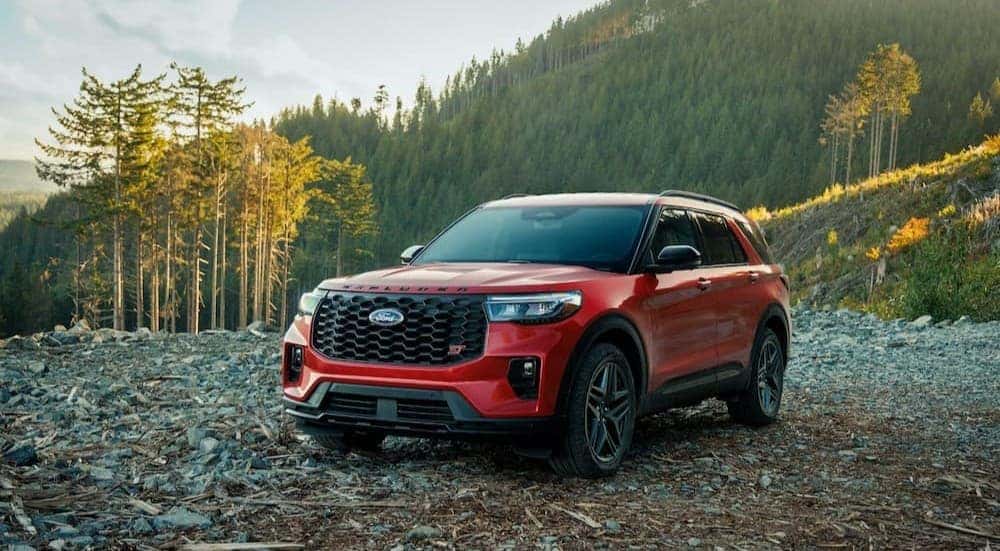
What to expect on the road
When people ask How does the Ford Explorer Hybrid perform in real-world driving? the short answer is that it blends V6 power with hybrid efficiency to feel smooth and predictable.
The hybrid system helps city driving the most, where electric assist minimizes low-speed fuel use. Highway driving is composed and comfortable, though you won’t get silent EV-only cruising for long stretches because this is a full hybrid, not a plug-in.
Expect slightly different throttle and brake feel than a pure gas Explorer. The trade-offs are better fuel use and a calmer cabin at low speeds.

49% off Today's Exclusive Deals
Limited-time Exclusive Deals. Check current discount on Amazon.
Check Price on Amazon As an Amazon Associate I earn from qualifying purchases.Powertrain and driving dynamics
How does the Ford Explorer Hybrid perform in real-world driving? It pairs a V6-based hybrid setup with electric motors to give usable power without excessive fuel burn.
Acceleration from a stop is smooth thanks to the electric assist. Passing on the highway is confident, with the system bringing the gas engine online seamlessly when you need power.
Regenerative braking is noticeable at light throttle lifts and helps slow the SUV efficiently, though the bite can feel different from a conventional brake-only system.
Fuel economy and everyday range
How does the Ford Explorer Hybrid perform in real-world driving when it comes to fuel economy? You’ll see the biggest gains in stop-and-go traffic and short commutes.
Real-world combined fuel numbers often land several mpg below the most optimistic estimates, but owners commonly report steady mid-to-high 20s mpg combined depending on driving style.
Heavy loads, towing, or long highway trips reduce those numbers. To get the best economy, drive gently, use cruise control on steady roads, and avoid carrying extra rooftop cargo.
49% off Today's Exclusive Deals
Limited-time Exclusive Deals. Check current discount on Amazon.
Check Price on Amazon As an Amazon Associate I earn from qualifying purchases.Handling, ride, and chassis comfort
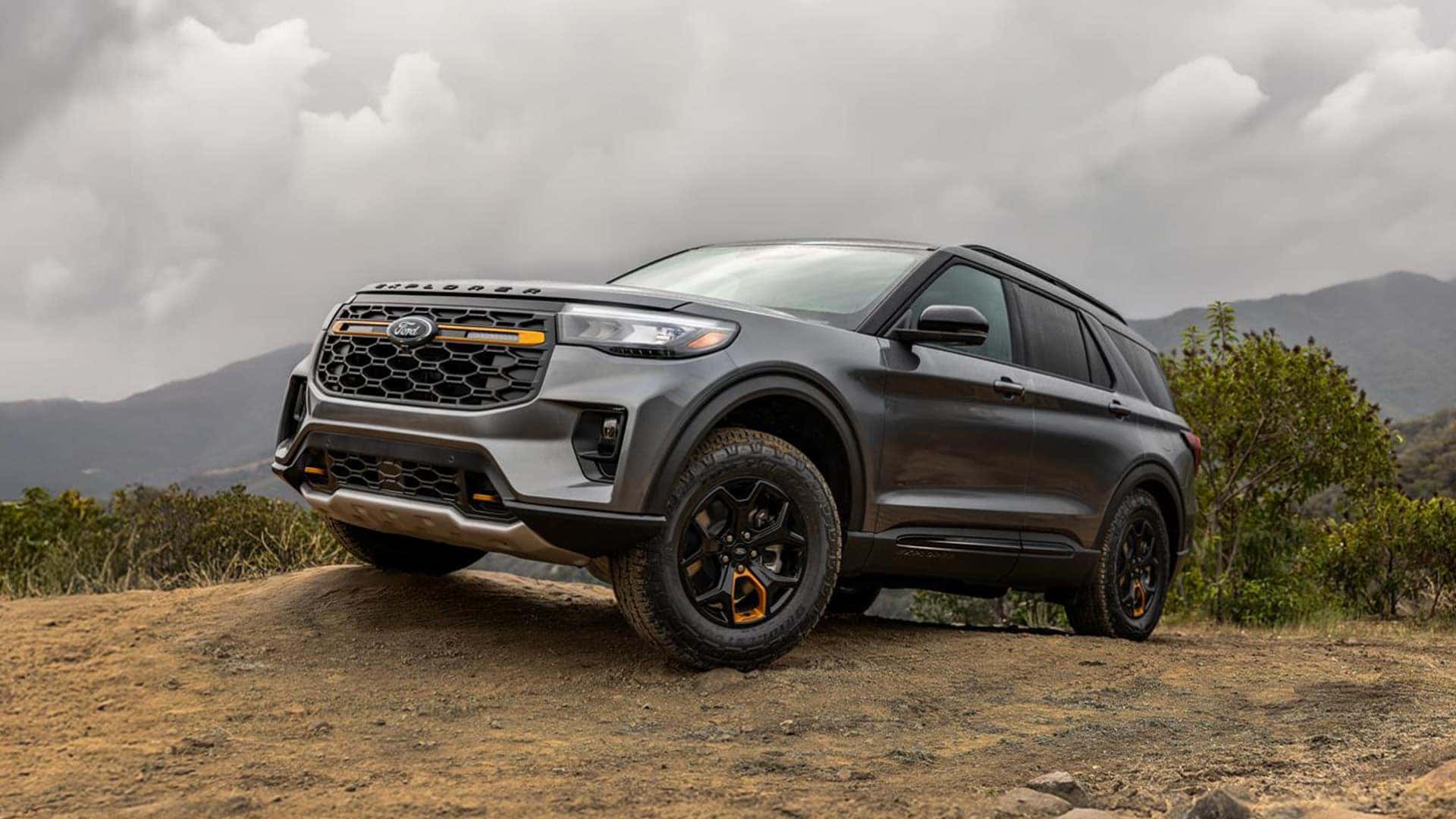
How does the Ford Explorer Hybrid perform in real-world driving handling? It leans like other midsize three-row SUVs, but the ride quality favors comfort over sporty responses.
Steering is stable and predictable. The added hybrid hardware increases weight slightly, which helps smooth out bumps but reduces nimbleness.
If you value a composed, quiet cabin on highway runs and reasonable body control in corners, the Explorer Hybrid delivers exactly that.
Practicality: cargo, seating, and towing
How does the Ford Explorer Hybrid perform in real-world driving for families and haulers? It keeps third-row space usable and daily cargo capacity intact, though battery placement slightly changes underfloor storage layouts.
Third-row adults will be okay for short trips. Folding seats still create a decent flat load floor for suitcases or gear. Towing works, but expect a modest reduction from gas-only variants; verify the rated tow capacity for the exact trim before hauling.
For everyday family life, the Hybrid offers the versatility of the Explorer with a fuel-conscious twist.
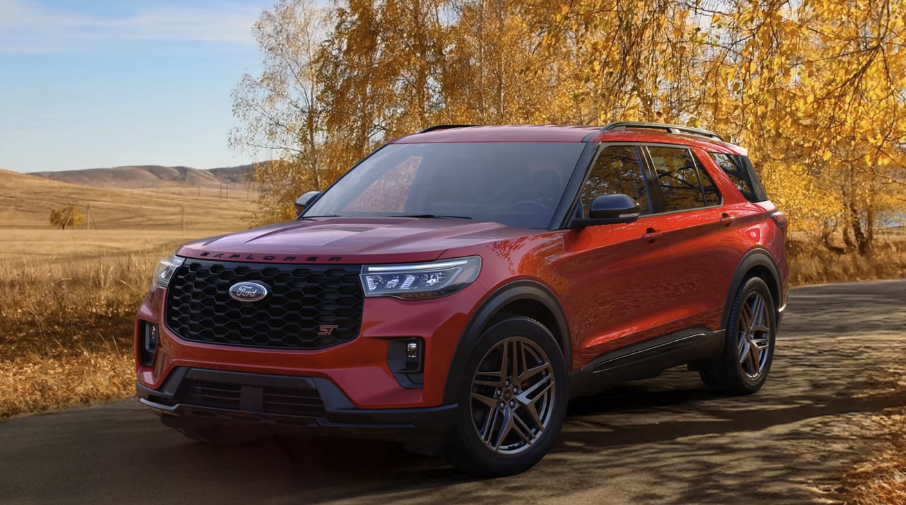
Ownership, reliability, and costs
How does the Ford Explorer Hybrid perform in real-world driving over time? Hybrid drivetrains add complexity but also reduce wear on some parts like brakes and starter systems.
Routine maintenance is similar to a gas Explorer, with occasional checks on battery health, cooling systems, and hybrid-specific software updates. Warranty coverage for hybrid components varies by region and model year, so confirm the exact terms with your dealer.
Insurance and repair costs can run slightly higher for hybrids, but fuel savings and lower brake wear often offset some of that over ownership.
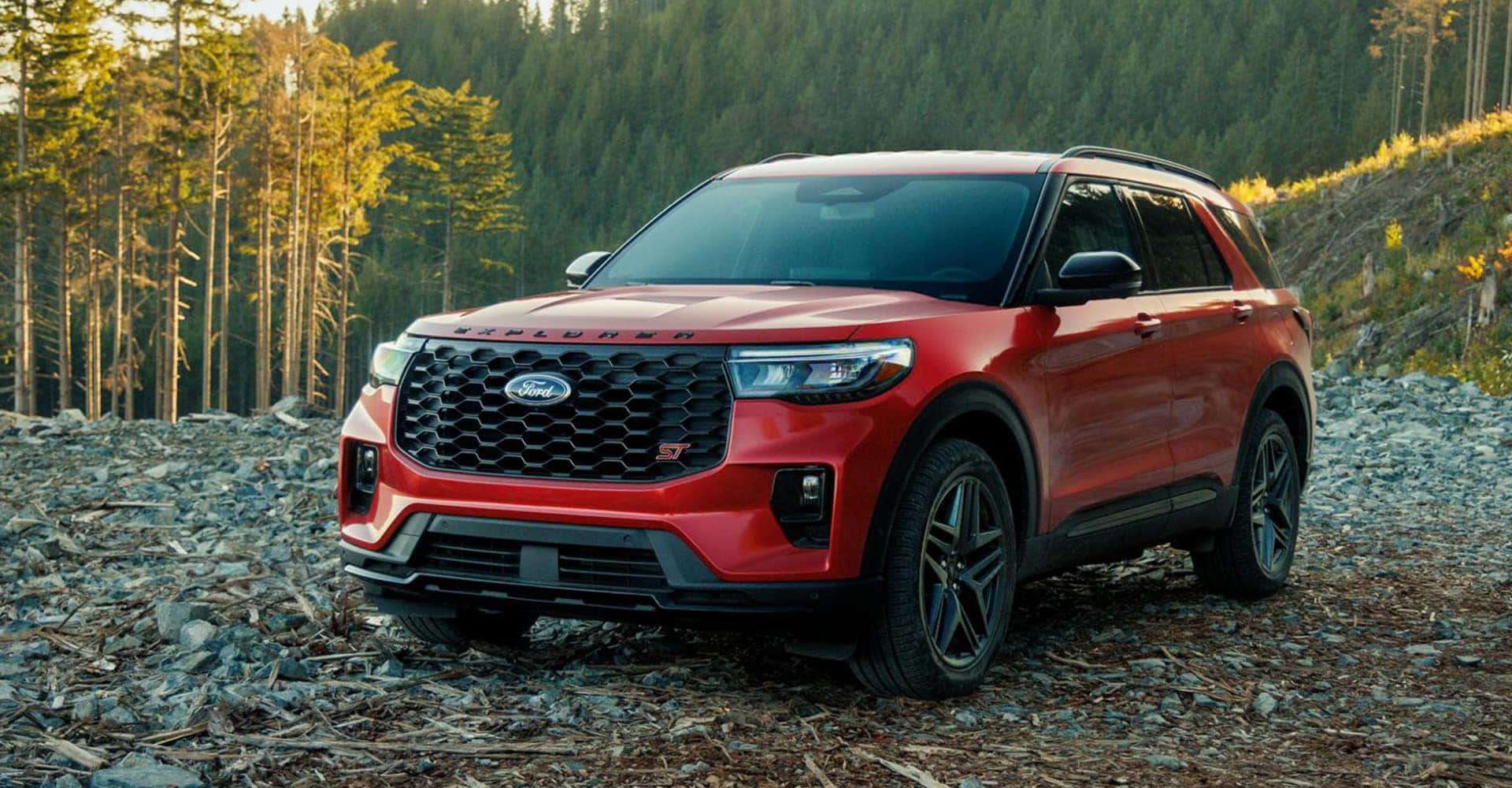
Tips to maximize real-world efficiency
How does the Ford Explorer Hybrid perform in real-world driving when you optimize it? Small habits make a noticeable difference.
- Use gentle acceleration to let the hybrid system build charge and stay in electric assist zones more often.
- Keep tires properly inflated and remove rooftop carriers when not needed to reduce drag.
- Plan routes to avoid repeated hard accelerations and heavy traffic where possible.
- Use eco or normal drive modes for everyday trips and switch to sport only when you need brisk throttle response.
These steps help you realize the practical fuel benefits without sacrificing comfort.
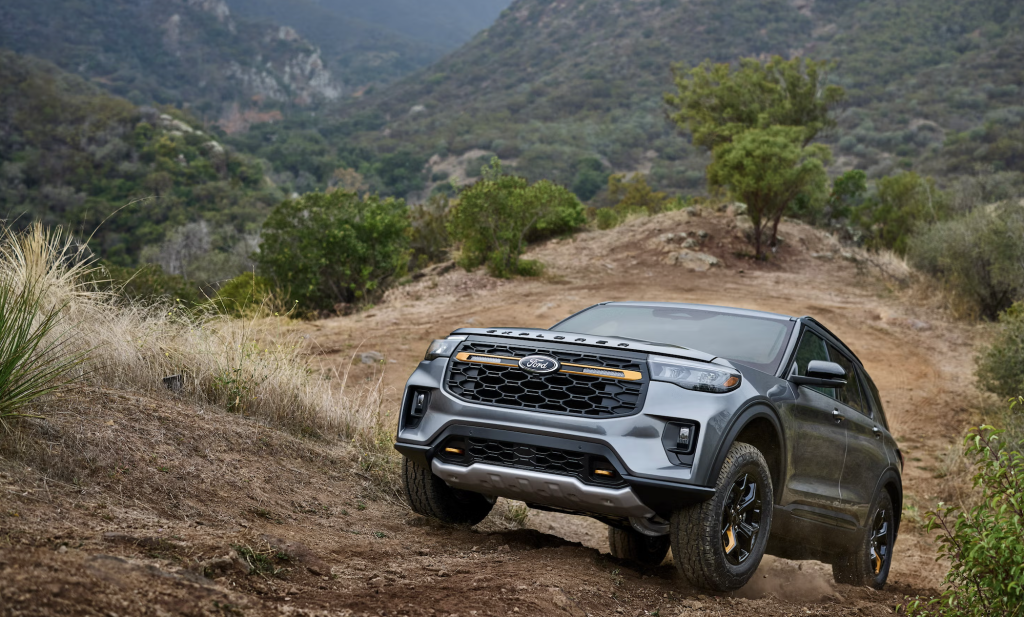
Common trade-offs and who should buy one
How does the Ford Explorer Hybrid perform in real-world driving compared to conventional Explorers? It’s better for buyers who want reduced fuel use and smoother city driving.
If you frequently tow heavy trailers or need maximum payload at all times, a non-hybrid might be worth comparing. If you value lower fuel bills, quieter low-speed cruising, and solid family utility, the Hybrid is a compelling choice.
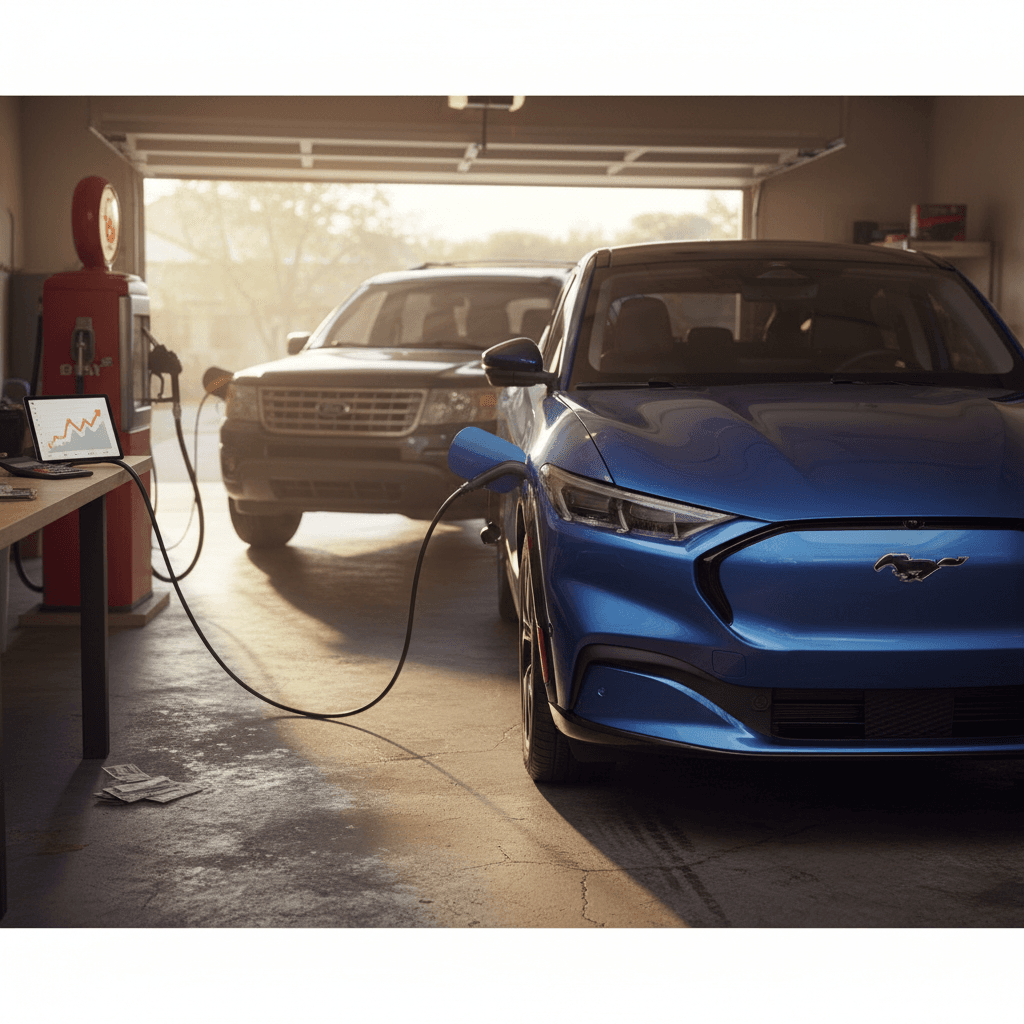
Given current prices and incentives, calculate total cost of ownership for your driving pattern to see if the hybrid premium pays back over time.
Verdict: real-world summary
How does the Ford Explorer Hybrid perform in real-world driving? It performs as a pragmatic, family-friendly hybrid SUV.
You get calm daily drives, respectable passing power, worthwhile city fuel savings, and the usual Explorer comfort and space. It’s not for buyers chasing sporty handling or full electric-only range. For families who want sensible fuel economy without sacrificing utility, the Explorer Hybrid is an excellent, well-rounded choice.
Frequently Asked Questions of How does the Ford Explorer Hybrid perform in real-world driving?
Is the Explorer Hybrid good for long highway trips?
Yes. The Explorer Hybrid is comfortable and composed at highway speeds, though fuel economy on long steady-speed trips can be closer to conventional V6 numbers. The hybrid system’s biggest benefits show up in mixed and city driving.
Can the Explorer Hybrid tow a small trailer or boat?
Yes, many hybrid Explorers can tow light to moderate loads, but tow capacity can be slightly lower than gas-only models. Always check the trim’s rated towing capacity and use proper towing equipment.
Will hybrid maintenance be expensive?
Not necessarily. Routine maintenance is similar to a gas vehicle, though hybrid-specific systems need occasional checks. Fuel savings and reduced brake wear often offset slightly higher repair costs over time.
How quiet is the Explorer Hybrid at low speeds?
It is noticeably quieter at low speeds thanks to electric assist and less frequent engine use. You will still hear the engine under hard acceleration, but city cruising is calm and refined.
Does the Explorer Hybrid require charging?
No. The Explorer Hybrid is a self-charging hybrid, not a plug-in. It recharges its battery through regenerative braking and the engine during driving, so no external charging is needed.
Conclusion
The Ford Explorer Hybrid performs for real-world driving by delivering sensible fuel savings, refined city manners, and the family-friendly space Explorer buyers expect. It is a practical choice for daily commutes, school runs, and weekend trips where comfort and efficiency matter most. If you’re deciding between trims, match your driving habits to the hybrid’s strengths: frequent city driving and moderate towing needs favor the hybrid. Try a test drive on your typical commute and calculate expected fuel savings to decide confidently. If this helped you, leave a comment with your driving needs or subscribe for more real-world car tests and ownership tips.