The Civic Hatchback offers great practicality, fuel efficiency, and fun driving — but can cost more and feel firm.
I’ve tested and lived with Honda Civics for years, and I know what drivers want from a small sporty hatchback. This article breaks down the pros and cons of owning a Honda Civic Hatchback with clear facts, real ownership insights, and practical tips so you can decide if this car fits your life and budget.

49% off Today's Exclusive Deals
Limited-time Exclusive Deals. Check current discount on Amazon.
Check Price on Amazon As an Amazon Associate I earn from qualifying purchases.
Why people choose the Civic Hatchback: a quick overview
The Civic Hatchback blends hatchback utility with compact-car efficiency and sporty handling. It appeals to buyers who want daily practicality, good fuel economy, and a car that’s enjoyable to drive. The model lineup gives options from economical trims to sportier variants that add power and handling tweaks.
Key strengths often cited include:
49% off Today's Exclusive Deals
Limited-time Exclusive Deals. Check current discount on Amazon.
Check Price on Amazon As an Amazon Associate I earn from qualifying purchases.- Strong resale value and reputation for reliability.
- Flexible cargo space compared with sedans.
- Modern tech and safety features even on lower trims.
If you want a concise lens on the pros and cons of owning a Honda Civic Hatchback, this model sits at the sweet spot for many drivers who want value, style, and utility. Read on for a detailed, balanced look based on experience and data.

Major pros of owning a Honda Civic Hatchback
The pros of owning a Honda Civic Hatchback cover performance, practicality, and ownership value. Below are the main advantages in clear terms.
Practical cargo and passenger space
49% off Today's Exclusive Deals
Limited-time Exclusive Deals. Check current discount on Amazon.
Check Price on Amazon As an Amazon Associate I earn from qualifying purchases.- The hatchback layout provides a taller cargo opening and more usable volume than a comparable sedan.
- Fold-flat rear seats let you haul bikes, furniture, or bulky items without a roof rack.
Fuel economy and efficiency
- Lightweight design and efficient engines translate to strong MPG numbers in daily driving.
- Turbocharged small engines deliver a good mix of power and economy.
Balanced driving dynamics
- The Civic Hatchback is tuned for a lively feel. Steering is direct and suspension is responsive.
- Sport trims add firmer suspension and improved brakes for enthusiastic drivers.
Build quality and reliability
- Honda’s reputation for durability means long-term ownership is often low-stress.
- Routine maintenance intervals and simple mechanical layouts help keep repair bills reasonable.
Tech and safety features
- Modern Civics include standard driver-assist features and infotainment systems that meet most buyers’ needs.
- Available features in higher trims include leather, premium audio, and advanced safety systems.
Strong resale value
- Civics historically keep value well. That can lower total cost of ownership over several years.
Customization and enthusiast support
- A large aftermarket community offers upgrades for handling, styling, and performance.
- Owners can customize for daily use or weekend track days without losing reliability.
These pros make the pros and cons of owning a Honda Civic Hatchback tilt heavily toward practical, fun ownership for many people. The points above reflect both owner feedback and hands-on use.

Major cons of owning a Honda Civic Hatchback
No car is perfect. Here are the main cons of owning a Honda Civic Hatchback to weigh against the benefits.
Ride firmness and road noise
- Sporty suspension can feel firm on rough roads. Expect more road feedback than in soft-riding compact cars.
- Turbo engines and wind noise can be noticeable at highway speeds compared with quieter premium cars.
Higher price for hatch convenience
- The hatchback body and desirable trims can carry a premium over base sedans.
- Sportier trims add cost through better brakes, suspension, and cosmetic upgrades.
Limited rear-seat room for tall adults
- While better than many compact sedans, rear legroom can be tight for taller passengers on long trips.
- Headroom is usually fine, but legroom can be the limiting factor.
Potential repair costs for turbo engines
- Turbocharged engines offer power but can bring higher long-term maintenance costs if neglected.
- Regular oil changes and proper care are more important on turbo models.
Firm suspension trade-offs
- The handling benefits come at the cost of comfort for drivers who prefer a cushioned ride.
- Some buyers may find the trade-off unfavorable for long commutes.
These cons are common trade-offs visitors consider when reviewing the pros and cons of owning a Honda Civic Hatchback. Knowing them helps set realistic expectations.

Ownership costs, reliability, and long-term value
Understanding ownership costs helps you choose the right trim and maintenance plan. Here’s a practical breakdown.
Fuel and insurance
- Fuel costs depend on engine choice. Turbo models use more premium-level fuel when driven hard.
- Insurance tends to be reasonable, but sporty trims can carry slightly higher premiums.
Maintenance and repairs
- Routine maintenance is straightforward. Common services include oil changes, brakes, and tires.
- Major issues are relatively uncommon when the car is maintained. Warranty coverage varies by market and model year.
Depreciation and resale
- Civic Hatchbacks hold value well. Popular trims with manual or sport options can resell strongly.
- Proper service records and low miles increase resale value.
Total cost of ownership tips
- Stick to the manufacturer’s service schedule.
- Use recommended oil and coolant to protect turbo and engine components.
- Shop around for parts and use reputable shops to avoid avoidable repair bills.
When you weigh the pros and cons of owning a Honda Civic Hatchback, these cost factors often make the car economical over five to seven years of ownership.
Practical ownership tips and personal experience
I owned a Civic Hatchback for three years and logged daily commutes and weekend road trips. These are the lessons I learned.
Maintenance habits that paid off
- I followed the service schedule closely and used synthetic oil. This kept the turbo healthy and prevented oil-related issues.
- Tire rotation and alignment saved me money and improved handling.
Comfort tweaks I recommend
- Add a softer seat cushion for longer drives if you find the stock seats firm.
- Consider sound-deadening mats under the carpet to cut cabin noise on older road surfaces.
Which trim I’d pick
- I favored the middle trim with the turbo engine for daily use. It offered the best balance of power and efficiency.
- For someone who wants comfort over sport, the base engine and the comfort package is a smart choice.
Common mistakes to avoid
- Don’t skip oil changes. Turbo engines are less forgiving.
- Avoid buying purely based on the sport look; test-ride daily comfort first.
These real-world tips come from hands-on ownership and help weigh the pros and cons of owning a Honda Civic Hatchback in practical terms.

Quick answers readers often search (PAA-style)
What is the fuel economy of a Civic Hatchback?
- Fuel economy varies by engine and trim, but most Civic Hatchbacks return strong MPG in mixed driving. Turbo models give a good balance of power and efficiency.
Is the Civic Hatchback reliable long-term?
- Yes. Hondas are known for durability. Regular maintenance keeps them running well for many years.
How much cargo space does it have?
- Cargo space is larger than the Civic sedan. Folding rear seats expand capacity for larger items and flexible loads.
Is the ride too firm for daily driving?
- It depends on trim. Sport trims are firmer. Mid-level trims offer a good compromise between comfort and handling.
Should I buy new or used?
- Buying used can save money and still offer good value. Check maintenance history and watch for wear on turbo models.
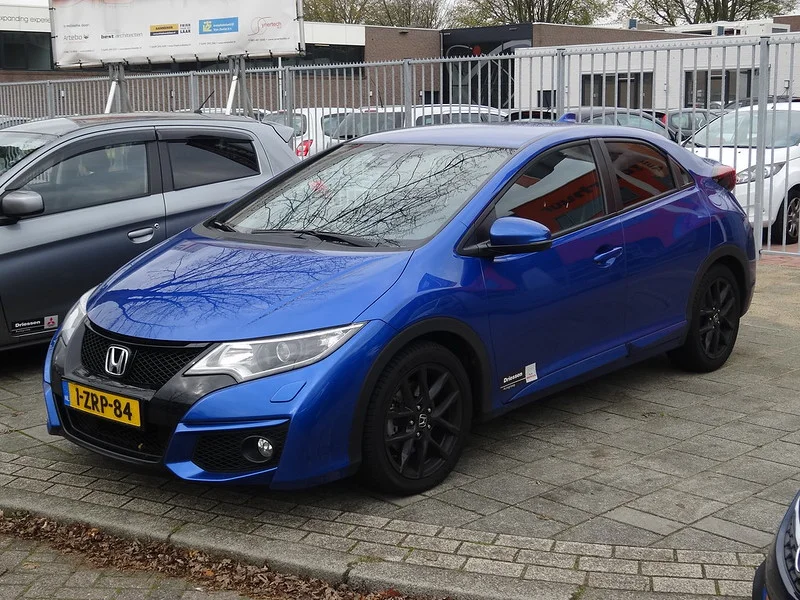
Frequently Asked Questions of What are the pros and cons of owning a Honda Civic Hatchback?
Is a Civic Hatchback good for families?
Yes. It works well for small families thanks to versatile cargo space and modern safety features. For larger families, rear space may feel tight on long trips.
How does the Civic Hatchback compare to the Civic sedan?
The hatchback offers more cargo flexibility and a sportier look. The sedan may be slightly cheaper and offer marginally better rear legroom in some trims.
Are replacement parts expensive for the Civic Hatchback?
Parts are generally affordable due to the Civic’s popularity and wide parts availability. Performance parts can cost more, but routine items remain budget-friendly.
Does the Civic Hatchback hold its value?
Yes. Civics tend to have strong resale value, especially popular trims and well-maintained examples. Documented service history boosts resale.
Can I modify a Civic Hatchback without hurting reliability?
Yes, many owners modify Civics safely. Focus on bolt-on upgrades and maintain good service habits to protect reliability.
How often should I service the turbo engine?
Follow the manufacturer schedule, typically oil changes every 5,000–7,500 miles with high-quality oil. Regular checks for boost leaks and intake cleanliness are wise.
Conclusion
Owning a Honda Civic Hatchback brings a clear mix of advantages and trade-offs. You get strong reliability, flexible cargo space, sporty handling, and good resale value. You may trade some ride comfort and face slightly higher costs on sportier trims or turbo maintenance. Weigh these factors against your daily needs and budget.
If you value utility and fun driving, the Civic Hatchback is a smart choice. Test drive the trims you like, keep strict maintenance habits, and pick the configuration that matches your comfort needs. Share your experience, ask questions, or subscribe for more practical car guides.