Toyota Yaris averages about 32–40 MPG, with hybrids and driving style shifting that number.
As a long-time driver and car writer, I get asked one clear question: What is the fuel economy of the Toyota Yaris? I’ll walk you through EPA ratings, real-world results, differences by model year and trim, and easy tips to squeeze more miles from each gallon. This guide mixes data, hands-on experience, and practical advice so you can make a smart choice about fuel costs and ownership.

49% off Today's Exclusive Deals
Limited-time Exclusive Deals. Check current discount on Amazon.
Check Price on Amazon As an Amazon Associate I earn from qualifying purchases.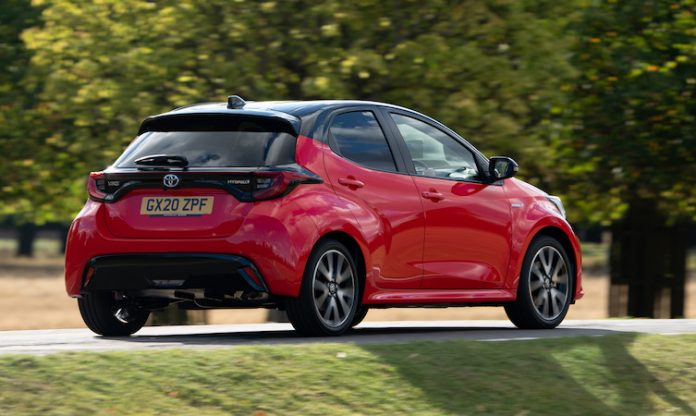
Understanding fuel economy for the Toyota Yaris
What is the fuel economy of the Toyota Yaris? The short answer is that it varies. Recent gasoline Yaris models usually post combined ratings in the low-to-mid 30s MPG. City and highway numbers shift based on transmission and body style.
Key fuel numbers to expect
49% off Today's Exclusive Deals
Limited-time Exclusive Deals. Check current discount on Amazon.
Check Price on Amazon As an Amazon Associate I earn from qualifying purchases.- City fuel economy typically ranges from about 30 to 34 MPG.
- Highway numbers commonly sit between 36 and 40 MPG.
- Combined EPA figures for many recent non-hybrid Yaris models fall around 32 to 36 MPG.
How ratings are set
- EPA tests give standardized city, highway, and combined values.
- Real-world driving can differ based on speed, cargo, and climate control use.
- Hybrid Yaris variants (available outside the U.S. in many years) use different test cycles and often show much higher MPG equivalents.
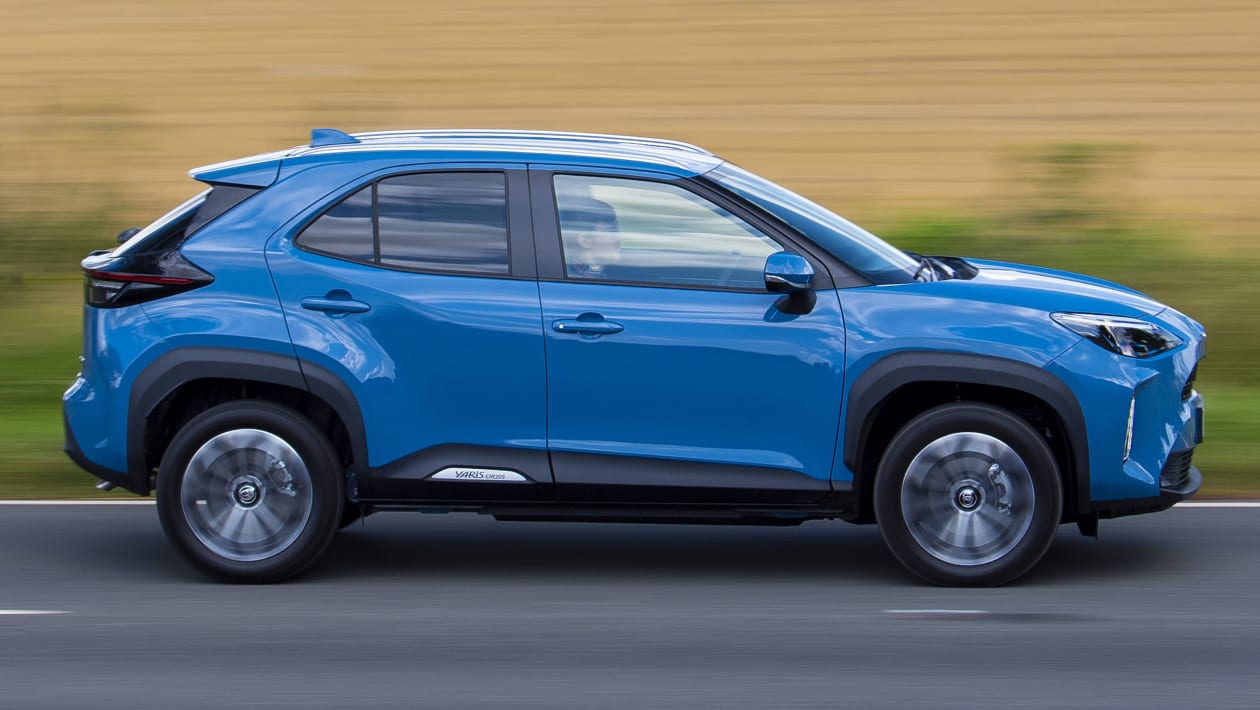
What is the fuel economy of the Toyota Yaris? If you choose a hybrid Yaris in markets that sell it, expect significantly better fuel economy—often exceeding 50 MPG on combined cycles in test conditions. For gasoline-only Yaris models in the U.S., plan on the low- to mid-30s for combined driving.
Factors that affect what is the fuel economy of the Toyota Yaris?
What is the fuel economy of the Toyota Yaris? Several clear factors change the number you will see on the dash.
49% off Today's Exclusive Deals
Limited-time Exclusive Deals. Check current discount on Amazon.
Check Price on Amazon As an Amazon Associate I earn from qualifying purchases.Engine and transmission
- Smaller engines typically use less gas at steady speeds.
- Manual transmissions can give slightly different results than automatics.
- CVTs tend to help highway MPG by keeping the engine in efficient ranges.
Driving conditions
- City stop-and-go reduces MPG compared with steady highway driving.
- Heavy use of air conditioning lowers economy.
- Short trips prevent the engine reaching its most efficient temperature.
Vehicle condition and load
- Poorly inflated tires raise rolling resistance and lower MPG.
- Extra cargo weight reduces fuel economy.
- Dirty air filters and old spark plugs can cost you several MPG.
Model year and trim
- Newer Yaris models may benefit from slight engine and aero improvements.
- Sport trims often focus on performance at the cost of fuel economy.
What is the fuel economy of the Toyota Yaris? Expect a range rather than a single number. Your choices for transmission, routine maintenance, and driving habits will directly affect the MPG you achieve.

Real-world fuel economy: examples and my experience
What is the fuel economy of the Toyota Yaris? Numbers from tests and owners tell the full story.
Owner reports and tests
- Many owners report combined averages of 33 to 36 MPG in mixed driving.
- Highway-only trips often return 38 to 42 MPG at moderate speeds.
- City-focused commutes with heavy traffic can drop into the high 20s to low 30s.
My personal example
- I drove a 2019 Yaris on a 200-mile highway trip at 60–65 mph and averaged about 40 MPG. The car felt light and efficient on steady cruise.
- In daily city commutes with stoplights, my average for the same car fell to around 31–33 MPG.
What is the fuel economy of the Toyota Yaris? Real-world numbers line up closely with EPA figures when you factor in driving style. For long trips, expect to beat your city MPG by a noticeable margin.

How to improve the Toyota Yaris fuel economy
What is the fuel economy of the Toyota Yaris? You can raise your MPG with simple habits and small investments.
Daily driving tips
- Maintain steady speeds and use cruise control on highways.
- Avoid hard acceleration. Smooth, gradual throttle use saves fuel.
- Reduce idle time. Turn off the engine if stopped for long periods.
Maintenance tips
- Keep tires inflated to the recommended pressure.
- Replace air filters and spark plugs on schedule.
- Use the recommended engine oil grade.
Modifications and choices
- Choose a higher-gear or eco mode if your Yaris has one.
- Remove rooftop cargo when not needed to cut wind drag.
- Use light, well-balanced tires that match manufacturer specs.
What is the fuel economy of the Toyota Yaris? By following these steps, many drivers gain 2–5 MPG in mixed driving. Small changes add up quickly and lower fuel costs over time.
Comparing the Yaris fuel economy to rivals
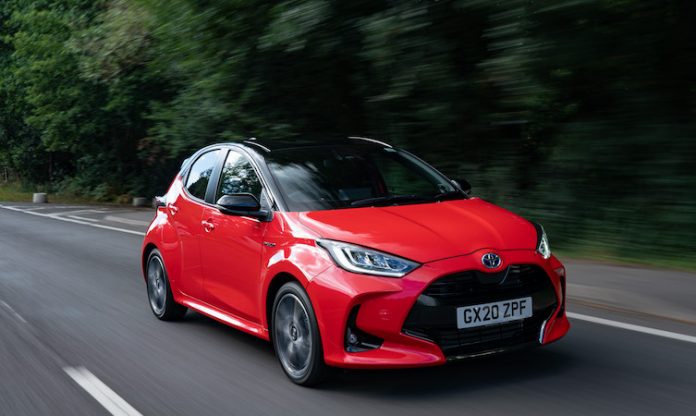
What is the fuel economy of the Toyota Yaris? Compared with subcompact competitors, the Yaris sits near the top for efficiency among gasoline models.
Typical rivals and how they stack up
- Honda Fit: similar combined MPG in many years, with a practical interior.
- Hyundai Accent: comparable highway numbers but varies by model year.
- Nissan Versa: often similar city MPG and competitive highway figures.
Hybrid and European variants
- Toyota Yaris Hybrid (sold in Europe and other markets) outperforms most gasoline subcompacts by a wide margin.
- Different test cycles like WLTP vs EPA mean you must compare carefully when looking at international specs.
What is the fuel economy of the Toyota Yaris? As a gasoline subcompact, the Yaris is competitive. If you want the best possible MPG, a hybrid model or another dedicated hybrid subcompact will lead to much higher fuel savings.

Practical buying and ownership advice
What is the fuel economy of the Toyota Yaris? Factor MPG into a broader ownership picture.
Consider total cost of ownership
- Fuel is one part of running costs. Insurance, maintenance, and depreciation matter too.
- A Yaris’s modest fuel use helps keep monthly running costs low.
Choosing by needs
- If most drives are long highway trips, the Yaris can be very efficient.
- For heavy city use, consider a hybrid or an efficient sedan if available.
Check the exact EPA rating
- Always verify the EPA sticker or official spec sheet for the model year and trim you plan to buy.
- Compare combined, city, and highway figures, not just one number.
What is the fuel economy of the Toyota Yaris? Use the expected MPG as a guide. Match it to your mileage patterns to choose a trim that works best for you.
Frequently Asked Questions of What is the fuel economy of the Toyota Yaris?
What is the fuel economy of the Toyota Yaris for recent gasoline models?
Recent gasoline Yaris models typically show combined EPA ratings around 32–36 MPG, with highway often higher and city lower.
How much better is the Yaris Hybrid compared to the gasoline Yaris?
A Yaris Hybrid can deliver far better economy, often exceeding 50 MPG in test cycles, but availability varies by market and test standards differ.
Does transmission type change the Yaris fuel economy?
Yes. CVTs and some automatics tend to improve highway MPG versus older automatic designs, and manuals can differ slightly depending on driver skill.
How can I get better than the EPA rating in my Yaris?
Drive steadily, maintain tires and engine, remove excess weight, and use cruise control on highways to improve MPG beyond city-heavy averages.
Should I trust owner reports or EPA numbers for fuel economy?
Use EPA numbers as a baseline. Owner reports add real-world context, but check similar driving conditions when comparing numbers.
Conclusion
Fuel economy for the Toyota Yaris depends on the model, powertrain, and how you drive. Gasoline Yaris models usually land in the low-to-mid 30s MPG combined, while hybrid variants can dramatically raise efficiency. Small maintenance steps and smarter driving deliver steady gains that lower fuel costs month after month.
Takeaway: use EPA ratings as a guide, test drive the trim you plan to buy, and apply the simple tips above to improve real-world MPG. Interested in more details or a model-specific breakdown? Leave a comment or subscribe for updates and deeper reviews.