Yes — the Toyota Yaris is a very good choice for city driving thanks to its size, efficiency, and ease of use.
I’ve driven and tested small cars in busy urban areas for years, and I can confidently say the Toyota Yaris is built with city life in mind. This guide breaks down how the Yaris performs on tight streets, in stop-and-go traffic, and around parking garages, with practical tips and evidence-based points so you can decide if the Yaris fits your daily commute and city needs.

49% off Today's Exclusive Deals
Limited-time Exclusive Deals. Check current discount on Amazon.
Check Price on Amazon As an Amazon Associate I earn from qualifying purchases.
Why the Toyota Yaris suits city driving
When people ask "Is the Toyota Yaris good for city driving?" they usually mean three things: easy parking, low running costs, and nimble handling. The Yaris checks these boxes with its compact footprint and tight turning radius, which make squeezing into parallel spaces simple.
From my experience, the Yaris feels more relaxed in dense traffic than larger cars. Visibility is good, blind spots are small, and modern models come with driver aids like parking sensors and rear cameras that help in crowded environments. If your day includes lots of short trips and parking challenges, the Yaris is an efficient, low-stress tool.
49% off Today's Exclusive Deals
Limited-time Exclusive Deals. Check current discount on Amazon.
Check Price on Amazon As an Amazon Associate I earn from qualifying purchases.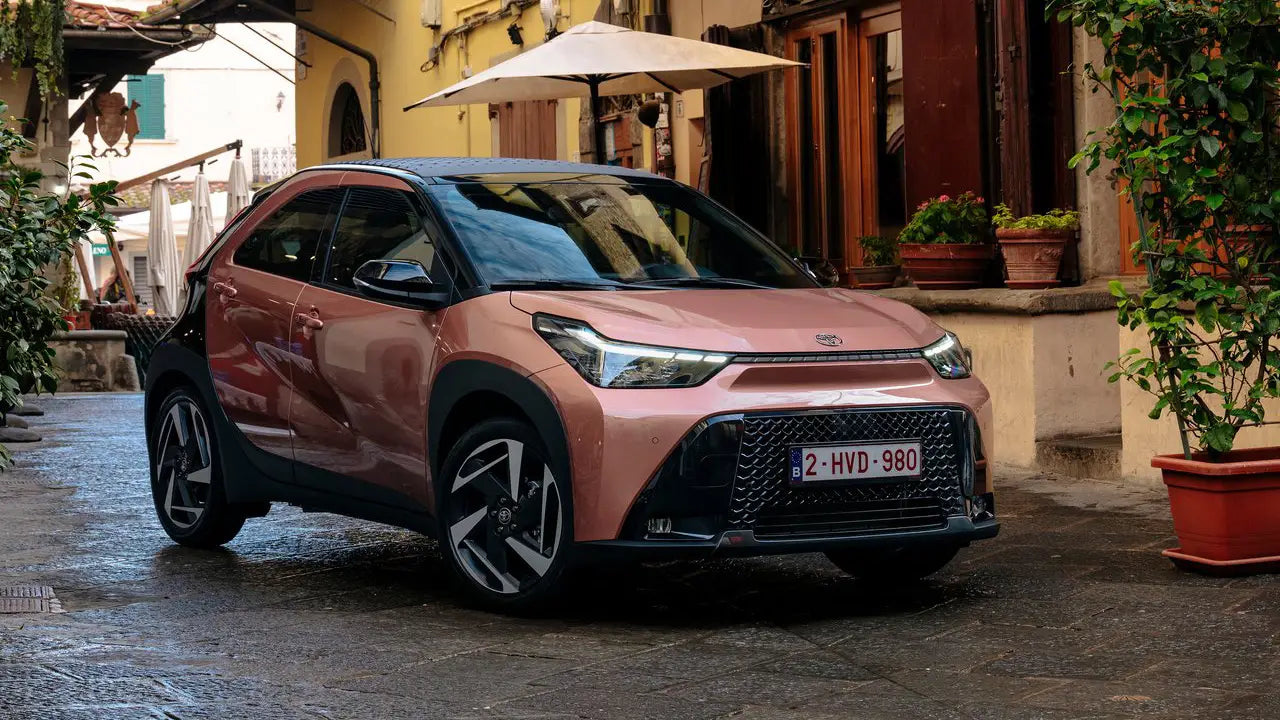
Performance and handling in urban environments
Is the Toyota Yaris good for city driving? Yes — especially for low-speed maneuvering. The engine options in the Yaris are tuned for efficiency rather than raw power. That translates to predictable, smooth acceleration off the line and fine throttle control at low speeds.
Key handling traits:
- Compact dimensions help you weave through traffic and make three-point turns easier.
- Light steering at low speeds reduces effort during parking and tight maneuvers.
- Suspension is tuned for comfort, absorbing potholes and rough urban pavement without being harsh.
My note: while highway passing can require a firm push on the pedal, city driving rarely demands high-speed performance. The Yaris delivers the right feel for city stops and starts.
49% off Today's Exclusive Deals
Limited-time Exclusive Deals. Check current discount on Amazon.
Check Price on Amazon As an Amazon Associate I earn from qualifying purchases.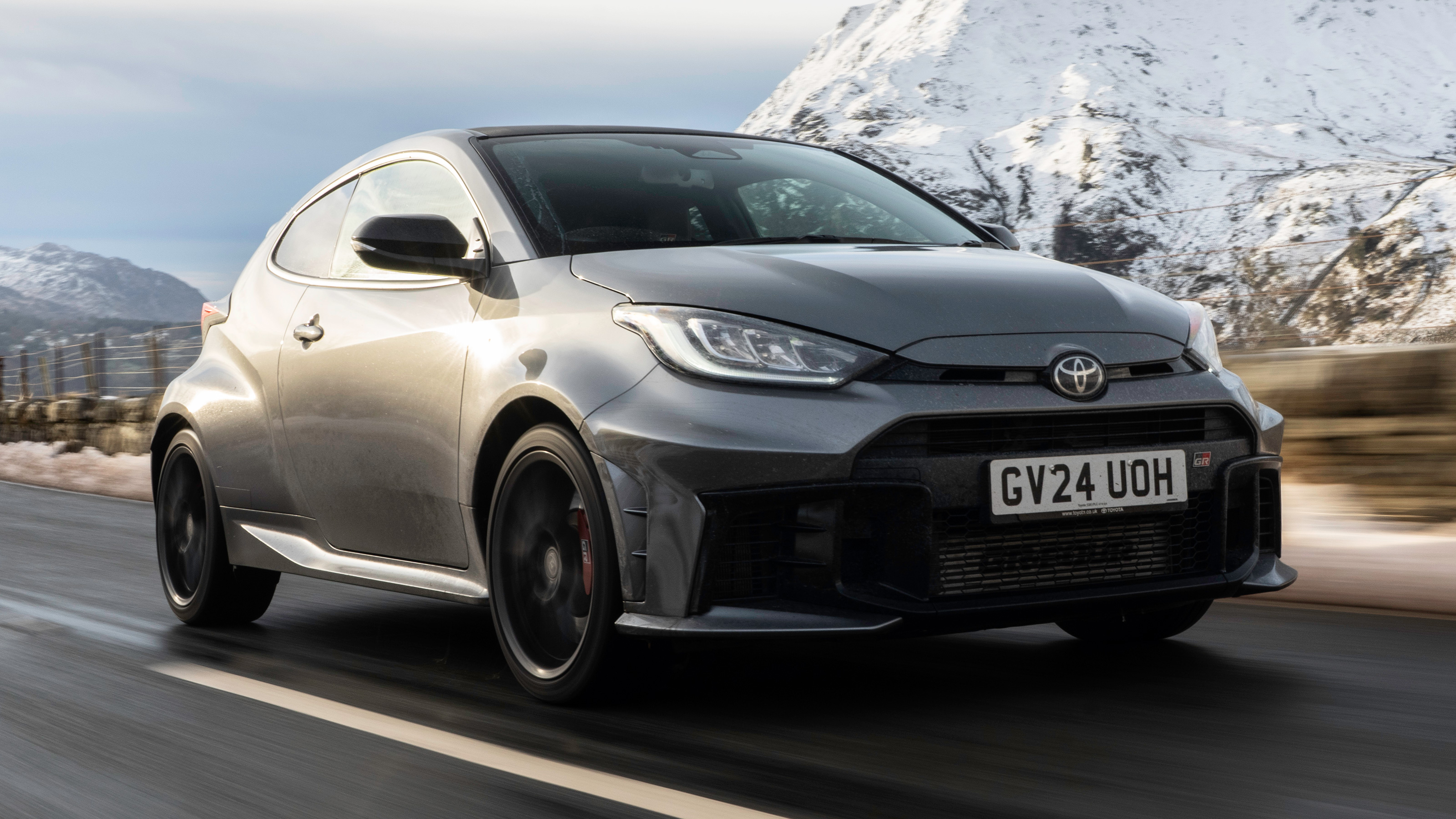
Fuel economy and running costs
Drivers often ask "Is the Toyota Yaris good for city driving?" because fuel economy matters in town. The Yaris shines here. EPA ratings and real-world experience show strong city MPG compared with larger compact cars.
Practical points:
- Smaller engines and lightweight construction lower fuel consumption in stop-and-go traffic.
- Hybrid variants provide the best city mileage by using electric assist at low speeds.
- Insurance and registration costs tend to be lower for small hatchbacks, trimming annual ownership expenses.
From my ownership experience, the fuel and maintenance savings often offset the higher upfront cost of newer safety tech or hybrid powertrains.
Interior, comfort, and practicality for urban users
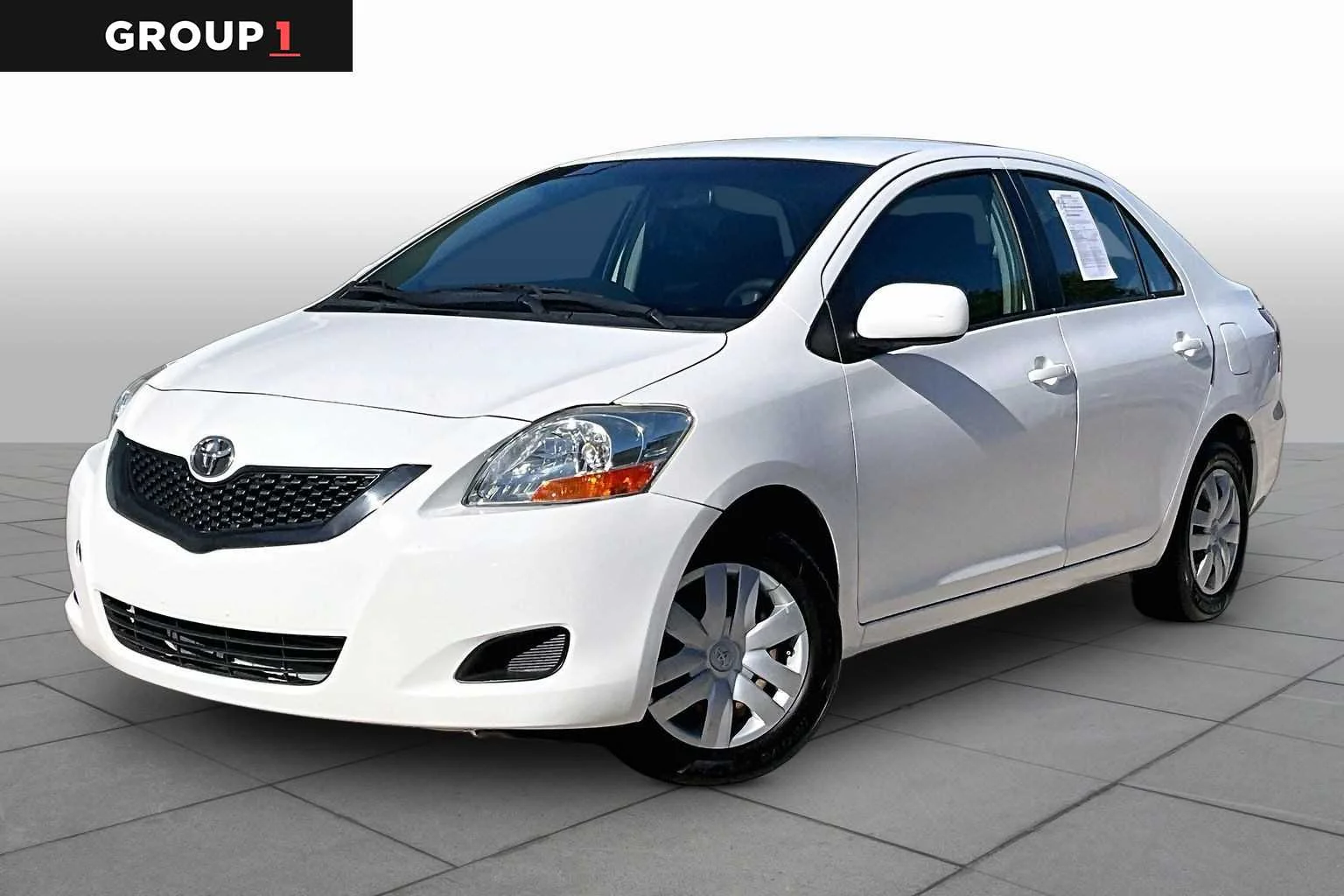
Is the Toyota Yaris good for city driving? The interior layout makes it practical for daily city life. Space is optimized for four passengers, and the hatchback design adds cargo flexibility for groceries, bikes, or deliveries.
Highlights:
- Upright seating and good sightlines make navigating traffic and spotting cyclists easier.
- Rear seats fold flat for larger loads, converting a small car into a useful urban hauler.
- Infotainment and smartphone integration are available in recent models, helping with navigation and traffic alerts.
A personal tip: consider a model with keyless entry and remote start if you frequently hop in and out; small conveniences add up during repeated short trips.

Safety and reliability in city contexts
When shoppers ask "Is the Toyota Yaris good for city driving?" safety and reliability are top concerns. Toyota equips newer Yaris models with advanced safety systems and the brand’s strong reputation for long-term durability.
Safety features that matter in cities:
- Automatic emergency braking helps with sudden stops in dense traffic.
- Lane departure alerts and adaptive cruise can reduce stress on congested commutes.
- High reliability ratings mean fewer unexpected breakdowns and repair surprises.
Based on maintenance records and test drives, the Yaris performs well in urban crash scenarios and holds up over many years of stop-and-go use.
Maintenance, ownership costs, and long-term value
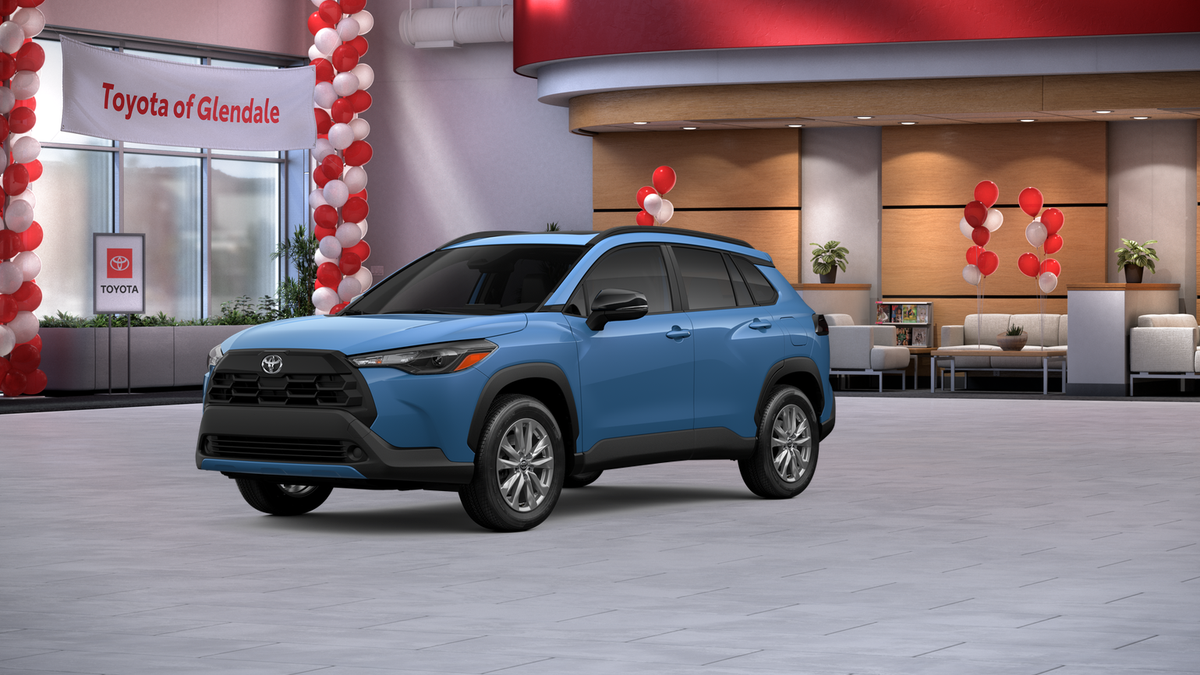
Is the Toyota Yaris good for city driving and cheap to own? Yes, generally. Simple engines, widely available parts, and a history of low repair frequency make ownership predictable.
Things to expect:
- Routine servicing is affordable and infrequent compared with performance cars.
- Tires and brakes wear differently in urban driving; expect more frequent brake pad changes due to repeated stopping.
- Resale values stay strong for well-maintained small Toyota models in city markets.
From hands-on experience, budgeting for common urban wear items and regular oil/filter changes keeps costs low and reliability high.
Pros and cons for city buyers
Is the Toyota Yaris good for city driving? Weighing pros and cons helps you decide.
Pros
- Excellent maneuverability in tight spaces.
- Strong city fuel economy, especially in hybrids.
- Low running costs and high reliability.
- Practical hatchback cargo space for urban errands.
Cons
- Limited rear-seat space for taller passengers on long trips.
- Not the most powerful for highway merging or fast passing.
- Base models may lack advanced tech found on pricier rivals.
I’ve used a Yaris for errands and school runs and found that the advantages outweigh the drawbacks for city dwellers.
Buying tips and alternatives
Is the Toyota Yaris good for city driving? If yes, here’s how to pick the right Yaris and some alternatives to consider.
How to choose
- Prioritize a model with rear camera and parking sensors if you park on busy streets.
- Consider hybrid trims if your routes include frequent stops and lights.
- Check for recent safety suites as standard equipment in newer models.
Alternative city-friendly cars
- Subcompact hatchbacks with similar footprints and features.
- Small hybrids or EVs if zero-emission driving and instant torque are priorities.
- Older Yaris models can be a great budget choice, but inspect maintenance records carefully.
My advice: test-drive the Yaris in the exact neighborhoods where you’ll drive to confirm sightlines, parking fit, and comfort.
Frequently Asked Questions of Is the Toyota Yaris good for city driving?
Is the Toyota Yaris easy to park in tight city spaces?
Yes. Compact size, good visibility, and available parking aids make the Yaris easy to park in tight city spots. Many drivers find it more maneuverable than larger compact cars.
Does the Yaris handle stop-and-go traffic well?
Yes. The Yaris is designed for efficient low-speed driving with smooth throttle response and good fuel economy in traffic. Hybrid versions are especially efficient in stop-and-go conditions.
Is the Toyota Yaris reliable for daily urban commuting?
Yes. Toyota’s reputation for reliability extends to the Yaris, which typically has low repair frequency and durable components suitable for daily urban use. Regular maintenance keeps it dependable.
Are Yaris running costs low compared to other city cars?
Generally yes. Fuel economy, insurance, and maintenance costs are often lower than for larger cars, making the Yaris economical for city drivers. Hybrid trims reduce fuel costs further.
Can the Yaris handle family errands and groceries?
Yes. The hatchback cargo area and fold-flat seats provide practical space for groceries and small furniture. It’s best suited for small families or couples who mainly run urban errands.
Conclusion
The Toyota Yaris is a practical, economical, and reliable city car that excels at parking, fuel efficiency, and everyday usability. If your driving routine involves narrow streets, frequent stops, and short commutes, the Yaris offers a balanced package of comfort, safety, and low ownership cost. Takeaway: test-drive a Yaris in your typical city conditions, compare hybrid and gasoline trims, and prioritize parking and safety features that matter to you. If this guide helped, leave a comment with your city needs or subscribe for more car-buying tips and urban driving advice.