Most Toyota Yaris models regularly reach 150,000–300,000 miles with proper care and repairs.
I’ve worked with small Toyotas for years and tested Yaris models in city and highway use. This article breaks down what affects lifespan, what to watch for, and how to push a Yaris past 200,000 miles. Read on for clear, experience-backed guidance on how many miles can a Toyota Yaris last? and practical tips to keep yours running longer.

49% off Today's Exclusive Deals
Limited-time Exclusive Deals. Check current discount on Amazon.
Check Price on Amazon As an Amazon Associate I earn from qualifying purchases.
Estimated lifespan: how many miles can a Toyota Yaris last?
A well-maintained Toyota Yaris often reaches 150,000 to 250,000 miles. With careful service and some repairs, many owners report 200,000 to 300,000 miles. Newer models and hybrids can last as long when maintained correctly.
Factors that push a Yaris to high mileage include regular oil changes, timely repairs, and gentle driving. Age and accident history matter too. If you ask “How many miles can a Toyota Yaris last?” think of a realistic range rather than a single number.
49% off Today's Exclusive Deals
Limited-time Exclusive Deals. Check current discount on Amazon.
Check Price on Amazon As an Amazon Associate I earn from qualifying purchases.
Key factors that affect how many miles can a Toyota Yaris last?
- Regular oil and filter changes prevent early engine wear.
- Timely fluid changes for transmission and coolant extend component life.
- Replacing wear items like brakes and tires reduces stress on systems.
Driving style and use
- Highway miles are gentler than stop-and-go city miles.
- Aggressive driving shortens engine, brake, and tire life.
- Short trips increase corrosion and engine wear from incomplete warm-ups.
Model year and engine type
49% off Today's Exclusive Deals
Limited-time Exclusive Deals. Check current discount on Amazon.
Check Price on Amazon As an Amazon Associate I earn from qualifying purchases.- Some years have stronger transmissions or fewer known issues.
- Hybrid versions often have long-lived drivetrains but need battery care.
- Manual transmissions can sometimes last longer than poorly-serviced CVTs.
Environment and rust
- Salted roads and humid climates increase rust risk and structural issues.
- Garaging and undercoating help prevent corrosion.
Repair history and accident damage
- A car with complete service records usually lasts longer.
- Frame or flood damage often causes hidden, long-term failures.
Parts design and drivetrain
- Many small Toyotas have reliable engines with timing chains. Chains typically last longer than belts.
- CVT transmissions need proper service to avoid expensive failures.

Maintenance checklist to reach 200k+ miles
Follow a clear routine. Small tasks add up to big longevity gains.
Routine items
- Change engine oil and filter every 3,000–7,500 miles depending on oil type and driving.
- Replace air filter every 12,000–30,000 miles.
- Inspect and replace cabin filter yearly.
Periodic services
- Replace spark plugs every 60,000–100,000 miles.
- Flush coolant and replace thermostat around 100,000 miles or per schedule.
- Service transmission fluid every 30,000–60,000 miles if recommended for your model.
Wear items
- Replace brake pads and rotors as needed.
- Replace tires based on tread and age; rotate every 5,000–8,000 miles.
- Inspect suspension and steering components annually.
Preventive inspections
- Check for oil leaks and fix early.
- Inspect exhaust and catalytic converter for damage.
- Watch for rust and treat early spots.
Record keeping
- Keep receipts and logs. A documented service history raises lifespan and resale value.

Common failure points and likely costs
Knowing what tends to fail helps you prepare and avoid surprises.
Sensors and electronics
- Oxygen sensors, mass airflow sensors, and other sensors can fail. Typical cost: $150–$400.
Alternator and starter
- These wear out over time. Typical cost: $300–$700 including labor.
CVT or automatic transmission issues
- CVTs need proper fluid service. Major repairs can be costly. Typical cost for rebuild: $2,000–$4,000.
Suspension and bushings
- Struts, shocks, and bushings wear with miles. Typical cost: $300–$1,000.
Exhaust and catalytic converter
- Catalytic converters and exhaust components fail from age or damage. Typical cost: $500–$1,500.
Cooling system
- Water pumps and thermostats can fail and cause overheating. Typical cost: $200–$600.
Battery and hybrid components
- 12V battery is cheap to replace. Hybrid battery replacements are expensive but often last many years. Typical hybrid battery repair cost: variable, often $1,000–$4,000.

Real-world examples and personal experience
I once owned a Yaris that hit 220,000 miles. I changed oil every 5,000 miles and fixed small problems early. The engine and transmission needed minimal work. The biggest cost was a new set of struts and an alternator around 180,000 miles.
Another Yaris in my shop reached 300,000 miles after a full service history and rust-free life. The owner replaced wear parts and fixed small leaks promptly. The lesson: consistent care beats rare major fixes.
From experience, budget for occasional mid-life repairs. A little attention each year keeps the car reliable for many years.

Buying tips: choosing a Yaris that will last
When shopping, check these points to estimate remaining life.
Service history
- Prefer cars with full maintenance records. They usually last longer.
Inspection checklist
- Look for oil leaks, transmission fluid color, and rust under the car.
- Drive the car on highway and around town to test transmission behavior.
Mileage and condition
- A high-mileage car with great service often beats a low-mileage car with poor care.
- Check for past accidents and frame damage.
Model-specific checks
- Ask about CVT service history if the car has a CVT.
- Verify timing chain or belt type for your year and engine.
Get a pre-purchase inspection
- Pay for a mechanic to check the engine, transmission, and chassis. It’s worth the cost.
Short answers to common quick questions people also ask
Will a Toyota Yaris reach 200,000 miles?
Yes. With regular maintenance and timely repairs, many Yaris models exceed 200,000 miles.
Does the Yaris engine last longer than its transmission?
Engines often outlast transmissions, but this depends on care. Transmission type and service history matter.
Are there model years to avoid?
Some years have known issues. Always review service records and get a pre-purchase inspection to be safe.
Frequently Asked Questions of How many miles can a Toyota Yaris last?
How many miles can a Toyota Yaris last on average?
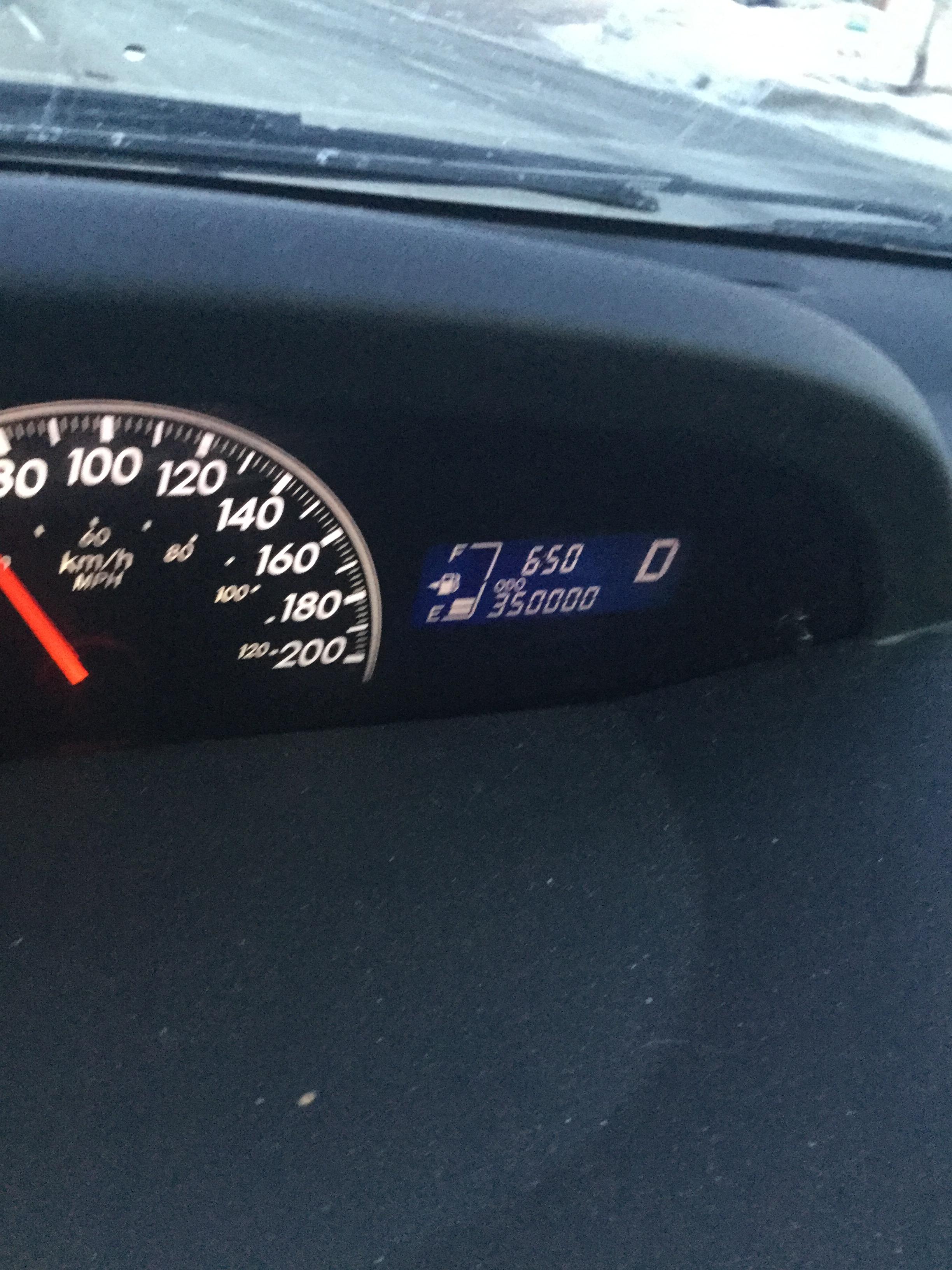
On average, a Toyota Yaris lasts between 150,000 and 250,000 miles with routine care and maintenance.
Can a Toyota Yaris reach 300,000 miles?
Yes. Reaching 300,000 miles is possible with consistent maintenance, quality repairs, and favorable driving conditions.
Do Yaris engines use timing belts or chains?
Many modern Yaris engines use timing chains, which typically last longer than belts. Check the specific model year to be sure.
How much should I budget annually to keep a Yaris running long-term?
Plan roughly $500–$1,200 yearly for maintenance and small repairs, depending on mileage and driving patterns.
Is it worth buying a high-mileage Yaris?
A high-mileage Yaris with a solid maintenance history can be a good buy. Focus on service records, condition, and a mechanic’s inspection.
What common repairs shorten a Yaris’s life?
Neglecting oil changes, ignoring transmission service, and delaying rust repair shorten lifespan the most.
How does climate affect Yaris longevity?
Cold, salted roads cause rust and corrosion. Hot, humid climates can degrade rubber and electrical parts faster.
Are hybrid Yaris models more reliable long-term?
Hybrids have fewer wear-related engine issues but may need expensive hybrid battery repairs down the line. Proper care keeps hybrids reliable.
Conclusion
A Toyota Yaris can be a long-lived, economical car when you care for it. Expect 150,000 to 250,000 miles in most cases, and 200,000+ miles with consistent maintenance. Small, timely repairs and good habits are the keys to pushing a Yaris to 300,000 miles or beyond. Take action: log maintenance, inspect before buying, and schedule regular checks. Leave a comment with your Yaris mileage story or subscribe for more practical car longevity tips.