Common DSG transmission problems include mechatronic failure, clutch wear, jerking, limp mode, and fluid leaks.
I have diagnosed and repaired DSG transmission problems in many Volkswagen Golf models over the years. This article explains common faults, clear symptoms, diagnostic steps, repair options, and prevention tips so you can spot DSG issues early and make smart repair choices.

49% off Today's Exclusive Deals
Limited-time Exclusive Deals. Check current discount on Amazon.
Check Price on Amazon As an Amazon Associate I earn from qualifying purchases.
How the DSG works and why problems matter
The DSG (direct-shift gearbox) is a dual-clutch automatic that uses two clutches to preselect gears. This design gives fast shifts and better fuel economy compared with traditional automatics. While smart, the DSG system is complex and relies on mechatronics, sensors, control software, and precise clutch packs. When any part fails, driving can become jerky, limp-mode may engage, or the car may refuse to move. Diagnosing DSG transmission problems early saves money and prevents wider drivetrain damage.
49% off Today's Exclusive Deals
Limited-time Exclusive Deals. Check current discount on Amazon.
Check Price on Amazon As an Amazon Associate I earn from qualifying purchases.Common DSG transmission problems in the Volkswagen Golf
Below are the faults I see most often in Golf models, with simple explanations and likely causes.
- Mechatronic unit failure
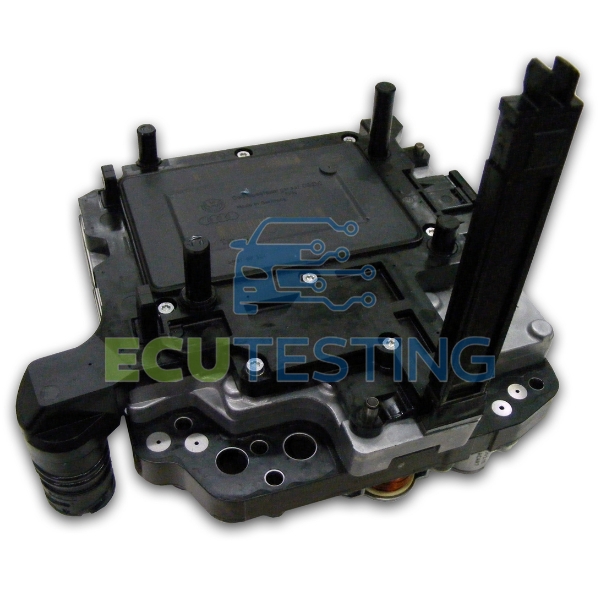
- The mechatronic is the DSG’s hydraulic and electronic control module. Failures cause erratic shifts, stuck gears, or full limp mode. Moisture, wear, or internal valve block faults are common triggers.
- Clutch pack wear (dry and wet clutches)
- Dry-clutch DQ200 models often suffer rapid clutch wear under heavy city driving. Wet-clutch DQ250 units can overheat if fluid is old or driving is aggressive. Signs include slipping, delayed acceleration, or strange vibrations.
- DSG jerking and hesitation at low speeds
- A jerky take-off or stutter at low speed often points to clutch bite point issues, mechatronic adaptation faults, or worn clutch plates. This is one of the most common DSG transmission problems owners notice first.
- Limp mode and transmission fault lights
- The gearbox control unit will set faults and limit performance when sensors or actuators fail. Limp mode protects the gearbox but leaves the car underpowered and risky to drive long distances.
- DSG fluid leaks and contamination
- Leaks at seals or pan gaskets allow fluid loss. Contaminated or degraded fluid reduces lubrication and cooling, accelerating clutch wear. Regular fluid changes help reduce this risk.
- Software and TCU (Transmission Control Unit) issues
- Outdated software or corrupted adaptations can cause erratic shifting and false fault codes. Reflashes and adaptation resets often fix symptoms if no hardware is faulty.
- Speed sensor and solenoid faults
- Failed sensors or solenoids disrupt gear selection and hydraulic control. This can show as unexpected downshifts, refusal to change gears, or fault codes during a scan.
- Excessive clutch dust and flywheel wear
- Clutch wear sheds dust that can clog filters and contaminate hydraulic elements. Dual-mass flywheels can also fail and transfer vibration to the gearbox.
- Overheating in heavy use or towing
- DSG units are sensitive to long, heavy loads and repeated hard launches. Overheat can trigger limp mode and accelerate component wear.
These common DSG transmission problems can affect any Volkswagen Golf equipped with DSG, from everyday city cars to sporty GTI models. The exact fault mix varies by gearbox code (for example DQ200 vs DQ250) and driving pattern.

How to spot DSG transmission problems early
Catch problems early by watching for simple signs. Early detection cuts repair bills and downtime.
49% off Today's Exclusive Deals
Limited-time Exclusive Deals. Check current discount on Amazon.
Check Price on Amazon As an Amazon Associate I earn from qualifying purchases.- Warning lights and messages
- Transmission or engine lights, plus dash messages like “Gearbox Fault,” are clear early warnings.
- Change in shift quality
- If shifts become slow, harsh, or the car hesitates, DSG transmission problems may be developing.
- Strange noises or vibrations
- Clunking, whining, or vibrations on gear change often signal clutch or mechatronic issues.
- Fluid checks
- Low, dirty, or burnt-smelling DSG fluid indicates a service need or leak.
- Behavioral checks
- Sudden limp mode, odd gear selection, or inability to accelerate are red flags.
As a practical test, I recommend a short drive with attention to shift points and a scan with a DSG-capable diagnostic tool. Many faults only show up as stored codes. If you’re unsure, visit a shop that can read DSG-specific codes.
Diagnosis: steps professionals take
A clear diagnostic path helps isolate DSG transmission problems quickly.
- Read fault codes and freeze-frame data
- Scan for DSG-specific codes first. Codes narrow the problem to mechatronics, sensors, or clutch issues.
- Visual and fluid inspection
- Check for leaks, fluid color, and magnetic debris in the pan where applicable.
- Road test with data logging
- Drive while logging DSG parameters: clutch temps, pressures, and torque requests.
- Adaptation reset and reflash
- If no hardware faults appear, technicians often try a TCU reflash and reset adaptations.
- Component tests
- Test solenoids, speed sensors, and clutch actuation with a scope or diagnostic tool.
- Consider partial disassembly
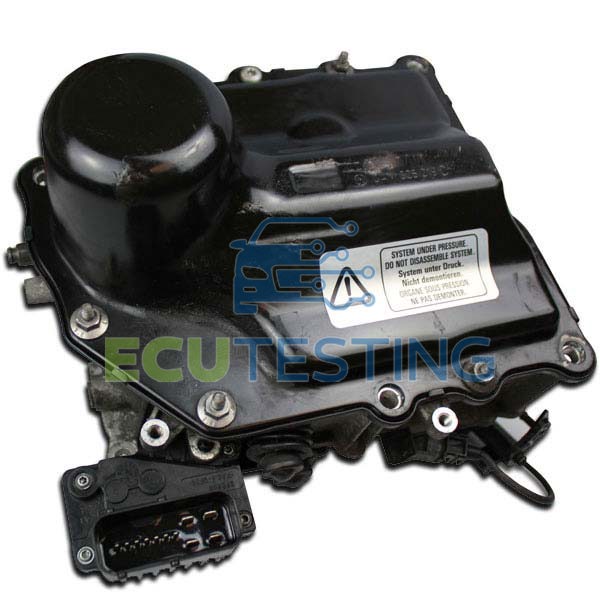
- For stubborn faults, removing the DSG pan or mechatronic for inspection is the next step.
A methodical approach prevents needless part swaps. I’ve seen shops replace clutches or mechatronics before reading codes, which often wastes money.

Repair options and cost expectations
Fixes span from simple software updates to full gearbox rebuilds. Here’s a practical cost and option guide.
- Software update and adaptation reset
- Low cost and often effective when the fault is electronic or adaptation-related.
- DSG fluid and filter service
- Regular service is relatively cheap and prevents many clutch and cooling issues.
- Mechatronic repair or replacement
- Mechatronic repair can be moderate to high cost; full replacement is expensive but sometimes needed for severe faults.
- Clutch pack replacement (or mechatronic-serviced clutch)
- Clutch jobs are labor intensive and can cost significantly, especially if the gearbox must be removed.
- Remanufactured gearbox swap
- When damage is extensive, installing a reman DSG can be a faster but costlier option.
- DIY vs shop
- Simple fluid and software jobs can be DIY for skilled owners. Major repairs are best left to specialists with DSG tools.
Cost ranges vary by region and exact gearbox model. Expect modest costs for fluid and software, several hundred to a few thousand for clutch or mechatronic work, and higher for full gearbox replacement.
Maintenance and driving tips to avoid DSG transmission problems
Small changes cut your risk of major DSG failures. These habits helped many Golf owners I’ve worked with.
- Follow service intervals
- Change DSG fluid and filters at factory-recommended intervals or sooner for city/towing use.
- Warm the car gently
- Avoid aggressive launches when the gearbox and clutch are cold.
- Avoid heavy towing and track abuse
- If you tow or use the car on track, increase service frequency and consider upgraded cooling.
- Keep software updated
- Have TCU updates applied at dealer or trusted shop as needed.
- Fix leaks quickly
- A small leak left unchecked leads to major clutch failure.
- Use correct parts and fluid
- Always use DSG-specified fluid and OEM or reputable parts.
In my experience, owners who follow service schedules and avoid aggressive low-speed driving have far fewer DSG transmission problems in their Volkswagen Golf.

When to choose repair vs replacement
Deciding depends on damage, cost, and car value.
- Small electronic or software faults
- Repair is usually best. A reflash or mechatronic repair can restore function.
- Worn clutches on high-mileage cars
- If repair cost approaches car value, consider replacement with a reman unit or selling the car.
- Major mechanical damage or repeated faults
- Full gearbox replacement is often more cost-effective than repeated band-aid fixes.
- Warranty and aftermarket coverage
- Check for recalls, service campaigns, or extended warranty options before spending.
I once recommended a reman gearbox for a Golf with repeated mechatronic failures; the owner saved money long-term versus repeated repairs.

Common mistakes to avoid
Protect your wallet and the gearbox by avoiding these pitfalls.
- Ignoring early warning signs
- Driving with warning lights or odd shifts leads to bigger damage.
- Using incorrect fluid
- The wrong fluid can change clutch friction and void warranties.
- Replacing parts without diagnosis
- Don’t swap clutches or mechatronics without reading codes and doing tests.
- Deferring software updates
- Skipping TCU updates can leave bugs that worsen wear.
Simple, prompt attention often prevents large bills.
Frequently Asked Questions of What are the common DSG transmission problems in the Volkswagen Golf?
What are the first signs of DSG transmission problems in a Volkswagen Golf?
Early signs include jerky shifts, hesitation at low speeds, and transmission warning lights. You may also notice slipping or a sudden limp-mode activation.
Can DSG problems be fixed with a software update?
Yes, some DSG transmission problems are caused by software or adaptation errors and can be fixed with a reflash or reset. Hardware faults will still need mechanical repair.
How often should DSG fluid be changed in a Volkswagen Golf?
Follow the manufacturer interval, but for city driving or heavy use consider changing every 40,000 to 60,000 miles. Fresh fluid helps prevent clutch wear and overheating.
Are DSG repairs expensive for the Golf?
Repair costs vary widely: software and fluid service are relatively low-cost, while clutch or mechatronic work can be costly. Full gearbox replacement is the most expensive option.
Is driving with DSG limp mode safe?
Limp mode allows you to reach a repair shop but is not safe for long trips or high speeds. Have the car scanned and repaired promptly to avoid further damage.
Can I prevent DSG clutch wear with driving changes?
Yes. Avoid aggressive low-speed launches, allow the gearbox to warm up, and keep to regular service intervals. These habits reduce clutch wear and heat buildup.
Conclusion
DSG transmission problems in the Volkswagen Golf often start with subtle signs: jerks, hesitation, or warning lights. Most issues trace to the mechatronic unit, clutch wear, software faults, or fluid problems. Catching faults early, using correct fluid, applying software updates, and following service intervals reduces repair costs and extends gearbox life. If you see warning signs, scan for DSG-specific codes and act quickly. Take action today: check your service history, schedule a DSG fluid service if needed, and ask your shop to scan for gearbox codes. Share your experiences or questions in the comments below — I’ll help guide you toward the right next step.