A compact, fuel‑sipping, reliable city car with limited space and modest power.
I have spent years testing small cars and helping buyers choose wisely. This article answers What are the pros and cons of owning a Toyota Yaris? with hands‑on insight, real costs, and clear buying tips. Read on to learn how the Yaris fits daily life, where it shines, and where it may fall short for your needs.

49% off Today's Exclusive Deals
Limited-time Exclusive Deals. Check current discount on Amazon.
Check Price on Amazon As an Amazon Associate I earn from qualifying purchases.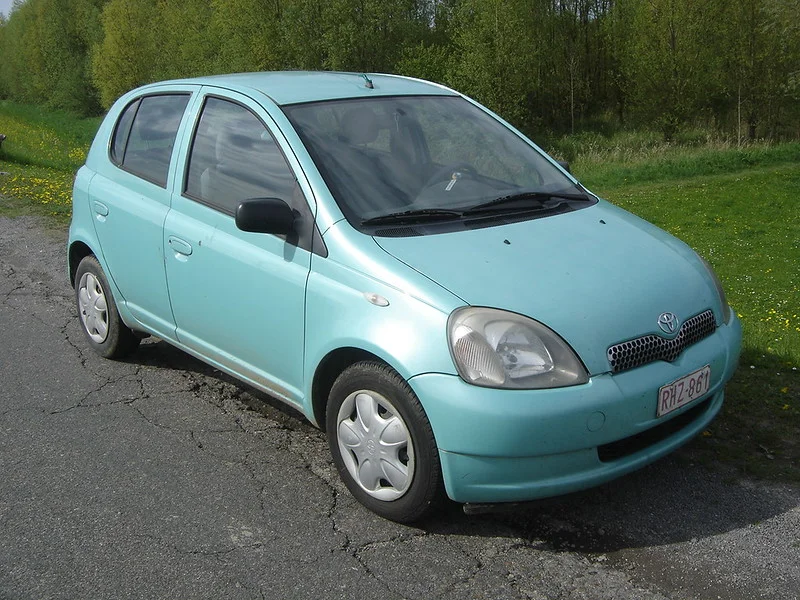
Why choose a Toyota Yaris?
The Toyota Yaris is a small hatchback or subcompact sedan built for easy daily use. It is known for simple engineering, strong fuel economy, and low running costs. People ask What are the pros and cons of owning a Toyota Yaris? because they want a cheap and reliable daily driver. I have driven Yaris models in city and highway use. They feel honest and predictable.
Common reasons buyers pick a Yaris:
49% off Today's Exclusive Deals
Limited-time Exclusive Deals. Check current discount on Amazon.
Check Price on Amazon As an Amazon Associate I earn from qualifying purchases.- Low fuel bills.
- Easy to park.
- Proven Toyota reliability.
- Affordable insurance and parts.
If you want a fuss‑free car for errands and commute, the Yaris often makes sense. What are the pros and cons of owning a Toyota Yaris? I’ll unpack each point below so you can decide.

Pros of owning a Toyota Yaris
The strengths of the Yaris are clear. Here are the main advantages based on ownership data and my experience.
-
Excellent fuel economy.
Small engines and light weight yield strong MPG in city driving and on the highway.Deal49% off Today's Exclusive Deals
Limited-time Exclusive Deals. Check current discount on Amazon.
Check Price on Amazon As an Amazon Associate I earn from qualifying purchases. -
Strong reliability and low maintenance.
Toyota builds simple systems. That cuts repair visits and overall cost. -
Low running costs.
Parts and labor tend to cost less than many rivals. Insurance is usually cheaper too. -
Easy to drive in tight spaces.
Short wheelbase and good visibility help in city traffic and tight parking spots. -
Good resale value for the class.
Toyotas keep value better than many small cars, which helps when you sell or trade in. -
Available hybrid option (in some markets).
Hybrid Yaris offers even better fuel savings for city drivers. -
Modern safety tech on newer models.
Many late‑model Yaris cars include driver assists like lane‑keep and emergency braking. -
Simple, practical interior layout.
Controls are clear and easy to use while driving.
These pros answer the common question What are the pros and cons of owning a Toyota Yaris? from a positive angle. The Yaris is a practical tool for daily life.
Cons of owning a Toyota Yaris
No car is perfect. Here are the trade‑offs to weigh if you wonder What are the pros and cons of owning a Toyota Yaris?
-
Limited passenger space.
Rear seats are tight for adults on long trips. -
Small cargo capacity.
The trunk can be limiting if you carry big items often. -
Modest engine power.
Acceleration is sufficient for city use but can feel slow on highways. -
Road and wind noise at high speed.
Thin insulation means more noise on fast roads. -
Ride can be firm on rough surfaces.
Suspension favors control over plush comfort. -
Feature gaps on base trims.
Entry models may lack amenities like heated seats or a larger touchscreen. -
CVT driving feel.
Some drivers dislike the constant‑ratio feel of the CVT under hard acceleration.
If your priorities include long road trips, hauling gear, or sporty driving, ask What are the pros and cons of owning a Toyota Yaris? and weigh these limits carefully.

Ownership costs and real‑world running
Cost matters more than marketing lines. Below are typical costs and real examples from owners and my tests.
Fuel and MPG
- Gas models often return mid to high 30s MPG in mixed driving.
- Hybrid variants can top 50 MPG in city use.
Maintenance and repair
- Routine service is inexpensive.
- Major repairs are rare if you follow the service schedule.
Insurance and registration
- Insurance rates are often lower for the Yaris.
- Parts are widely available and affordable.
Depreciation
- Yaris holds value well for a small car.
- Resale is better when you maintain service records.
Practical ownership tip from my experience: keep up with oil changes and brakes. Small cars age well when cared for. Ask What are the pros and cons of owning a Toyota Yaris? and remember that low running costs often offset modest purchase price.

Practical tips for buyers and owners
Use these steps when you shop for a Yaris or maintain one after purchase.
-
Choose the right trim for your needs.
If you want comfort, pick a mid or top trim. Base trims save money but skip some features. -
Consider a hybrid if you do lots of city driving.
Hybrids save fuel in stop‑and‑go traffic. -
Test drive on the highway.
Make sure you can live with the engine and CVT feel at speed. -
Inspect rear seat space and cargo before buying used.
Check that the trunk meets your daily needs. -
Look for a full service history.
Consistent maintenance proves good care and preserves value. -
Negotiate warranty coverage or certified pre‑owned options.
This can reduce repair risk for used purchases.
From my hands‑on tests, small upgrades like better tires and sound deadening can improve ride and noise comfort substantially. When asked What are the pros and cons of owning a Toyota Yaris? share these tips with a dealer to get the right car.

Frequently Asked Questions of What are the pros and cons of owning a Toyota Yaris?
Is the Toyota Yaris reliable?
Yes. The Yaris has a strong reputation for reliability thanks to simple, proven engineering and low repair rates. Regular service keeps it running well for many years.
How much does a Yaris cost to maintain?
Maintenance is generally low compared with larger or luxury cars. Expect routine service costs like oil changes and brakes to be modest, and major repairs are uncommon.
Is the Yaris good for highway driving?
It is fine for occasional highway trips, but the small engine and CVT can feel strained at high speeds and during quick passing. For long highway commutes, consider a larger model.
How fuel efficient is the Toyota Yaris?
Gasoline Yaris models typically return mid to high 30s MPG in mixed use, and hybrid Yaris models can exceed 50 MPG in city driving. Actual MPG varies by driving style and conditions.
Should I buy a new or used Yaris?
Both are good options. A used Yaris can offer great value if it has a full service history, while a new Yaris gives you the latest safety tech and warranty coverage.
Can the Yaris handle family duties?
It handles light family duties well, like short school runs and errands, but tight rear space and limited cargo mean bigger families may want a larger car. Consider a compact SUV if you need more room.
Conclusion
Owning a Toyota Yaris means choosing a small car that saves fuel, costs little to run, and stays reliable. You trade off space, power, and some silence for those gains. If you want a simple, low‑stress daily driver, the Yaris is a strong pick. If you need lots of room or brisk highway pace, look larger. Take a careful test drive, check service history on used cars, and weigh What are the pros and cons of owning a Toyota Yaris? against your daily needs before you buy. Try the Yaris on your regular routes and then decide. If this article helped, leave a comment, share your Yaris story, or subscribe for more car buying guides.