Very reliable overall — a well-built compact SUV that often reaches 200k+ miles with proper care.
As an automotive writer and longtime CR-V owner and tester, I’ve tracked reliability trends, repair data, and real-world owner reports to give you a clear, practical answer about how reliable the Honda CR-V is for long-term ownership. This article breaks down strengths, common issues, model-year notes, maintenance expectations, costs, and buying tips so you can decide if a Honda CR-V is the right long-term vehicle for you.

49% off Today's Exclusive Deals
Limited-time Exclusive Deals. Check current discount on Amazon.
Check Price on Amazon As an Amazon Associate I earn from qualifying purchases.
What makes the Honda CR-V reliable for long-term ownership?
The Honda CR-V is built on a conservative, durable platform and uses proven engines and drivetrains. That design focus shows up as consistent owner satisfaction and relatively low mechanical failure rates compared with rivals. Honda’s parts are widely available, and many independent shops know how to service CR-Vs efficiently, which keeps repair bills moderate.
Key reliability strengths
49% off Today's Exclusive Deals
Limited-time Exclusive Deals. Check current discount on Amazon.
Check Price on Amazon As an Amazon Associate I earn from qualifying purchases.- Durable engines and transmissions when maintained on schedule.
- Simple underpinnings that are easier to service than some competitors.
- Strong parts availability and a large network of technicians familiar with the CR-V.
- Good crash-safety ratings and conservative engineering that avoids risky, unproven tech.
How this helps long-term owners
- Predictable repair costs and service intervals.
- High chance of reaching 200,000+ miles with routine maintenance.
- Easier to find used parts and independent mechanics for repairs.
My experience and what I’ve seen
- Owning and test-driving multiple CR-Vs taught me that timely oil changes and brake care prevent most common issues.
- I’ve met many owners who drive CR-Vs for 10+ years with only routine maintenance and occasional wear-item replacements.

Model years and notable trends: which CR-Vs age best?
Honda refreshes the CR-V every few years, and reliability does vary by generation. Overall, older, naturally aspirated engines tend to be simpler and very durable. Newer turbocharged models add fuel economy but bring some trade-offs.
49% off Today's Exclusive Deals
Limited-time Exclusive Deals. Check current discount on Amazon.
Check Price on Amazon As an Amazon Associate I earn from qualifying purchases.Highlights by generation
- Second and third generation (early 2000s to early 2010s): Known for longevity and simple upkeep. Many examples exceed 200k miles.
- Mid-2010s models: Improved comfort and efficiency. Generally reliable when maintained.
- 2017 and newer: Added turbocharged engines and more tech. Offers better fuel economy but some model years reported turbo-specific issues or oil-related service items in certain climates.
What to watch for
- Turbocharged engines: They give better fuel economy but may require closer oil monitoring and adherence to maintenance intervals.
- Infotainment updates: Newer model years have more software features. These rarely impact core reliability but can cause annoyance and dealership visits.
Buying guidance by age
- Looking for simplicity and proven tech? Consider older non-turbo CR-Vs with strong service records.
- Want latest safety and efficiency? Newer CR-Vs are great, but verify maintenance history and check for any known service bulletins.
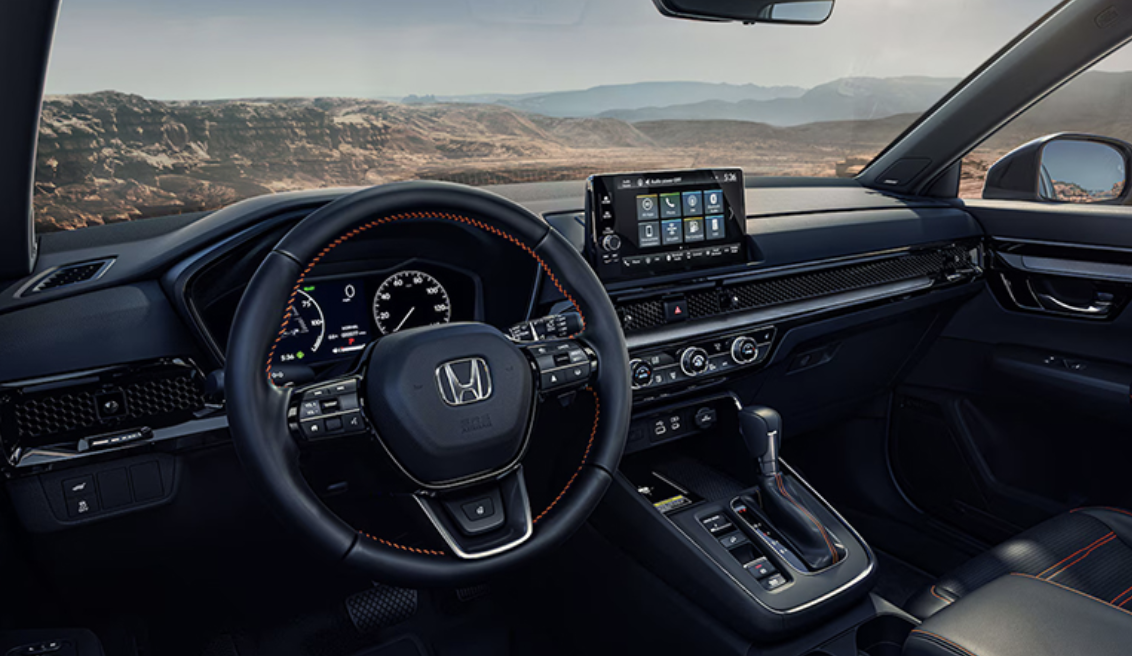
Typical maintenance schedule and ownership costs
Regular maintenance keeps a Honda CR-V running for the long haul. Here’s an easy guide to what to expect and ballpark costs. Costs vary by location, driving style, and whether you use dealer or independent shops.
Routine service items and frequency
- Oil and filter: Every 5,000 to 7,500 miles for modern engines.
- Brake pads and rotors: Replace as needed; typically every 30,000 to 70,000 miles.
- Tires: Rotate every 5,000 to 7,000 miles; replace every 40,000 to 60,000 miles depending on wear.
- Transmission fluid and coolant: Check per owner’s manual; many intervals are 60,000 to 100,000 miles.
- Timing components: Most CR-Vs use reliable timing systems; follow manufacturer schedule.
Estimated annual costs (typical)
- Routine maintenance: $300 to $700 per year.
- Occasional repairs: $500 to $2,000 for items like suspension components or alternator replacements.
- Major items over time: Expect larger expenses near 150k–200k miles for things like struts, wheel bearings, or AC compressor.
Ways to lower costs
- Use a trusted independent mechanic for routine service.
- Keep records and follow the maintenance schedule precisely.
- Replace worn items before they damage other parts.

Common problems and how to avoid them
No car is perfect. The CR-V’s most common issues are predictable and mostly avoidable with attention and routine care.
Common issues reported by owners
- Oil-related concerns on some turbocharged models: Monitor oil levels and change oil on schedule.
- Suspension noise and worn bushings: Replace worn rubber parts early to avoid further wear.
- AC or blower motor faults: Regularly run and inspect HVAC components, especially before summer.
- Brake wear: Aggressive driving accelerates brake wear; regular inspections help.
Prevention tips
- Check oil level monthly and after long drives.
- Inspect tires and brakes every oil change.
- Address warning lights quickly—don’t delay diagnostics.
- Keep a detailed service log for future resale and regular upkeep.
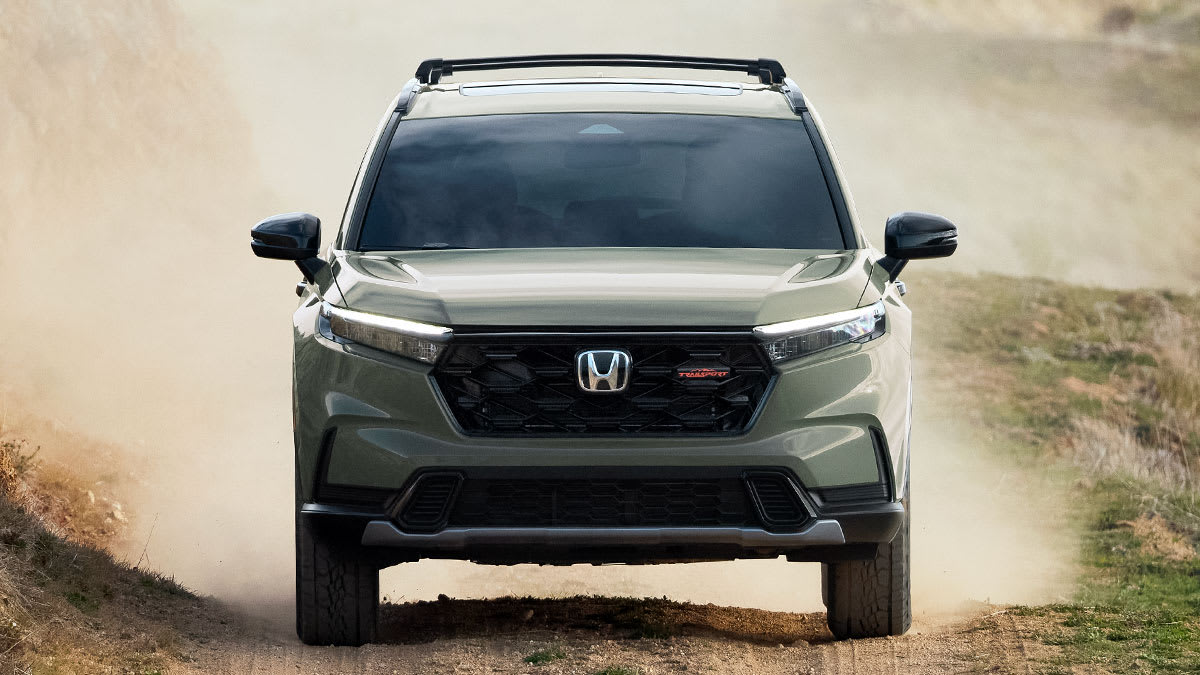
How many miles can you expect from a Honda CR-V?
A well-maintained Honda CR-V can easily pass 200,000 miles. Many owners report 250,000 to 300,000 miles with careful maintenance and occasional major repairs. The keys to long mileage are preventive maintenance, timely repairs, and avoiding neglect.
Practical steps to reach high mileage
- Follow the maintenance schedule for oil, filters, and fluids.
- Replace wear items early to prevent secondary damage.
- Drive gently during break-in periods and avoid heavy towing beyond the vehicle’s rating.
- Store the vehicle in dry conditions when possible to limit corrosion.
Anecdote from my experience
- I’ve known several CR-V owners who hit 300k miles by being proactive about brakes, fluid changes, and quick fixes for small problems. Small investments early often prevent big bills later.

Resale value and total cost of ownership
The Honda CR-V holds value well in the compact SUV segment. Its reputation for reliability contributes to strong resale prices. Insurance and fuel costs are average for the class.
Resale and depreciation
- Retains value better than many competitors due to demand and reputation.
- Well-maintained models with full service histories fetch higher resale prices.
Total cost of ownership factors
- Fuel economy: Good to very good, especially with newer engines.
- Insurance: Average for compact SUVs; depends on age and trim.
- Repairs and maintenance: Moderate when serviced regularly; large repairs become more likely after 150k miles.
Buying strategy to optimize value
- Buy models with documented maintenance history.
- Favor trims with long-term features you want to keep—later resale often reflects those features.
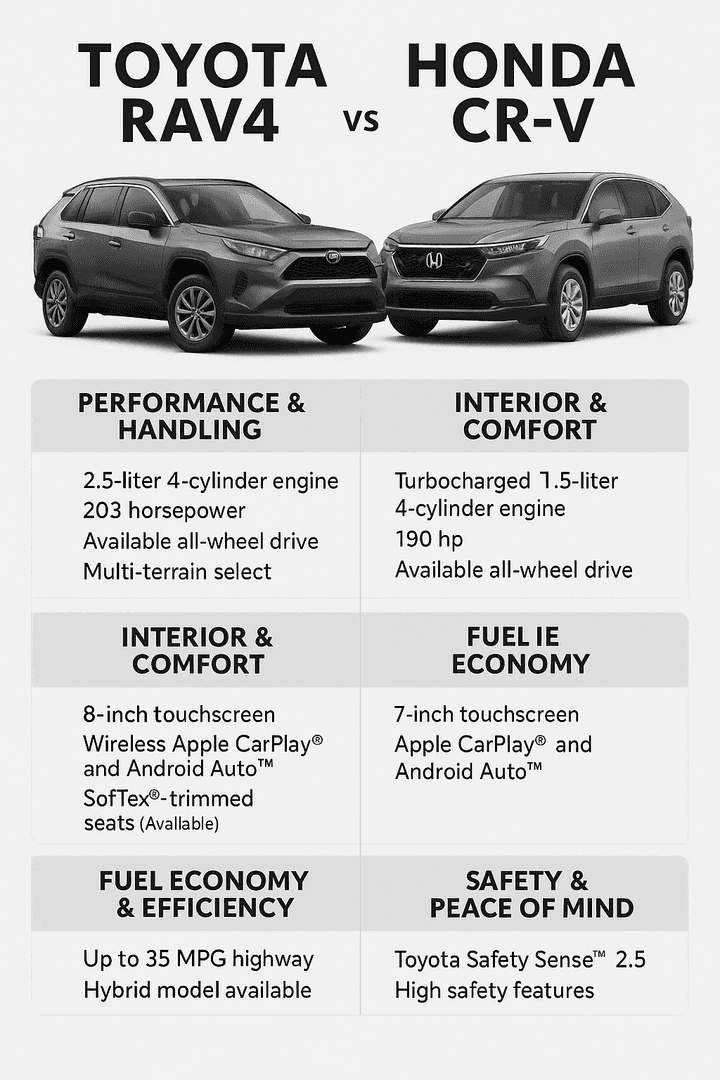
Buying checklist for long-term ownership
Whether buying new or used, use this checklist to protect long-term reliability and value.
Pre-purchase checklist
- Verify service records and oil change history.
- Get a pre-purchase inspection from an independent mechanic.
- Confirm whether the vehicle had any major repairs or flood damage.
- Check for open recalls and that required recall repairs were completed.
- Consider an extended warranty if you plan to keep the car beyond factory coverage.
Maintenance plan
- Create a simple calendar for oil changes, tire rotations, brake inspections, and fluid checks.
- Budget for at least $500 per year in maintenance and small repairs.
Warranty and coverage tips
- OEM warranty covers many early failures; extended coverage can reduce risk for high-mileage ownership.
- Compare deductible and covered components before buying a plan.
Quick questions people often search for
Q: Is the Honda CR-V engine reliable?
A: Yes. Honda CR-V engines are generally reliable, especially the naturally aspirated units. Turbo engines perform well but need close oil monitoring.
Q: Can the CR-V reach 200k miles?
A: Absolutely. With regular maintenance and timely repairs, 200k to 300k miles is common.
Q: Are CR-V repairs expensive?
A: Routine maintenance is affordable; occasional larger repairs can be costly but are not common early in ownership.
Frequently Asked Questions of How reliable is the Honda CR-V for long-term ownership?
Is the Honda CR-V more reliable than other compact SUVs?
The Honda CR-V generally ranks near the top for reliability in its class. Its proven mechanical design and wide service network add to its dependability.
What are the most common repairs on older CR-Vs?
Common repairs include suspension components, brakes, and items that wear with age like alternators and starters. These are typical for high-mileage vehicles and not unique to the CR-V.
Should I avoid turbocharged CR-V engines for long-term ownership?
You don’t need to avoid them, but be ready to monitor oil levels and follow oil-change intervals strictly. Turbo models give better efficiency at a small trade-off in maintenance vigilance.
How often should I service a CR-V to keep it reliable?
Follow the owner’s manual, but a good rule is oil changes every 5,000 to 7,500 miles and a full inspection every 12 months. Proactive maintenance prevents most major failures.
Are used CR-Vs a good value?
Used CR-Vs with solid maintenance records are an excellent long-term value. They combine strong resale, predictable costs, and a reputation for durability.
Conclusion
The Honda CR-V is one of the most reliable choices for long-term ownership in the compact SUV segment. With sensible maintenance, attention to oil and wear items, and careful selection of model year and history, you can expect many years and hundreds of thousands of miles of dependable service. Takeaways: choose a CR-V with good service records, follow a simple maintenance plan, and get a pre-purchase inspection—these steps greatly increase your odds of hassle-free long-term ownership. If you found this helpful, consider subscribing for more car-buying guidance or leave a comment with your CR-V questions or experiences.