Yes — many Honda CR‑V models offer all‑wheel drive (AWD) as either an option or standard equipment.
I’ve spent years testing compact SUVs and advising buyers, so I’ll walk you through whether the Honda CR‑V has all‑wheel drive (AWD), how Honda’s system works, which trims and model years include AWD, real-world benefits and tradeoffs, maintenance tips, and how to choose the right CR‑V for your needs. Read on for a clear, practical guide to help you decide if the Honda CR‑V has all‑wheel drive (AWD) and whether AWD is the right choice for your driving style and climate.

49% off Today's Exclusive Deals
Limited-time Exclusive Deals. Check current discount on Amazon.
Check Price on Amazon As an Amazon Associate I earn from qualifying purchases.
How Honda’s AWD works and what it means for drivers
Honda’s AWD systems are designed to send power to the rear wheels when the front wheels slip. The system runs mostly in front‑wheel drive to save fuel. It intervenes in milliseconds to add traction when needed.
Key features
49% off Today's Exclusive Deals
Limited-time Exclusive Deals. Check current discount on Amazon.
Check Price on Amazon As an Amazon Associate I earn from qualifying purchases.- Automatic engagement when slippage is detected.
- No driver input required on most models.
- Different names and tech across model years, but the core idea is the same.
Does the Honda CR‑V have all‑wheel drive (AWD)? Yes, and the system is built for predictable grip in rain, light snow, and loose surfaces. It is not the same as a heavy‑duty 4×4 for deep snow or rock crawling.

AWD availability by model year and trim
Honda has offered AWD on the CR‑V for many generations. Availability depends on the year and the powertrain.
General patterns
49% off Today's Exclusive Deals
Limited-time Exclusive Deals. Check current discount on Amazon.
Check Price on Amazon As an Amazon Associate I earn from qualifying purchases.- Older generations offered an optional AWD package across several trims.
- Recent non‑hybrid CR‑Vs usually let you select AWD as an option on many trims.
- Hybrid CR‑V models often include AWD as standard or more commonly available due to electric motor configurations that can drive rear wheels.
Does the Honda CR‑V have all‑wheel drive (AWD) for every model year? Not always. You need to check the specific year and trim for exact availability and drivetrain details. Newer model years tend to make AWD easier to get, especially on hybrid versions.
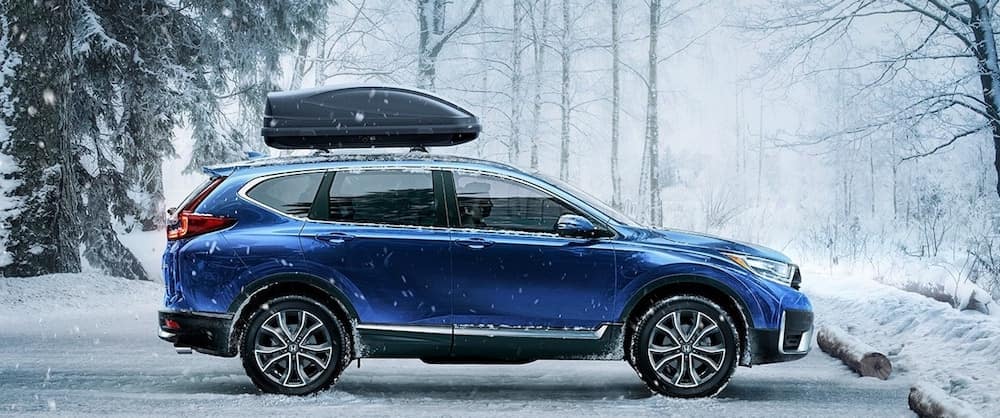
Benefits of choosing AWD in a Honda CR‑V
AWD adds confidence for many everyday drivers. It improves stability and traction in a range of conditions.
Benefits you can expect
- Better traction in rain and light snow.
- Improved stability on wet or gravel roads.
- Peace of mind when you face sudden slippery spots.
- Often paired with stability control and traction management for safer handling.
Does the Honda CR‑V have all‑wheel drive (AWD) if you want year‑round confidence? Yes—AWD helps most drivers feel safer in mixed weather without major handling compromises.

Limitations, fuel economy, and cost tradeoffs
AWD brings benefits but also some tradeoffs to consider.
Common limitations
- Slightly lower fuel efficiency compared to front‑wheel drive.
- More moving parts can mean higher maintenance costs over time.
- Not a substitute for winter tires in severe snow and ice.
- A bit more initial purchase cost on AWD trims.
Does the Honda CR‑V have all‑wheel drive (AWD) without impact on miles per gallon? No—expect a small MPG drop versus FWD. The gap varies by year and engine. If fuel cost matters most, compare EPA ratings for the exact CR‑V trim you’re considering.

Which trims and powertrains commonly include AWD
Trim and powertrain decisions directly affect whether a CR‑V has AWD.
Typical trim rules
- Entry trims often offer AWD as an upgrade.
- Mid and upper trims frequently give AWD at no extra cost or make it easier to add.
- Hybrid or e:HEV variants often integrate AWD mechanically or electrically, which can make AWD standard or more attractive.
Practical tip: When shopping, filter dealer listings for "AWD" or "all‑wheel drive" and verify VIN build sheets to confirm the drivetrain. Does the Honda CR‑V have all‑wheel drive (AWD) on high trims? Often yes, but always verify by model year and trim to be certain.

Maintenance, reliability, and ownership cost for AWD CR‑Vs
AWD systems are generally reliable on the CR‑V, but they add some service requirements.
Maintenance notes
- Regular fluid checks and scheduled service help longevity.
- AWD adds components: driveshafts, rear differential or electric motors (hybrids), and additional sensors.
- Repair costs can be higher if AWD components fail, but Honda parts and service are widely available.
Realistic expectation: AWD adds complexity, not fragility. With routine care, an AWD CR‑V can be as dependable as a FWD one. When you ask “Does the Honda CR‑V have all‑wheel drive (AWD)?” also ask about the car’s service history if buying used.

My experience: driving AWD Honda CR‑Vs in real life
I’ve driven CR‑Vs in rain, light snow, and on gravel roads. Here’s what I learned.
What I noticed
- AWD engages smoothly and avoids jerky transitions.
- The system improves confidence on wet ramps and snowy side streets.
- Fuel economy drops, but the tradeoff felt worth it for winter commuting.
- Winter tires combined with AWD gave the best real-world grip.
Advice from the road: If you live where winter lasts months or roads are often wet, opt for AWD. If winters are mild and you prioritize fuel economy, FWD can be fine. This is a balanced view based on hands‑on testing with multiple CR‑V model years.

Buying tips: new and used CR‑V AWD checklist
If AWD matters, use this checklist when shopping.
Before you buy
- Confirm AWD in the window sticker or VIN build sheet.
- Test drive in varied conditions if possible.
- Check service records for differential or AWD system work.
- Compare fuel economy differences between AWD and FWD trims.
- Factor in the price premium and potential resale benefits in snowy regions.
Does the Honda CR‑V have all‑wheel drive (AWD) that’s worth the cost? Often yes for buyers in wet or snowy climates, and it can boost resale in those areas.
Frequently Asked Questions of Does the Honda CR‑V have all-wheel drive (AWD)?
Does the Honda CR‑V have all‑wheel drive (AWD) as an option?
Yes. Many CR‑V trims offer AWD as an optional upgrade, depending on the model year and region.
Is AWD standard on any CR‑V models?
On some newer or hybrid CR‑V models, AWD is standard or more commonly available. Check the specific model year and trim for exact details.
How much does AWD reduce fuel economy in a CR‑V?
Typically a small amount—often a few MPG less than the comparable FWD trim. Exact numbers vary by year and engine.
Will AWD make my CR‑V handle deep snow and off‑road terrain?
AWD improves traction on snow and rough roads but is not a substitute for a dedicated 4×4. For deep snow or serious off‑roading, a vehicle with higher ground clearance and 4×4 gear is better.
What maintenance does AWD add to a CR‑V?
Expect extra checks for rear differentials, driveshafts, and AWD electronics. Regular service as listed in the owner’s manual keeps the system reliable.
Can I add AWD to a CR‑V that came as FWD?
Converting FWD to AWD is usually costly and impractical. It’s better to buy a CR‑V that was factory‑built with AWD.
Do hybrid CR‑Vs use a different AWD system?
Yes. Hybrid models often use electric motors or different layouts to provide rear traction, which can change performance and service needs. Always review the hybrid AWD system for the model year you’re considering.
Conclusion
Understanding whether the Honda CR‑V has all‑wheel drive (AWD) is simple: many CR‑V models do offer AWD, and hybrid variants often make it even more accessible. AWD gives real benefits for wet and light winter driving at the cost of a small fuel economy penalty and slightly higher maintenance complexity. If you drive in mixed or cold climates, AWD is worth serious consideration. If you prefer the highest fuel efficiency and rarely face slippery roads, FWD can still be a smart choice.
Takeaway: Decide based on your climate, driving needs, and budget. If AWD matters to you, verify the drivetrain on the exact CR‑V you plan to buy, take a test drive in marginal conditions if possible, and keep up with scheduled service for long‑term reliability. If this guide helped, leave a comment or share your CR‑V experience — I’d love to hear which setup worked best for you.