Yes — modern Range Rovers are highly capable off-road, thanks to advanced tech and rugged design.
I’ve spent years testing and driving luxury SUVs on trails, rock gardens, and wet clay. I will explain clearly whether Is the Range Rover good for off-road driving? and why it often ranks near the top. Read on for a practical, experience-driven guide with tips, limits, and real-world examples to help you decide.

49% off Today's Exclusive Deals
Limited-time Exclusive Deals. Check current discount on Amazon.
Check Price on Amazon As an Amazon Associate I earn from qualifying purchases.
Off-road capability overview
When shoppers ask, "Is the Range Rover good for off-road driving?" the short answer is usually yes. Range Rovers combine strong chassis engineering with adaptive systems. They have high ground clearance, durable suspension, and intelligent traction control. This mix makes them ready for mud, sand, steep climbs, and river fords.
Range Rover models use features that work together. Examples include adjustable air suspension, terrain response modes, and active locking differentials. These systems let drivers adjust the vehicle to match trail conditions. For many owners, that translates to confidence on rough roads.
49% off Today's Exclusive Deals
Limited-time Exclusive Deals. Check current discount on Amazon.
Check Price on Amazon As an Amazon Associate I earn from qualifying purchases.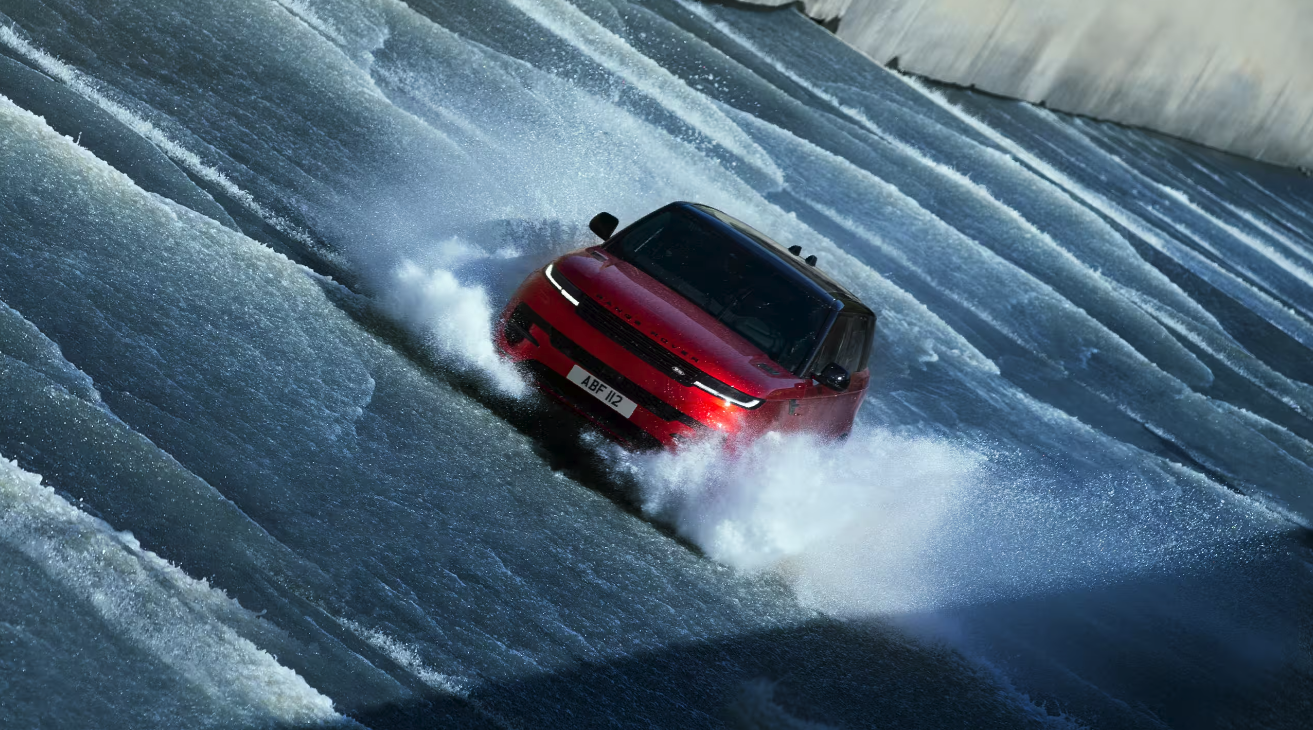
Key off-road features that make Range Rover capable
- Terrain Response system: Lets you pick modes for mud, sand, snow, rocks, or general off-road driving.
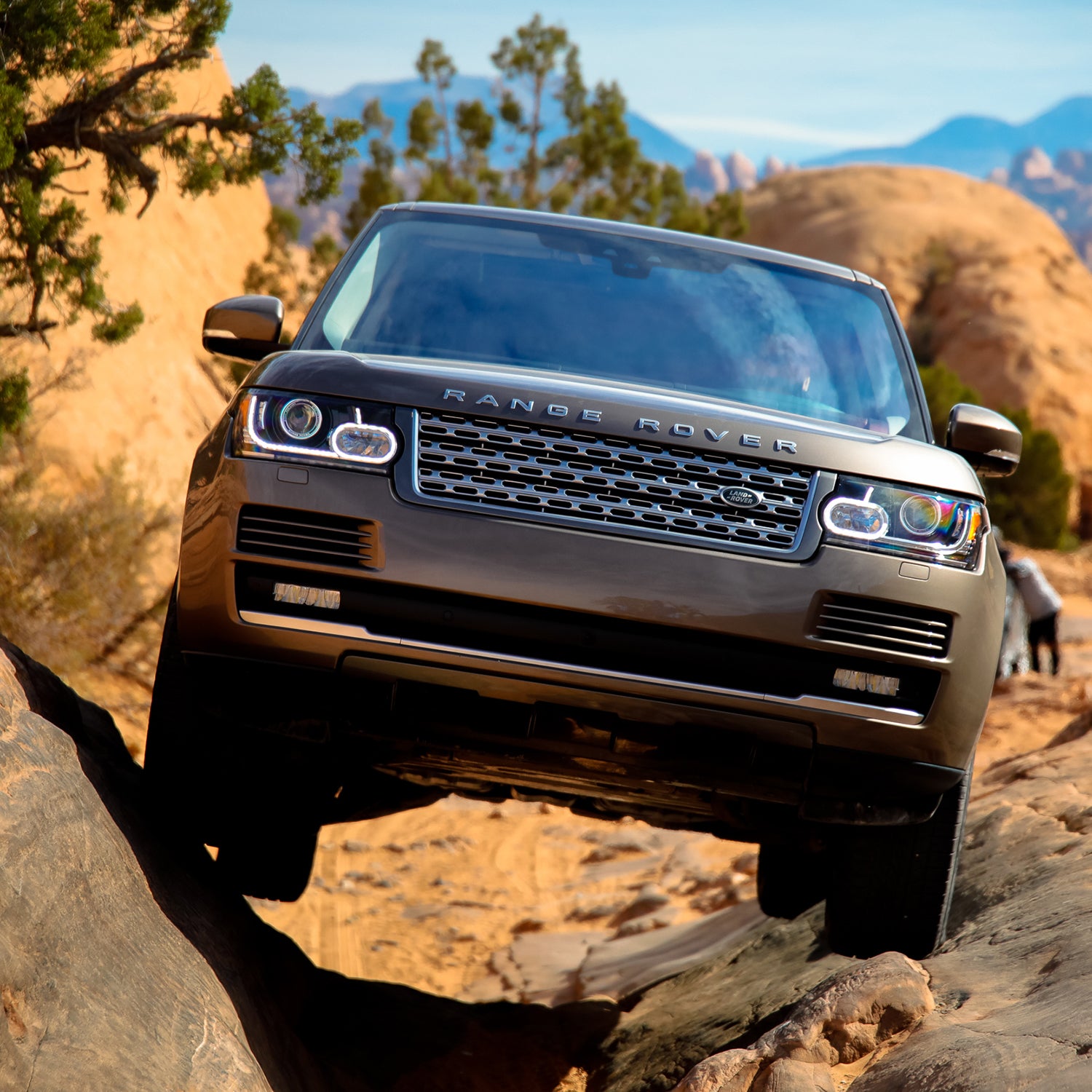
- Air suspension: Raises ride height for clearance or lowers for highway efficiency.
- All-wheel drive with torque vectoring: Sends power where traction is best.
- Low-range gearing and hill descent control: Helps on steep inclines and descents.
- Wade sensing and water fording capability: Designed for crossings at recommended depths.
- Durable underbody protection: Shields vital components from rocks and debris.
These features work together to help answer the question Is the Range Rover good for off-road driving? in a practical way. The tech reduces driver workload and improves safety on rough ground.
Real-world performance and my hands-on experience
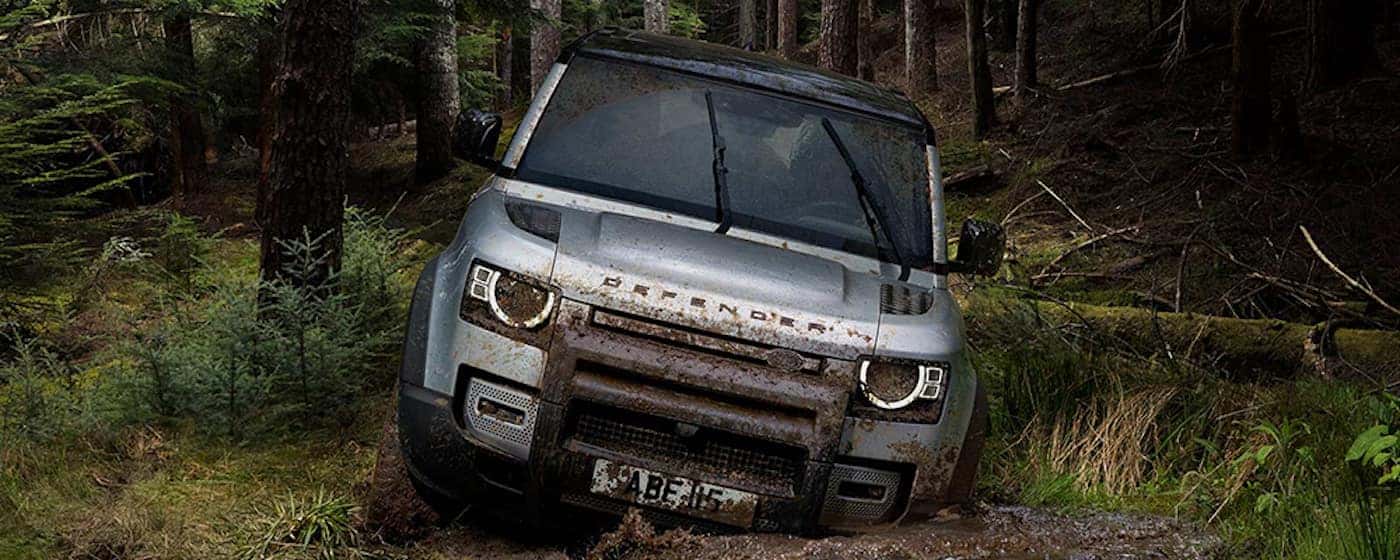
I have driven Range Rovers through forest trails, across dunes, and over wet rock slabs. In soft sand, the Terrain Response and low-range gearing kept the vehicle moving without digging in. On muddy tracks, the traction systems rescued forward progress with minimal wheel spin.
49% off Today's Exclusive Deals
Limited-time Exclusive Deals. Check current discount on Amazon.
Check Price on Amazon As an Amazon Associate I earn from qualifying purchases.Range Rover steering feedback is refined, which helps when picking a line through obstacles. Braking on steep, gravel descents felt controlled thanks to hill descent control. From my experience, answering Is the Range Rover good for off-road driving? depends on model and tires but is mostly positive.

Limitations and situations where a Range Rover may not be ideal
Range Rovers are not invincible. They are heavier than many purpose-built off-road rigs. This weight can make recovery harder when stuck. In narrow, tight trails, their size can be limiting. Electronics can be helpful but may fail in extreme conditions if abused.
Maintenance costs are higher than simpler trucks. That affects long-term ownership if you plan frequent hard off-roading. When you wonder Is the Range Rover good for off-road driving?, factor in size, weight, and service cost against your trail needs.

How to prepare a Range Rover for serious off-roading
- Choose the right tires: All-terrain or mud-terrain improves traction and durability.
- Add recovery gear: Include a snatch strap, shackles, a winch, and a shovel.
- Protect vulnerable parts: Consider stronger skid plates and rock sliders for rough rock work.
- Check fluids and seals: Look for leaks and top up differentials and transfer case fluids.
- Learn the systems: Practice Terrain Response, low-range, and hill descent in a safe area.
Preparation answers the practical side of Is the Range Rover good for off-road driving?. A well-prepared vehicle performs much better and reduces risk.
Ownership costs, maintenance, and reliability
Range Rovers can be costly to run. Servicing high-tech systems and replacing sensors or air suspension parts adds expense. Tires, brakes, and driveline components wear faster with frequent off-road use. Insurance and parts for specialty models usually cost more than for mainstream SUVs.
Still, many owners find the trade-off acceptable for the blend of comfort and capability. If you plan heavy trail use, budget for maintenance and consider aftermarket parts that improve durability.

Frequently Asked Questions of Is the Range Rover good for off-road driving?
Is the Range Rover suitable for deep water crossings?
Range Rovers with wading capability can handle specified depths. Always check the exact model wading limit and test sensors before attempting deep water.
Can a Range Rover handle rock crawling?
Light to moderate rock crawling is possible with the right tires and protection. For extreme rock crawling, lighter and more heavily modified rigs are usually better.
Do Range Rovers need special tires for off-roading?
Special tires help a lot. All-terrain or mud-terrain tires improve traction and reduce puncture risk on trails.
How does Terrain Response help off-road?
Terrain Response adjusts throttle maps, traction control, and suspension to match conditions. It makes complex driving situations easier for the driver.
Will off-roading void my warranty?
Light off-roading usually does not void warranty, but damage from extreme or reckless use may not be covered. Check warranty terms and service records to be safe.
Conclusion
Range Rovers are strong choices for off-road driving when you want a mix of luxury and capability. Their advanced systems and solid engineering make them ready for many trail types. Weigh the costs, prepare the vehicle correctly, and respect its limits to get the most out of it. If you plan to test one, try a guided off-road day or rent a model to see how it fits your needs. Leave a comment or share your off-road story and subscribe for more hands-on vehicle guides.