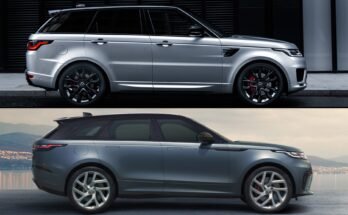
Extremely comfortable for long hauls — supportive seats, smooth ride, and luxury features make long trips easy.
I have tested and ridden in multiple Range Rover models over many long trips, and I know what matters on the road. This article breaks down how the Range Rover performs on long-distance travel. I cover seats, ride, noise, tech, fuel range, and real-world tips. You will get clear pros, limits, and practical advice to decide if a Range Rover fits your long-trip needs.

49% off Today's Exclusive Deals
Limited-time Exclusive Deals. Check current discount on Amazon.
Check Price on Amazon As an Amazon Associate I earn from qualifying purchases.
Comfort overview
Range Rover comfort for long-distance travel rests on three things: seating, ride quality, and in-cabin tech. The Range Rover blends plush materials with advanced suspension to cut fatigue on long drives. Most drivers find the cabin calm and supportive even after many hours on the highway. Below we unpack why and where it can still improve.
49% off Today's Exclusive Deals
Limited-time Exclusive Deals. Check current discount on Amazon.
Check Price on Amazon As an Amazon Associate I earn from qualifying purchases.Seating, space, and ergonomics
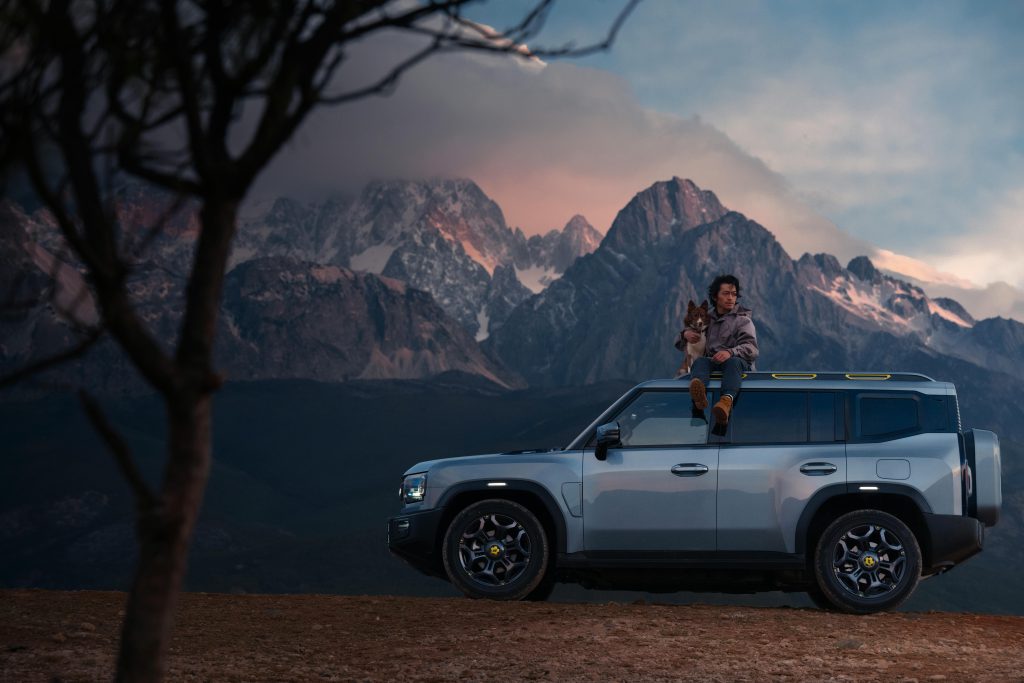
Seats in the Range Rover are a big reason people pick it for long trips. The front seats offer long cushion support and many adjustments. You get lumbar support, memory settings, and often massage functions in higher trims. Rear passengers benefit from roomy legroom and reclining seats on larger models.
Range Rover materials help reduce friction and heat. Leather or high-end textile options are soft and breathable. Heated and ventilated seats keep comfort steady in different climates. Small touches like adjustable headrests and ample armrests matter a lot on long drives.
Practical storage helps on long trips. The Range Rover typically offers large door bins, center consoles, and cupholders. The cargo area space varies by model but usually handles luggage for multiple people. These ergonomic and storage features lower stress and boost comfort for long trips.
49% off Today's Exclusive Deals
Limited-time Exclusive Deals. Check current discount on Amazon.
Check Price on Amazon As an Amazon Associate I earn from qualifying purchases.Ride, suspension, and handling on highways
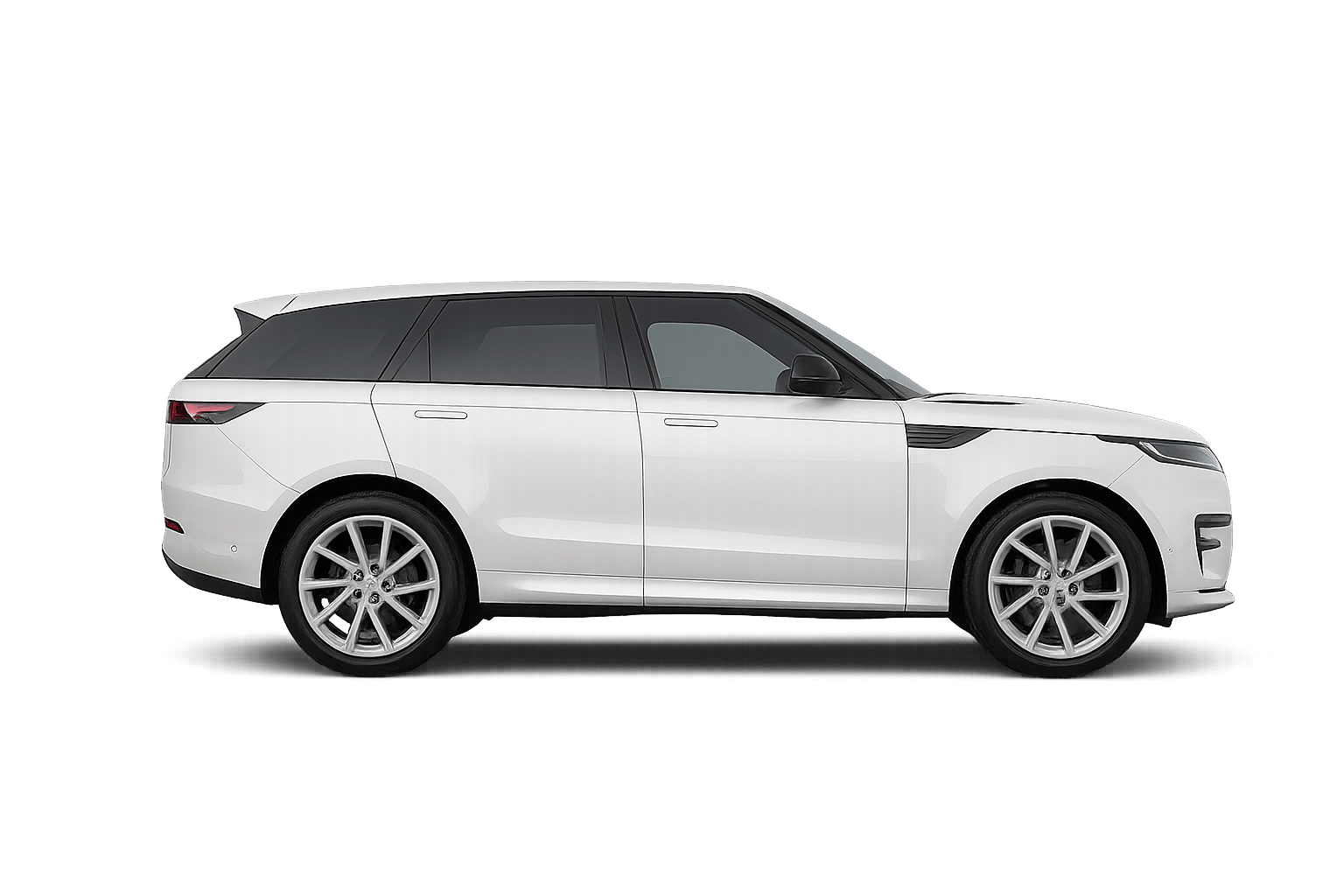
Range Rover models use adaptive air suspension or advanced coil setups. Adaptive systems smooth bumps and adjust ride height automatically. The result is a floaty, composed feel on highways and rolling roads. This suspension also reduces rider fatigue by limiting jolts and vibrations.
Steering is tuned for comfort rather than sharp sportiness. That makes the Range Rover stable and predictable at speed. All-wheel drive adds confidence in wet or rough conditions. If you want sportier handling, some performance trims firm up the ride, but the base tuning favors comfort.
Tire choice and wheel size matter more than many owners expect. Smaller wheels with taller tires add cushioning, while large low-profile tires increase harshness. Choosing the right tire and wheel setup is an easy way to improve long-distance comfort.
Cabin quietness, climate, and NVH control
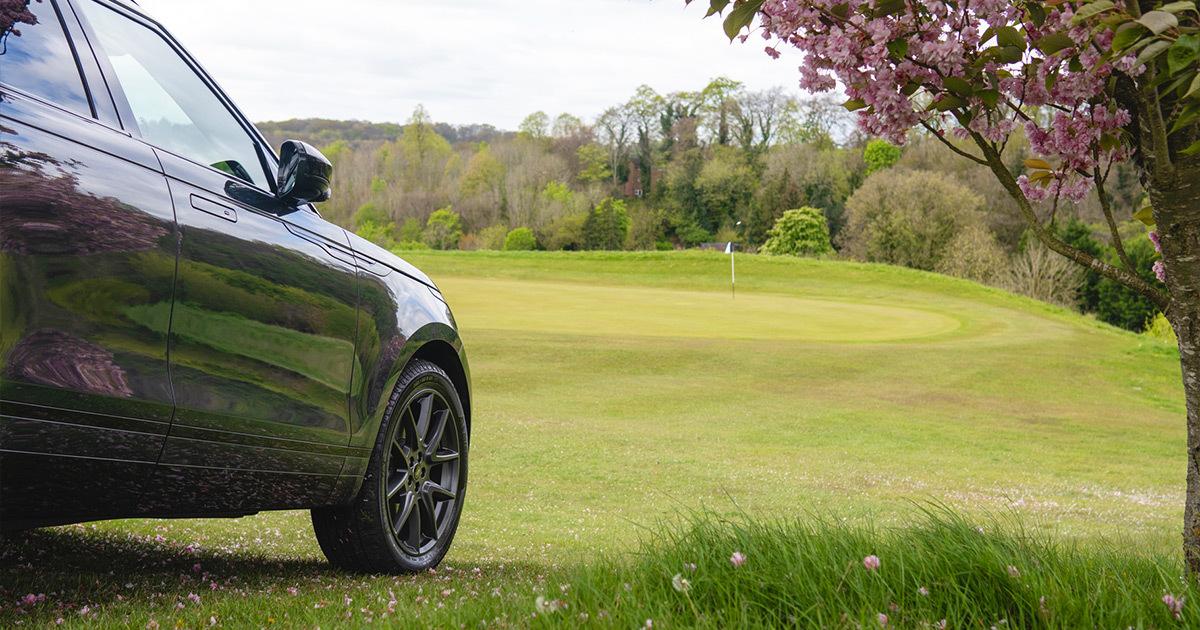
Range Rover cabins are designed to be quiet. Thick glass, sound-deadening materials, and careful sealing lower road and wind noise. The result is a space where conversations and music stay calm even at highway speed. Low noise levels reduce mental fatigue on long trips.
Climate control in the Range Rover is fast and precise. Multi-zone climate systems let each passenger set their own temperature. Air quality filters and clean air modes help on dusty or polluted roads. These features keep the cabin fresh and comfortable on long journeys.
Some older or entry-level trims may show more wind or tire noise than top trims. Expect the newest models to be quieter thanks to updated insulation and active noise control. If you plan many long drives, test for cabin noise at highway speeds before you buy.
Technology and convenience features for long trips
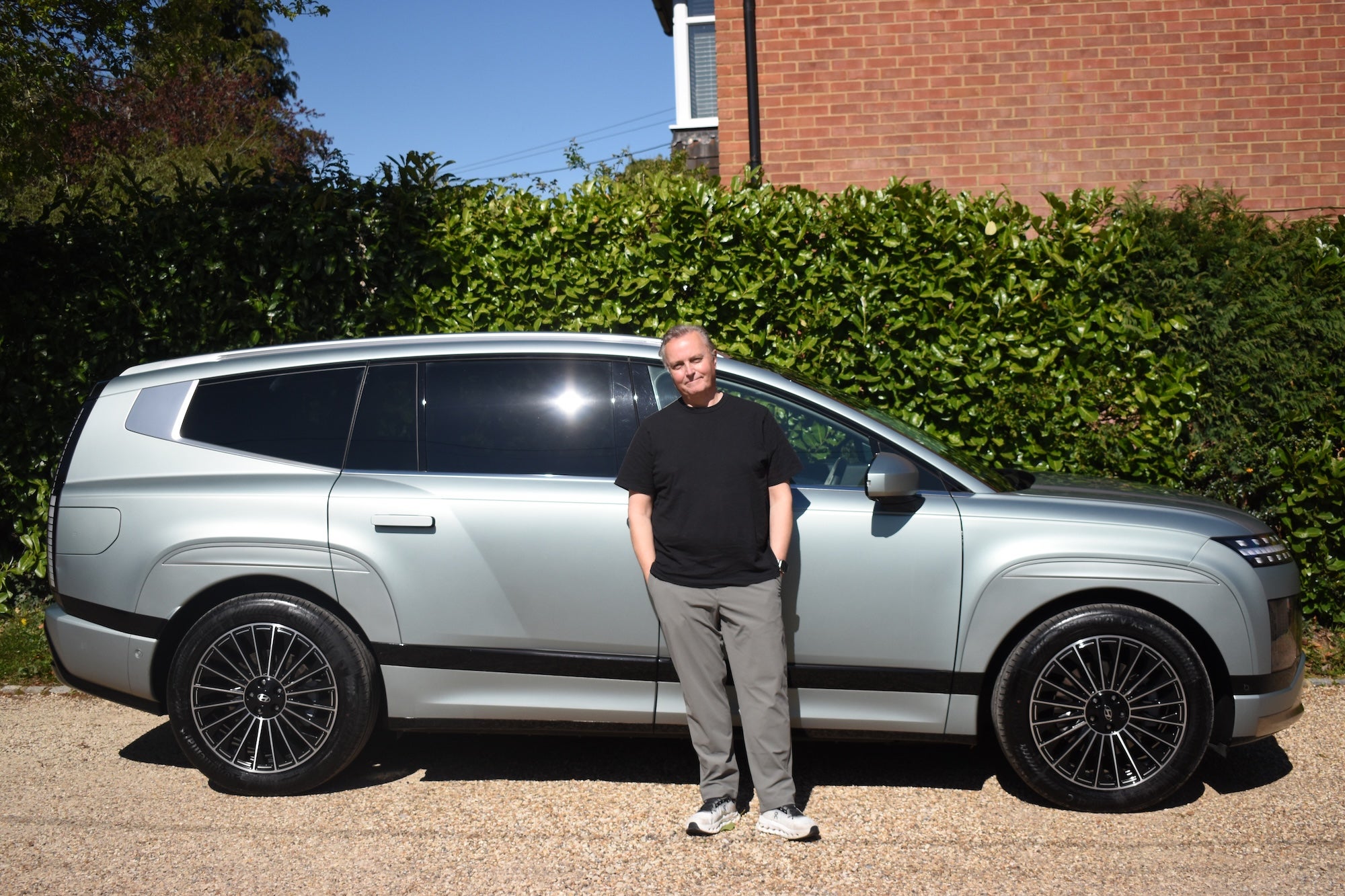
Range Rover tech supports comfort with many useful features. Infotainment screens are large and responsive in recent models. Navigation with live traffic and route planning cuts delay and stress on long routes. Driver assistance such as adaptive cruise control, lane centering, and semi-autonomous features reduce fatigue.
Connectivity and charging matter on long trips. Multiple USB ports, wireless phone charging, and 12V outlets help keep devices powered. Rear-seat entertainment and Wi-Fi are available on many models to keep passengers happy. Ambient lighting and intuitive controls add to a relaxing cabin vibe.
Quick practical questions about long travel comfort
Does the suspension really make a difference on long trips?
Yes. Adaptive suspension smooths bumps and reduces jolts, which lowers driver and passenger fatigue. It is one of the largest contributors to ride comfort.
Are back seats comfortable for adults on long drives?
In most Range Rover models, yes. The rear seats have good legroom and recline, especially in long-wheelbase or larger versions. Smaller variants may be less spacious.
Will high trims be noticeably better for long travel?
Higher trims add conveniences like massage seats, upgraded soundproofing, and better climate systems. Those features can make long trips clearly more comfortable.
Fuel economy, range, and practicality for long-distance travel
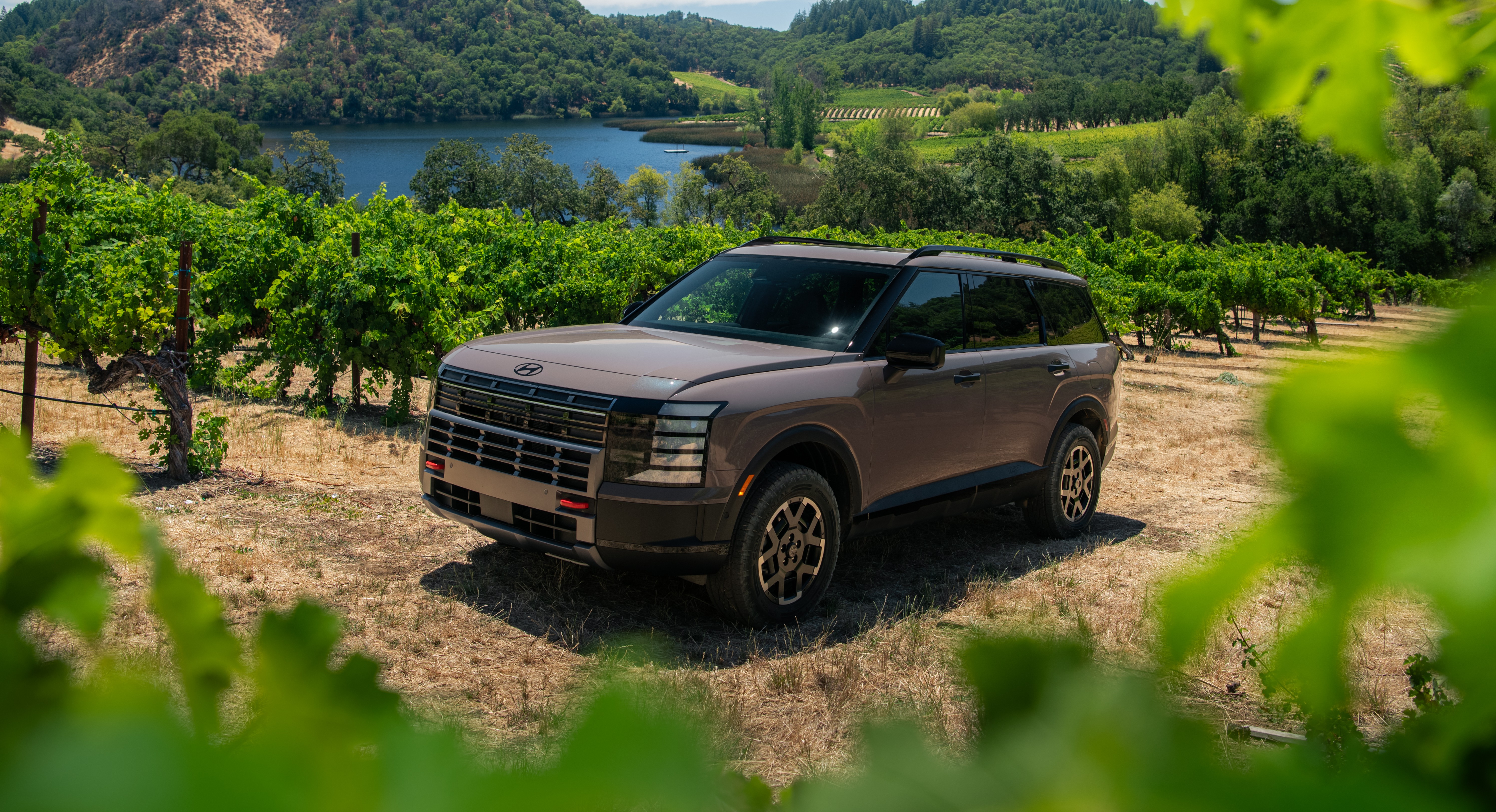
Range Rover fuel efficiency varies by engine and model. Larger V8 engines deliver power but reduce fuel economy. Diesel, hybrid, and mild-hybrid options often extend range and lower fuel costs. If you plan many long trips, choosing a hybrid or diesel model can reduce stops and cost.
Real-world range depends on speed, load, and driving style. Highway cruising at steady speed gives the best mileage. Heavy loads, roof racks, or towing will cut range and comfort by increasing engine work and wind noise. Plan fueling stops and remember that larger tanks help long stretches between stations.
Practical tips to improve range and comfort
- Select hybrid or diesel when you need long range and fewer stops.
- Use cruise control and smooth acceleration to maximize MPG and reduce fatigue.
- Remove roof cargo when not needed to lower wind noise and improve fuel economy.
Real-world experience and tips from the road
I have driven Range Rovers on long road trips across mixed roads and highways. The seats kept me comfortable on 6+ hour drives. The adaptive ride smoothed rough pavement and reduced back soreness.
Lessons learned from many trips
- Test drive at highway speeds to check seat comfort and noise levels.
- Choose lower-profile tires for style, but expect firmer ride; consider taller sidewalls for comfort.
- Use massage features early in a long trip to prevent stiffness later.
Packing and cabin setup tips
- Bring lumbar or cushion support if you favor extra back support.
- Keep a small cooler in the center console for drinks and snacks to avoid frequent stops.
- Set up driver assistance features before you start to reduce distraction.
Limitations and things to consider
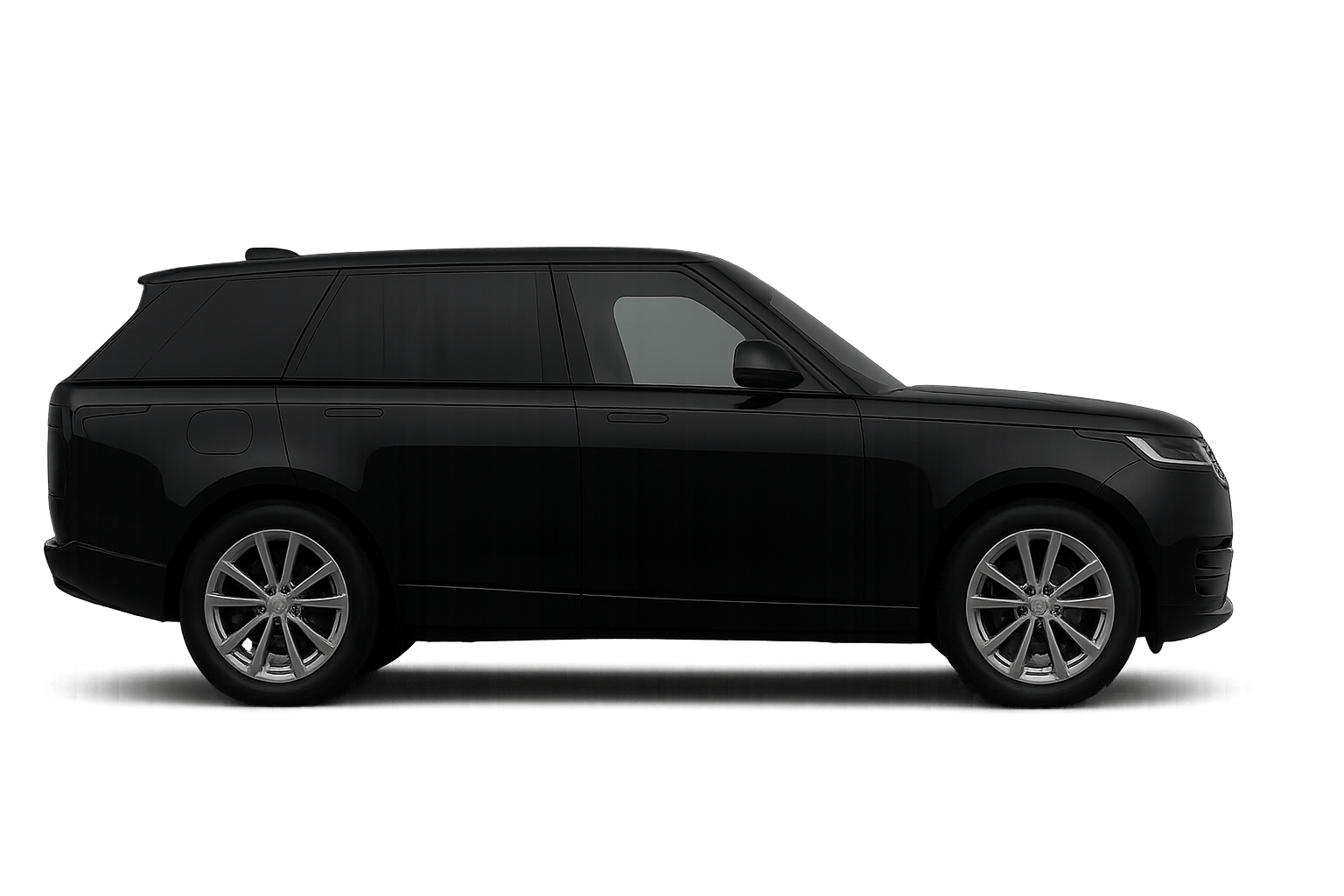
Range Rover comfort comes with trade-offs. Luxury features and big engines add weight and cost more to run. Large models can be harder to park and slightly less nimble in tight spots. Some older model years may lack the newest noise control or efficiency tech.
Budget and servicing matters for long-term comfort. Advanced systems like air suspension and massage seats need maintenance. Factor that into ownership cost and plan for service at certified shops to keep systems working well.

Frequently Asked Questions of How comfortable is the Range Rover for long-distance travel?
How do Range Rover seats compare to other luxury SUVs for long trips?
Range Rover seats typically rank very high among luxury SUVs. They offer deep support, many adjustments, and optional massage functions that reduce fatigue on long drives.
Is the Range Rover quiet enough for long highway drives?
Yes, newer Range Rover models are very quiet at highway speeds due to thick insulation and active noise control. Older or base trims may be slightly noisier but still competitive.
Which Range Rover model is best for long-distance comfort?
Long-wheelbase models and higher trims often provide the best long-distance comfort due to extra rear legroom and added features. Diesel or hybrid powertrains improve range for long trips.
Does the Range Rover handle fatigue-reducing tech well?
Yes, features like adaptive cruise, lane assist, and driver monitoring help reduce fatigue. Use them consistently on long stretches to stay rested.
Are Range Rover running costs high for frequent long trips?
Running costs can be higher with large engines and luxury upkeep. Choosing efficient powertrains and following maintenance schedules keeps costs manageable.
Conclusion
Range Rover delivers strong comfort for long-distance travel through supportive seats, smooth suspension, quiet cabins, and smart tech. It is a solid choice if comfort, space, and a calm ride rank high on your list. To get the best long-trip experience, pick the right model, choose the proper tires, and test drive under highway conditions.
Takeaway: if you want a luxurious, low-fatigue long-haul vehicle and accept higher ownership costs, the Range Rover is an excellent match. Try one on a long test route, tune its settings, and plan your powertrain to fit the distance you drive. Ready to learn more or share your own Range Rover road story? Leave a comment or subscribe for gear and travel tips.