Common issues include air spring leaks, failed compressors, bad sensors, and valve block faults.
I’ve spent years working on European SUVs and helping Range Rover owners diagnose tricky rides. This article clearly explains what are the common air suspension problems in Range Rover models? You’ll get simple definitions, real symptoms, step-by-step diagnostics, repair options, cost guidance, and hands-on tips from my experience so you can spot and fix problems faster.

49% off Today's Exclusive Deals
Limited-time Exclusive Deals. Check current discount on Amazon.
Check Price on Amazon As an Amazon Associate I earn from qualifying purchases.
Why air suspension matters on Range Rover models
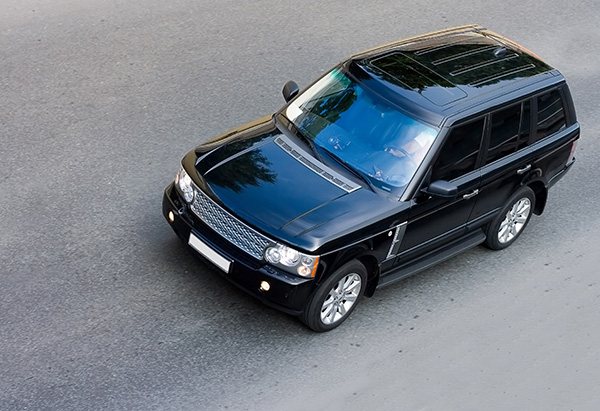
Air suspension gives Range Rover models a smooth ride, adjustable height, and off-road capability. The system uses airbags, a compressor, height sensors, and valves to control ride height and stiffness. Knowing what are the common air suspension problems in Range Rover models? helps you protect a costly system and keep your SUV performing as intended.
- Benefits of air suspension
- Smooth ride on pavement
- Automatic leveling under load
- Adjustable height for off-road or low garages
- Improved handling and comfort
49% off Today's Exclusive Deals
Limited-time Exclusive Deals. Check current discount on Amazon.
Check Price on Amazon As an Amazon Associate I earn from qualifying purchases.Common air suspension problems in Range Rover models
Below are the faults you will see most often. Each item covers symptoms, causes, quick checks, and repair options. Asking "What are the common air suspension problems in Range Rover models?" should point you right to these failures.
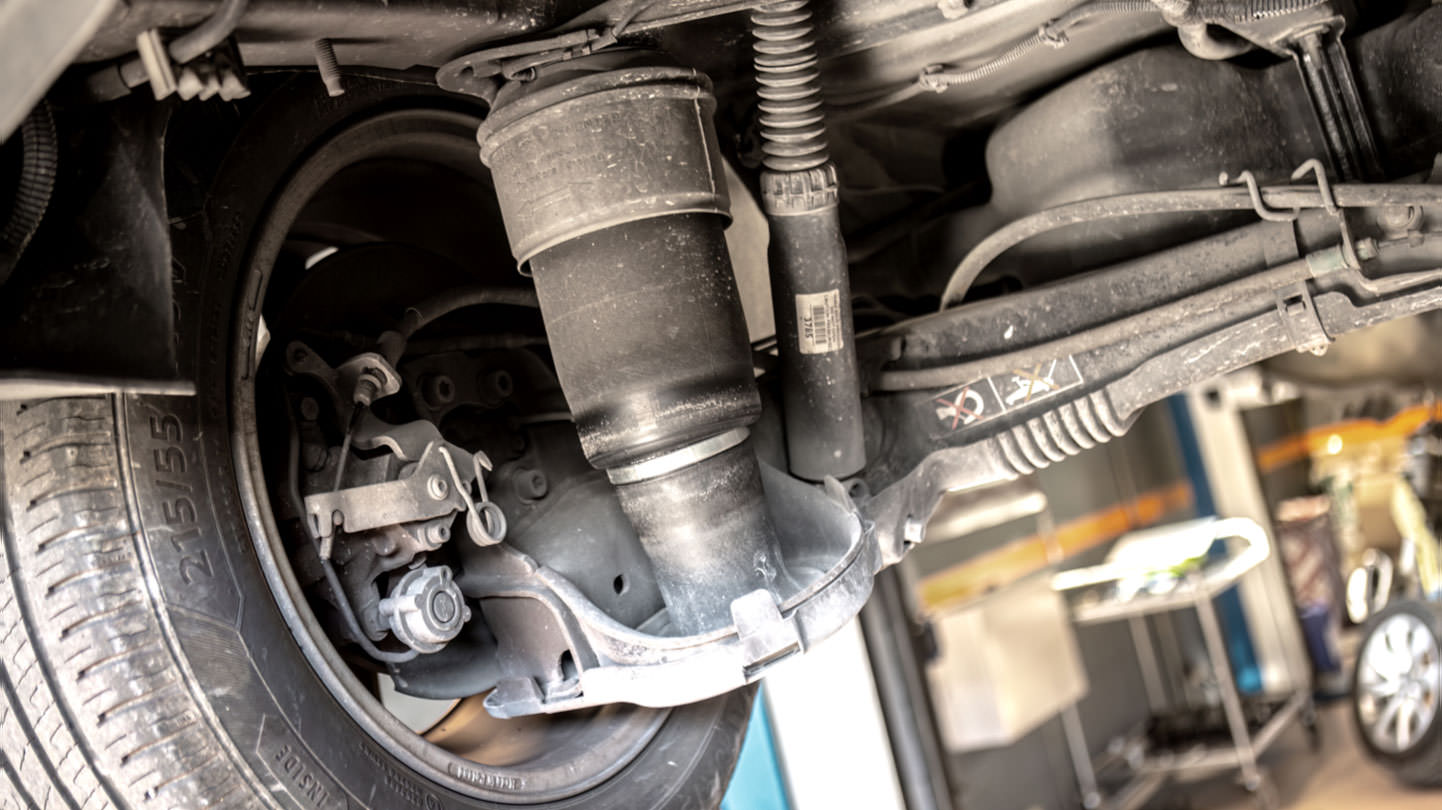
Air spring leaks
- Symptoms
- Vehicle leans to one side or sags at one corner.
- Compressor runs frequently to try to maintain height.
- Common causes
- Rubber aging, dry rot, or punctures from road debris.
- Quick checks
- Visually inspect airbag bellows for cracks or tears.
- Spray soapy water and watch for bubbles while system pressurizes.
- Repair options
- Replace the air spring (OEM preferred for fit and longevity).
- Patch only as a temporary fix.
Compressor failure
- Symptoms
- Repeated level warnings.
- Loud or continuous compressor operation.
- No air pressure build-up.
- Common causes
- Moisture and dirt causing motor or internal wear.
- Overwork due to undetected leaks.
- Quick checks
- Listen under the vehicle for compressor noise.
- Check fuse and power to compressor.
- Repair options
- Replace or rebuild compressor.
- Replace dryer/desiccant if present.
Height sensor faults
49% off Today's Exclusive Deals
Limited-time Exclusive Deals. Check current discount on Amazon.
Check Price on Amazon As an Amazon Associate I earn from qualifying purchases.- Symptoms
- Incorrect ride height or error lights in the dash.
- Intermittent leveling issues.
- Common causes
- Broken or seized link arms.
- Wiring or connector corrosion.
- Quick checks
- Inspect sensor linkages and wiring for movement.
- Scan for related fault codes with a diagnostic tool.
- Repair options
- Replace sensors or repair linkages.
- Clean and secure connectors.
Valve block and solenoid problems
- Symptoms
- Unable to raise or lower one or more corners.
- Uneven adjustment speeds.
- Common causes
- Valve block leaks, solenoid sticking, or internal failure.
- Quick checks
- Listen for valve clicking when system changes height.
- Use diagnostic tool to actuate valves if available.
- Repair options
- Replace valve block or solenoid assembly.
- Some valve blocks can be rebuilt professionally.
Air line and connector damage
- Symptoms
- Sudden drop in one corner after hitting a pothole.
- Intermittent leaks that worsen over time.
- Common causes
- Chafed or fractured lines from suspension movement.
- Damaged quick-connect fittings.
- Quick checks
- Visual inspection along chassis rails and control arms.
- Pressure test system to find leak points.
- Repair options
- Replace damaged lines and secure routing.
- Replace seals on fittings.
Control module and software issues
- Symptoms
- False warnings, improper leveling, or no communication with the air suspension.
- Common causes
- Faulty control unit, corrupted software, or failed internal components.
- Quick checks
- Scan for control module codes.
- Attempt a software update or recalibration at a dealer or specialist.
- Repair options
- Reflash or replace the control module.
- Relearn calibration routines after repairs.
Other related failures
- Corrosion of mounting hardware
- Failed dampers/struts integrated with air springs
- Moisture damage to dryer or desiccant leading to internal corrosion
What are the common air suspension problems in Range Rover models? Mostly they stem from age, moisture, and undetected leaks that overwork the compressor and electronics. Early detection keeps repair costs manageable.

Model-specific tendencies and affected years
Different Range Rover variants share components, but some patterns stand out. When considering what are the common air suspension problems in Range Rover models? also think about model and year trends.
Range Rover (full-size)
- Common in older models with long wheelbases.
- Air spring dry rot and compressor fatigue are frequent.
Range Rover Sport
- Heavy use and sporty driving expose compressors and valve blocks.
- Early Sport models show more sensor and linkage wear.
Range Rover Evoque and Velar
- Compact chassis can mean tighter routing for air lines. Damage from road debris is common.
- Some early production runs reported valve block quirks.
Land Rover Discovery and LR4
- Discovery models often see frequent load changes. This can speed wear on sensors and compressors.
- LR4 older models face air spring and valve block issues.
Model year notes
- Vehicles over 6–8 years old commonly show rubber air spring wear.
- High-mileage compressors and valve blocks typically fail after repeated minor leaks.
What are the common air suspension problems in Range Rover models? The answer can shift by model and year, so always check service histories and recalls for your specific vehicle.
Diagnosis and troubleshooting steps
Follow these steps to narrow down issues. Keep safety in mind and lift the vehicle only on proper supports.
- Visual inspection
- Check for obvious tears, chafing, and disconnected fittings on each air spring.
- Inspect wiring and sensor linkages for corrosion or breaks.
- Listen and observe
- Start the car and command a height change. Listen for compressor activity and valve clicks.
- Note any odd noises or long run-times.
- Use diagnostics
- Scan fault codes with a capable OBD-II tool that reads suspension modules.
- Use live data to watch sensor values during height changes.
- Pressure and leak tests
- Use soapy water or an electronic leak detector to pinpoint leaks.
- Isolate components by depressurizing and testing sections.
- Electrical checks
- Verify power, ground, and relay operation for the compressor circuit.
- Check continuity at sensor connectors.
PAA-style questions
Q: Can I drive with a bad air spring?
A: Short trips are possible but not advisable. Driving may damage the compressor and other components.
Q: How long does a Range Rover air compressor last?
A: Typically 5–10 years depending on usage and leaks. Repeated running shortens its life.
Q: Will replacing one air spring fix sagging?
A: Only if the compressor and valves are healthy. Often multiple parts need attention.
What are the common air suspension problems in Range Rover models? Use this checklist to find the root cause instead of treating symptoms.

Repair options, costs, and when to replace
Repair choices vary by the failed part. Below are typical options and ballpark costs. Prices can vary widely by region, parts brand, and labor rates.
Air spring replacement
- Cost
- Parts: $150–$500 per corner (aftermarket vs OEM differences).
- Labor: 1–3 hours depending on access.
- Recommendation
- Replace in pairs on the same axle to keep ride uniform.
Compressor replacement
- Cost
- Parts: $400–$1,200.
- Labor: 1–3 hours.
- Recommendation
- Replace dryer/desiccant and check valve block when replacing the compressor.
Valve block replacement
- Cost
- Parts: $300–$1,000.
- Labor: 1–2 hours.
- Recommendation
- Replace if internal leaks are confirmed.
Sensors and linkages
- Cost
- Parts: $50–$300 each.
- Labor: 0.5–2 hours.
- Recommendation
- Replace damaged linkages promptly to avoid false readings.
Control module
- Cost
- Parts: $400–$1,500.
- Labor: variable; may need dealer-level programming.
When to replace vs repair
- Replace when damage is irreversible, or repair costs approach replacement cost.
- Repair only for temporary or low-cost fixes like seal replacements.
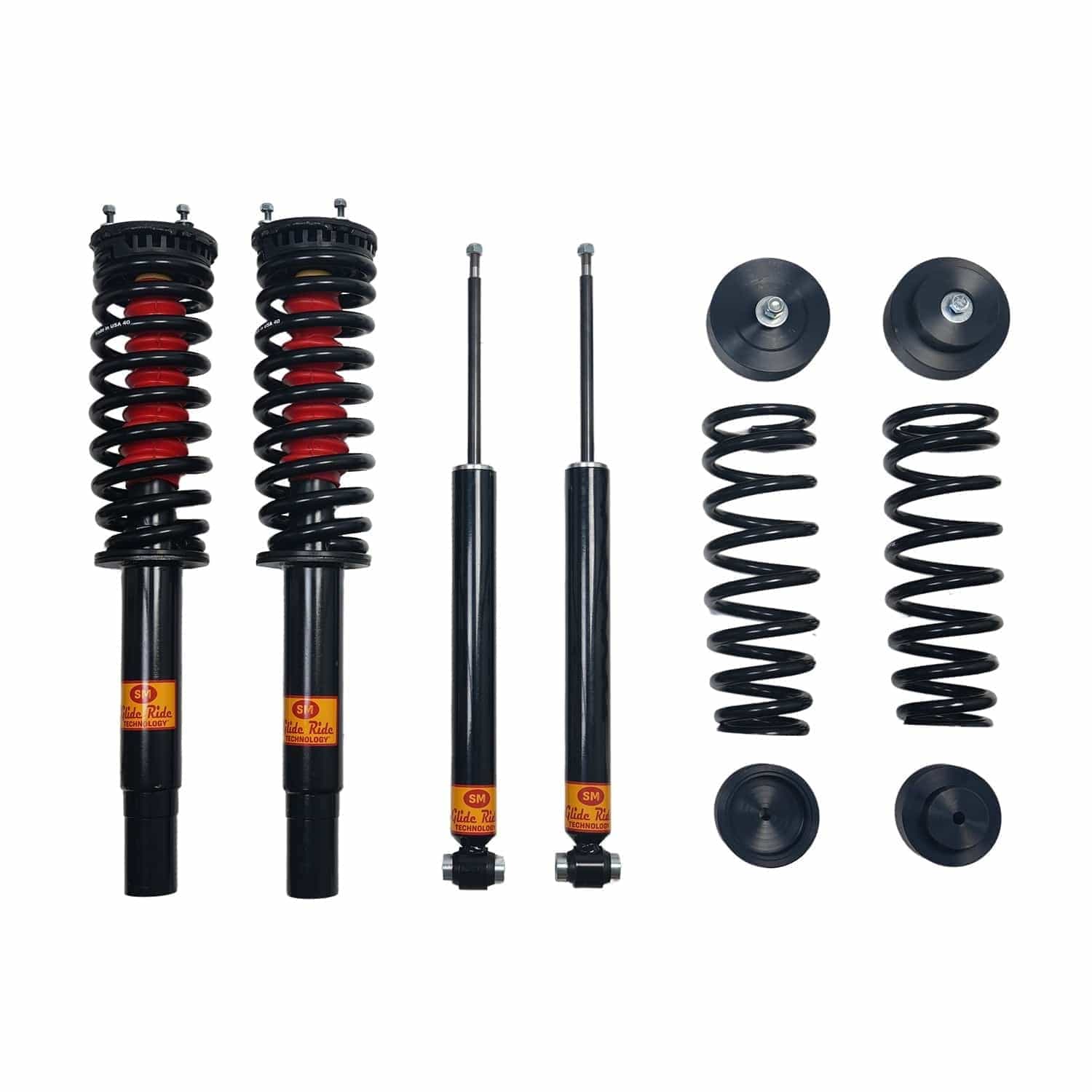
- Consider lifetime warranties from reputable suppliers for major parts.
Practical tip from my experience
- Replacing a single component while ignoring the rest often leads to repeat failures. Inspect compressor, dryer, valves, and fittings together. This reduces call-backs and saves money long term.
What are the common air suspension problems in Range Rover models? Expect repair costs to climb if multiple system parts are worn, so plan for a full-system evaluation.

Preventive maintenance and owner tips
Small habits reduce the chance of big failures. These tips reflect hands-on work and service observations.
-
Regular inspections
- Check air springs, lines, and connectors every oil change.
- Look for dry rot before small cracks become leaks.
-
Keep moisture out
- Replace dryers or desiccants as recommended.
- Store vehicles in dry places to avoid persistent moisture exposure.
-
Fix leaks fast
- A small leak causes the compressor to run more and fail sooner. Address leaks quickly.
-
Use quality parts
- OEM or high-quality aftermarket parts last longer and fit better.
- Cheap parts can cause repeat work and higher overall cost.
-
Calibration after repair
- Always recalibrate ride height with a diagnostic tool after replacing sensors or mechanical parts.
Personal experience note
- I once worked on a Sport where the compressor failed because a tiny leak went unnoticed for months. Replacing the leaking air line and compressor together stopped repeated failures. Treat the system as a whole.
What are the common air suspension problems in Range Rover models? Prevention and system-wide thinking cut costs and downtime.
Frequently Asked Questions
How do I know if my Range Rover has air suspension problems?
Look for uneven ride height, warning lights, or the compressor running often. Listen for hissing or compressor noise and inspect air springs for visible damage.
Can I drive a short distance with a leaking air spring?
You can drive a short distance if needed, but avoid prolonged driving. A leaking spring forces the compressor to run and can cause further damage.
Are aftermarket air suspension parts reliable?
Quality aftermarket parts can be reliable and cheaper. Choose reputable brands and check for warranties; low-cost parts often fail sooner.
How much does it cost to fix air suspension on a Range Rover?
Costs vary by failed part: $150–$500 per air spring, $400–$1,200 for compressors, and $300–$1,000 for valve blocks. Labor and diagnostics add to the total.
Will fixing one part stop recurring issues?
Not always. Fixing one component helps only if other parts are healthy. Inspect the entire system to prevent future failures.
How often should I inspect the air suspension?
Inspect at every major service or every 6–12 months, especially if the vehicle is older than five years. Early checks catch wear before failure.
Conclusion
Air suspension gives Range Rover models comfort and capability, but it adds complexity. The most common failures are air spring leaks, compressor wear, sensor faults, and valve block issues. Regular inspections, quick leak repairs, and using quality parts reduce failures and save money. Start by diagnosing the root cause, not just treating symptoms, and consider a full-system check when a major component is replaced. If you found this helpful, check your vehicle, ask questions in the comments, or subscribe for maintenance guides and repair tips.