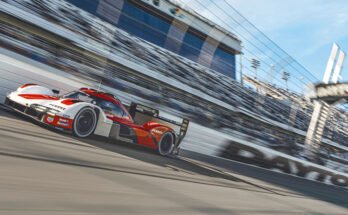
Porsche developed the 963 to win top-class endurance races and advance hybrid race technology.
I’ve covered endurance racing for years and worked with teams in the paddock. In this article I explain why Porsche developed the 963 for endurance racing, the rule and market forces that shaped it, and the technical goals behind the car. You’ll get clear reasons, real-world examples, and practical takeaways for fans and professionals alike. Read on to understand the full picture.

49% off Today's Exclusive Deals
Limited-time Exclusive Deals. Check current discount on Amazon.
Check Price on Amazon As an Amazon Associate I earn from qualifying purchases.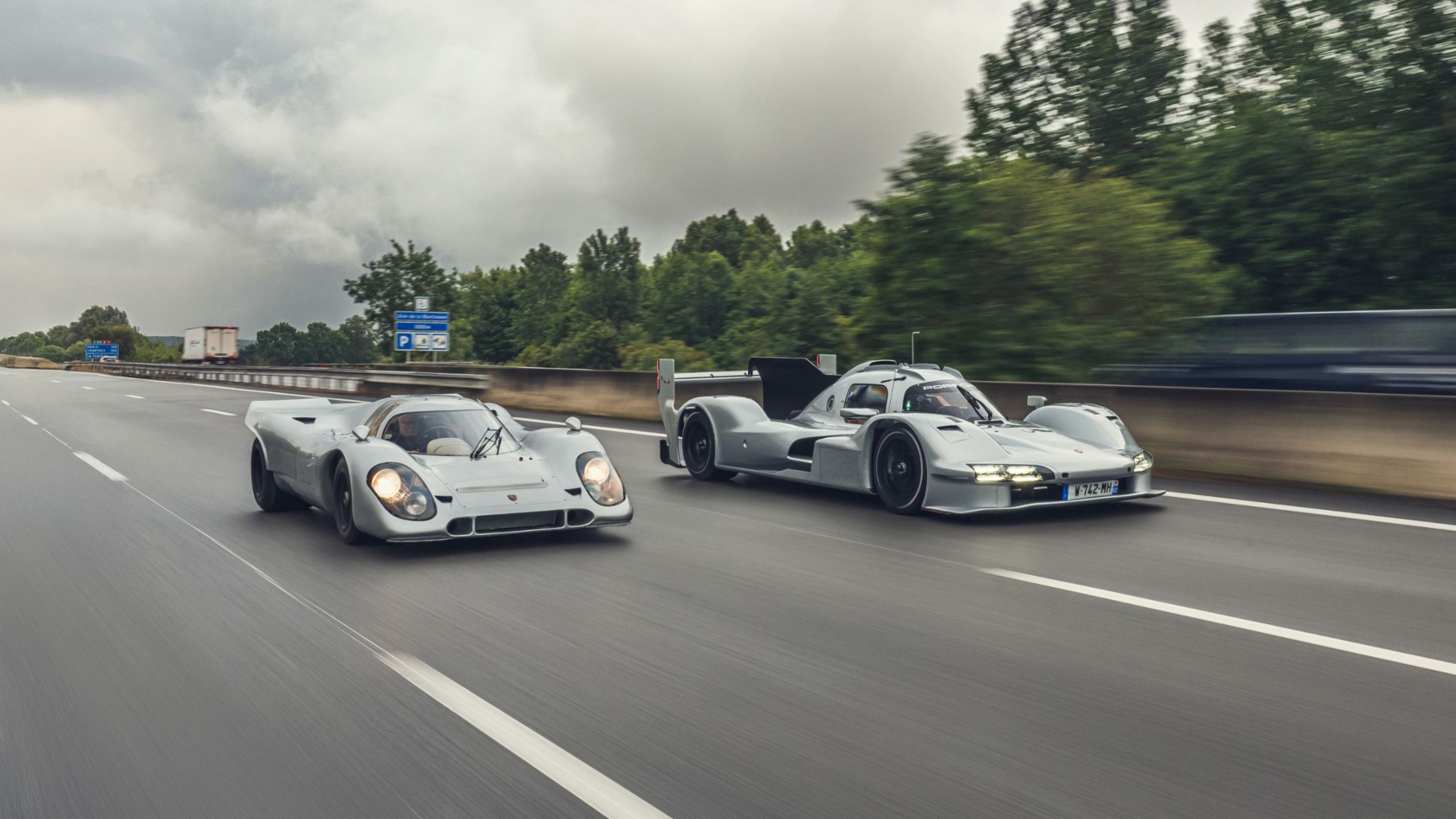
Background: Porsche legacy and why did Porsche develop the 963 for endurance racing?
Porsche has a deep history in endurance racing. The brand has long chased wins at Le Mans, Daytona, and Sebring. Why did Porsche develop the 963 for endurance racing? The answer sits at the mix of heritage, competition, and new global rules that let manufacturers race similar cars across series.
Porsche saw a chance to return with a top-tier prototype. The new rules allowed factory teams to fight in IMSA and the World Endurance Championship. Porsche wanted a single car that could win in both places. This gave the 963 a clear mission from day one: global endurance success.
49% off Today's Exclusive Deals
Limited-time Exclusive Deals. Check current discount on Amazon.
Check Price on Amazon As an Amazon Associate I earn from qualifying purchases.
Regulations and the LMDh pathway: why did Porsche develop the 963 for endurance racing?
New global rules created the LMDh class. LMDh lets manufacturers use a common hybrid system while designing their own chassis and bodywork. Why did Porsche develop the 963 for endurance racing? Because LMDh offered lower cost, shared tech, and a straight route to both IMSA and WEC top classes.
Key regulatory advantages:
- Cost control through spec hybrid components.
- Interseries compatibility between IMSA and WEC.
- Opportunities to showcase hybrid tech at top events.
These rule changes made the 963 viable. Porsche could build one car for global endurance racing. That efficiency is a strong reason behind the program.
49% off Today's Exclusive Deals
Limited-time Exclusive Deals. Check current discount on Amazon.
Check Price on Amazon As an Amazon Associate I earn from qualifying purchases.
Technical goals: performance, hybrid tech, and reliability — why did Porsche develop the 963 for endurance racing?
Porsche aimed to combine speed, efficiency, and durability. The 963 uses a hybrid system paired with a Porsche-designed engine. Why did Porsche develop the 963 for endurance racing? To push hybrid race tech and to field a car that can race 24 hours at speed.
Technical priorities included:
- Hybrid integration for energy recovery and boost.
- Robust cooling and durability for long stints.
- Aerodynamics tuned for both Le Mans and sprint tracks.
- Serviceability for quick pit stops.
The focus was clear. Win races and gather data to improve both race and road car tech.
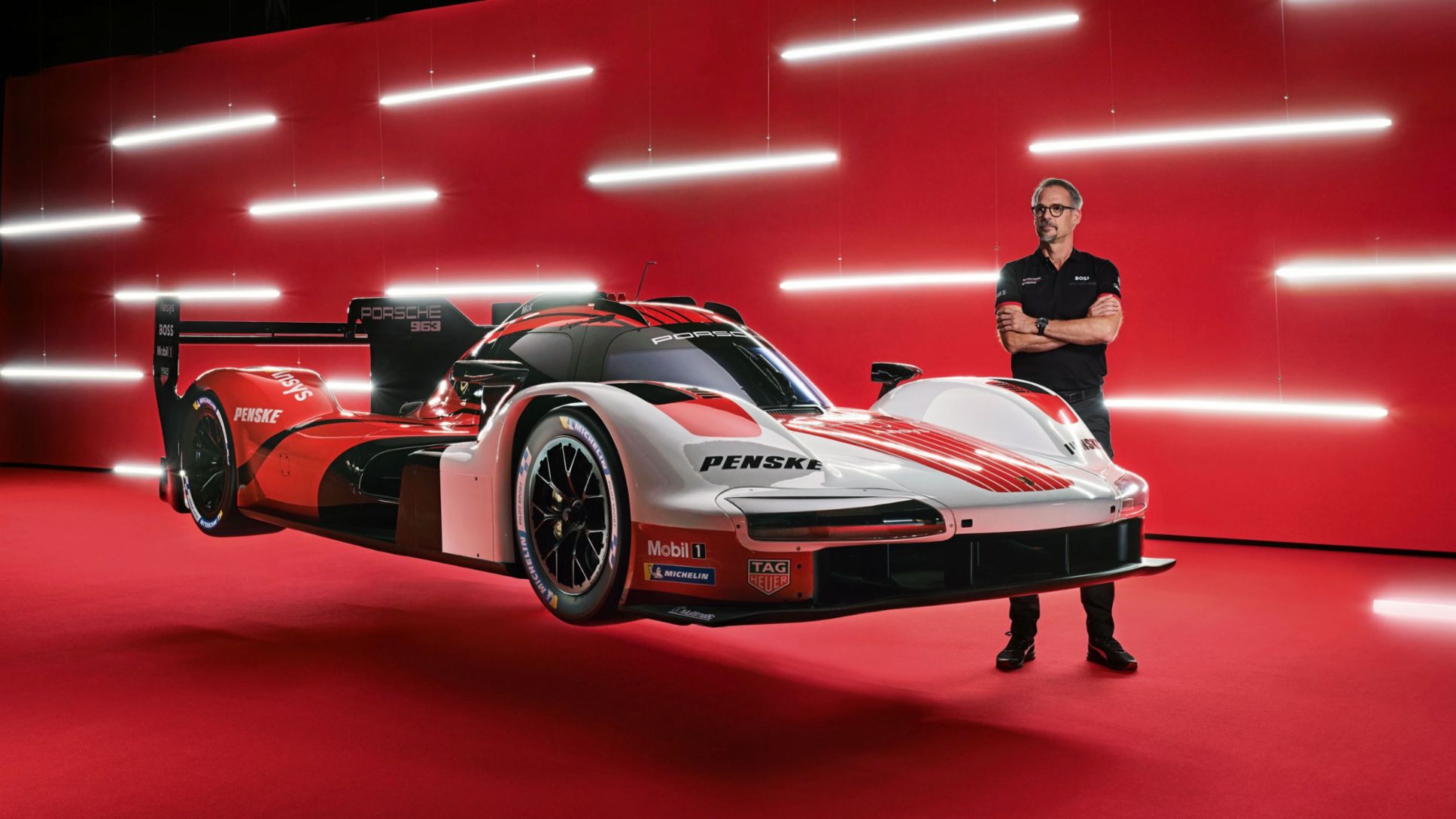
Strategic reasons: brand image, customer racing, and why did Porsche develop the 963 for endurance racing?
Beyond winning, the program serves brand strategy. Why did Porsche develop the 963 for endurance racing? To protect racing heritage, attract customers, and show tech leadership to buyers.
Strategic benefits:
- Brand halo effect from global endurance success.
- Tech transfer to road car programs, especially hybrid systems.
- Customer and GT team interest driven by factory presence.
- Marketing reach across multiple continents and media.
A factory prototype program also stabilizes the brand’s motorsport pipeline. It keeps engineers sharp and delivers stories that sell cars.
Development process and testing: practical steps Porsche took and why did Porsche develop the 963 for endurance racing?
Design and testing were intense. Why did Porsche develop the 963 for endurance racing? Because the car needed to prove itself under race loads before being trusted in 24-hour events.
Development steps included:
- Wind tunnel and CFD work for aero balance.
- Rig tests for durability and crash safety.
- Long endurance runs at tracks like the Nurburgring and Daytona.
- Iterative software and hybrid control mapping.
From my trackside visits, I saw a strong test cadence. Engineers logged long runs and made small, rapid updates. That approach cuts risks for race day.
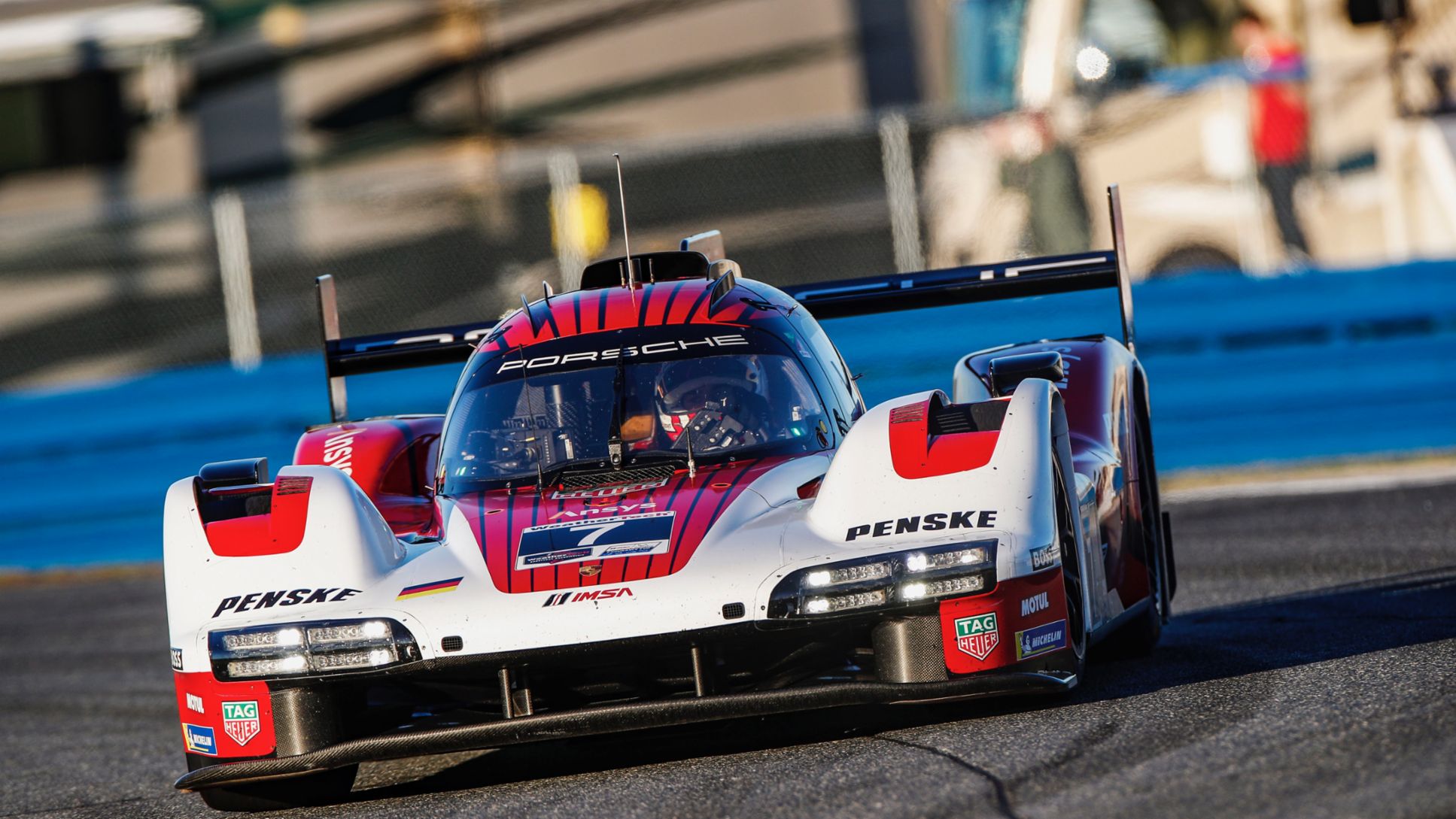
Competition and market context: why did Porsche develop the 963 for endurance racing?
The field evolved fast. Competitors built cars under similar rules. Why did Porsche develop the 963 for endurance racing? To match rivals and to compete for overall wins against both privateers and other factory teams.
Market forces at play:
- Rival manufacturers moving into LMDh and LMH.
- Media and sponsor value tied to top-class victories.
- Fan demand for compelling factory rivalries.
Porsche’s move kept the brand relevant in top-tier prototype racing.
Benefits, limitations, and lessons learned: why did Porsche develop the 963 for endurance racing?
Benefits are clear. The 963 delivers hybrid data, global exposure, and a modern race platform. Why did Porsche develop the 963 for endurance racing? To build a platform for long-term competition and tech progress.
Limitations and lessons:
- Hybrid complexity adds cost and integration work.
- Early reliability issues are common in new programs.
- Balance of performance (BoP) and rule changes can alter competitiveness.
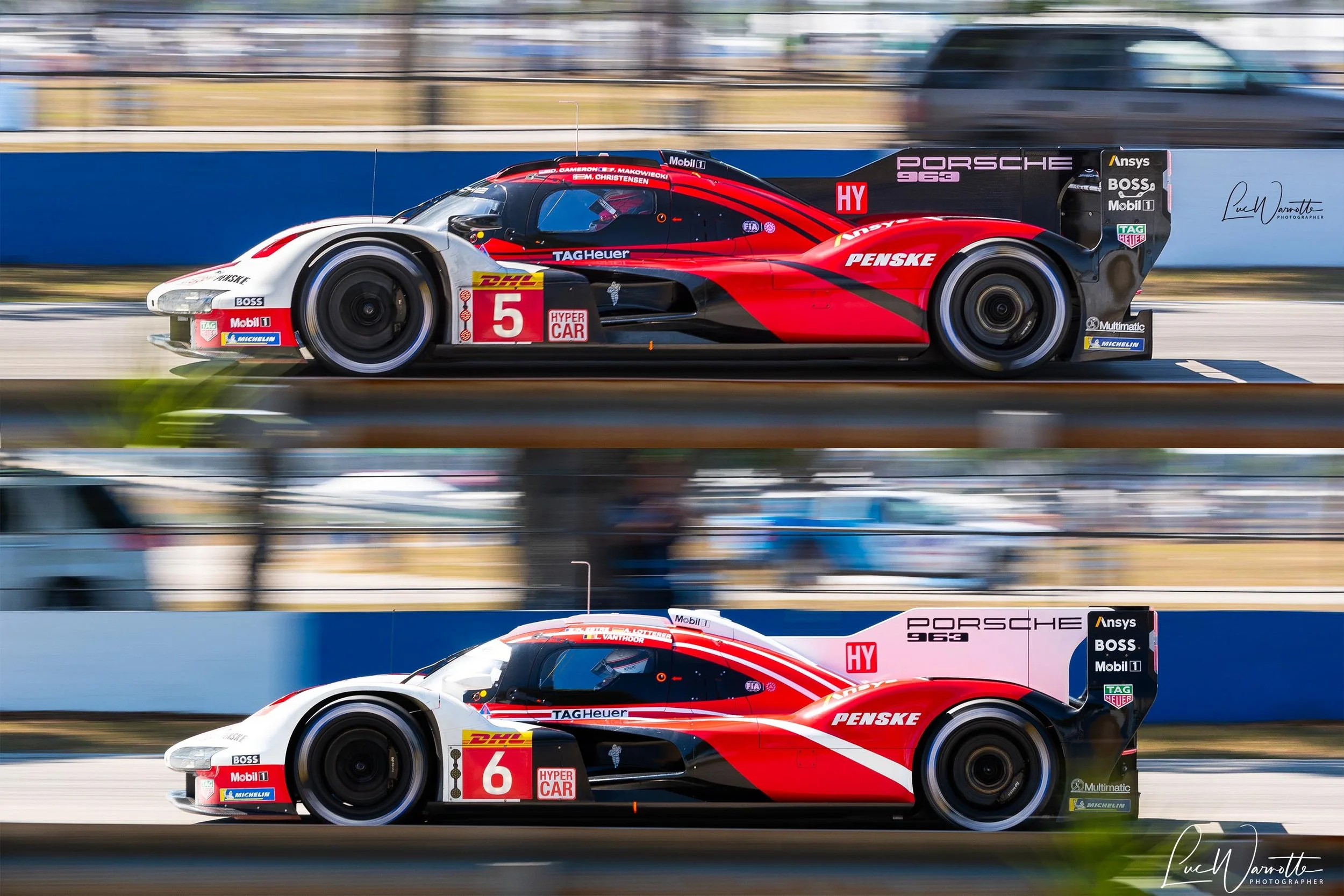
From experience, patience and iterative fixes win long races. Expect teething problems, then steady gains.
Personal insight: what I learned covering the 963 program
I’ve spent time in paddocks and in tech briefings. I’ve seen engineers make small changes that matter. Why did Porsche develop the 963 for endurance racing? Because winning endurance races is a long-term investment, not a quick marketing stunt.
Real-world takeaways:
- Factory programs are about data and people as much as parts.
- Reliability over raw power wins many races.
- Clear rules and shared components let engineers focus on key gains.
If you follow the season, watch how the car improves race by race. That tells the fuller story.
Quick questions readers ask (PAA-style)
How does the 963 differ from past Porsche prototypes?
The 963 uses a modern hybrid system and an LMDh design. It merges a spec hybrid unit with a Porsche-designed chassis and body.
Will Porsche share tech from the 963 with road cars?
Yes. Racing helps refine hybrid control, cooling, and durability. Those learnings often influence future production models.
Is the 963 built for Le Mans only?
No. The 963 is designed for both IMSA and World Endurance Championship races. It’s meant to race globally.
Frequently Asked Questions of Why did Porsche develop the 963 for endurance racing?
What was the main reason Porsche developed the 963 for endurance racing?
The main reason was to field a competitive global prototype that fits LMDh rules. Porsche wanted a single car to race in IMSA and the WEC for top-class wins.
Did regulations drive Porsche to create the 963?
Yes. The LMDh regulations allowed cost sharing and cross-series racing. Those rules made the 963 program practical and attractive.
How does the 963 help Porsche’s road car programs?
The 963 provides data on hybrid systems, cooling, and materials. Engineers apply those lessons to improve reliability and performance on road cars.
Was the 963 built to outpace competitors?
Partly. Porsche built the 963 to match or beat rival factory teams. The car was also meant to adapt to balance of performance changes across series.
How quickly did Porsche develop the 963 program?
Development was rapid but careful, with years of design, testing, and iteration. The process balanced speed of delivery with durability testing for endurance races.
Conclusion
Porsche developed the 963 for endurance racing to win globally, test hybrid tech, protect its brand, and run an efficient factory program across series. The car reflects new rules, deep racing know-how, and a long-term view of competition and technology. If you follow endurance racing, watch the 963’s evolution—each race reveals new gains and lessons. Dive deeper into race reports, subscribe to updates, or leave a comment to share your thoughts on the 963 and endurance racing.