They combine a 1.6L turbocharged engine with electric motors that recover and deploy energy.
I’ve worked with race teams and engineers and I explain how Formula One hybrid power units work in simple terms. This guide breaks down parts, energy flow, strategy, rules, and real-world tips so you truly understand how Formula One hybrid power units work and why they changed top-level racing.

49% off Today's Exclusive Deals
Limited-time Exclusive Deals. Check current discount on Amazon.
Check Price on Amazon As an Amazon Associate I earn from qualifying purchases.
Core components: what makes up an F1 hybrid power unit
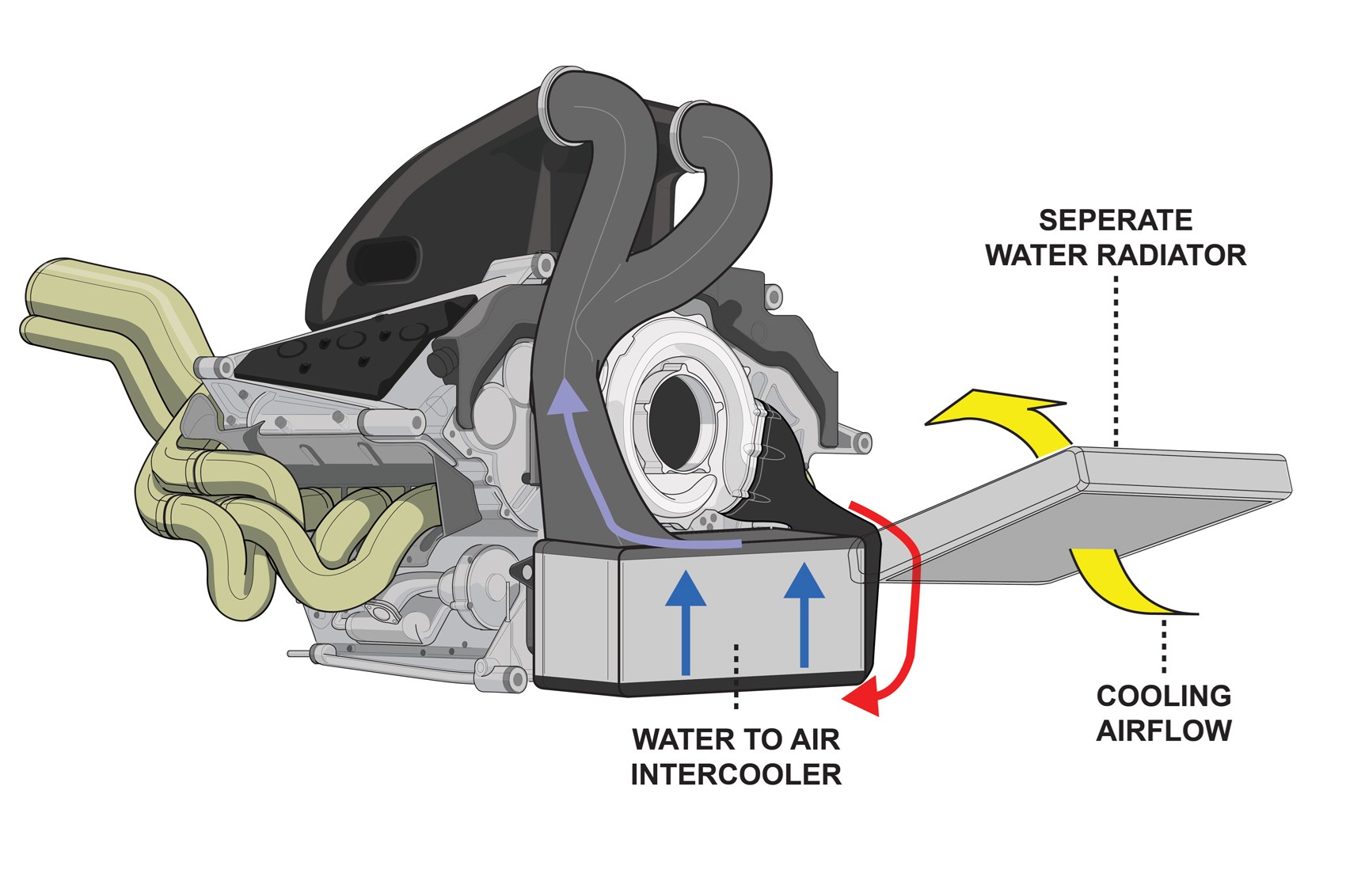
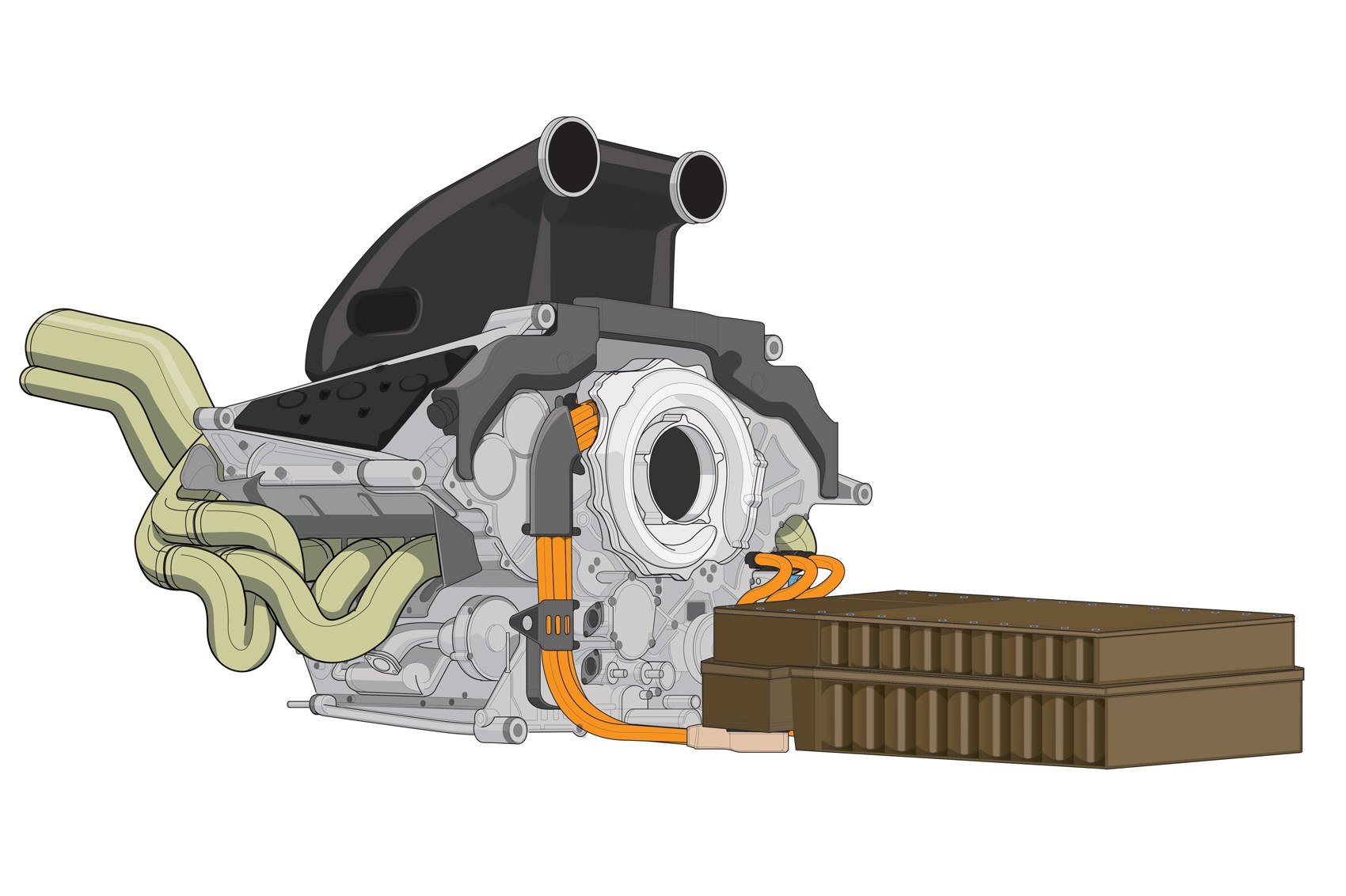
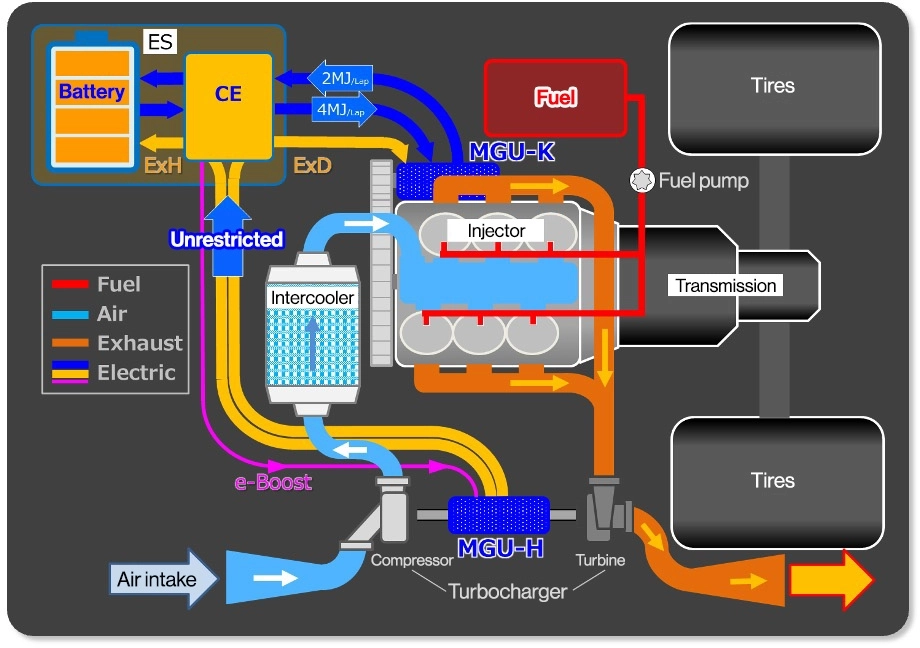
An F1 power unit has six main parts. They are the internal combustion engine, turbocharger, MGU-K, MGU-H, energy store, and control electronics. Each part plays a clear role in how Formula One hybrid power units work.
- Internal combustion engine: a 1.6L V6 turbocharged unit that provides baseline power.
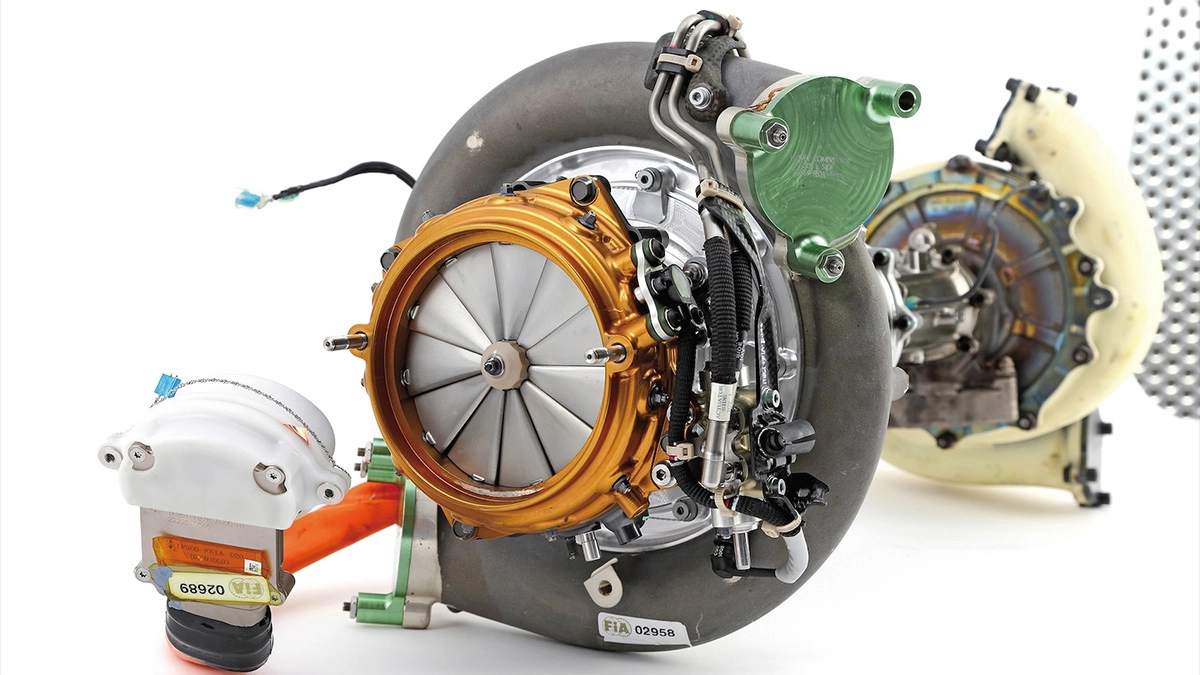
- Turbocharger: forces more air for more power and links to the MGU-H.
- MGU-K: an electric motor-generator that recovers kinetic energy under braking and provides extra drive.
- MGU-H: recovers energy from the turbo and manages turbo lag with electrical power.
- Energy store: a high-power battery that holds recovered energy.
- Control electronics: manage energy flow, safety, and power delivery.
49% off Today's Exclusive Deals
Limited-time Exclusive Deals. Check current discount on Amazon.
Check Price on Amazon As an Amazon Associate I earn from qualifying purchases.Step-by-step: how energy flows in the system
First, the engine burns fuel and makes torque. Next, the turbo compresses air and can spin the MGU-H. When the driver brakes, the MGU-K converts speed into electrical energy. Recovered energy goes to the battery or to the MGU-H. The control electronics then release energy to the MGU-K to boost acceleration. This cycle shows how Formula One hybrid power units work in action.
- During braking: MGU-K recovers energy.
- During high exhaust flow: MGU-H can harvest or send energy to the turbo.
- During acceleration: MGU-K uses stored energy to add up to 120 kW of power.
- The battery buffers and supplies energy based on rules and strategy.
The internal combustion engine and turbo: basics made simple
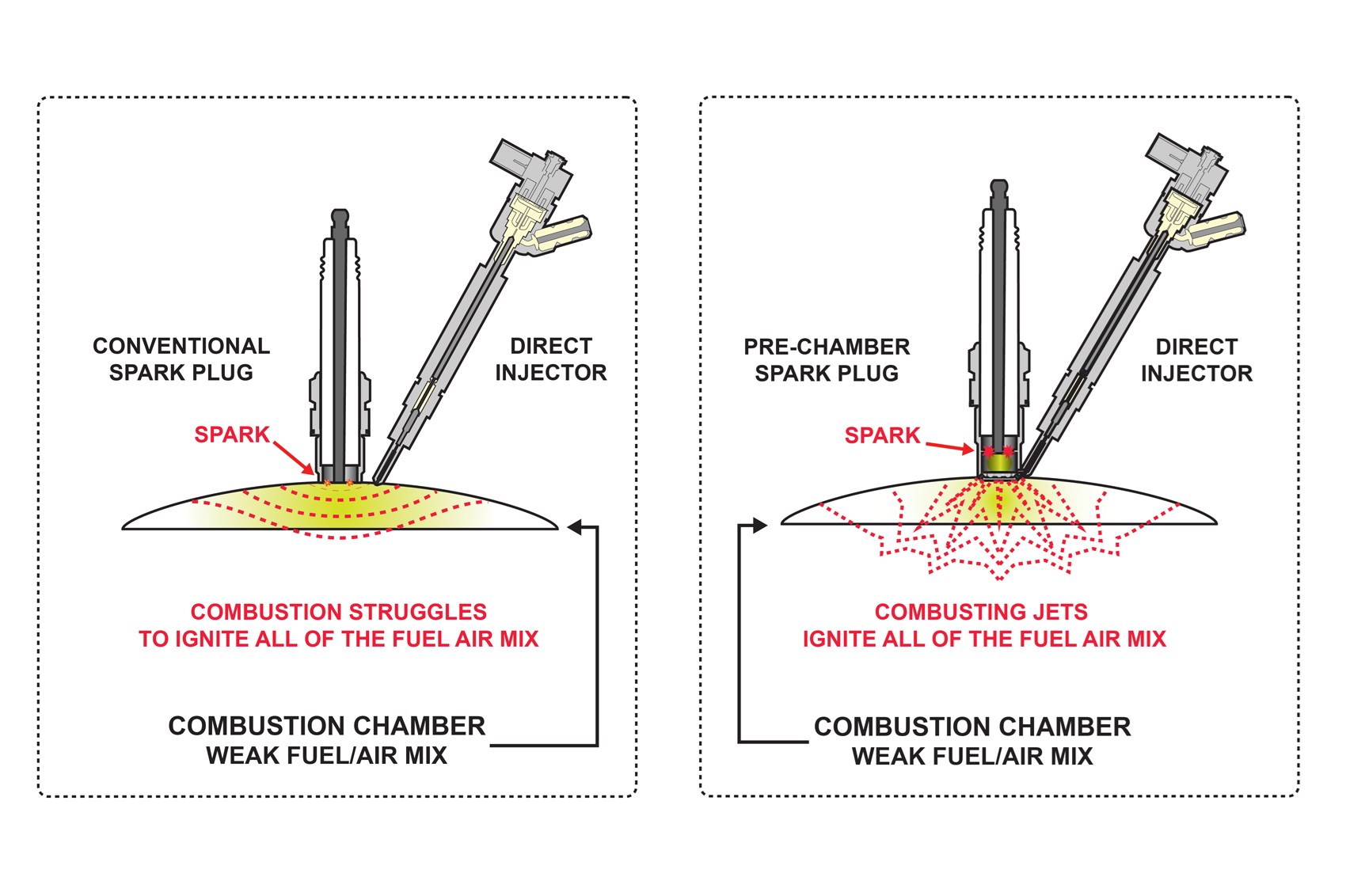
The ICE is small but very fast. It revs high and runs with strict fuel and flow limits. The turbocharger uses exhaust energy to make more power. The MGU-H sits on the turbo shaft and links the exhaust flow to the electrical system. Understanding this helps explain how Formula One hybrid power units work efficiently with less fuel.
- Fuel is limited by flow rate and total fuel per race.
- Turbo boost improves power while MGU-H smooths turbo lag.
- Small displacement plus hybrid tech equals high efficiency.
49% off Today's Exclusive Deals
Limited-time Exclusive Deals. Check current discount on Amazon.
Check Price on Amazon As an Amazon Associate I earn from qualifying purchases.MGU-K and MGU-H: two different electric helpers
MGU-K stands for Motor Generator Unit – Kinetic. It recovers kinetic energy from braking and returns up to 120 kW to the drivetrain. MGU-H stands for Motor Generator Unit – Heat. It harvests heat energy from the turbo and can spin the turbo electrically. Both devices explain why Formula One hybrid power units work so well at balancing power and economy.
- MGU-K limits: can deliver 120 kW and recovers a capped amount per lap.
- MGU-H role: no direct power cap, but tightly integrated with turbo behavior.
- Combined effect: instant torque, reduced fuel burn, and better lap times.
Energy store, electronics, and control strategies
The battery stores energy with high charge and discharge rates. Control systems decide when to harvest and when to deploy. Engineers tune these settings for each track and race. This tuning is central to how Formula One hybrid power units work at peak performance.
- Energy duty cycles are planned by race engineers.
- Battery management protects longevity and performance.
- Software ensures safety and compliance with rules.
Race strategy and driver use: deploying the extra power
Drivers get bursts of electric power on demand. Teams call these boosts for overtakes, defense, or better lap times. Energy management is part tactics, part tech. Seeing how Formula One hybrid power units work on track shows why strategy matters as much as raw speed.
- Boosts are timed to maximize race position.
- Drivers balance battery use across a stint.
- Engineers monitor energy live to adjust strategy.

Rules, limits, and the impact on design
Regulations limit fuel, battery size, power output, and components used per season. Teams must design within those limits. That rule set forced efficiency and innovation. Regulations shape how Formula One hybrid power units work and keep competition tight.
- Fuel flow limits force smarter energy use.
- Component limits increase reliability focus.
- Rule changes drive rapid technical evolution.
Performance gains, benefits, and trade-offs
Hybrid power units give strong torque and lower fuel use. They add weight and complexity. They need precise cooling and maintenance. Knowing the trade-offs explains how Formula One hybrid power units work in real life.
- Benefits: better acceleration, efficiency, and energy recapture.
- Trade-offs: cost, complexity, and tougher reliability needs.
- Net effect: faster lap times with less fuel.
Maintenance, reliability, and real-world lessons from the pit lane
I’ve worked on setups where small wiring faults cost big lap time. Routine checks and disciplined cooling plans are vital. Teams track every component’s life. These practices show how Formula One hybrid power units work dependably in races and how mistakes can hurt performance.
- Tip: monitor temperatures and connections daily.
- Tip: log energy flows to spot anomalies early.
- Lesson learned: small fixes prevent big failures on race day.
Practical analogies and simple takeaways
Think of the power unit like a hybrid road car, but tuned for maximum power. The ICE is the steady engine. The electric parts are the instant boost and the savings. This image helps you remember how Formula One hybrid power units work without the jargon.
- ICE provides continuous power like a main engine.
- MGU-K is like regenerative braking on a hybrid car.
- MGU-H is a turbo-smart electric helper unseen in road cars.
PAA-style quick questions
What is the main benefit of a hybrid power unit?
- The main benefit is higher efficiency and more usable power with less fuel. It boosts acceleration and saves fuel over a race.
How does the MGU-K help during braking?
- MGU-K acts as a generator during braking to store energy. It reduces brake wear and captures energy that becomes extra power later.
Does the battery add a lot of weight?
- The battery adds weight but is very dense in power. Teams place it to help balance the car and offset the benefits it brings.
Can the MGU-H directly improve turbo response?
- Yes, the MGU-H can spin the turbo electrically to reduce lag and improve throttle response. It also transfers energy between the turbo and battery.
Why are hybrid power units complex to maintain?
- They combine high-heat, high-speed mechanical parts with high-voltage electronics. This mix needs precise cooling, safety checks, and specialist technicians.
Frequently Asked Questions of How do Formula One hybrid power units work?
How do Formula One hybrid power units work during a lap?
They recover energy under braking and from exhaust flow. That energy is stored and then deployed to boost acceleration on demand.
What role does the MGU-K play in how Formula One hybrid power units work?
The MGU-K recovers kinetic energy while braking and returns up to 120 kW to the drivetrain for extra push. It is key to saving fuel and improving lap time.
How does the MGU-H change turbo performance in Formula One hybrid power units?
The MGU-H harvests energy from the turbo and can spin the turbo to reduce lag. It links thermal energy to the electrical system for smoother power delivery.
Are the hybrid systems in F1 like those in road cars?
The concept is similar, but F1 systems are far more powerful and finely tuned. They focus on peak performance, not long-term durability.
How often do teams change hybrid components during a season?
Teams are limited on the number of components they can use. They plan swaps carefully to avoid penalties and to keep reliability high.
Can the driver control the hybrid deployment?
Yes, drivers have controls to request boosts and to manage energy modes. Engineers also change settings during pit stops and via radio strategy.
Do hybrid power units reduce fuel consumption in F1?
Yes, they reduce fuel use by converting wasted energy into usable power. This lets teams run less fuel for the same or better lap times.
How long does a battery last in an F1 power unit?
The battery is designed for high-power cycles and lasts many full-race loads, but teams track cycles and may replace units based on mileage or damage.
Is it expensive to develop F1 hybrid power units?
Yes. They require top materials, advanced electronics, and expert staff. Development costs are high but have driven useful tech into road cars.
Will F1 keep using hybrid power units long term?
Current trends favor hybrids and electrification. Rules and industry needs suggest hybrids will stay while technologies evolve.
Conclusion
You now have a clear, practical view of how Formula One hybrid power units work. These systems blend a tight, high-rev V6 with smart electric motors, a powerful battery, and clever control software to make cars faster and more efficient. If you follow races more closely now, watch for battery use, turbo behavior, and strategic energy boosts—those are where races are won.
Try noticing energy deployment on the next race and read team tech briefings to learn more. If you found this useful, leave a comment, share your thoughts, or subscribe for deeper technical breakdowns on race tech.