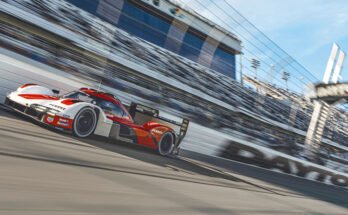
Precision engineering, extreme aerodynamics, hybrid power, and tire grip make F1 cars unmatched.
I’ve spent years around race garages and wind tunnels. I’ll walk you through what makes Formula One cars the fastest circuit racing machines in the world. You will learn how aerodynamics, power units, ultra-light materials, tires, electronics, and human skill combine to create lap-time monsters. This article blends technical facts, real-world insights, and clear examples so you can truly understand why Formula One cars lead the pack.

49% off Today's Exclusive Deals
Limited-time Exclusive Deals. Check current discount on Amazon.
Check Price on Amazon As an Amazon Associate I earn from qualifying purchases.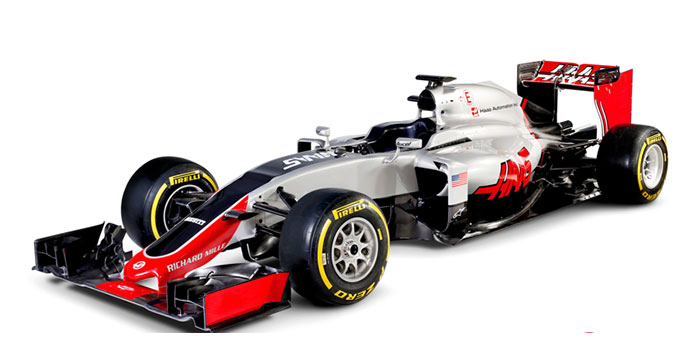
Aerodynamics: bending air into advantage
Aerodynamics is the single biggest reason Formula One cars are so fast on circuits. Teams shape bodywork, wings, and floors to generate huge downforce. Downforce pushes the car onto the track. More downforce means faster corner speeds and shorter braking distances.
Ground effect and wing design work together. Floor tunnels create low pressure below the car. Front and rear wings tune airflow to balance grip and drag. Drag reduces top speed, so teams trade some downforce for lower drag on fast tracks.
49% off Today's Exclusive Deals
Limited-time Exclusive Deals. Check current discount on Amazon.
Check Price on Amazon As an Amazon Associate I earn from qualifying purchases.Active design and testing drive gains. CFD simulations and wind-tunnel sessions refine shapes. Small changes to the front wing or bargeboards can cut tenths of a second per lap. In my time in the paddock, a tweak to the rear wing angle often changed balance more than expected.
Typical aerodynamic features:
- Front wing with multiple elements to direct airflow and create front downforce.
- Complex bargeboards and deflectors to clean air before the sidepods.
- Sculpted floors and diffusers to maximize ground effect.
- Adjustable rear wing and DRS for drag reduction on straights.
PAA-style question: How much downforce can a Formula One car make? Most modern Formula One cars can generate more downforce than their own weight at speed, allowing them to corner faster than many road cars can even imagine.
PAA-style question: Does more downforce always mean a faster lap? Not always; excessive downforce raises drag and can slow straight-line speed, so teams seek the optimal balance for each circuit.

49% off Today's Exclusive Deals
Limited-time Exclusive Deals. Check current discount on Amazon.
Check Price on Amazon As an Amazon Associate I earn from qualifying purchases.Power units and energy recovery: small engines, huge performance
Modern Formula One cars use turbocharged V6 hybrid engines. These power units combine a combustion engine with electrical systems. The result is incredible acceleration and efficiency.
Energy Recovery Systems (ERS) harvest energy from braking and exhaust. Stored energy can be deployed as a temporary power boost. That helps out-accelerate rivals out of corners and down straights.
Engineering limits force innovation. Fuel flow rules and fuel mass caps mean teams must make every joule count. The hybrid system efficiency and the way teams manage ERS deployment often decide races. I’ve seen races won on smart energy use as much as raw power.
Key facts:
- Turbocharged internal combustion engine paired with ERS.
- MGU-K recovers kinetic energy from braking.
- MGU-H recovers energy from exhaust gases.
- Energy storage and deployment are tightly regulated but very effective.

Chassis, materials, and weight: strength without bulk
Formula One cars use carbon fiber monocoques. This material is stiff and light. A stiff chassis improves handling and lets the suspension do its job precisely.
Weight limits and distribution matter. Teams aim for the minimum allowed weight and place ballast to tune balance. A lower center of gravity helps reduce roll and improves cornering grip.
Safety rules also shape design. The survival cell must protect the driver, which adds rules-driven mass. Still, designers use advanced composites and clever packaging to keep the cars light and rigid.
Design highlights:
- Carbon fiber monocoque for stiffness and safety.
- Titanium and other light alloys in stressed parts.
- Ballast used to meet weight and balance targets.
- Crash structures designed to absorb energy without adding excess weight.

Tires and suspension: connecting power and downforce to the track
Tires are the single point of contact between a Formula One car and the circuit. The right tire grip turns aero and power into lap time. Tire compound, temperature, and pressure all affect grip.
Suspension systems are highly sophisticated. Geometry, camber, toe, and anti-roll tuning let teams extract consistent contact patches. Hydraulic systems and precise dampers maintain optimal tire load through bumps and kerbs.
Tire choices drive strategy. Softer compounds give more grip but wear quicker. A great car with poor tire setup can lose seconds per lap. From my experience working with engineers, one session of wrong camber settings can ruin an entire weekend.
Tire and suspension features:
- Slick compounds for dry grip and grooved compounds for wet use.
- Adjustable camber and toe to tune contact patch.
- Low-profile tires matched to high corner loads.
- Suspension tuned to complement aerodynamic load.
Braking and heat management: stopping power and thermal control
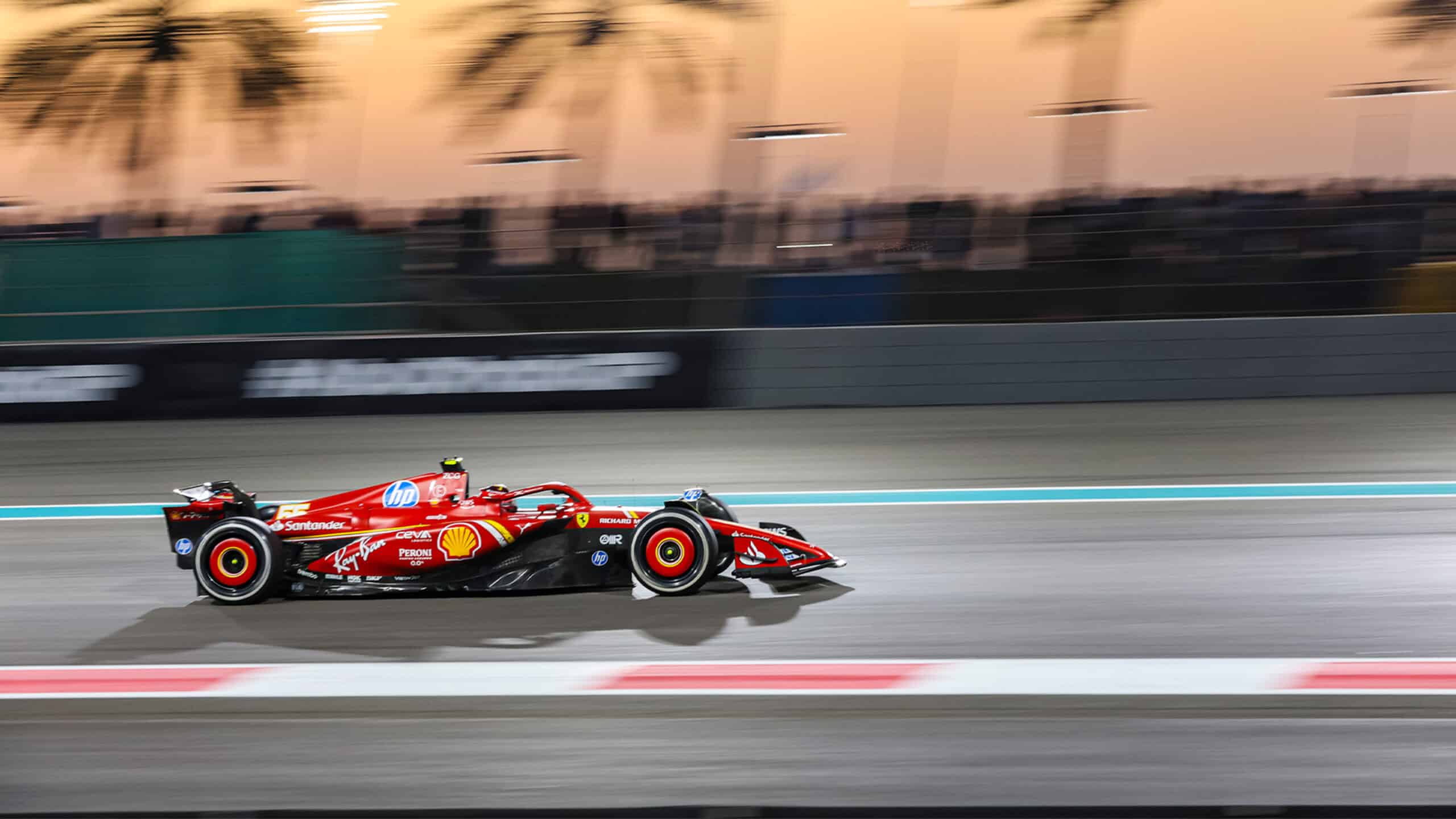
Stopping from high speeds requires exceptional brakes. Formula One cars use carbon-carbon brake discs and pads. These work at extreme temperature ranges and offer massive stopping power.
Heat management is critical. Brake cooling ducts, radiators, and careful airflow routing keep temperatures in range. Engines, ERS components, and brakes all need cooling, and cooling setups can affect aerodynamic performance.
Brake-by-wire and electronic control help drivers manage rear braking and energy recovery. This tech improves consistency and lets drivers push late into corners with confidence.
Main points:
- Carbon brakes for high thermal capacity and low weight.
- Brake ducts sized for cooling without excessive drag.
- Integrated heat management for engine and hybrid systems.
- Electronic controls for precise brake balance and regen.
Electronics, data, and driver controls: milliseconds of advantage
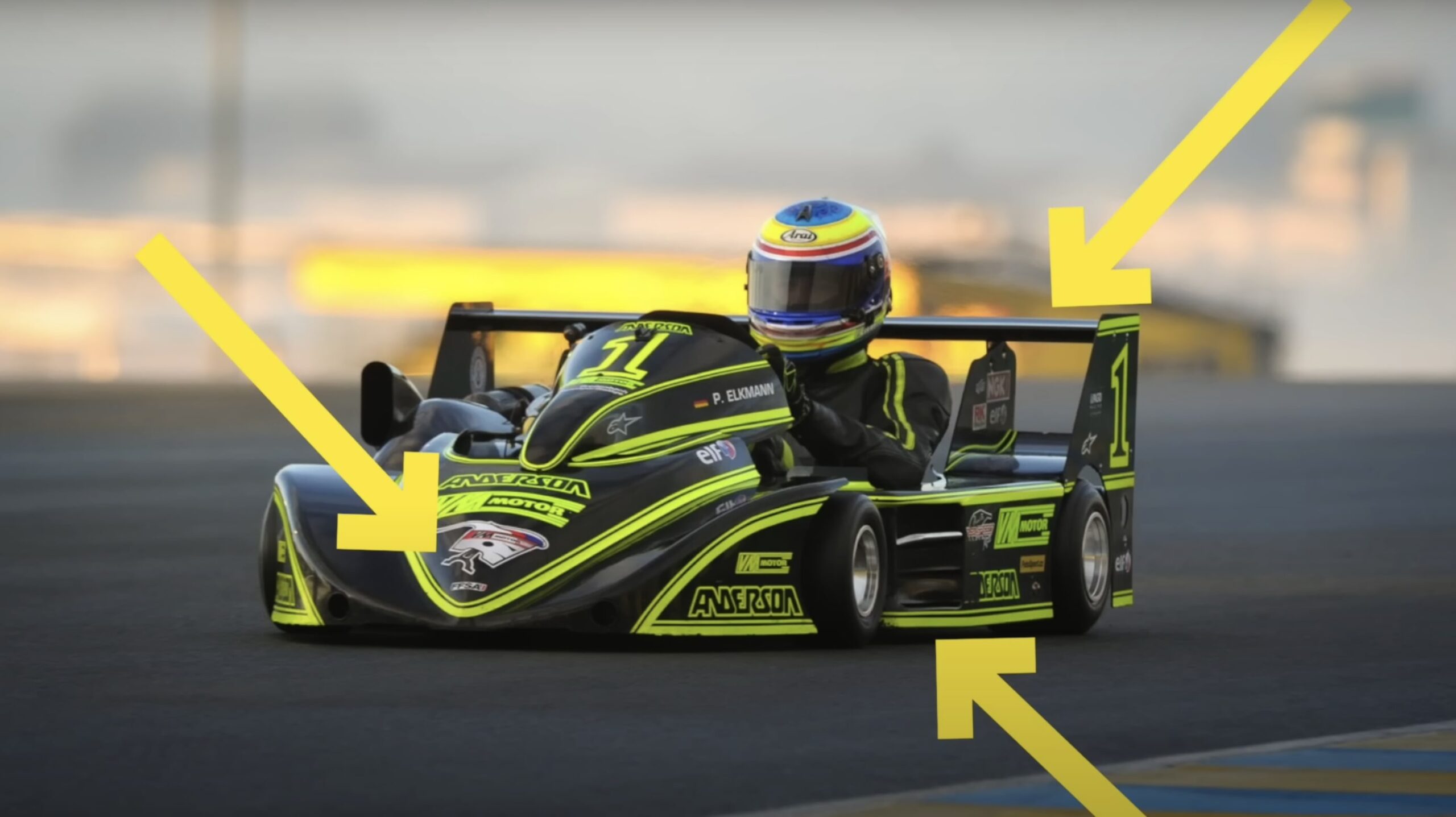
Electronics are the hidden edge in Formula One cars. The car’s ECU collects thousands of data points every second. Engineers analyze this data to tune setups and race strategy.
Driver controls are dense and powerful. The steering wheel houses dozens of switches and dials. Drivers manage engine maps, differential settings, and ERS deployment on the fly.
Teams run massive simulators. Drivers practice virtual laps and engineers test setups before hitting the track. This data-led approach shortens development cycles and improves consistency.
Electronic strengths:
- High-speed telemetry for real-time analytics.
- Complex ECUs integrating engine, hybrid, and brake systems.
- Steering wheel control of many vehicle functions.
- Simulator work that mirrors on-track performance.
Strategy, teamwork, and human performance: the final engine
A Formula One car is only as fast as its team and driver. Pit-stop choreography, race strategy, and split-second calls change race outcomes. Drivers must be fit, focused, and smart under pressure.
Teams plan strategy with simulation and live data. Tire choices, pit windows, and ERS timing are calculated and revised mid-race. Fast pit stops and coordinated crews shave seconds that matter.
Human skill remains central. Great drivers feel the car and give precise feedback. I remember a race where driver feedback on understeer led to a setup change that reclaimed a podium spot. That human touch is irreplaceable.
Team aspects:
- Coordinated pit stops and practiced crews.
- Real-time strategy updates from engineers.
- Driver fitness, reflexes, and mental stamina.
- Continuous feedback loop between driver and engineers.
Limits, rules, and continuous development: why evolution keeps them fastest
FIA rules set boundaries that both limit and spur development. Technical rules shape aerodynamics, power units, and safety features. Design innovation moves within those rules.
Cost caps and homologation slow runaway spending, but teams still innovate in permitted areas. Continuous updates across a season keep Formula One cars at the cutting edge of circuit performance.
Every rule change refocuses priorities. For instance, limits on testing push teams to extract more from simulations and data. That drive to adapt makes Formula One cars fast and ever-evolving.
Key dynamics:
- Rulebooks guide aerodynamic and power unit development.
- Continuous in-season upgrades refine performance.
- Safety regulations influence materials and cockpit design.
- Cost controls shape development priorities and innovation paths.
Frequently Asked Questions of What makes Formula One cars the fastest circuit racing machines in the world?
What role does aerodynamics play in making Formula One cars the fastest?
Aerodynamics generate downforce that lets cars corner faster and brake later. Teams balance downforce and drag to match each circuit’s corners and straights.
How do hybrid engines boost Formula One car performance?
Hybrid systems recover energy and add electric power bursts. This improves acceleration and makes the overall power delivery more efficient.
Why are tires so important to lap time in Formula One?
Tires are the only contact with the track, so grip and temperature matter most. Proper tire choice and setup can change lap times by several tenths instantly.
Can driver skill overcome a poorly designed car?
Great drivers can extract more performance, but limitations remain. If a car lacks basic grip or balance, even elite drivers will struggle to compete consistently.
How does team strategy affect the speed of Formula One cars?
Strategy controls tires, pit timing, and energy deployment. Smart strategy turns a fast car into a race winner by optimizing the moments when the car is at its strongest.
Conclusion
Formula One cars are the fastest circuit racing machines because every part is tuned for speed: aero that presses the car to the ground, hybrid power that blends combustion and electric boost, ultra-light materials, bespoke tires, advanced electronics, and sharp human decisions. Each piece alone helps, but together they create unmatched lap-time performance. If you’re passionate about speed, study aerodynamics, learn about hybrid systems, and watch how teams convert data into decisions. Join the conversation—read, ask questions, and share your favorite F1 moment in the comments or subscribe for more deep dives.