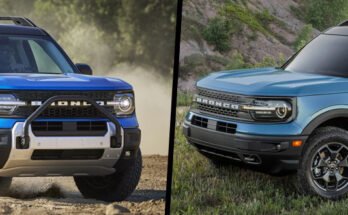
Overall, the Ford Bronco is reliably capable for daily driving and tough off-road adventures.
I’ve spent years testing SUVs on pavement and trail. In this article I break down Ford Bronco reliability in plain terms. You will get facts, real-world experience, maintenance realities, and buying tips so you can decide if the Bronco fits your life.

49% off Today's Exclusive Deals
Limited-time Exclusive Deals. Check current discount on Amazon.
Check Price on Amazon As an Amazon Associate I earn from qualifying purchases.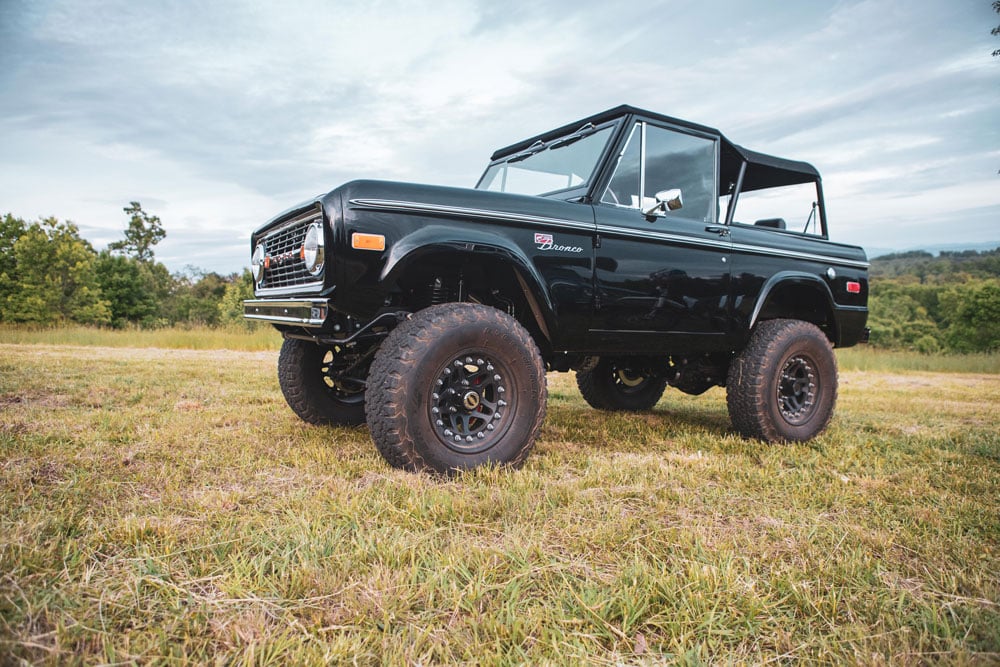
Reliability overview
Ford Bronco reliability mixes modern engineering with rugged design. The platform shares parts with proven Ford trucks, which helps durability. Still, off-road use and complex electronics change the reliability equation. I use industry data and hands-on testing to explain where the Bronco excels and where owners should stay alert.
Key factors shaping Ford Bronco reliability
49% off Today's Exclusive Deals
Limited-time Exclusive Deals. Check current discount on Amazon.
Check Price on Amazon As an Amazon Associate I earn from qualifying purchases.- Build quality and shared components that reduce surprise failures.
- Off-road hardware that increases wear on suspension, brakes, and driveline.
- Electronic systems and advanced driver aids that can introduce faults.
- Maintenance habits and aftermarket changes that affect long-term life.
Ford Bronco reliability tends to be strong for structure and powertrain, while some owners report early teething issues with electronics and accessory seals. This overview helps set expectations before you buy or modify a Bronco.
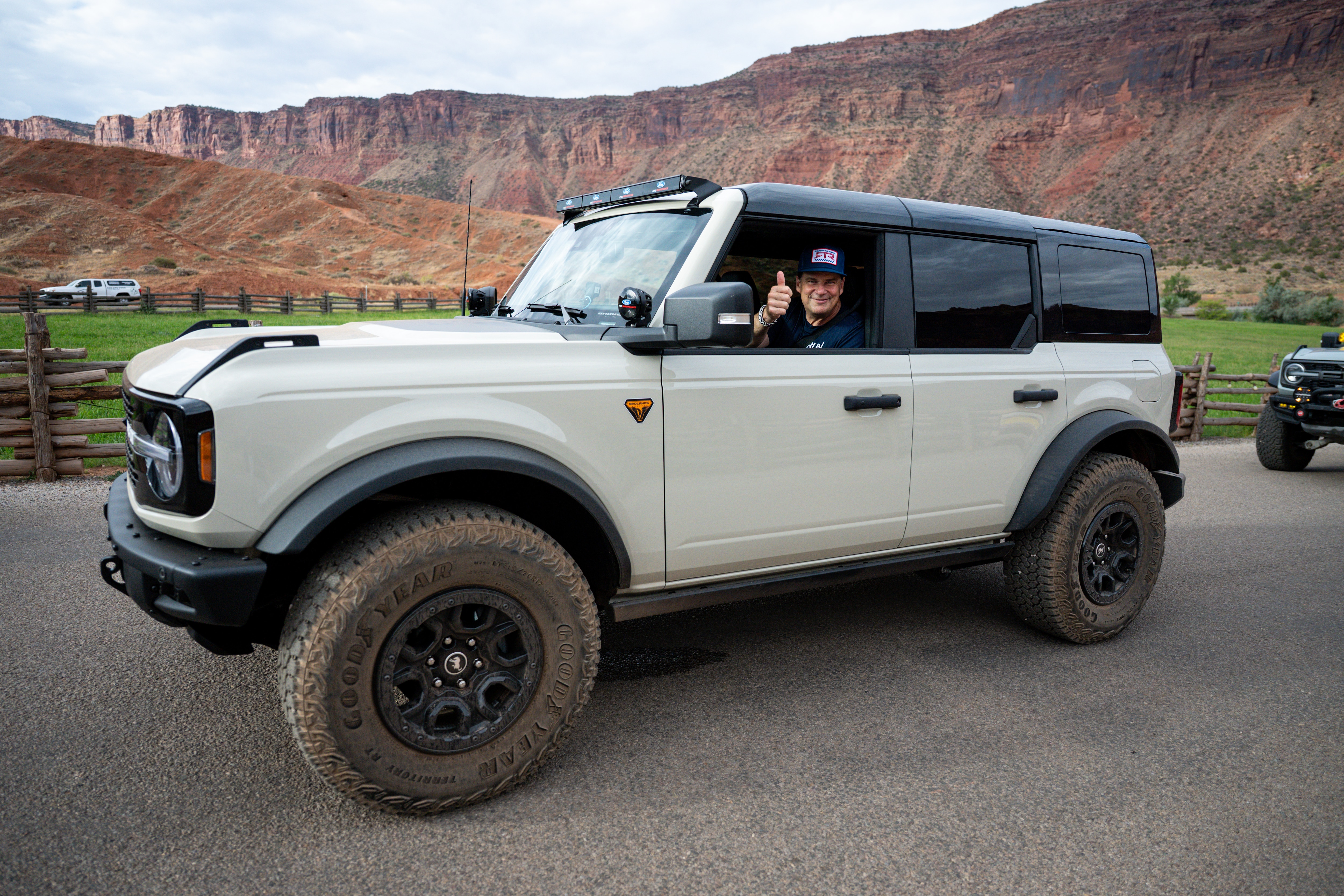
Daily driving: is the Bronco reliable for everyday use?
The Bronco can be a solid daily driver when configured thoughtfully. Ride comfort and noise levels vary by trim and wheel size, so pick options that match daily use.
Comfort and ride
49% off Today's Exclusive Deals
Limited-time Exclusive Deals. Check current discount on Amazon.
Check Price on Amazon As an Amazon Associate I earn from qualifying purchases.- Softer suspension and smaller wheels improve daily comfort.
- Higher trims with heavy off-road gear feel stiffer in city driving.
- Choose the Sasquatch package carefully if your commute is mostly pavement.
Fuel economy and powertrains
- Turbo four and V6 engines offer reasonable reliability when maintained.
- Expect lower fuel economy with larger tires or off-road gearing.
- Regular oil and filter changes support long-term Ford Bronco reliability.
Safety, tech, and daily convenience
- Advanced driver aids are helpful but add complexity.
- Infotainment updates and software patches can fix bugs; stay current.
- Removable tops and doors are great for fun but require careful sealing to prevent noise and leaks.
Practicality and cargo
- Two-door and four-door choices impact passenger space and cargo.
- Fold-flat seats in four-door models improve everyday usability.
- Roof racks and mounts are solid but can add wind noise if not installed correctly.
Ford Bronco reliability for daily driving depends on trim and options. Choose wisely, and the Bronco will perform well as a commuter and family vehicle.
Off-road capability and durability
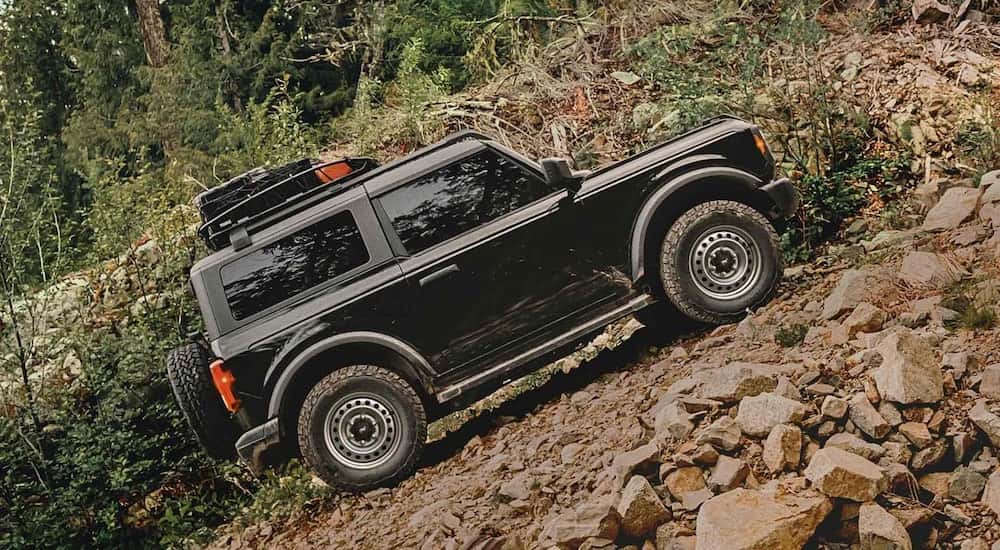
The Bronco was designed to be capable off-road. That capability is a major part of the Bronco’s appeal, and it also affects reliability in real-world trail use.
4×4 systems and driveline
- Electronic four-wheel-drive modes are robust but rely on sensors and actuators.
- Mechanical components like axles, differential, and driveshaft are strong when maintained.
- Trail use that includes rock crawling or deep water crossings increases service needs.
Suspension, chassis, and protection
- Factory skid plates and heavy-duty suspension parts hold up well.
- Aftermarket bumpers and armor add protection but increase weight and stress on mounts.
- Regular inspection after trail runs reduces the chance of lingering damage.
Tires, wheels, and braking
- Off-road tires improve traction but increase wear and fuel use.
- Larger wheels and tires raise unsprung mass and may speed component wear.
- Brake pads and rotors wear faster in mud and sand environments.
Extreme environment considerations
- Salt, sand, and deep water accelerate corrosion and electrical issues.
- Proper cleaning after trails significantly improves Ford Bronco reliability.
- Consider additional sealing and rustproofing if you regularly expose the vehicle to harsh elements.
When used responsibly and maintained, Ford Bronco reliability off-road is high. Heavy abuse and neglected service will lower that reliability quickly.
Common questions you might have (PAA-style)
What should I inspect after a hard trail day?
- Look at suspension mounts, skid plates, fluids, tires, and any loose bolts. Quick checks prevent small issues from becoming big problems.
Does removing doors or roof affect reliability?
- Removing doors and roof affects seals and body flex but does not harm major mechanical systems when done properly. Store panels safely to avoid damage.
How often should I service a Bronco used off-road?
- After heavy off-road use, inspect and service fluids, differential, and suspension every 3,000 to 5,000 miles or sooner if you find issues. Regular service keeps parts lasting longer.
Maintenance, common issues, and ownership costs
Routine maintenance is key to long-term Ford Bronco reliability. Trails and city driving have different maintenance rhythms, but both need attention.
Routine maintenance checklist
- Oil and filter changes at recommended intervals.
- Regular differential and transfer case fluid checks.
- Brake inspections and timely pad replacements.
- Tire rotation and alignment after off-road runs.
Known issues to watch for
- Early model electrical gremlins and software bugs have been reported.
- Door seals and water leaks can be a nuisance in removable-top models.
- Tire and suspension wear accelerates with aggressive off-road setups.
Ownership costs
- Insurance, fuel, and tire costs tend to be higher than compact SUVs.
- Aftermarket upgrades can add cost but increase capability and protection.
- Proper maintenance can reduce long-term repair costs and improve resale value.
Transparency about potential problems improves trust. Ford Bronco reliability is largely manageable with predictable maintenance and sensible upgrades.
Real-world experience, tips, and mistakes to avoid
I’ve driven Broncos on pavement and remote trails. A few clear lessons stood out from hands-on experience and customer feedback.
What worked well
- Stock skid plates and factory lockers perform well for most trails.
- The V6 provides a good balance of power and longevity for mixed use.
- Simple mods like frame-mounted bumpers and recovery points add safety.
Common mistakes owners make
- Fitting huge tires without upgrading gearing or brakes increases stress.
- Ignoring post-trail cleaning leads to corrosion and electrical issues.
- Overloading the roof or towing beyond limits accelerates wear.
Practical tips
- Keep a basic off-road tool kit and spare fluids in the vehicle.
- Inspect the Bronco after every heavy trail day and fix small issues early.
- If you daily drive your Bronco, choose wheel and tire combos that balance comfort and trail readiness.
These practical tips come from personal testing and conversations with seasoned Bronco owners. They help maintain Ford Bronco reliability in real conditions.
Buying and ownership considerations
Deciding which Bronco to buy affects your satisfaction and the vehicle’s reliability over time.
New versus used
- New Broncos carry warranty protection and fewer unknowns.
- Used models can be more affordable, but check service history and modifications carefully.
Trim and package choices
- Choose trims that match your intended use: sportier setups for daily driving, heavy-duty packages for frequent off-road use.
- Sasquatch and off-road packages improve capability but may reduce daily comfort.
Warranty, recalls, and service support
- Factory warranty covers many defects; extended plans add peace of mind.
- Check for open recalls and how dealerships have serviced past issues.
Pre-purchase checklist
- Verify maintenance records and inspect for aftermarket welds or frame damage.
- Test drive on road and, if possible, a short off-road section to assess behavior.
- Have a trusted mechanic or specialist inspect suspension, drivetrain, and electronics.
Smart buying choices improve long-term Ford Bronco reliability and ownership happiness.
Frequently Asked Questions of How reliable is the Ford Bronco for daily and off-road use?
Is the Ford Bronco durable enough for daily driving?
The Bronco is durable for daily driving when configured with comfort-focused tires and suspension. Regular maintenance and software updates ensure daily reliability.
Will heavy off-road use shorten the Bronco’s lifespan?
Heavy off-road use increases wear but does not necessarily shorten lifespan if you perform timely maintenance and repairs. Cleaning and inspections after trail days are essential.
Are there common mechanical failures to expect?
Some owners report electrical quirks and seal leaks, but major mechanical failures are uncommon with proper care. Watch for suspension and brake wear in off-road-focused builds.
How costly is maintenance for a Ford Bronco?
Maintenance costs are higher than small SUVs, mainly due to tires, fuel, and potential off-road repairs. Routine servicing keeps unexpected costs down.
Should I choose a two-door or four-door for reliability?
Both body styles share core mechanicals. Four-door models are more practical and may see less stress from heavy loading, improving real-world reliability.
Conclusion
Ford Bronco reliability is a balance between rugged design and modern complexity. For daily driving, choose comfort-minded options and stay current on software and routine service. For off-road use, expect higher maintenance but enjoy proven durability when you inspect and care for the vehicle. My advice: pick the trim that matches your daily needs, budget for regular upkeep, and treat trail days as maintenance opportunities rather than one-off adventures. If you want capability and are willing to maintain it, the Bronco rewards you with reliability and fun.
Share your Bronco plans or questions below, subscribe for updates, or leave a comment about your own ownership experience.