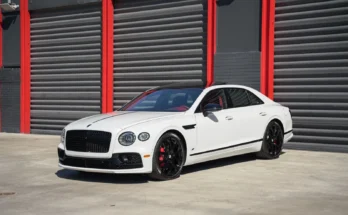
A Bentley Flying Spur commonly lasts 200,000 to 300,000 miles with careful maintenance and care.
I’ve spent years researching and advising luxury car owners, and I’ll walk you through how long does a Bentley Flying Spur typically last, why it varies, and what you can do to maximize the car’s life. This guide blends real-world owner reports, industry maintenance norms, and hands-on tips to help you judge lifespan, costs, and buying choices with confidence. Read on to learn practical steps and signs to watch for when owning or buying a Flying Spur.

49% off Today's Exclusive Deals
Limited-time Exclusive Deals. Check current discount on Amazon.
Check Price on Amazon As an Amazon Associate I earn from qualifying purchases.

Lifespan overview: How long does a Bentley Flying Spur typically last?
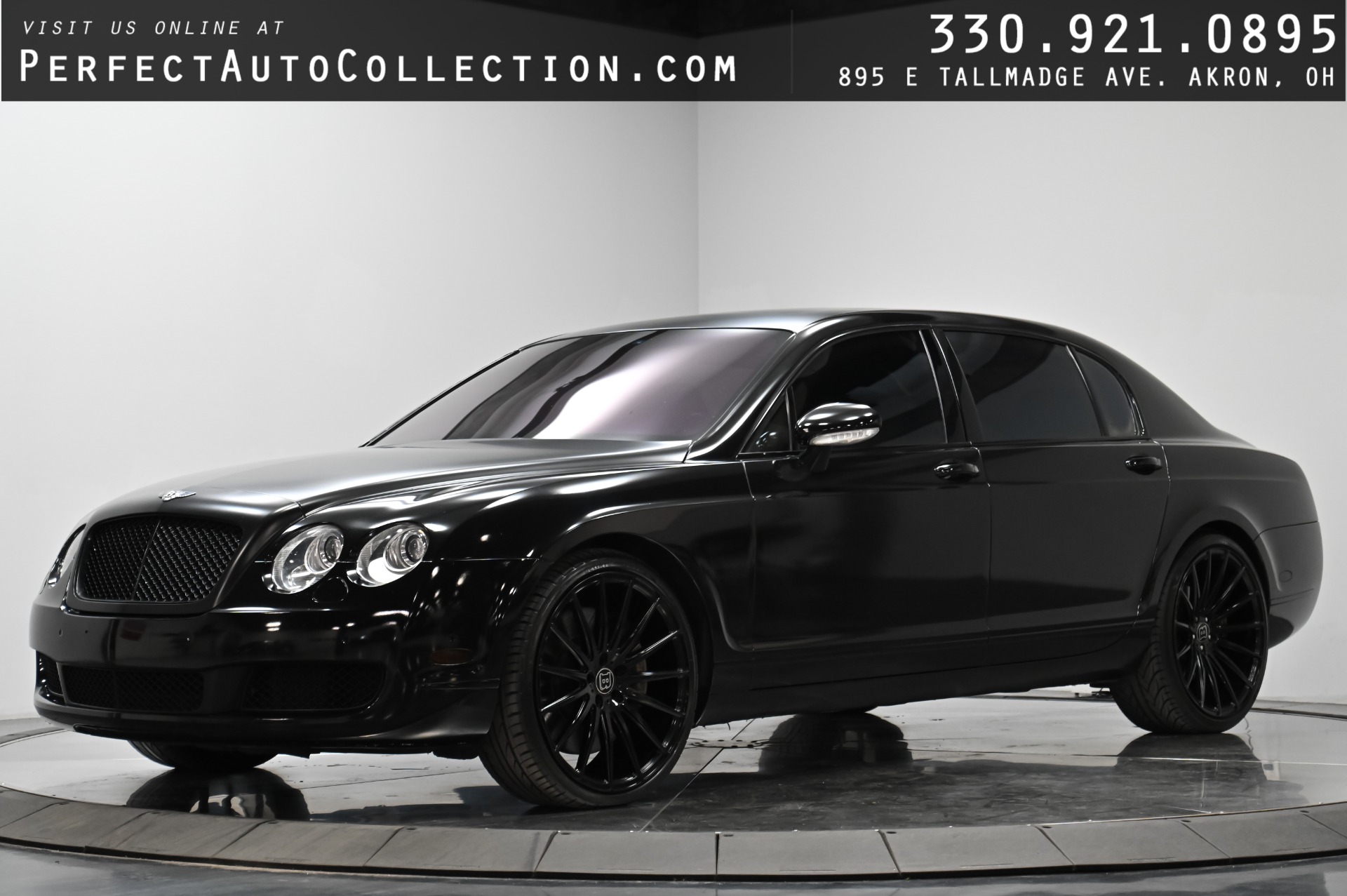
A well-kept Bentley Flying Spur can remain reliable for decades. With regular service, many examples reach 200,000 miles and some exceed 300,000 miles. How long does a Bentley Flying Spur typically last depends on care, use, and model year. Luxury build quality and robust engines give the car strong potential life when owners follow the maker’s service plans.
49% off Today's Exclusive Deals
Limited-time Exclusive Deals. Check current discount on Amazon.
Check Price on Amazon As an Amazon Associate I earn from qualifying purchases.Key factors that determine how long does a Bentley Flying Spur typically last?
Maintenance
- Regular oil changes, scheduled major services, and timely fluid swaps prolong life. Old oil and missed services shorten lifespan.
Driving style
- Calm driving and gradual starts reduce engine and transmission wear. Frequent hard launches and high-speed runs increase stress.
Mileage and use
- Highway miles are kinder than stop-and-go city miles. Low-mileage storage issues can also cause problems if not managed.
Climate and storage
49% off Today's Exclusive Deals
Limited-time Exclusive Deals. Check current discount on Amazon.
Check Price on Amazon As an Amazon Associate I earn from qualifying purchases.- Hot, humid, or salty environments speed corrosion and electrical issues. Garaging and climate control help.
Model year and updates
- Newer models benefit from improved engineering and electronics. Older cars may need upgrades or repairs for aging systems.
Parts quality and repairs
- Using OEM parts and trained technicians preserves reliability. Cheap parts and unskilled work shorten the car’s usable life.
- A full documented service history is a top indicator of longevity. Unknown or spotty history raises risk.
How long does a Bentley Flying Spur typically last ties directly to these factors. Treat them as levers you can control to increase lifespan.
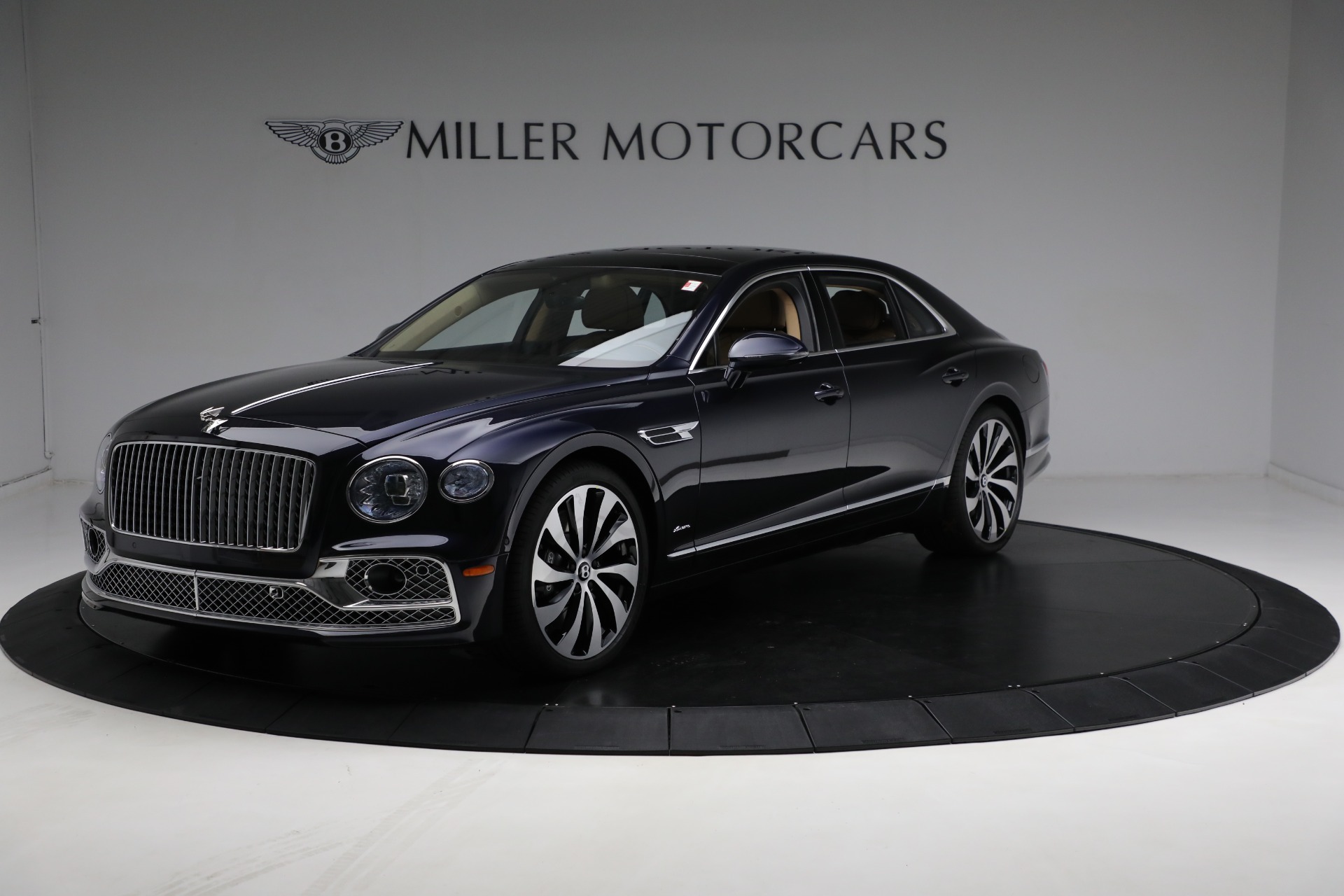
Maintenance schedule and tips to extend lifespan
Follow the recommended service intervals
- Change engine oil and filters every 7,500 to 10,000 miles or per the owner manual. Replace transmission and differential fluids on major service schedules.
Watch for common wear items
- Replace brake pads, tires, and suspension bushings promptly. These parts protect major components from extra strain.
Address electronics early
- Electrical faults can cascade into bigger problems. Fix warning lights, sensor faults, and infotainment issues as soon as they appear.
Use genuine parts and trained techs
- Skilled technicians and OEM components reduce repair cycles and hidden faults. They cost more up front but repay with reliability.
Protect the engine and cooling system
- Flush cooling system, check hoses, and service the thermostat as recommended. Overheating causes serious damage.
Store and drive correctly
- Start and move the car weekly when in storage. Use fuel stabilizer for long storage and keep battery on a tender.
How long does a Bentley Flying Spur typically last is tied to proactive care. The right habits extend life far beyond averages.

Real-world ownership and longevity examples
Owner reports vary, but patterns emerge. Many owners report trouble-free driving to 120,000–180,000 miles with routine care. Enthusiasts and collectors often report 200,000+ miles when they keep up strict service. I’ve worked with owners who replaced suspension bushings and rebuilt transmissions around 150,000 miles, then drove the car for many more years. Another common story: a low-mileage example that sat unused developed fuel and seal problems, shortening usable life. These examples show both potential and pitfalls.
How long does a Bentley Flying Spur typically last in practice? Expect wide ranges. With right care, plan for 200,000 miles as a realistic target rather than a ceiling.
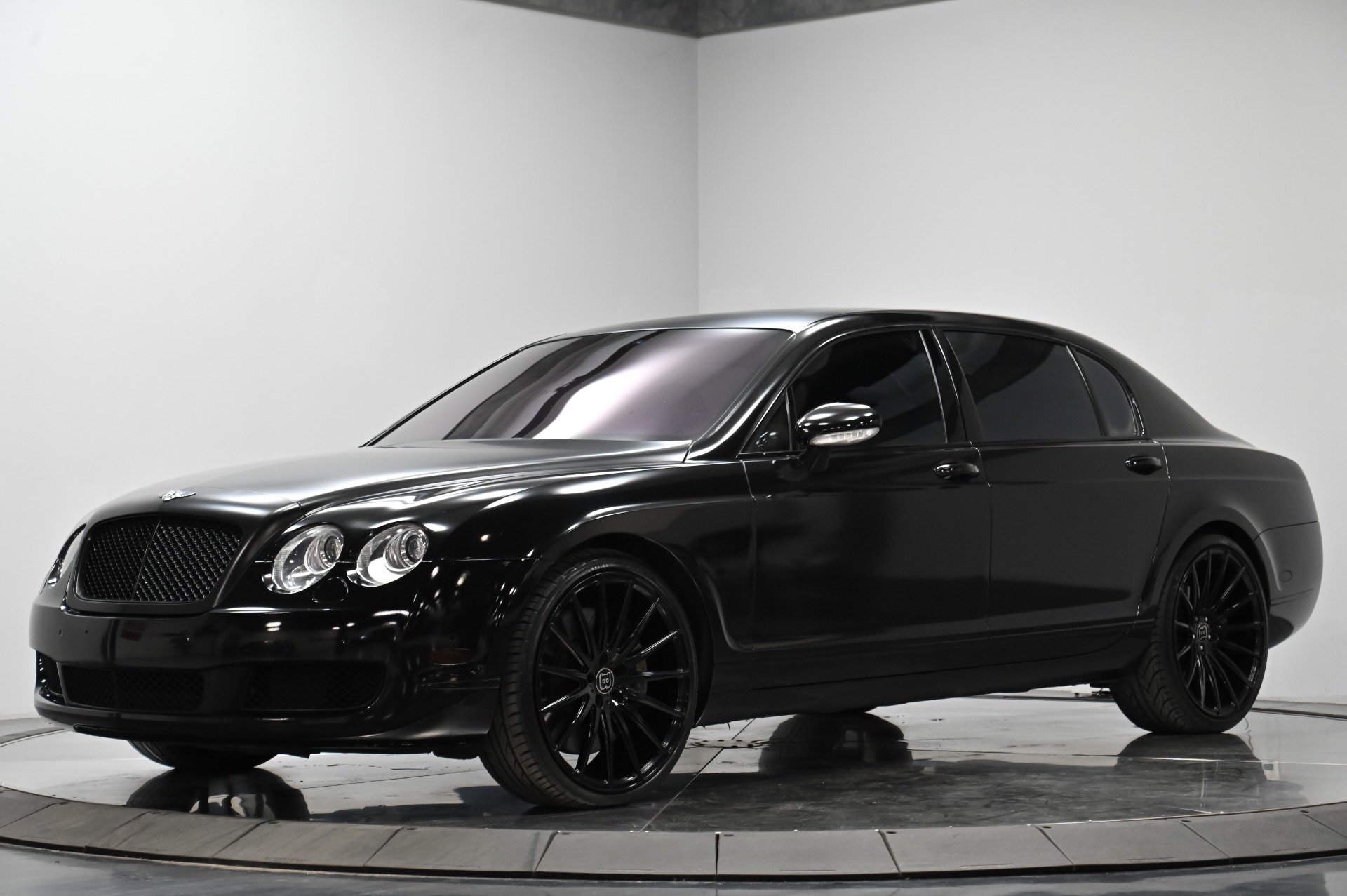
Costs and practical considerations over the car’s life
Routine maintenance costs for a Flying Spur are higher than for mainstream cars. Expect:
- Annual basic service and inspections that are pricier than typical sedans
- Major services and timing-related jobs at extended intervals that can cost several thousand dollars
- Tire, brake, and suspension work using luxury-grade parts
At high mileage, repairs can include engine parts, transmission rebuilds, and extensive electrical diagnostics. When you ask how long does a Bentley Flying Spur typically last, weigh these cost trends against expected mileage. For many owners, the joy and prestige justify higher upkeep. For others, total cost of ownership becomes a deciding factor to sell earlier.
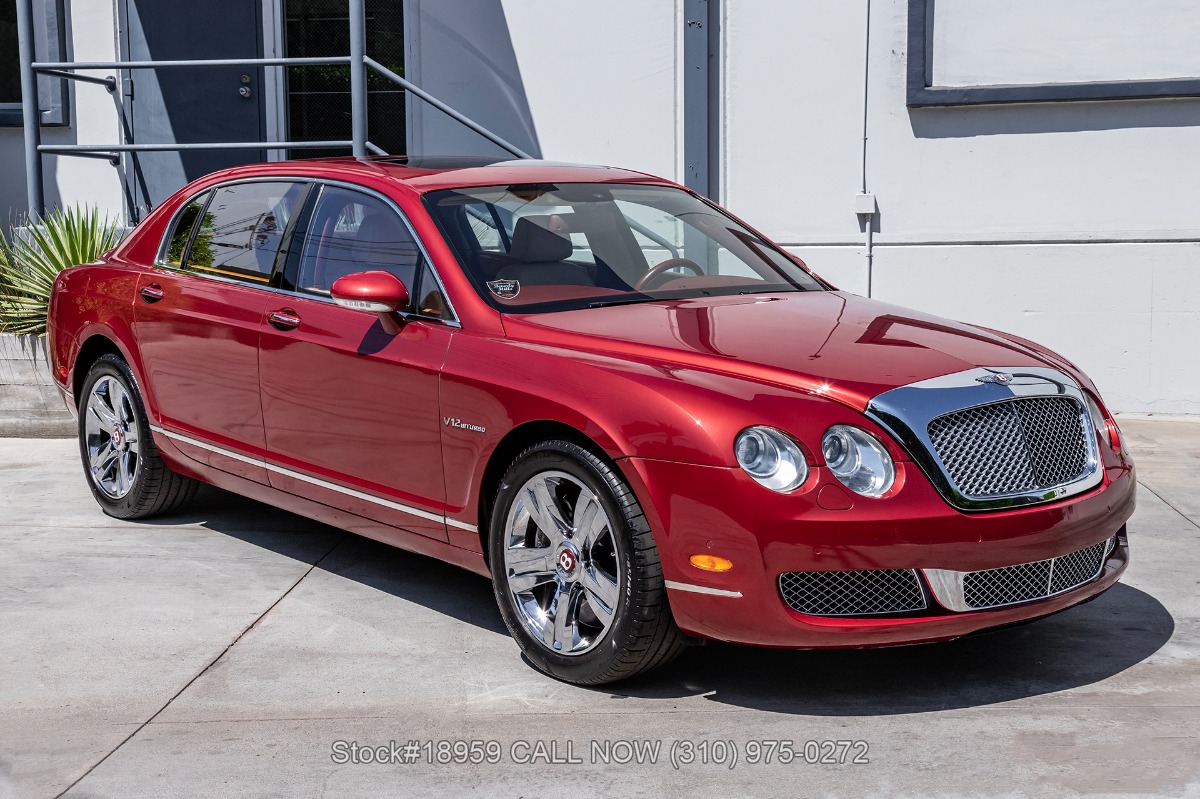
When to consider replacing or selling
Look for these clear signs it may be time to move on:
- Repeated expensive failures (engine, transmission, or major electronics)
- Repair costs approach or exceed market value of the car
- Safety or emissions systems fail repeatedly
- You no longer want to manage the upkeep
If you ask how long does a Bentley Flying Spur typically last, the honest answer includes financial sense: longevity is one thing; economic sense is another. Replace when repairs are no longer cost-effective.
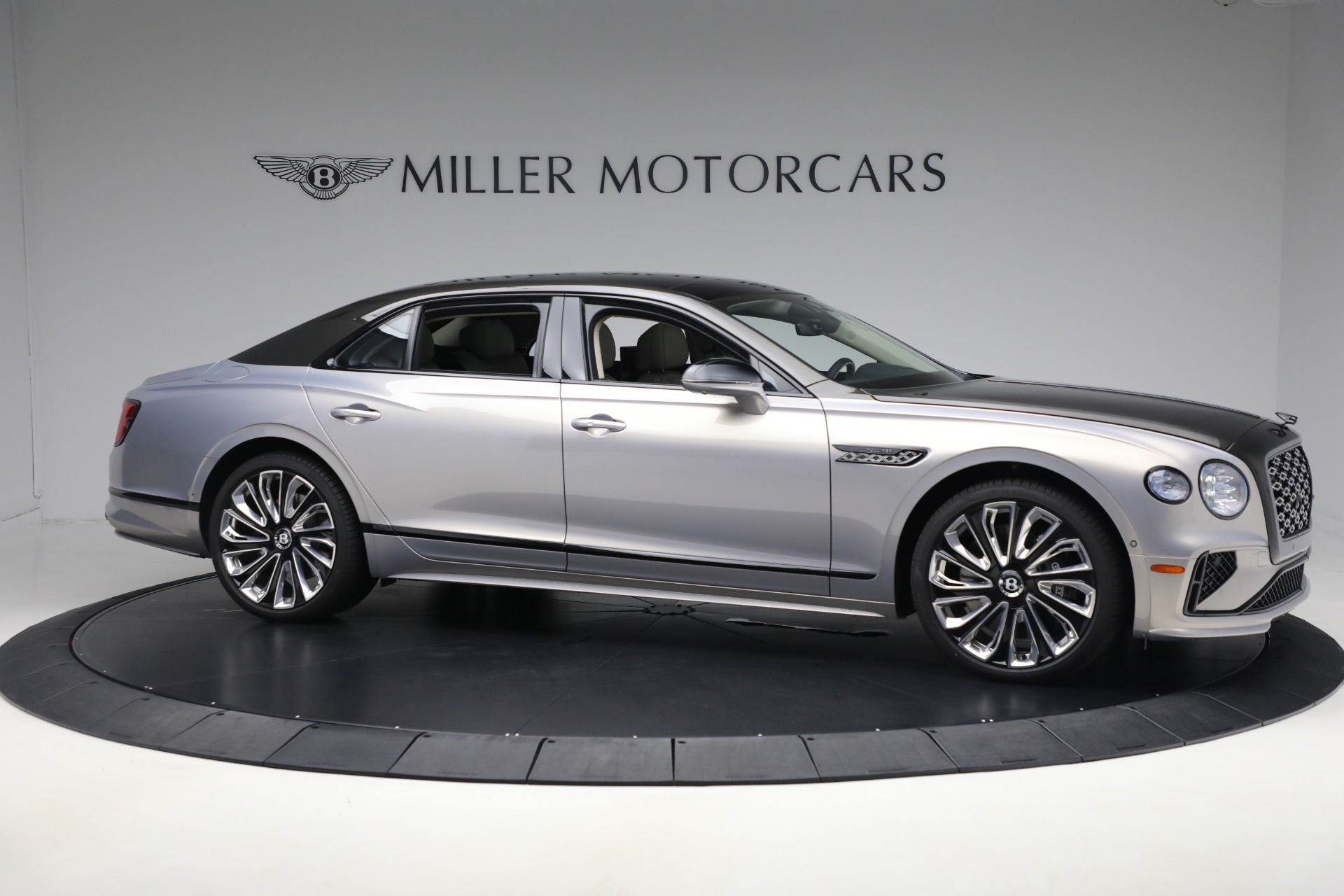
Buying used: How to gauge remaining life
Check service records
- Full records indicate consistent care. Gaps are red flags.
Inspect wear points
- Look at suspension bushings, steering, brakes, and interior trim. Excessive wear shows hard use.
Request compression and scan tests
- Engine compression numbers and diagnostic scans reveal hidden issues. These tests help estimate remaining life.
Factor in model-specific issues
- Research years and known problems for the exact Flying Spur generation you consider.
Negotiate based on projected maintenance
- Use likely upcoming service costs to set a fair price.
When judging how long does a Bentley Flying Spur typically last, use facts from inspection and history to estimate remaining life and value.
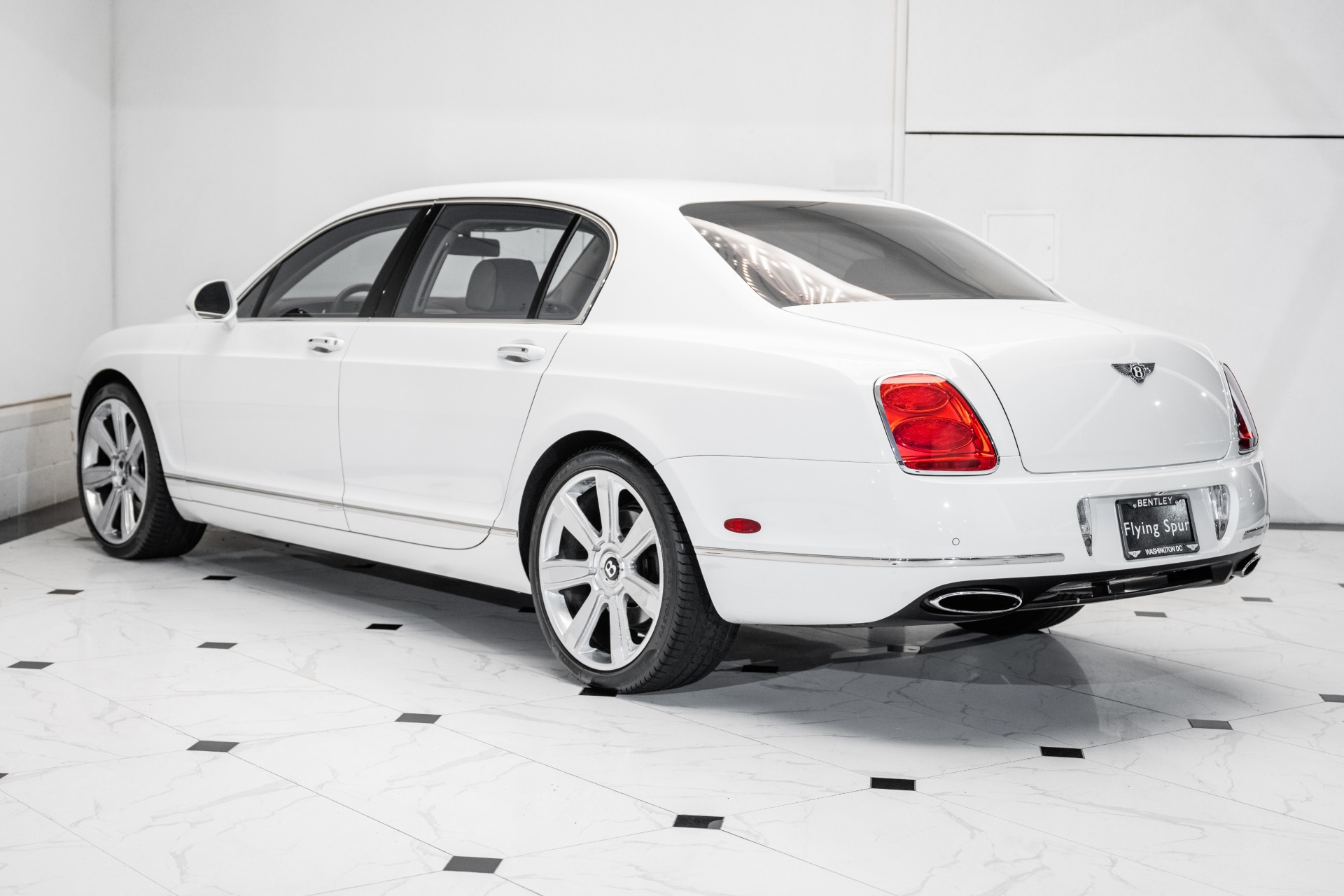
Frequently Asked Questions of How long does a Bentley Flying Spur typically last?
How long do Bentley Flying Spurs last on average?
Most well-maintained Flying Spurs reach 200,000 miles, and some exceed 300,000 miles under careful care.
Does maintenance really extend the life of a Flying Spur?
Yes. Regular service, timely repairs, and use of genuine parts are the main factors that extend vehicle life.
Are newer Flying Spur models more durable than older ones?
Newer models often have improved engineering and materials, which can improve longevity and reduce certain failures.
What major repairs should owners expect at high mileage?
Expect possible transmission service, suspension rebuilds, and electrical repairs as common high-mileage services.
Is it worth buying a high-mileage Flying Spur?
It can be, if the car has full service records, recent major work done, and a clear price that reflects future maintenance needs.
How does climate affect Flying Spur longevity?
Harsh climates, salt, and humidity accelerate corrosion and electrical issues, reducing lifespan if not mitigated.
Conclusion
A Bentley Flying Spur can be a long-lived car when cared for thoughtfully. Expect roughly 200,000 miles as a practical lifetime goal, with many owners exceeding that with proper maintenance and attention. Make choices that protect the engine, transmission, and electronics. Keep service records, use trained technicians, and inspect carefully when buying used. If you own one, commit to a maintenance plan; if you plan to buy, look for history and honest pricing. Try these tips, track service closely, and you’ll get the most life and pleasure from a Flying Spur. Share your experience below or subscribe for more ownership guides and buying checklists.