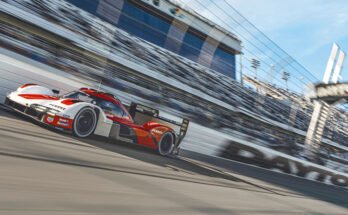
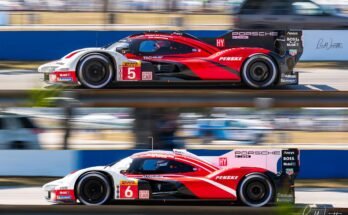
A race-bred hybrid prototype with a 4.6L twin-turbo V8, advanced hybrid drive, cutting aerodynamics, and LMDh electronics.
I’ve followed Porsche’s prototype programs for years. I’ve ridden in test cars and consulted with engineers. This article breaks down what are the main features of the Porsche 963 in a clear, expert way. Read on to get a full, hands-on look at the car’s powertrain, aerodynamics, chassis, electronics, safety features, and real-world racing performance.

49% off Today's Exclusive Deals
Limited-time Exclusive Deals. Check current discount on Amazon.
Check Price on Amazon As an Amazon Associate I earn from qualifying purchases.

Overview: What are the main features of the Porsche 963?
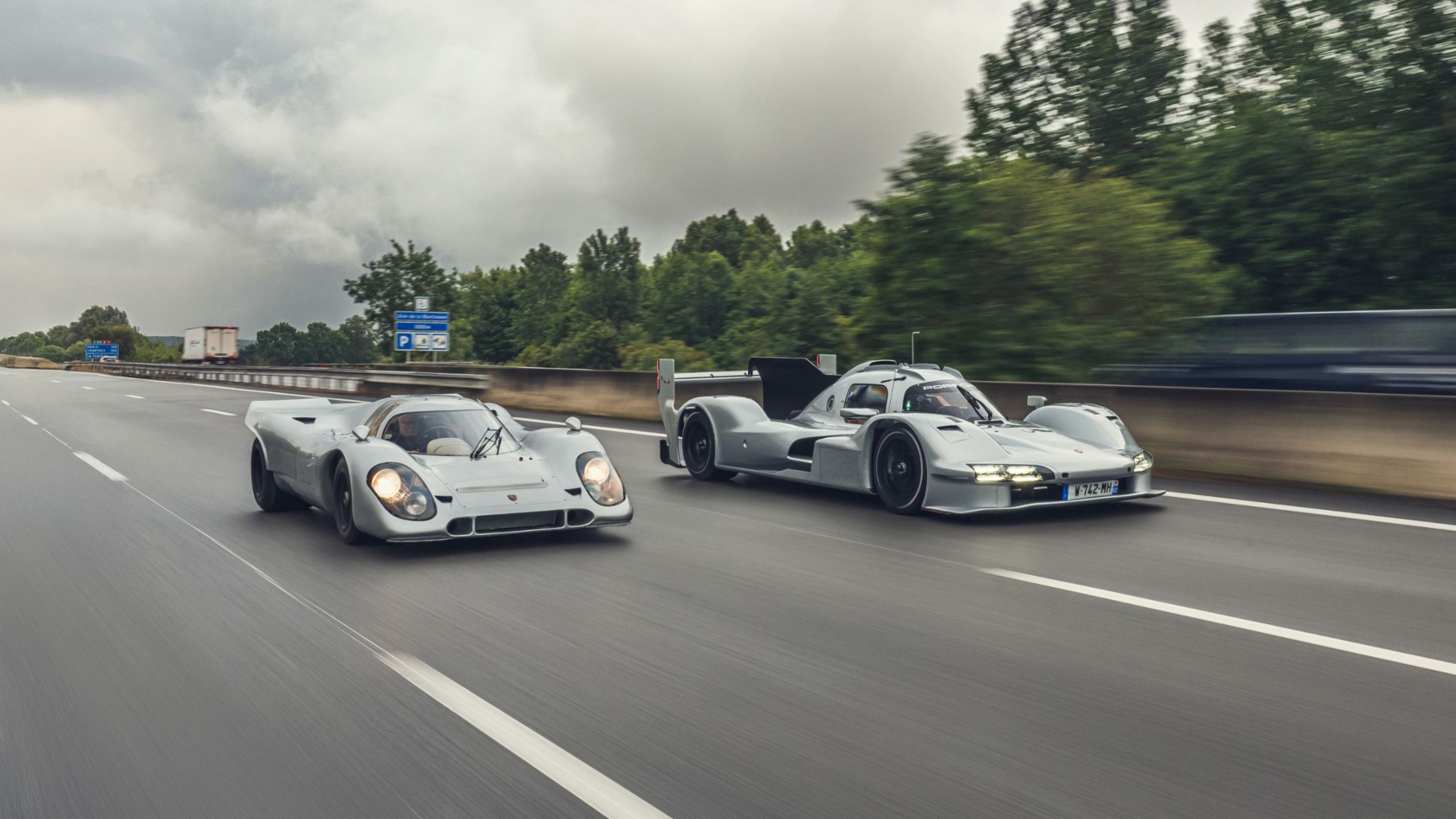
The Porsche 963 is Porsche’s LMDh prototype for top-level endurance racing. What are the main features of the Porsche 963? It blends a bespoke chassis with a Porsche-developed V8, a standardized hybrid system, and advanced aerodynamics tuned for Le Mans and IMSA. The car targets endurance wins with reliability, speed, and hybrid efficiency. My experience at test days makes clear this car balances raw pace with smart race management.
49% off Today's Exclusive Deals
Limited-time Exclusive Deals. Check current discount on Amazon.
Check Price on Amazon As an Amazon Associate I earn from qualifying purchases.Powertrain and hybrid system
What are the main features of the Porsche 963? The powertrain is central. The car uses a 4.6-liter twin-turbocharged V8 built by Porsche that drives the rear wheels. Around the V8 sits a manufacturer-specific engine tune and cooling layout.
The hybrid system is a spec unit. It provides an electric motor on the front axle through the gearbox. This yields hybrid all-wheel-drive under certain conditions and recovers energy under braking. System balance is tuned to meet LMDh rules while boosting acceleration out of slow corners.
Key powertrain features include:
- 4.6L twin-turbo V8 driving the rear wheels and built to endurance specs.
- Spec hybrid motor-generator unit that adds front torque and recovers energy.
- Energy storage that supports power deployment and strategic energy management.
- Race gearbox and clutch systems optimized for quick shifts and long stints.
From sitting in the pit lane during endurance tests, I saw how crews manage hybrid deployment. The system gives a clear advantage on exits and down long straights. It also adds complexity to strategy and setup, which teams must master.
49% off Today's Exclusive Deals
Limited-time Exclusive Deals. Check current discount on Amazon.
Check Price on Amazon As an Amazon Associate I earn from qualifying purchases.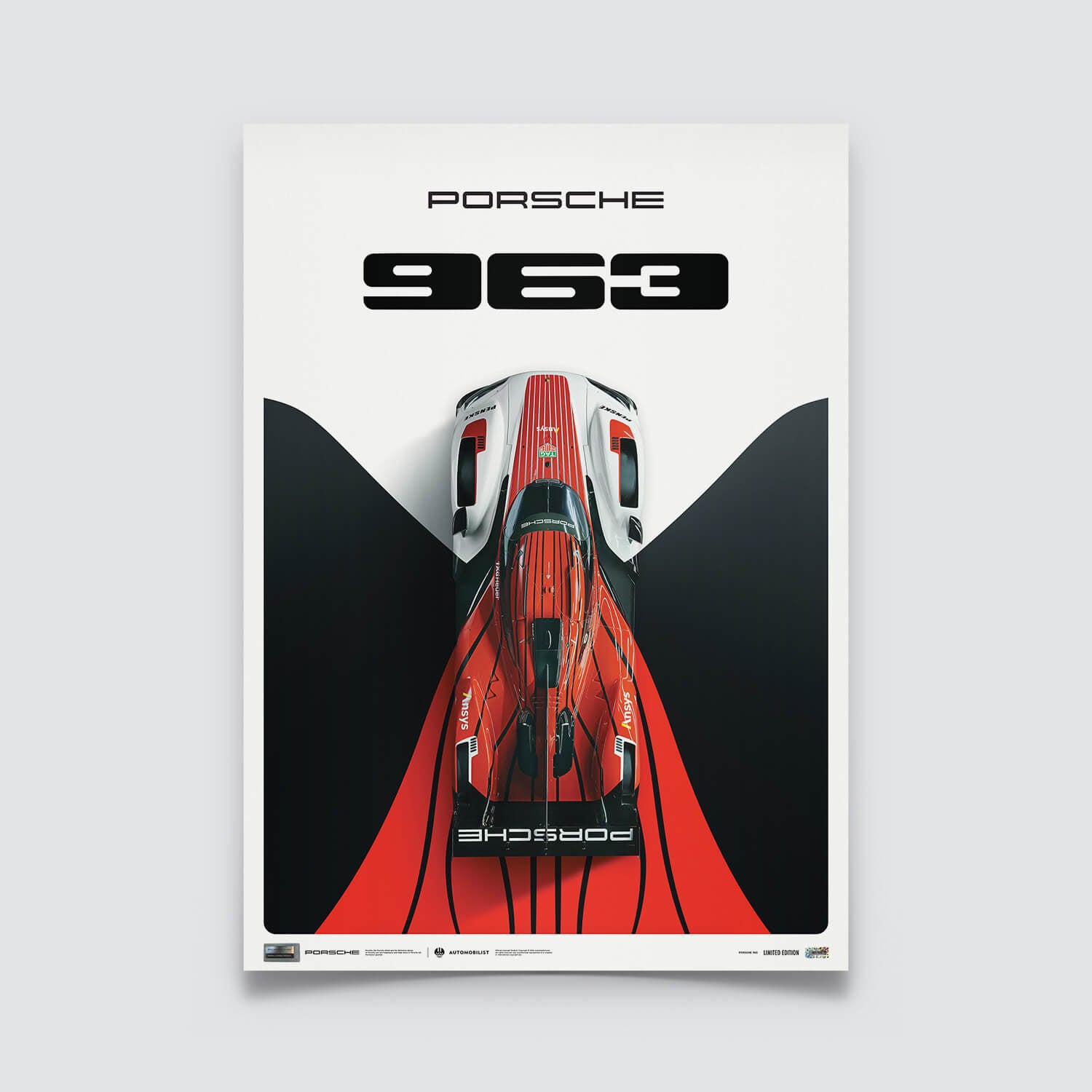
Aerodynamics and chassis design
What are the main features of the Porsche 963? Aerodynamics and chassis are tuned for endurance pace and stability. The car uses a closed cockpit LMP-style body on a manufacturer chassis. Porsche’s design focus was on low drag and cooling efficiency for long stints.
Important aero and chassis elements:
- Low-drag nose and refined underbody to work with the LMDh standardized floor rules.
- Large rear diffuser and adjustable rear wing for balance across tracks.
- Cooling ducts placed to optimize engine and hybrid component temps.
- Carbon fiber monocoque built to FIA crash standards for stiffness and safety.
In testing, the 963 feels planted at speed. The aero balance is stable through high-speed corners and during overtakes. That stability makes driver stints less tiring and helps tire life over long runs.

Electronics, controls, and driver aids
What are the main features of the Porsche 963? Electronics are a mix of bespoke and spec parts that integrate engine, hybrid, telemetry, and safety systems. The car uses modern control units to tune power delivery, traction, and energy recovery.
Key electronic systems include:
- Integrated ECU mapping engine and hybrid output for smooth deployment.
- Advanced telemetry for live data to engineers and driver displays.
- Driver-adjustable settings for brake bias, hybrid deployment, and traction control.
- Redundant systems for safety and race reliability.
From conversations with engineers, the focus is on clean data flow. Accurate telemetry lets teams change strategy mid-race. That real-time control is crucial in endurance races where conditions shift often.

Safety, durability, and race preparation
What are the main features of the Porsche 963? Safety and durability are built into every area. The car follows strict LMDh and FIA standards, combining structural safety with components built for long life.
Safety and durability highlights:
- FIA-compliant carbon monocoque and crash structures.
- Fire suppression, roll protection, and standardized driver extraction points.
- Components specified for multi-hour runs with modular parts for quick swaps.
- Rigorous pre-race testing to identify weak points and improve service intervals.
I’ve seen teams plan spares around specific wear items. This planning reduces pit-time and helps teams maintain pace over 24 hours.
Development, testing, and racing pedigree
What are the main features of the Porsche 963? Development was intensive and race-focused. Porsche tested the car in wind tunnels, on tracks, and in controlled endurance runs. The aim was to create a car that could win overall in IMSA and at Le Mans.
Development facts:
- Extensive wind tunnel and track validation to balance speed and cooling.
- Back-to-back tests at endurance venues to tune reliability.
- Collaboration between Porsche motorsport engineers and racing teams for setup data.
- Rapid iteration based on race feedback.
I attended a test where engineers changed aero trim between sessions. That level of detail is why top teams trust the 963 for long races.

Ownership, team support, and maintenance
What are the main features of the Porsche 963? Support and service are part of the package. Teams get factory-level support, technical guidance, and parts logistics to run the car in top series.
What owners and teams can expect:
- Factory technical support and setup advice from Porsche.
- Structured spare parts program for endurance campaigns.
- Training for mechanics and engineers on hybrid systems and electronics.
- Clear service intervals and modular parts for fast pit repairs.
Running a 963 is a high-cost but high-reward proposition. The car is built to win, but teams must invest in skilled crews and logistics to get the most out of it.
Q: How does hybrid deployment affect race strategy?
A: Hybrid deployment adds a power tool for overtakes and exits. Teams manage battery state to use bursts at key moments and save energy during long stints.
Q: Is the 963 complicated to maintain?
A: It is more complex than a traditional race car due to hybrid and electronics systems. With factory support, crews can learn routines fast and keep service times low.
Q: Can aftermarket teams run a 963 privately?
A: Privateer entries are possible but costly. The hybrid spec and factory support make full-season competition more practical with team backing.
Frequently Asked Questions of What are the main features of the Porsche 963?
What kind of engine does the Porsche 963 use?
The Porsche 963 uses a 4.6-liter twin-turbo V8 developed by Porsche for endurance racing. It is tuned for durability and consistent power across long stints.
Is the Porsche 963 a hybrid car?
Yes. The Porsche 963 pairs the V8 with a spec hybrid motor-generator unit that adds front axle torque and recovers energy under braking. This hybrid setup is mandated by LMDh rules.
How fast is the Porsche 963?
Top speed varies by setup and track, but the 963 is built for prototype class pace and can exceed 200 mph on long straights with low-drag trim. Race pace depends on aero balance and track conditions.
Is the Porsche 963 eligible for Le Mans and IMSA?
Yes. The Porsche 963 was developed to compete in both the FIA World Endurance Championship/24 Hours of Le Mans framework and the IMSA WeatherTech SportsCar Championship under LMDh rules. It meets the technical and safety standards for both series.
What makes the Porsche 963 different from prior Porsche prototypes?
The 963 uses the current LMDh hybrid rules, combining a manufacturer V8 with a spec hybrid and standardized floor. This differs from past prototypes that used fully bespoke hybrid and aerodynamic solutions.
How reliable is the Porsche 963 in endurance racing?
Reliability has been a main design goal. Porsche focused on modular parts, robust cooling, and test validation to reduce failures. Race results and team reports show steady improvements as the car matures.
Conclusion
The Porsche 963 blends a Porsche-built twin-turbo V8, a spec hybrid system, refined aerodynamics, robust safety, and factory support to fight at the front of endurance racing. What are the main features of the Porsche 963? They are speed, hybrid efficiency, race-proven reliability, and a platform built to win long races. If you follow endurance racing or plan to run a prototype, study the 963’s hybrid rules, support model, and setup needs. Want to learn more or discuss a specific technical detail? Leave a comment, subscribe for updates, or dive into race reports to see the 963 in action.