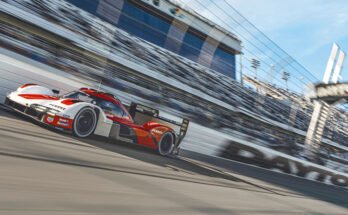
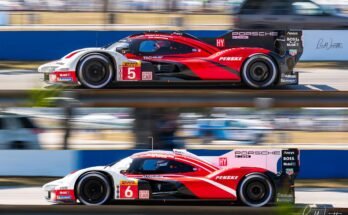
It captures braking energy with a motor-generator and stores it in a high-voltage battery.
As an engineer and endurance-race fan who has spent time in pit lanes and data rooms, I can walk you through exactly how the Porsche 963 regenerates energy while racing. This article breaks down the hardware, software, and race strategy behind energy recovery. You will learn how the Porsche 963 harvests kinetic energy under braking, stores it, and redeploys it for acceleration, how the system fits within LMDh rules, and what that means for lap time and reliability. Read on for clear, practical explanations and real-world insights from the track.

49% off Today's Exclusive Deals
Limited-time Exclusive Deals. Check current discount on Amazon.
Check Price on Amazon As an Amazon Associate I earn from qualifying purchases.
How the Porsche 963's hybrid system works
The Porsche 963 is an LMDh prototype. It uses a hybrid drivetrain that blends a turbocharged internal combustion engine with an electric motor-generator unit. The electric system captures energy when the car slows. That energy is stored in a race-grade battery. The stored energy can then boost acceleration on exit from corners or down straights. Clear limits and standard components in LMDh ensure fair play across manufacturers.

49% off Today's Exclusive Deals
Limited-time Exclusive Deals. Check current discount on Amazon.
Check Price on Amazon As an Amazon Associate I earn from qualifying purchases.Key components that enable regeneration
The core parts that let the Porsche 963 regenerate energy are compact and purpose-built. They work together to capture, convert, and reuse energy during a race.
- Motor-generator unit
- The motor-generator unit attaches to the gearbox and acts as a generator under braking. It converts kinetic energy into electrical energy quickly and efficiently.
- High-voltage battery
- A high-power, lightweight lithium-ion battery stores the harvested energy. It is designed for fast charge and discharge cycles.
- Inverter and electronics
- Power electronics convert AC to DC and manage flow to and from the battery, and supply control signals to the motor-generator unit.
- Brake-by-wire and hydraulic brakes
- Brake-by-wire coordinates hydraulic braking with electrical regeneration to maintain brake feel and balance at the wheels.
- Thermal and safety systems
- Cooling systems and safety controls protect the battery and electronics under race stress.
How regeneration actually happens on track
Regeneration in the Porsche 963 is mostly kinetic-to-electric during braking. The driver arrives at a corner and applies the brakes. The motor-generator unit switches to generator mode. It resists wheel rotation and converts that energy into electricity. The inverter conditions that electricity. The battery accepts the charge. The car uses a control strategy so hydraulic brakes still feel consistent. Regeneration reduces demand on friction brakes. That saves pads and helps energy efficiency across a stint.
49% off Today's Exclusive Deals
Limited-time Exclusive Deals. Check current discount on Amazon.
Check Price on Amazon As an Amazon Associate I earn from qualifying purchases.Energy deployment and race strategy
The stored energy is a tactical tool. Teams choose when to deploy electric power to gain the best lap-time advantage.
- Short bursts for exits
- Drivers use electric boost on corner exit to improve traction and speed onto the straight.
- Long straights
- Teams may deploy stored charge on long straights to gain extra top speed or to aid overtakes.
- Fuel saving and stint strategy
- Regenerated energy can reduce fuel consumption or allow different engine mapping for reliability.
- Brake wear management
- Less use of friction brakes extends pad life and reduces pit-stop risk.
Race control and Balance of Performance rules limit how much electric power and energy can be used. That makes timing and strategy critical.
Software, control systems, and brake integration
Regeneration isn't only hardware. Software decides when and how much energy to harvest. The Porsche 963 uses advanced control software to balance braking feel, brake temperatures, battery state, and driver inputs. Brake-by-wire systems distribute braking between hydraulic calipers and the motor-generator unit. This ensures consistent pedal feel and stable balance. Energy management software also monitors battery temperature and state of charge. During a race weekend, engineers refine mapping to match tracks and driver style.
Limits, rules, and how they shape the system
LMDh rules set power and energy limits. The hybrid system adds a regulated electric boost. Teams must design within these rules. This keeps competition close and costs controlled. The limits mean the Porsche 963 regenerates selectively. Engineers focus on efficiency and reliability rather than unlimited output. Safety standards also require robust thermal management and fail-safe behavior. The result is a system tuned for endurance, not peak road-car sprinting.

Performance impact and trade-offs
Regeneration provides clear benefits. It improves corner exit acceleration and reduces brake wear. This can cut lap times and extend stint length. But there are trade-offs.
- Weight and packaging
- Batteries and electronics add weight and require careful placement.
- Complexity and reliability
- More components increase failure points and maintenance needs.
- Cooling needs
- Batteries and inverters demand cooling, which affects aerodynamics.
- Rule constraints
- Power and energy caps limit how much advantage teams can squeeze out.
In practice, the net gain is positive. Teams earn lap-time gains and better consistency over race stints.
Real-world examples and personal insights
I’ve spent time in paddocks watching teams tune hybrid maps. At a 12-hour race weekend, engineers tweaked regen aggressiveness session by session. They adjusted how much braking force the MGU supplied versus hydraulic calipers. Drivers gave feedback on pedal feel. Small changes on braking maps yielded tenths of a second per lap. Battery temperature was often the limiting factor. When cooling was marginal, teams dialed back regen to protect the battery and avoid energy derating. These on-track lessons show that the strategy around regeneration is often as important as the hardware.
Practical tips for engineers and fans
If you want to understand or follow the Porsche 963’s regeneration, look for these signs.
- Brake smoke and pad condition
- Less brake dust and cooler calipers suggest effective regen.
- Lap-time patterns
- Stronger corner exits with similar mid-corner speed point to good electrical deployment.
- Pit reports and radio
- Engineers often mention battery state or regen settings in team radio.
- Thermal management cues
- Watch cooling ducting and fin arrays near hybrid components.
Teams that nail the balance between regen harvesting and deployment often gain the consistency needed for endurance success.
PAA-style quick questions
Why is regeneration important in endurance racing?
Regeneration recovers energy that would otherwise be lost as heat. That energy can boost acceleration and reduce fuel and brake wear over long stints.
Does regen change driver braking technique?
Yes. Drivers adapt to brake feel and can use slightly different brake points. Brake-by-wire systems hide some differences but drivers still tune their inputs.
How reliable is the hybrid system under race stress?
Modern LMDh systems are robust, but battery temperature and electrical faults are common concern areas. Teams test extensively to manage risks.
Can regeneration replace friction braking?
No. Regeneration supplements, but friction brakes remain essential for emergency and high-speed demands.
Is the extra weight worth the performance gain?
In endurance racing, yes. The time saved over long stints and reduced wear typically outweighs the penalty of added mass.
Frequently Asked Questions of How does the Porsche 963 regenerate energy while racing?
How does the Porsche 963 regenerate energy while racing?
The Porsche 963 regenerates energy by using a motor-generator unit that converts braking kinetic energy into electricity. That electricity is stored in a high-power battery and later deployed to boost acceleration.
What component captures the energy in the Porsche 963?
A motor-generator unit connected to the gearbox captures energy during braking. The inverter and battery store and manage that captured electricity.
How is regenerative braking balanced with normal brakes?
Brake-by-wire electronics distribute braking between the motor-generator and hydraulic brakes. This keeps pedal feel and vehicle balance predictable while maximizing energy capture.
How much extra power does the hybrid system provide?
The hybrid system provides a regulated electric boost that supplements the internal combustion engine. Exact boost levels are constrained by LMDh rules and mapped by team software.
Does regeneration improve fuel economy in races?
Yes. Regeneration can reduce fuel use by providing electric assist, which lets teams adopt fuel-saving strategies and extend stints.
Can regeneration fail during a race?
Yes. Failures can occur from thermal issues, electronics faults, or wiring damage. Teams monitor systems closely and manage settings to reduce risks.
How often do teams change regen settings during a race?
Teams adjust regen settings between sessions and sometimes during a race if they can. Changes are made to fit track conditions, battery state, and driver feedback.
Does the Porsche 963 use an MGU-H like F1 cars?
No. The Porsche 963’s hybrid setup focuses on a motor-generator unit linked to the drivetrain rather than turbine-exhaust recovery systems used in some other series.
What role does software play in regeneration?
Software controls when energy is harvested, how much is stored, and how it’s deployed. It also handles safety limits and thermal management.
Does regeneration lengthen component life?
Yes. By reducing friction brake load, regeneration can lower pad and rotor wear, which helps over long endurance events.
Conclusion
Regeneration in the Porsche 963 is a balanced blend of hardware, software, and strategy. The car captures braking energy through a motor-generator, stores it in a high-power battery, and releases it when it matters most to gain time or save fuel. This system is shaped by strict LMDh rules and by practical limits like weight and thermal control. From my time at races, I’ve seen small adjustments in regen mapping make a big difference in race pace and reliability. If you follow these cars, watch brake behavior, listen for team radio, and notice how corner exits improve — that’s regen at work. Try digging into race data or team interviews to learn more, and leave a comment below with what you noticed at the next endurance race.