The Porsche 963 combines an FIA-homologated carbon monocoque, crash structures, fire suppression, wheel tethers, harnesses, and hybrid safety cutoffs.
As a racing engineer and long-time prototype mechanic, I’ve inspected and raced around LMDh cars, including the Porsche 963. This article breaks down what safety systems are included in the Porsche 963, why they matter, and how they work together to protect drivers, crews, and spectators. I’ll explain structure, restraints, fire and fuel safeguards, hybrid protections, electronics, testing, and real-world tips from the pit lane so you can understand the car’s safety from both technical and practical views.

49% off Today's Exclusive Deals
Limited-time Exclusive Deals. Check current discount on Amazon.
Check Price on Amazon As an Amazon Associate I earn from qualifying purchases.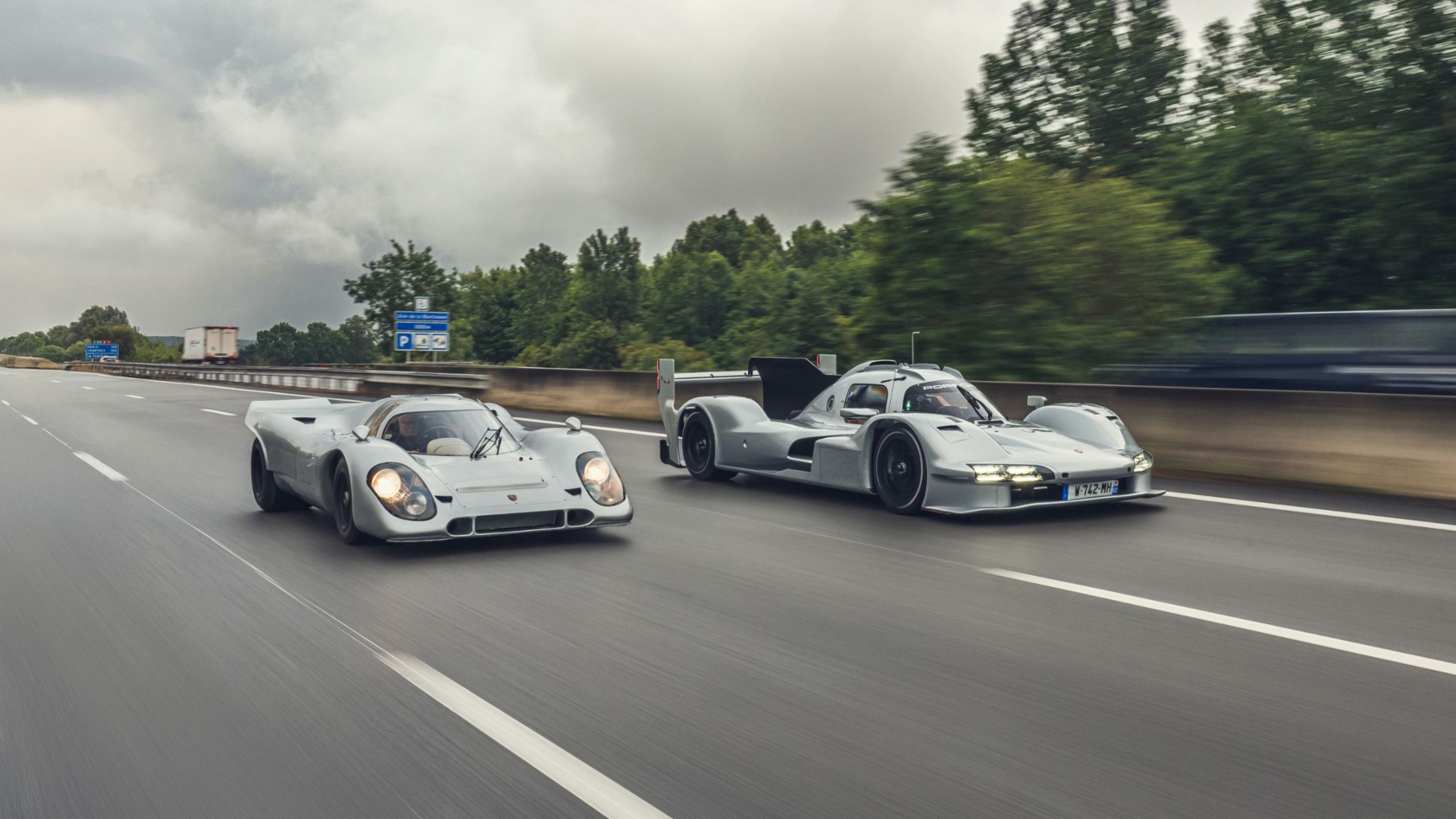
Safety structure and crash protection
What safety systems are included in the Porsche 963? At the core is an FIA-homologated carbon fiber monocoque. This tub is the primary survival cell. It is stiff and tested to absorb loads without intruding on the cockpit.
The car also uses front and rear crash structures. These sacrificial crash elements crush on impact and reduce forces transmitted to the driver. Side-impact intrusion panels and deformable structures protect from lateral hits.
49% off Today's Exclusive Deals
Limited-time Exclusive Deals. Check current discount on Amazon.
Check Price on Amazon As an Amazon Associate I earn from qualifying purchases.A strong roll structure and roof hoop protect the driver in rollovers. Wheel tethers limit wheel detachment risk after high-energy impacts. Together, these parts meet strict FIA and IMSA crash standards.

Driver protection and restraint systems
What safety systems are included in the Porsche 963? Driver protection includes an FIA-approved racing seat shaped to the driver. The seat and surrounding foam support the head and spine.
A six-point harness keeps the driver in place during sudden deceleration. The HANS (Head and Neck Support) device is mandatory and links the helmet to the belts to reduce neck loads. Cockpit padding, energy-absorbing headrests, and a quick-release steering wheel improve both safety and fast egress.
49% off Today's Exclusive Deals
Limited-time Exclusive Deals. Check current discount on Amazon.
Check Price on Amazon As an Amazon Associate I earn from qualifying purchases.Extraction points and accessible harness release mechanisms help marshals remove a driver quickly after a crash. These systems are simple but vital in a rescue.

Fire suppression, fuel system, and wheel safety
What safety systems are included in the Porsche 963? The car has a multi-zone fire suppression system. It uses both automatic activation from crash sensors and manual triggers inside and outside the cockpit.
The fuel system uses an FIA-bladder-type fuel cell and protected fuel lines. The bladder reduces leakage risk. Fuel pumps and valves are designed to shut off automatically in a crash to limit fuel flow.
Wheel tethers and secure wheel carriers lower the chance of wheels flying off and hitting people or other cars. These systems reduce secondary hazards after an impact.
Hybrid and high-voltage safety systems
What safety systems are included in the Porsche 963? Hybrid-specific protections are layered into the car. The high-voltage battery has robust mechanical shielding and electrical insulation.
There are crash-triggered high-voltage isolation systems that disconnect battery output on impact. A battery management system monitors temperatures and voltages and can force a safe shutdown. Emergency HV cut-off switches are located on the car exterior for first responders.
These measures prevent electrical fires and protect rescue teams from shock risks during extraction.

Electronics, telemetry, and emergency systems
What safety systems are included in the Porsche 963? Electronics aid safety by logging crash data and by coordinating automatic systems. Onboard telemetry sends crash and status data to teams and race officials in real time.
There are external master switches and battery isolators. These let marshals and safety crews remove power quickly. Rain lights, tow points, and clear external cut-off markers help marshals work faster and safer during an incident.
Testing, homologation, and regulatory compliance
What safety systems are included in the Porsche 963? Every major safety element is validated through FIA and IMSA homologation tests. The monocoque and crash structures undergo static and dynamic impact tests.
Fuel cells, fire systems, and battery protections meet defined test criteria for puncture, leak, and fire behavior. Homologation is not a one-time step; data from races leads to iterative updates. This continuous improvement keeps the Porsche 963 aligned with advancing safety science.
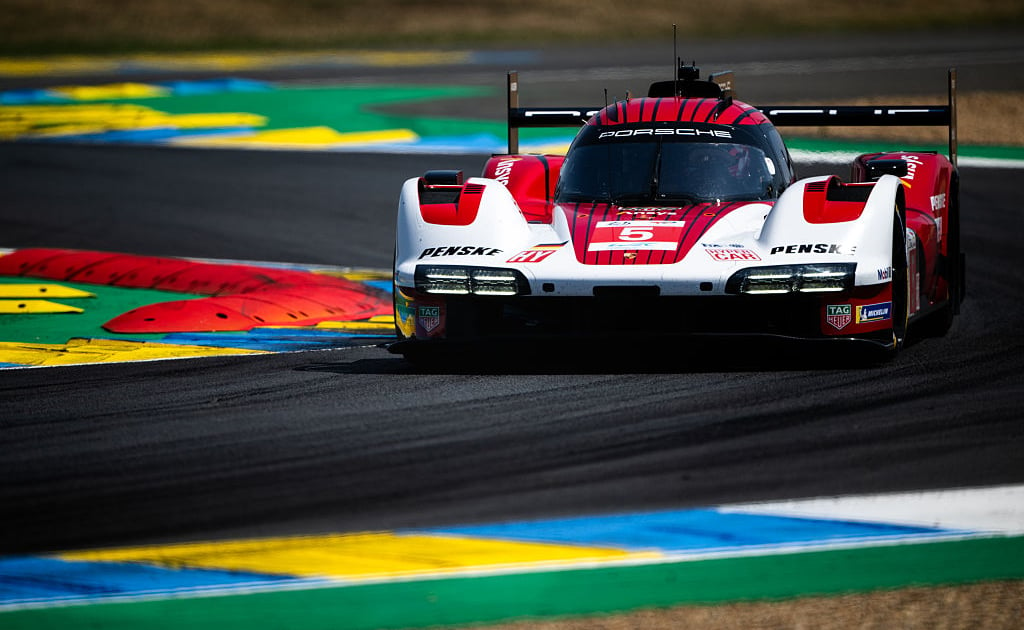
Personal experience and practical tips from the pit lane
What safety systems are included in the Porsche 963? From hands-on checks, the basics that save lives are often the simple ones. I’ve seen pit crews catch small harness chafes that could become dangerous in a crash. I’ve also seen a battery isolator left unsecured, stressing the importance of pre-race checklists.
Practical tips
- Inspect harness webbing for wear and proper routing every race.
- Confirm fire suppression charges and pressure readings before track sessions.
- Verify external cut-offs are visible and functional.
- Practice quick egress drills with your team and driver.
Lessons learned
- Never skip a full walk-around. A small loose bolt on a tether can change outcomes.
- Respect hybrid systems. Always treat the battery as live until proven otherwise.
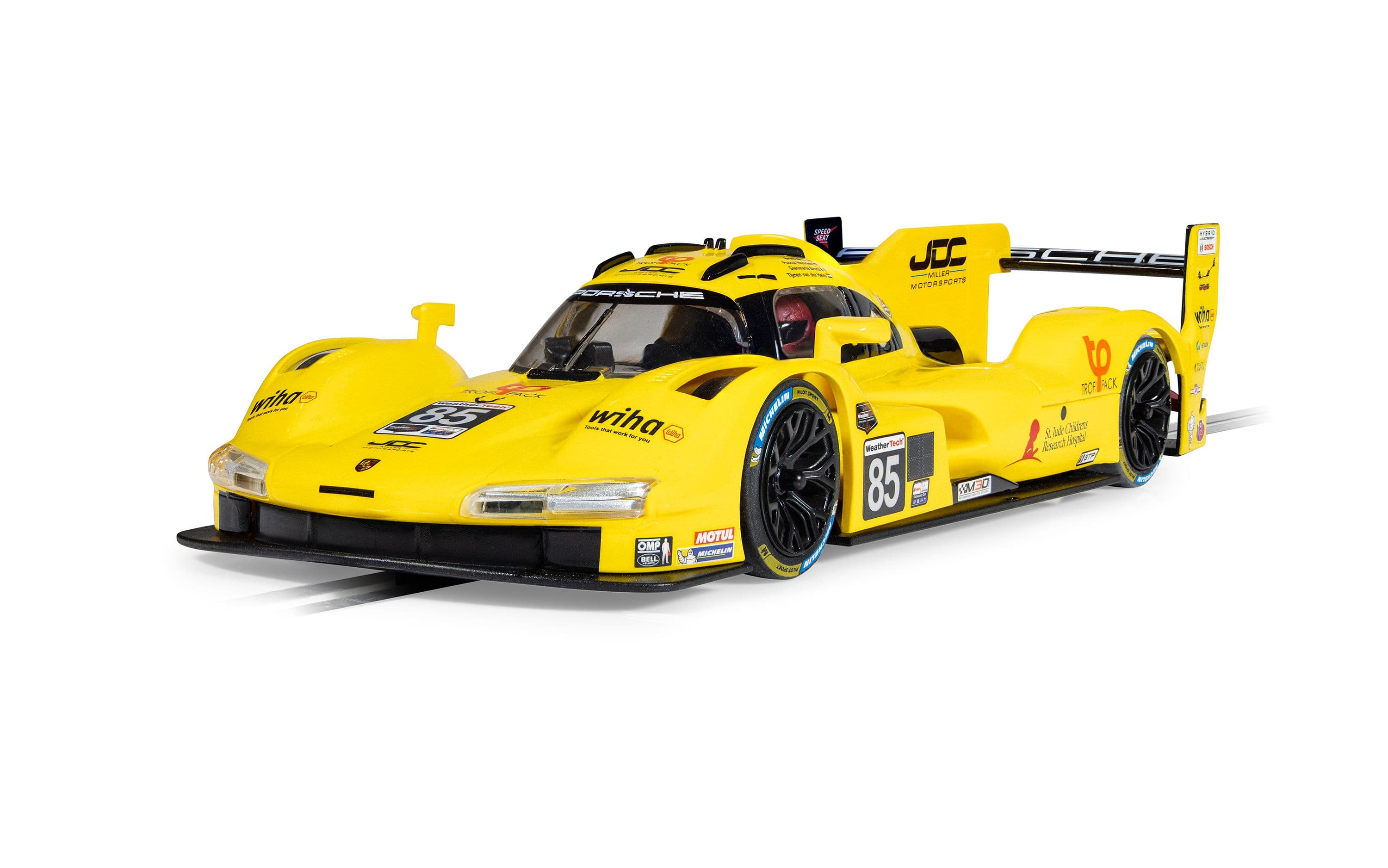
Source: scalextric.com
PAA-style quick questions
- How does the Porsche 963 protect the driver in a crash? The car uses a strong carbon monocoque, front/rear crash structures, side intrusion panels, and a roll hoop to absorb and redirect crash forces away from the cockpit.
- Does the Porsche 963 have automatic fire suppression? Yes. It has multi-zone suppression with automatic sensors and manual triggers for rapid intervention.
- Is the hybrid battery safe in a high-speed crash? The battery is heavily shielded, monitored, and fitted with crash-triggered isolation systems to reduce thermal runaway and electrical hazards.
Frequently Asked Questions of What safety systems are included in the Porsche 963?
What kind of crash cell does the Porsche 963 use?
The Porsche 963 uses an FIA-homologated carbon fiber monocoque. It is designed to stay intact and protect the driver during severe impacts.
Are wheel tethers fitted to the Porsche 963?
Yes. Wheel tethers are standard and designed to keep wheels attached to the chassis during an accident, reducing harm to bystanders and other cars.
How is the fuel system made safe in the Porsche 963?
The fuel system uses an FIA-approved bladder fuel cell and protected lines. Automatic shut-off valves and tank mounting reduce rupture risk.
What happens to the high-voltage system after a crash?
Crash sensors trigger high-voltage isolation. The battery management system forces a safe shutdown and isolates the battery from the rest of the car.
Does the Porsche 963 have systems for quick driver extraction?
Yes. The car includes quick-release harnesses, a removable steering wheel, visible external cut-offs, and clearly marked extraction points to speed rescue operations.
Are driver restraint devices required in the Porsche 963?
Drivers must use FIA-approved seats, multi-point harnesses, and a HANS device. These items work together to limit injury during an impact.
How often are safety systems inspected or serviced?
Teams inspect safety systems before every on-track session. Fire suppression checks and harness inspections are standard pre-race tasks.
Do the safety features meet both FIA and IMSA rules?
Yes. The Porsche 963 complies with FIA LMDh and IMSA safety requirements. Homologation covers both sets of standards.
Conclusion
The Porsche 963 pairs modern crash structures, proven restraint systems, active fire and fuel protections, and layered hybrid safety to create a robust safety package. Each system alone helps, but together they greatly reduce risk in high-speed racing. If you work with prototypes or follow endurance racing, make safety checks part of your routine. Stay curious, stay cautious, and if you liked this breakdown, leave a comment, subscribe for more deep dives, or ask a question about a specific safety detail you want explored further.