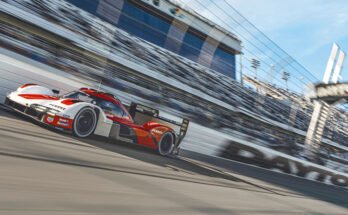
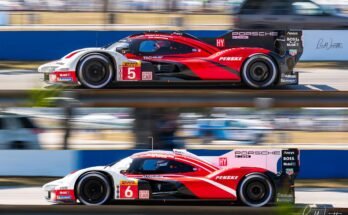
Porsche 963 runs on Michelin motorsport slicks for dry and Michelin wets for rain.
I have spent years around endurance teams and factory programs. I know the details that matter when you ask What tires does the Porsche 963 use in racing? This article breaks down the supplier, the compounds, the tech behind the rubber, how tires shape race strategy, and real-world tips teams use to get lap times and stint life right. Read on for clear, practical insight into the tires under one of the fastest LMDh cars on the grid.

49% off Today's Exclusive Deals
Limited-time Exclusive Deals. Check current discount on Amazon.
Check Price on Amazon As an Amazon Associate I earn from qualifying purchases.
Who supplies the tires for the Porsche 963?
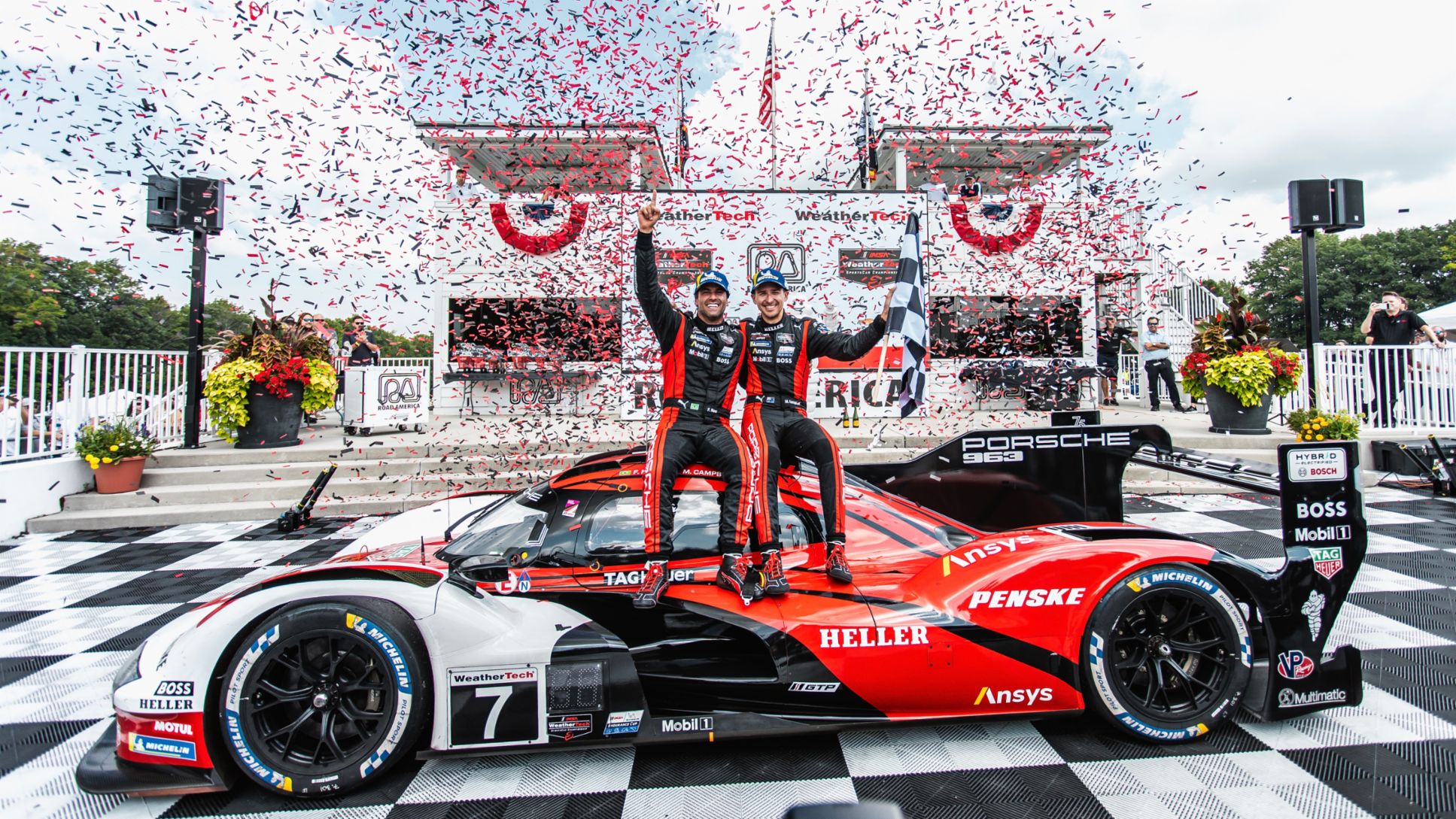
Porsche 963 runs with Michelin motorsport tires. Michelin is a long-term partner of Porsche in top-level racing. The company develops slicks for dry conditions and specific wet compounds for rain. Teams work closely with Michelin engineers to tune pressures and camber for each track.
49% off Today's Exclusive Deals
Limited-time Exclusive Deals. Check current discount on Amazon.
Check Price on Amazon As an Amazon Associate I earn from qualifying purchases.Tire specifications and sizes used on the Porsche 963
Tire rules for LMDh and Hypercar classes favor 18-inch wheels and race-specific constructions. Porsche 963 uses 18-inch race wheels fitted with low-profile, wide racing slicks in dry conditions. For wet conditions, the car uses treaded rain compounds tuned to evacuate water quickly.
Key characteristics
- Wheel diameter: 18 inches, per modern prototype regulations.
- Profile: very low sidewall for stability and quick response.
- Width: wide front and rear to maximize contact patch.
- Compounds: multiple Michelin compounds tuned for grip and wear.
What tires does the Porsche 963 use in racing? The short reality is Michelin’s tailored slick and wet compounds built to suit LMDh dynamics and Porsche’s set-up range. Teams choose compound and pressure based on track temp and stint targets.
49% off Today's Exclusive Deals
Limited-time Exclusive Deals. Check current discount on Amazon.
Check Price on Amazon As an Amazon Associate I earn from qualifying purchases.Tire construction and technology
Modern endurance race tires blend soft rubber compounds, robust carcass design, and internal layers to hold shape under high load. Michelin builds these tires to handle:
- High lateral forces in fast corners.
- Heavy braking loads at high speed.
- Long stints without catastrophic degradation.
Technology highlights
- Multi-compound treads for consistent grip.
- Reinforced sidewalls for predictable camber response.
- Optimized internal structure for even wear.
- Tire pressure monitoring systems (TPMS) for live telemetry.
What tires does the Porsche 963 use in racing? They use purpose-built Michelin constructions that balance peak grip with predictable wear for long stints.
How tires affect Porsche 963 performance on track
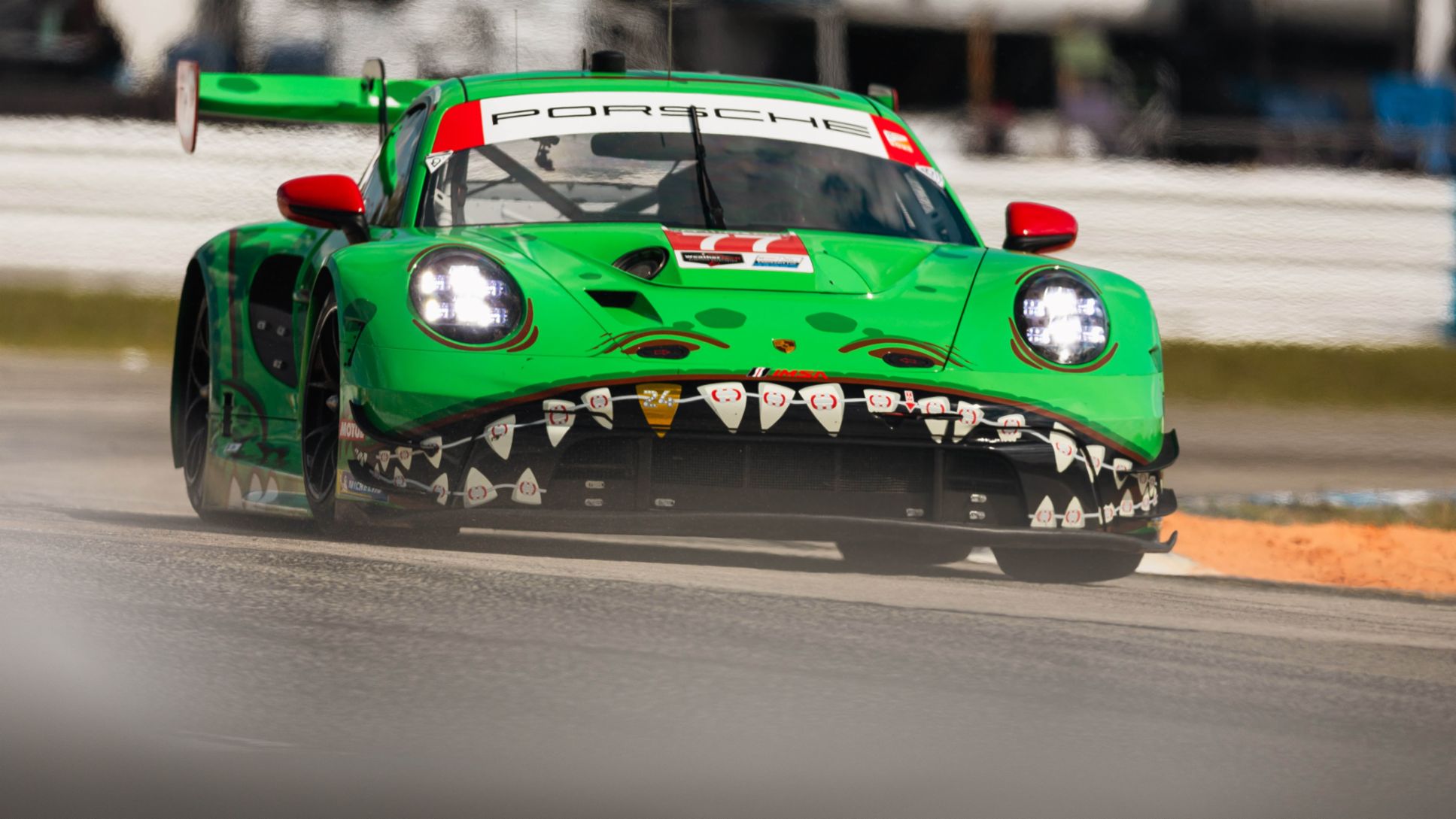
Tires are the single biggest factor in lap time outside of power and aero. Grip, heat build-up, and degradation shape how the Porsche 963 performs over a stint.
Performance links
- Grip vs. wear: softer compounds give instant speed but wear quicker.
- Temperature window: Michelin compounds have target temperature ranges for peak grip.
- Pressure and camber: small adjustments change contact patch shape and tyre life.
- Balance: front/rear grip balance determines understeer or oversteer behavior.
What tires does the Porsche 963 use in racing? The team picks Michelin compounds to hit a narrow temperature and pressure window that delivers consistent lap times and stint predictability.
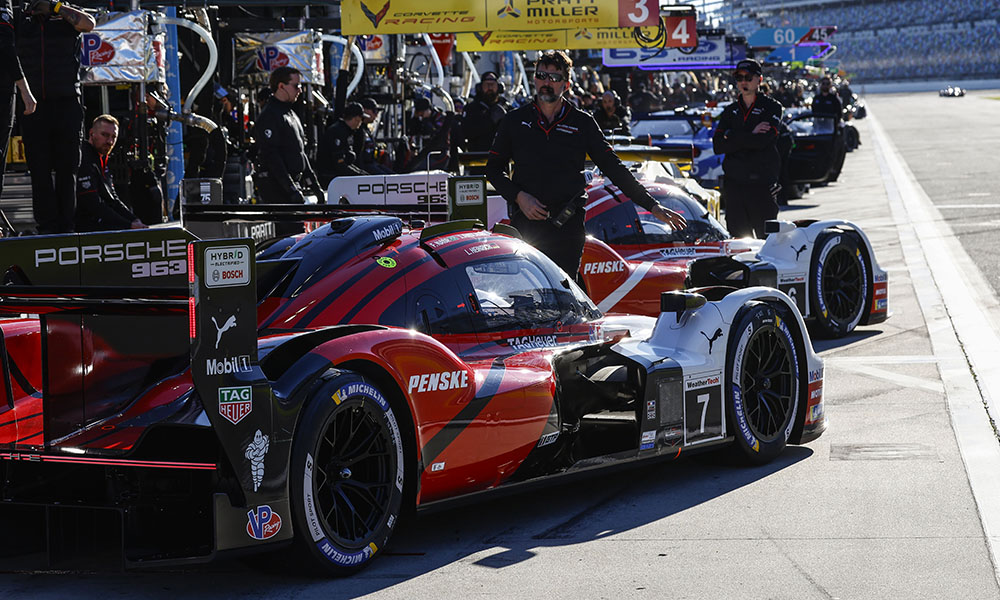
Tire strategy for endurance racing with the Porsche 963
Tire choice and management shape strategy in 6-, 8-, and 24-hour events. Teams blend tire choices with fuel, driver stints, and traffic plans.
Common strategic moves
- Start on the compound expected to last longer in traffic.
- Double-stint tires when degradation is low and track temp is stable.
- Use fresh tires for qualifying or key stints to maximize lap time.
- Adjust pressures after initial laps to reach the tire’s ideal window.
What tires does the Porsche 963 use in racing? Strategy uses Michelin slicks for dry, switching to Michelin wets in rain, while managing stint length and tire swaps to save time during pit cycles.
Real-world insights and practical tips from the paddock
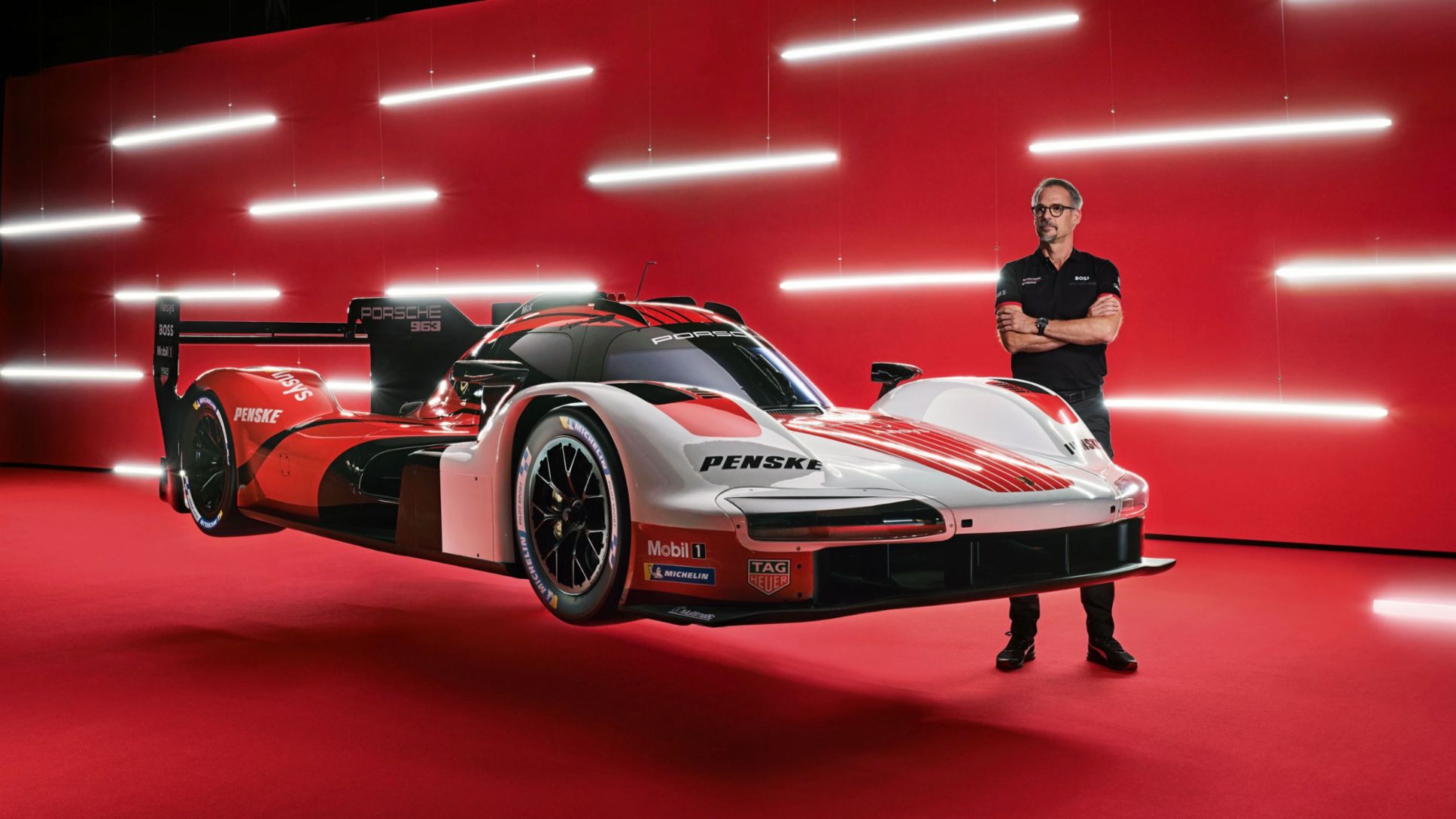
I have watched engineers and mechanics tune Michelin tires on prototypes. Small changes often give the biggest gains.
Practical tips I’ve learned
- Warm tires in controlled laps before pushing hard to avoid cold-grip slides.
- Trackside feedback from drivers is vital. They feel what telemetry may miss.
- Record pressures and camber per stint. Over time, this builds a reliable baseline.
- Don’t chase ultimate grip if it cost a whole stint to manage excessive wear.
What tires does the Porsche 963 use in racing? Racing teams pair Michelin products with precise set-up notes to get predictable results across varied tracks.
PAA-style questions (People Also Ask)
Q: Do Porsche factory teams always use the same tire brand?
A: Factory Porsche entries like the 963 typically use Michelin in major series, but tire choice can vary by series rules and supplier agreements.
Q: Are the tires on the Porsche 963 different from road Porsche tires?
A: Yes. Racing tires are purpose-built slicks or wets with reinforced construction and compounds that perform at high temps, unlike street tires.
Q: How often do teams change tires during an endurance race?
A: Teams change tires based on stint length, wear, and strategy—often during refueling stops or when conditions change such as rain.
Frequently Asked Questions about What tires does the Porsche 963 use in racing?
What tires does the Porsche 963 use in racing for dry conditions?
Porsche 963 uses Michelin slick compounds designed for LMDh endurance racing. Teams pick from compound options to match track temperature and stint length.
What tires does the Porsche 963 use in racing for wet conditions?
In the wet, the Porsche 963 runs Michelin wet tires with tread patterns that evacuate water quickly. These compounds are softer to get temperature and grip fast.
Can teams choose different brands for the Porsche 963?
Choice depends on series rules and contracts. Porsche’s factory team uses Michelin, but private teams must follow the series’ supplier rules and agreements.
How do tire pressures affect the Porsche 963's handling?
Pressure changes alter contact patch and heat build-up. Teams fine-tune pressure to control understeer, oversteer, and tire wear for consistent lap times.
How long do tires last on a Porsche 963 during a stint?
Tire life depends on compound, track, and driving style. A typical stint can range from a few laps to over an hour, with teams planning based on lap-time loss per lap.
Conclusion
Tire choice is central to the Porsche 963’s race performance. Michelin supplies tailored slicks and wet compounds that match the car’s aero, weight, and power traits. Teams tune pressures, camber, and compound selection to balance outright pace and stint life. If you follow endurance racing or work on race prep, focus on consistent tire data logging, driver feedback, and small iterative set-up changes. Try one controlled test change at a time, note the results, and build a repeatable tire baseline for each track. Leave a comment or subscribe to get updates on tire tech and race setup tips.