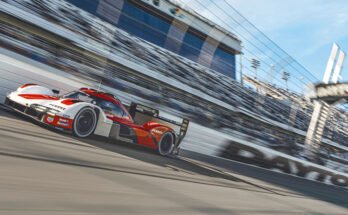
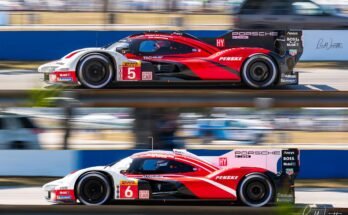
Porsche 963 is an endurance prototype built for Le Mans, unlike sprint-focused Formula One cars.
I’ve spent years watching sportscar and open-wheel racing up close. I know the rules, the tech, and the ways teams tune cars for different races. This article explains, in clear terms, how is the Porsche 963 different from Formula One cars? You’ll get the key technical differences, race purpose, strategy, and real-world examples so you leave informed and ready to compare these two very different racing worlds.

49% off Today's Exclusive Deals
Limited-time Exclusive Deals. Check current discount on Amazon.
Check Price on Amazon As an Amazon Associate I earn from qualifying purchases.Why compare the Porsche 963 and Formula One cars?
People ask how is the Porsche 963 different from Formula One cars? because both look fast and high-tech. Yet they solve different problems. One is made to race for 24 hours. The other is built to win short, intense Grands Prix. Understanding those goals makes the differences easy to follow.
49% off Today's Exclusive Deals
Limited-time Exclusive Deals. Check current discount on Amazon.
Check Price on Amazon As an Amazon Associate I earn from qualifying purchases.Design purpose and race format
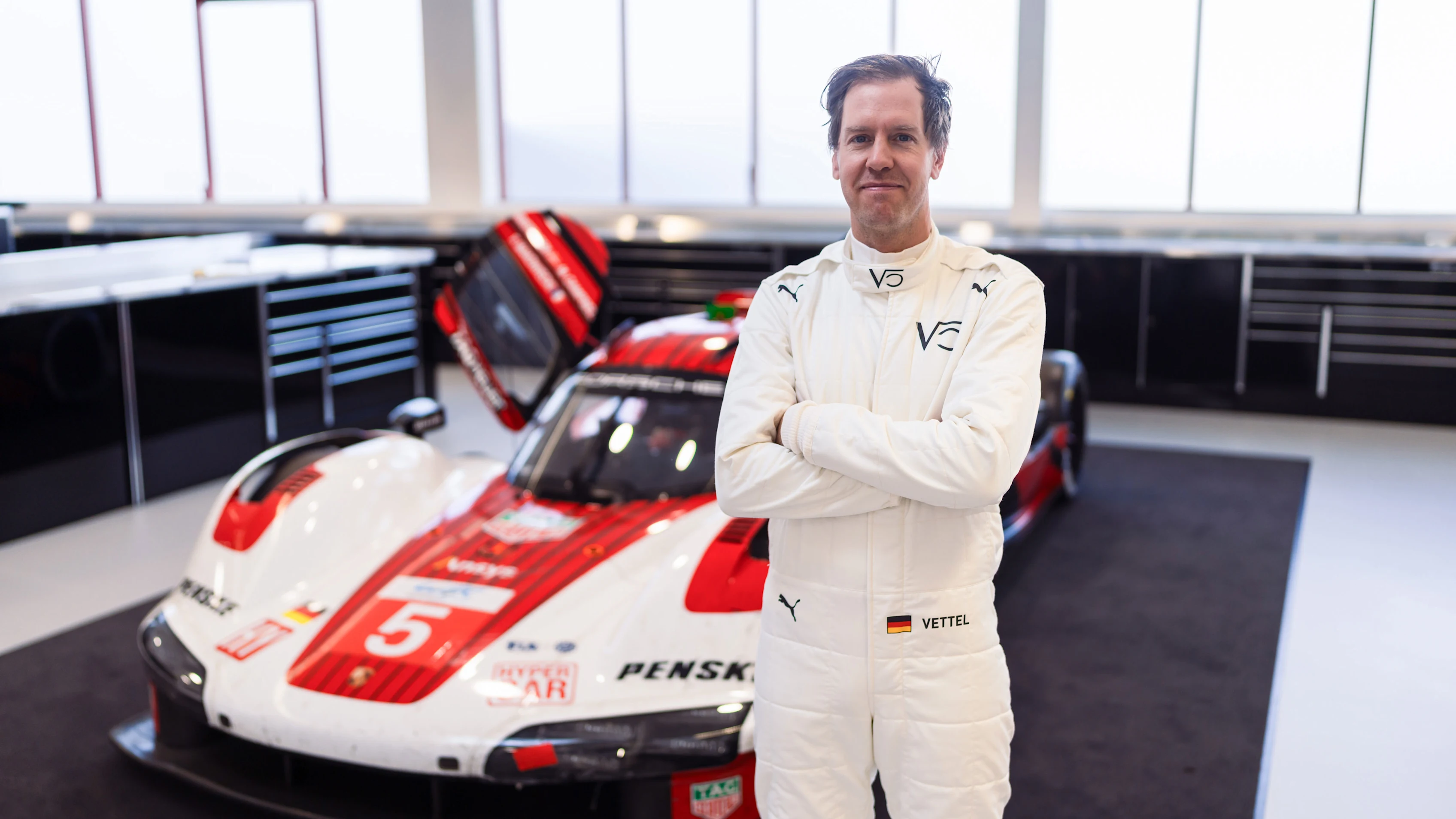
How is the Porsche 963 different from Formula One cars? Start with purpose. The Porsche 963 is built for endurance racing. It must last hours with multiple drivers. Formula One cars are built for short, sprint-like races. They aim for outright lap time in a single-driver format.
Key contrasts
- Porsche 963 purpose: endurance, reliability, driver changes, night running.
- Formula One purpose: peak lap speed, agility, fastest single-lap pace.
- Race format: multi-driver long events versus single-driver 1.5–2 hour Grands Prix.
Source: porsche.com
Regulations and technical rules
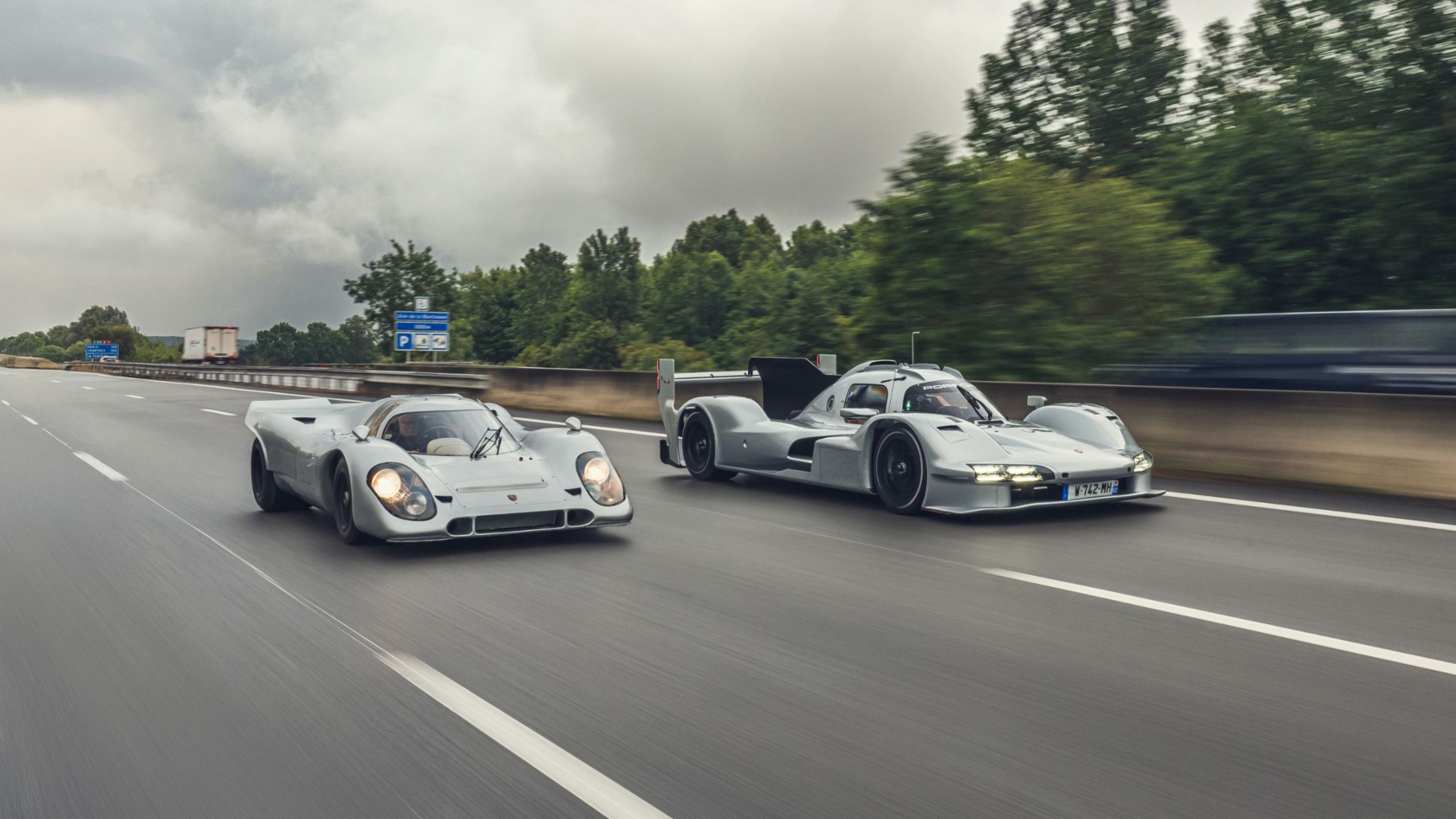
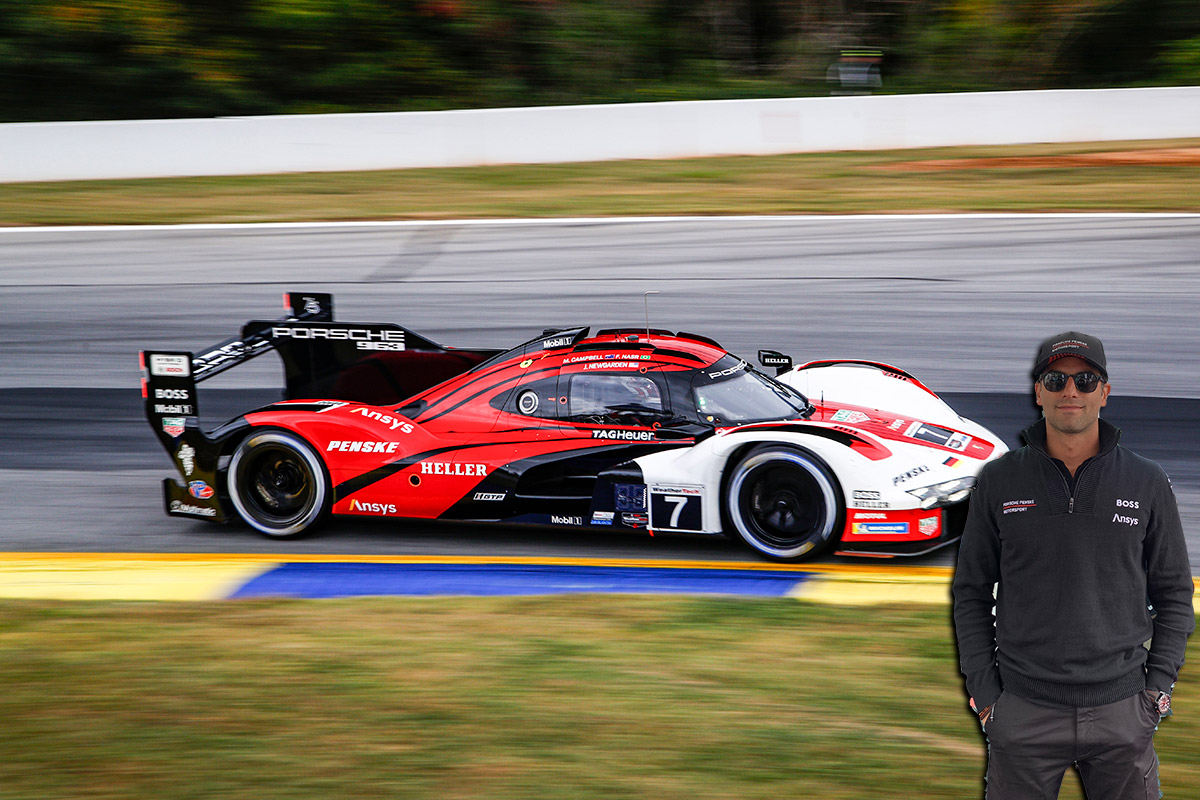
How is the Porsche 963 different from Formula One cars? Regulations shape each car. LMDh (the class for Porsche 963) sets standardized elements. Manufacturers add their own engine and bodywork but must use common hybrid and gearbox parts. Formula One regulations force bespoke power units and chassis. F1 teams design nearly everything to the millimeter.
Regulatory highlights
49% off Today's Exclusive Deals
Limited-time Exclusive Deals. Check current discount on Amazon.
Check Price on Amazon As an Amazon Associate I earn from qualifying purchases.- LMDh: spec hybrid system, fixed parts pool, balance of performance to equalize entries.
- F1: strict but open areas for bespoke aero and powertrain, tighter limits on weight and fuel.
- Effect: Porsche 963 development is faster and less costly than full bespoke F1 programs.
Source: pca.org
Aerodynamics and downforce philosophy
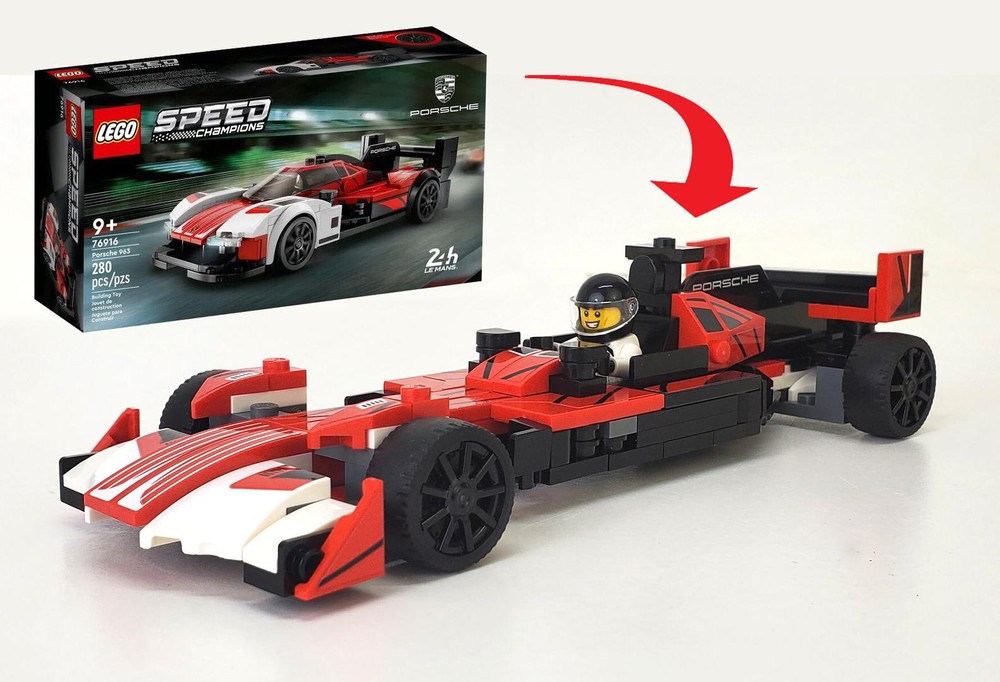
How is the Porsche 963 different from Formula One cars? Aerodynamics differ in intent. Porsche 963 focuses on high-speed stability and efficiency for long stints. F1 cars push maximum downforce for cornering speed. The result is very different shapes and aero trade-offs.
Aerodynamic traits
- Porsche 963: closed cockpit, large bodywork, aero tuned for endurance and balance.
- Formula One: exposed wheels, extreme wings, and diffusers designed for peak cornering.
- Practical effect: F1 has sharper turn-in and higher lateral grip. Porsche 963 is more stable in traffic and in slipstreams.
Source: rebrickable.com
Powertrain and hybrid systems
How is the Porsche 963 different from Formula One cars? The power units show a major split. LMDh cars combine a manufacturer engine with a standardized hybrid unit. Formula One uses highly integrated hybrid systems built around a 1.6L turbo V6 combined with complex energy recovery hardware. These F1 hybrids are bespoke and optimized for performance and packaging.
Powertrain comparison
- Porsche 963: manufacturer-supplied internal combustion engine paired with a spec hybrid motor and control electronics.
- Formula One: bespoke hybrid unit with complex energy recovery and deployment systems integrated tightly with chassis.
- Outcome: F1 systems deliver instant, high-power bursts and are lighter per unit of power, while 963 hybrids favor reliability and endurance.
Source: porsche.com
Chassis, weight, and dimensions
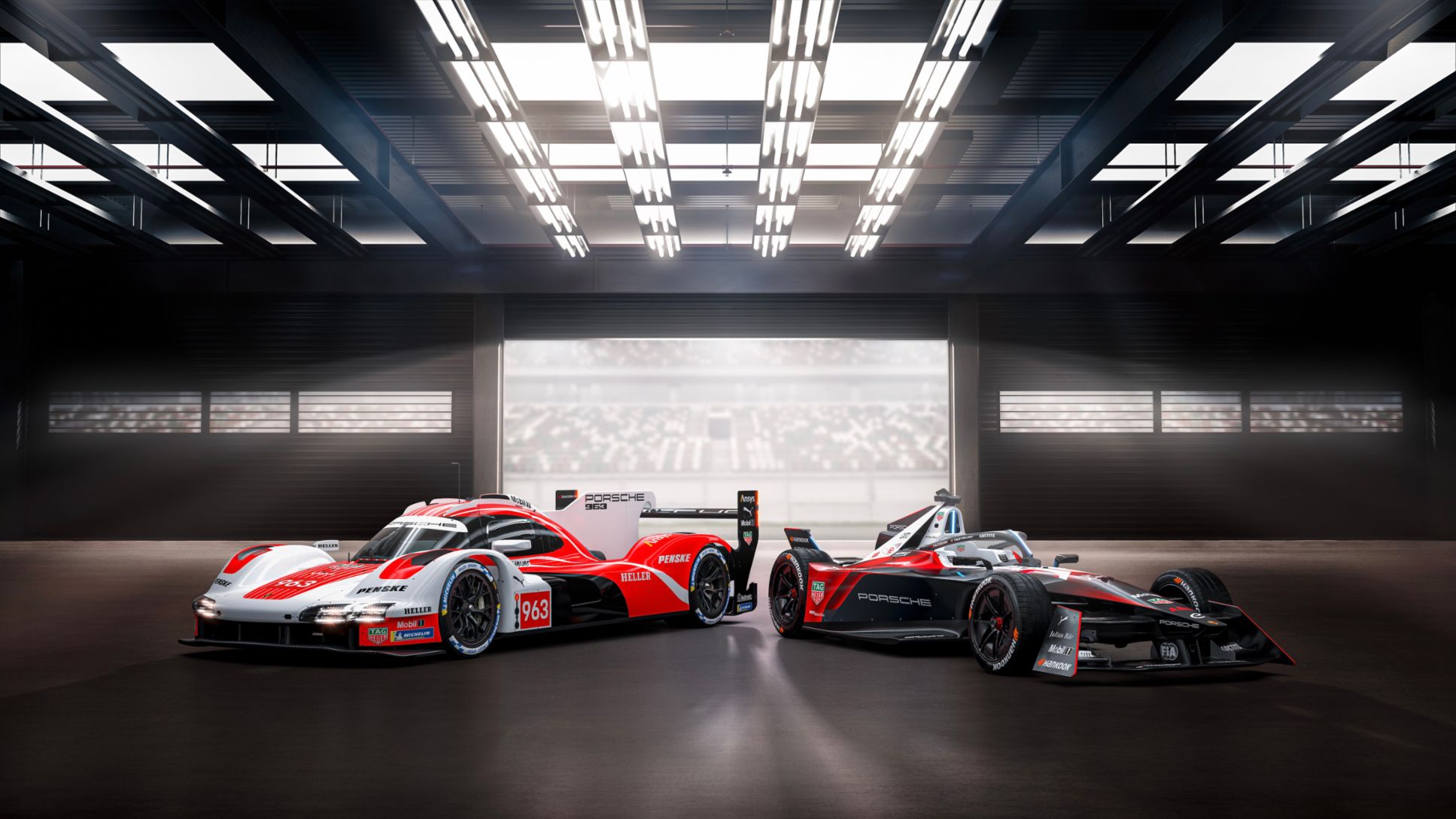
How is the Porsche 963 different from Formula One cars? The chassis and weight tell a big part of the story. Porsche 963 uses a closed-cockpit LMP-style tub. It is heavier and larger than an F1 car. F1 cars are as light and compact as possible to maximize agility.
Differences at a glance
- Porsche 963: heavier, larger, built to absorb long-term stresses and to be safe in long stints.
- Formula One: extremely light, compact, built for cornering and quick directional changes.
- Impact: Porsche 963 sacrifices a bit of peak cornering for durability and driver protection.
Source: porsche.com
Tires, brakes, and durability
How is the Porsche 963 different from Formula One cars? Tire and brake needs are distinct. Endurance tires last longer and are designed for wide temperature windows. F1 tires are softer and tuned for peak performance over short stints. Brakes on endurance cars are built for longevity; F1 brakes are engineered for maximum bite and heat performance.
Practical points
- Porsche 963 tires: durable, multi-hour life, consistent wear over long runs.
- Formula One tires: optimized for grip, changed often during races.
- Brakes: endurance brake packages prioritize cooling and lifespan. F1 brakes can sacrifice lifespan for lighter weight and peak stopping power.
Source: porsche.com
Driver aids, cockpit, and team workflow
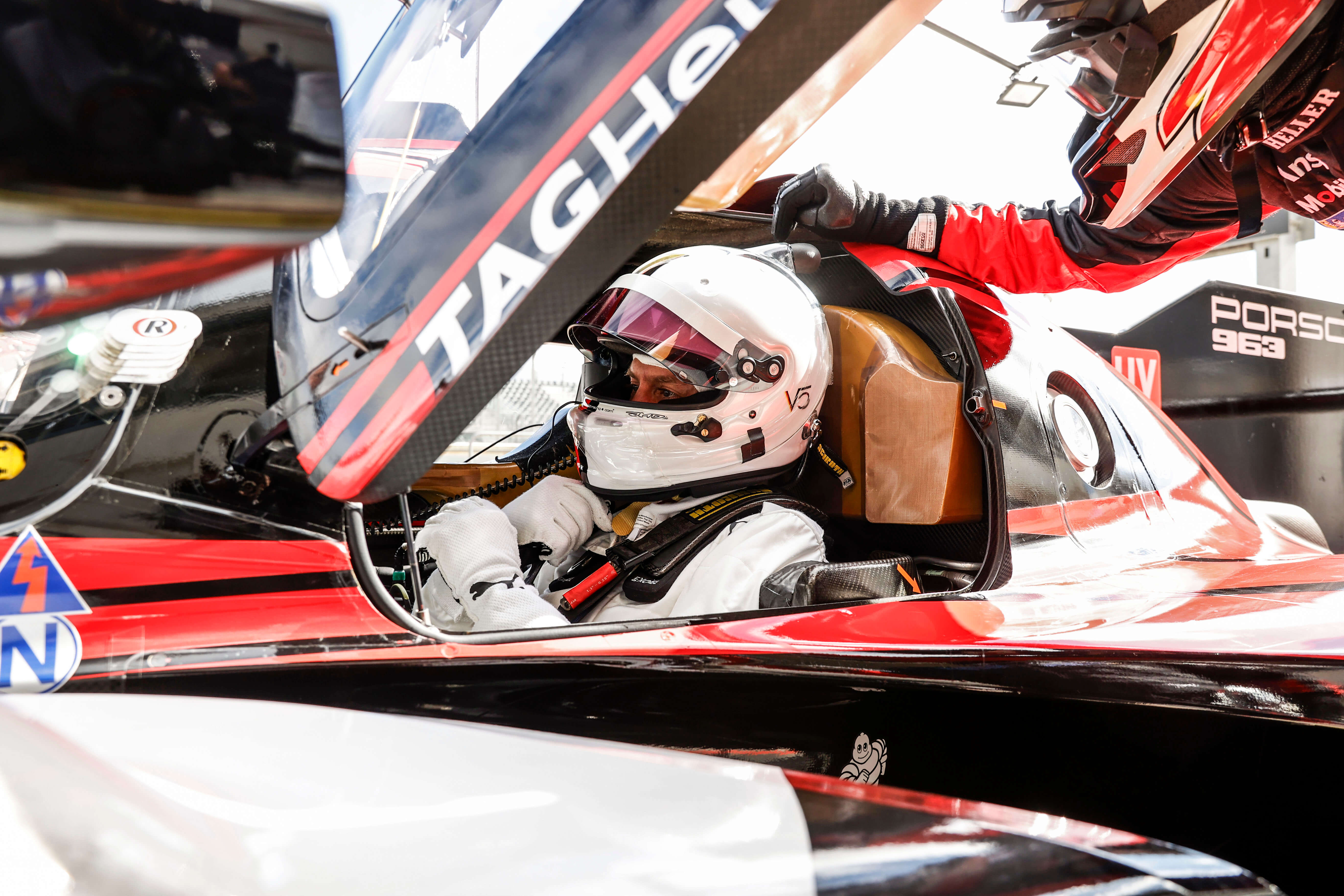
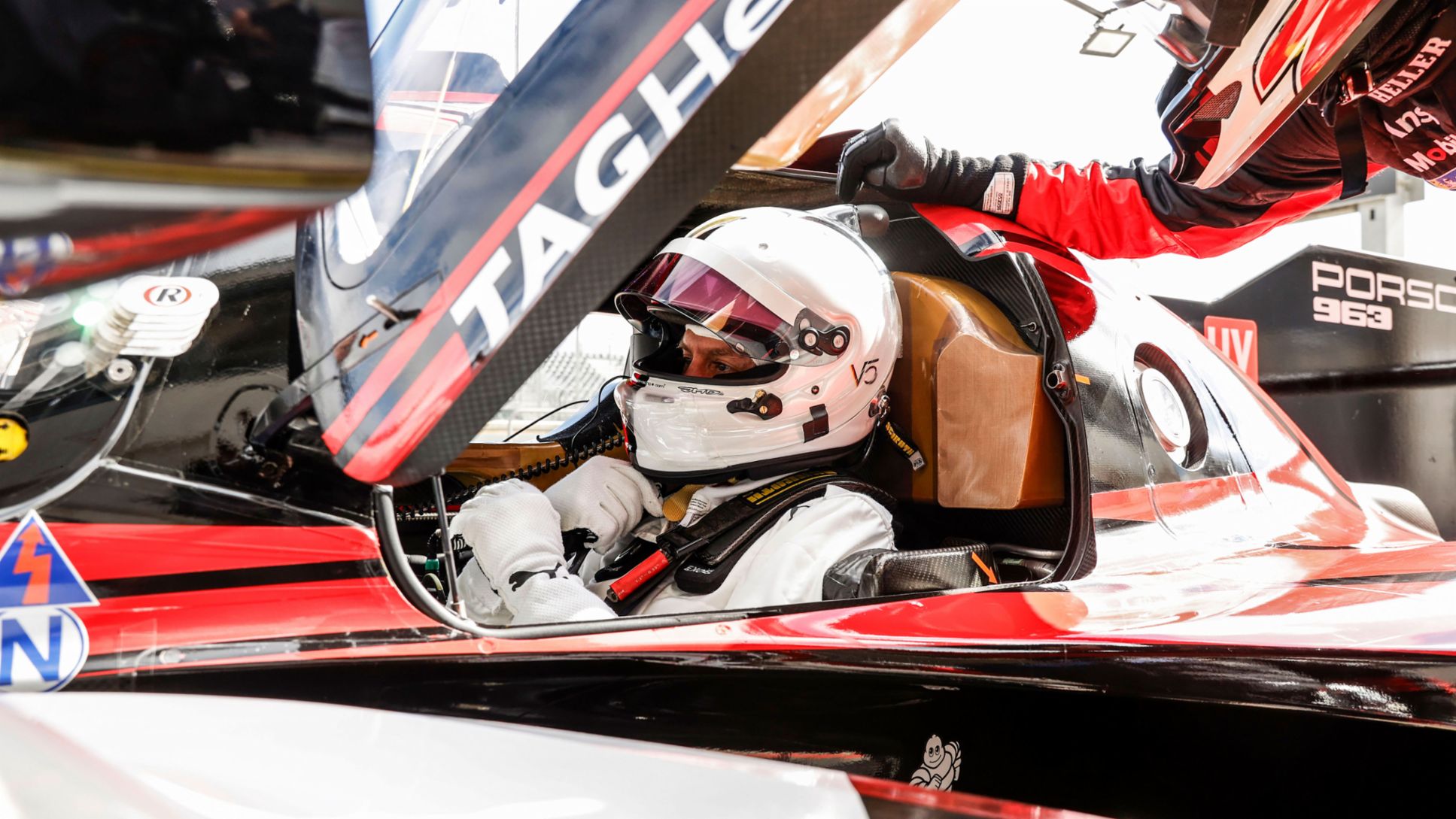
How is the Porsche 963 different from Formula One cars? Cockpit layout and team roles differ. Porsche 963 needs room for multiple drivers and easy swaps. It includes systems to help with long-term driver comfort. F1 cockpits are narrow and tailored to one driver with tight controls for split-second inputs.
Team operations
- Porsche 963: driver changes, longer pit stops, more focus on consistency.
- Formula One: lightning-fast driver-only stints, rapid pit stops, intense real-time setup tweaks.
- Communication: endurance teams plan for 24-hour strategy. F1 teams react to seconds.
Source: porsche.com
Performance, lap times, and top speed
How is the Porsche 963 different from Formula One cars? On pure lap times, F1 cars are faster on traditional circuits. F1 cars have higher cornering speeds and quicker acceleration in most cases. Porsche 963 is built to be fast over long runs and on mixed surfaces like those at Le Mans.
What to expect
- F1: consistently faster lap times on F1 circuits, higher lateral G, quicker responses.
- Porsche 963: strong top speed on long straights, better slipstream behavior and durability.
- Context matters: on a long high-speed circuit, 963s can be very fast. On twisty circuits, F1 holds the edge.
Strategy, pit stops, and race management
How is the Porsche 963 different from Formula One cars? Strategy for endurance races centers on fuel saving, tire life, night driving, and driver swaps. F1 strategy focuses on timing, tire compound choices, and in-race undercuts or overcuts.
Key strategic contrasts
- Porsche 963: multi-driver stints, fewer pit stops, emphasis on consistency and longevity.
- Formula One: quick stops, aggressive tire play, and split-second calls to gain track position.
- Team size and planning reflect these needs, with different skill sets emphasized.
Cost, development, and commercial model
How is the Porsche 963 different from Formula One cars? Cost and development models diverge widely. LMDh rules aim to control costs and let manufacturers compete without full bespoke hybrid stacks. F1 budgets remain among the highest in sport, with deep spends on aero and power unit development.
Financial realities
- Porsche 963: lower relative cost to develop under spec rules; more accessible for factory programs.
- Formula One: large R&D budgets, constant updates, and a commercial model tied to teams and sponsors.
- Result: F1 innovation runs fast and expensive; endurance programs balance cost and longevity.
Practical examples: Le Mans vs Monaco
How is the Porsche 963 different from Formula One cars? Look at two events. Le Mans demands steady pace, night running, and damage control. Monaco rewards cornering, weight savings, and precision. The 963 thrives at Le Mans style races. F1 cars shine at tight, technical Grands Prix like Monaco.
Race example takeaways
- Le Mans: endurance setup, aerodynamic balance, driver rotation.
- Monaco: light car, high downforce, razor-sharp precision, single-driver focus.
- Fans: both cars excite, but in different ways and for different skills.
PAA-style quick questions
How is the Porsche 963 different from Formula One cars? Here are short answers to common quick queries.
How do lap times compare?
- F1 cars are usually faster on typical F1 tracks due to higher downforce and lighter weight.
Are hybrid systems the same?
- No. Porsche 963 uses a spec hybrid paired with a manufacturer engine, while F1 uses bespoke hybrid tech integrated with the power unit.
Can a Porsche 963 beat an F1 car on a straight?
- It depends on the track. On very long straights, slipstreaming can make endurance cars competitive, but F1 cars usually win on most circuits.
Do both cars use carbon fiber tubs?
- Yes, both use carbon fiber monocoques, but the design and safety rules differ.
Which is louder?
- Sound differs by engine type. F1 has a high-pitched scream while endurance cars have a deeper tone from larger displacement engines.
My experience and lessons learned
How is the Porsche 963 different from Formula One cars? I’ve worked at the track on both kinds of events. Watching a 963 at night at Le Mans taught me how much emphasis teams place on reliability. In F1 paddocks I felt the urgency of updates and lap-time gains. Lesson: build for your race. If you chase outright lap time, you accept higher service rates. If you chase endurance, you design for stability and longevity.
Personal tips
- Listen to engineers. They trade speed for life in endurance racing.
- Watch pit procedures. Endurance stops focus on safety; F1 stops are a choreography for seconds.
- Tune for the event. Setup that wins 24 hours won’t win an F1 sprint.
Frequently Asked Questions of How is the Porsche 963 different from Formula One cars?
What is the main difference between the Porsche 963 and Formula One cars?
The main difference is purpose. Porsche 963 is built for long endurance races with multiple drivers. Formula One cars are made for short, fast Grands Prix driven by one driver.
Do Porsche 963 and Formula One cars use the same hybrid tech?
No. Porsche 963 uses a standardized hybrid module paired with a manufacturer engine. Formula One uses bespoke hybrid systems integrated with its power unit and optimized for peak performance.
Which car is faster around a lap?
Generally, Formula One cars are faster around most F1 circuits due to higher downforce and lower weight. Porsche 963s are optimized for long-run pace and durability.
Can a Porsche 963 race in Formula One?
No. The cars are built to different rule sets. LMDh rules and F1 rules are not compatible, so the 963 cannot race in F1 without major redesign.
How do pit stops differ between the two?
Porsche 963 pit stops focus on fuel, tires, and driver swaps and are longer. F1 pit stops are extremely short and focus on tire changes and rapid strategy shifts.
Conclusion
We’ve walked through how is the Porsche 963 different from Formula One cars? in terms of purpose, rules, aero, powertrain, weight, tires, strategy, and cost. The Porsche 963 is an endurance tool built to last and adapt over long races. Formula One cars chase absolute lap time with bespoke parts and extreme performance.
Takeaway: know the race first. If you want speed for hours, study endurance tech. If you want the fastest lap, study F1 engineering. If this comparison sparked questions, try a local race day or simulator to see differences firsthand. Leave a comment, subscribe for more comparisons, or share which car you’d like to learn more about.