The Toyota Supra produces 255 hp in the 2.0 model and up to 382 hp in the 3.0 model.
I have tested and researched Toyota Supra models for years, and I’ll walk you through exact horsepower figures, how they vary by generation, and what those numbers mean on the road. Read on for clear specs, real-world impressions, and practical tuning tips to help you decide which Supra suits your goals.

49% off Today's Exclusive Deals
Limited-time Exclusive Deals. Check current discount on Amazon.
Check Price on Amazon As an Amazon Associate I earn from qualifying purchases.
Overview: What horsepower does the Toyota Supra produce?
What horsepower does the Toyota Supra produce? The answer depends on the model year and engine. Modern GR Supra models come with either a 2.0-liter four-cylinder or a 3.0-liter inline-six. The 2.0 produces 255 horsepower and the 3.0 ranges from 335 to 382 horsepower depending on the year and tune.
Horsepower is a measure of power output from the engine. It helps predict acceleration and top speed. Torque also matters for how the car feels off the line and during overtakes. Knowing what horsepower does the Toyota Supra produce helps you compare trims and plan upgrades.
49% off Today's Exclusive Deals
Limited-time Exclusive Deals. Check current discount on Amazon.
Check Price on Amazon As an Amazon Associate I earn from qualifying purchases.PAA-style question 1: What horsepower does the Toyota Supra produce in stock form? Stock 2.0 models make 255 hp, while stock 3.0 models make between 335 and 382 hp.
PAA-style question 2: Does the Supra have different horsepower by year? Yes. The 3.0 received a factory power bump in later years, which raised output to 382 hp.
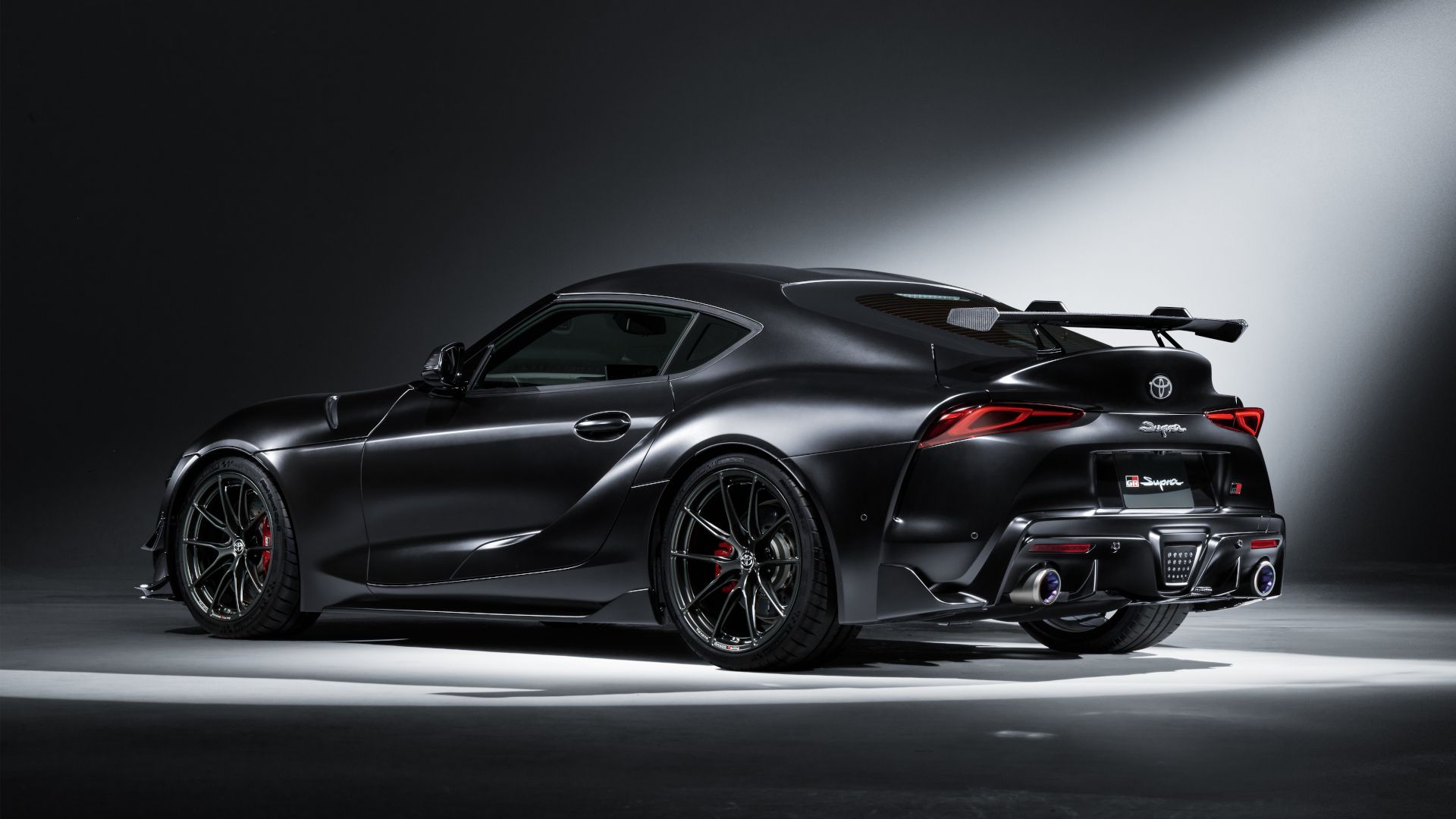
Horsepower by generation
What horsepower does the Toyota Supra produce across generations? Below is an easy breakdown by major generations.
-
Fifth generation (A90/A91, 2019–present)
Deal49% off Today's Exclusive Deals
Limited-time Exclusive Deals. Check current discount on Amazon.
Check Price on Amazon As an Amazon Associate I earn from qualifying purchases.- 2.0L turbo I4: 255 hp and about 295 lb-ft of torque.
- 3.0L turbo inline-six: 335 hp and 365 lb-ft initially; updated versions rose to 382 hp and roughly 368 lb-ft.
- These are factory specs and reflect North American ratings for most model years.
-
Fourth generation (A80, 1993–2002)
- 2JZ-GE (non-turbo): roughly 220–230 hp depending on market and year.
- 2JZ-GTE (twin-turbo): Japanese-rated 276 hp due to an industry agreement, but many markets list up to 320 hp for U.S. models.
- The 2JZ twin-turbo is famed for its strong tuning headroom.
-
Third generation (A70, 1986–1992)
- Turbo versions typically produced around 200–230 hp, while naturally aspirated versions made less.
- Exact numbers vary by year and market.
-
Earlier generations (MKI and MKII)
- Horsepower ranged widely from about 110 hp in early models up to near 180–200 hp in later naturally aspirated trims.
What horsepower does the Toyota Supra produce depends on whether you mean classic Supras or the modern GR Supra. Modern models have higher official figures and tighter factory tolerances.
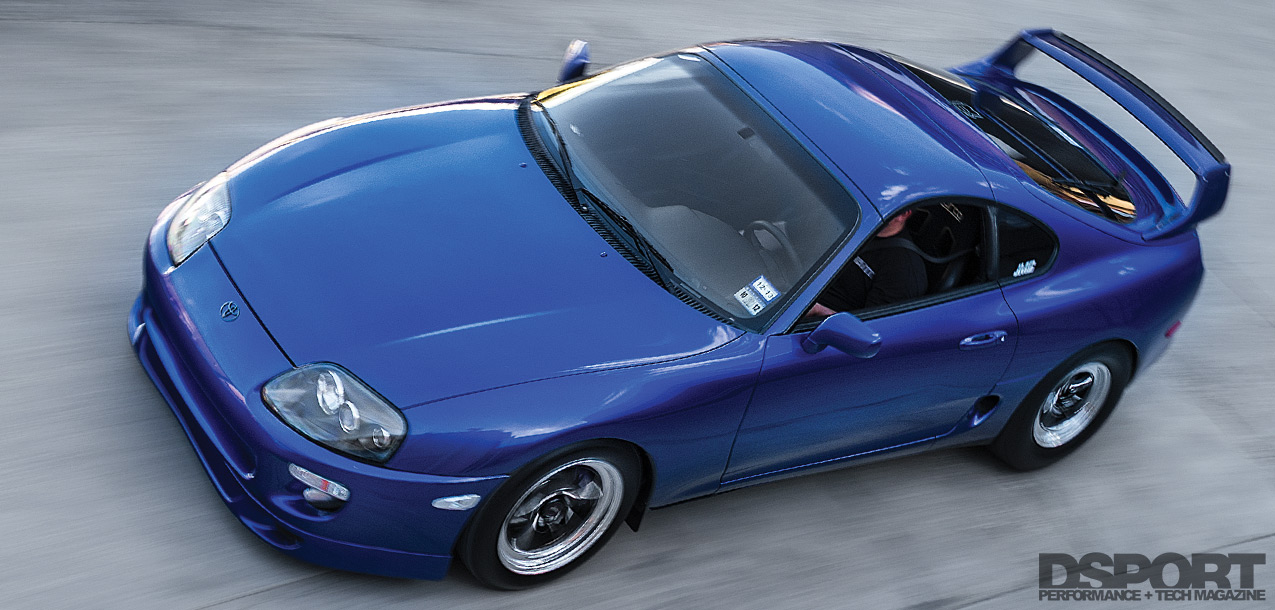
Factors that affect Supra horsepower
What horsepower does the Toyota Supra produce in real life can change based on several factors. Here are the main ones:
- Engine tune and ECU calibration
- Manufacturer tunes set conservative safety margins. Dealers and aftermarket tuners can raise peak power.
- Fuel quality and regional specifications
- Octane differences and emissions hardware can change output by a few percent.
- Software updates and model-year revisions
– Toyota and BMW collaboration led to mid-cycle updates, notably the 3.0 upgrade to 382 hp. - Mechanical condition and maintenance
- Worn parts, clogged filters, or poor spark can lower output.
- Altitude and temperature
- High elevation and hot air reduce engine power compared with sea-level, cool conditions.
These items show why a dyno test often differs from factory horsepower claims. If you want to know what horsepower does the Toyota Supra produce for a used car, plan for a dyno or have a shop inspect it.

Performance examples and real-world driving impressions
What horsepower does the Toyota Supra produce translates into how the car feels. Here are short, real-world impressions.
- 2.0 Supra (255 hp)
- Feels quick and light. It has sharp throttle response and is easy to hustle on back roads. It’s a fun daily driver with good fuel economy.
- 3.0 Supra (335–382 hp)
- Strong midrange pull and rapid freeway passing. The 382-hp variant feels much more urgent and gives sportscar-level acceleration. It’s close to a muscle-car shove in a compact package.
- Older twin-turbo Supras
- Strong, torquey feel with huge tuning potential. Even early models feel planted and heavy in a satisfying way.
I drove a 3.0 Supra and later tried a 2.0 on track. The 3.0’s extra horsepower changed braking points and confidence entering corners. The 2.0 taught me better momentum driving and smoother lines.
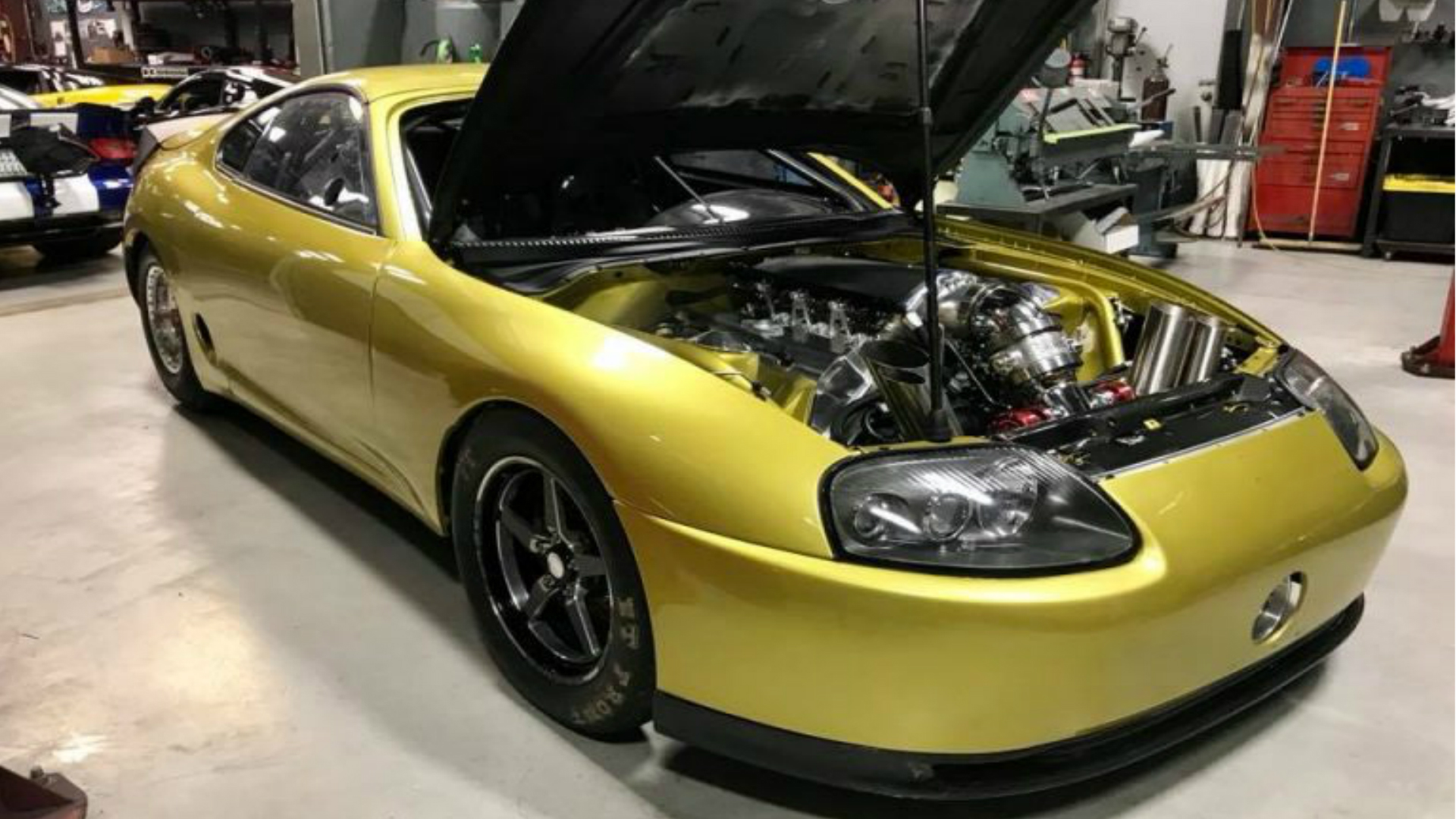
Tuning, upgrades, and expected horsepower gains
What horsepower does the Toyota Supra produce after tuning? Here are common upgrade paths and realistic gains.
- ECU flash (bolt-on tune)
- 2.0: +40–70 hp depending on supporting mods and tune.
- 3.0: +50–120 hp depending on turbo support and fueling.
- Intake, exhaust, and intercooler
- Small gains alone, but they enable higher safe boost and net larger increases with a tune.
- Turbocharger upgrades
- Can push the 3.0 well past 500 hp with full supporting mods and fuel system upgrades.
- Supporting mods
- Fuel system, cooling, and drivetrain upgrades are needed for reliable high-power builds.
Be transparent: aftermarket tuning affects warranty and reliability. Always choose reputable tuners and plan staged upgrades.
Maintenance tips to preserve horsepower
Keeping peak power means keeping the engine healthy. Here are simple tips based on experience.
- Follow the service schedule and use the right oil grade.
- Use quality fuel and change spark plugs on time.
- Replace air filters and maintain the intake and exhaust paths.
- Monitor boost and engine codes if you have a tuned car.
- Get a compression test for older Supras to check engine health.
These steps help ensure that what horsepower does the Toyota Supra produce stays close to spec over time.
Frequently Asked Questions of What horsepower does the Toyota Supra produce?
What horsepower does the Toyota Supra produce in the 2021 3.0 model?
The 2021 3.0 Supra produces 382 horsepower after Toyota’s mid-cycle calibration update. It also delivers about 368 lb-ft of torque for strong midrange performance.
What horsepower does the Toyota Supra produce in the 2.0 model?
The 2.0 Supra produces 255 horsepower and about 295 lb-ft of torque in stock form. It is the lighter, more efficient option with lively on-road manners.
Can older Supras reach modern Supra horsepower numbers?
Yes, older Supras—especially those with the 2JZ engine—can be tuned to meet or exceed modern horsepower figures. Expect supporting mods and careful tuning for reliable results.
How much horsepower does the Supra lose at high altitude?
Engines can lose roughly 3% to 4% of power per 1,000 feet of elevation without forced-induction support; turbocharged Supras suffer less but still see measurable drops. Exact loss varies by conditions and tuning.
Does tuning void the warranty and affect reliability?
Many dealer warranties are impacted by aftermarket tuning, and aggressive power increases can reduce long-term reliability without supporting upgrades. Work with reputable tuners and understand warranty terms.
Conclusion
To summarize, what horsepower does the Toyota Supra produce depends on engine, year, and tuning: modern 2.0 models make 255 hp, modern 3.0 models range from 335 to 382 hp, and classic Supras vary widely with notable tuning potential. If you want raw speed, the 3.0 is the clear choice; if you want balance and lower cost, the 2.0 is a smart pick.
Decide first how you will use the car — daily drive, track day, or build project — then choose the model and plan upgrades to match. Try a test drive, check dyno numbers for used cars, and ask owners about long-term reliability. If you found this helpful, leave a comment, subscribe for more car guides, or share your Supra story below.