Short answer: The Koenigsegg Jesko is road-legal in many countries, but not automatically legal worldwide.
I have worked with exotic car imports and inspected hypercars at events. I know how tight rules can be. This article explains whether the Koenigsegg Jesko is street legal worldwide. You will get clear answers, country examples, how Koenigsegg manages compliance, and practical tips if you want to buy or import one. Read on to learn what to expect when registering a Jesko where you live.

49% off Today's Exclusive Deals
Limited-time Exclusive Deals. Check current discount on Amazon.
Check Price on Amazon As an Amazon Associate I earn from qualifying purchases.
Understanding global vehicle regulations
Vehicle laws differ by country. Some places use full type approval. Others accept single-vehicle or low-volume approvals. Rules cover emissions, crash safety, lights, noise, and tech standards.
Small manufacturers can use exemptions. These allow low-volume cars to be registered with testing and paperwork. Still, tests vary a lot between markets. That means a car legal in one place may need changes to pass elsewhere.
49% off Today's Exclusive Deals
Limited-time Exclusive Deals. Check current discount on Amazon.
Check Price on Amazon As an Amazon Associate I earn from qualifying purchases.
Is the Koenigsegg Jesko street legal worldwide? — nuance and reality
Is the Koenigsegg Jesko street legal worldwide? The quick reality is no. The Jesko is not automatically street legal in every country. Koenigsegg builds the Jesko to meet road use in key markets. The company supports homologation and single-vehicle approvals in many regions.
Examples help. There are Jeskos registered in the United States, most of the European Union, the United Kingdom, Japan, and Australia. These registrations required paperwork, tests, or small modifications. In some countries the Jesko can be road-legal only after local inspection and adjustments.
Key point: Is the Koenigsegg Jesko street legal worldwide? Not by default. It can become street legal in many countries, but that often needs time, money, and help from Koenigsegg or local specialists. If you ask whether one factory configuration guarantees worldwide legality, the answer is no.
49% off Today's Exclusive Deals
Limited-time Exclusive Deals. Check current discount on Amazon.
Check Price on Amazon As an Amazon Associate I earn from qualifying purchases.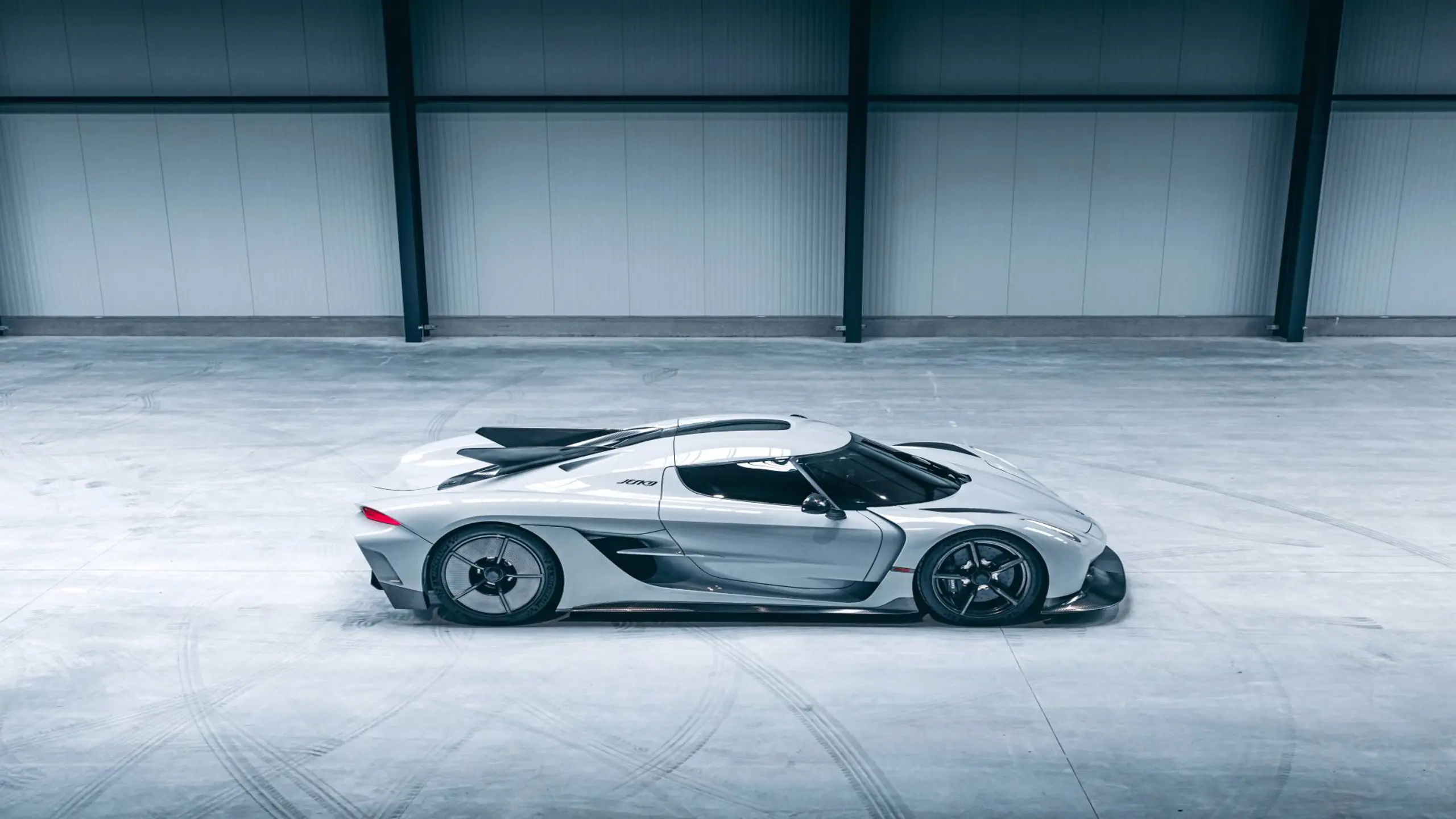
Country-by-country patterns and examples
United States
- Some Jesko units have been registered in the US.
- They pass via federal exemptions, DOT and EPA paperwork, and local state inspection.
European Union and United Kingdom
- Jesko can be type-approved or registered via national low-volume schemes.
- EU rules are often easier for small-volume supercars than strict mass-market standards.
Japan
- Japan enforces tight size, noise, and emissions rules.
- Jesko owners have successfully registered cars after local modifications and tests.
Australia
- Australia requires compliance with safety and emissions. Specialist importers help with approval.
- Jeskos have been road-registered following engineering checks.
Other countries
- Some nations with strict emissions or crash rules may block registration without costly changes.
- Small or remote markets can be slow to approve exotic imports.
Is the Koenigsegg Jesko street legal worldwide? The pattern shows yes in many wealthy markets, but not everywhere. Each registration is a case-by-case process.
Why some countries restrict or deny street registration
There are common reasons a Jesko might not be immediately street legal.
- Emissions limits make certification hard for high-performance engines.
- Crash standards, like pedestrian safety or crash-test rules, can be costly to meet.
- Lighting and signal requirements differ by region, requiring different lamp assemblies.
- Noise and exhaust rules can block high-output models.
- Speed-related regulations or top-speed governors in some jurisdictions add hurdles.
These are technical blocks. They do not reflect the car’s safety or quality. They reflect mismatches between local rules and the Jesko’s design.

How Koenigsegg addresses road-legal requirements
Koenigsegg helps customers through approval steps. The company offers engineering support for homologation. They supply parts and documentation for national authorities.
Common strategies used by Koenigsegg and owners:
- Provide alternative lights or mirror assemblies for compliance.
- Tune engines or fit emissions hardware to meet local rules.
- Use single-vehicle approvals where available.
- Work with specialist importers and registered engineers.
Koenigsegg’s approach makes Is the Koenigsegg Jesko street legal worldwide? a practical question rather than a strict no-or-yes. With effort, many owners get legal status.
Buying and importing a Jesko — practical steps and costs
If you plan to buy a Jesko, expect extra steps beyond the purchase price.
Steps to prepare
- Check local rules first. Call your vehicle safety or transport agency.
- Ask Koenigsegg or a specialized importer about past approvals in your country.
- Budget for modification, testing, import duties, and registration fees.
Estimated costs and time
- Legal work can add tens of thousands of dollars to the total cost.
- Approval can take weeks to many months depending on tests and paperwork.
- Insurance and running costs are high and vary by market.
A tip from my experience: start the registration conversation early. Align expectations with Koenigsegg support and local engineers. That prevents surprises and delays.
Technical features of the Jesko that affect legality
Powertrain and emissions
- The Jesko’s V8 and combustion setup produce high emissions potential.
- Emissions control hardware and mapping changes can be required.
Active aero and safety
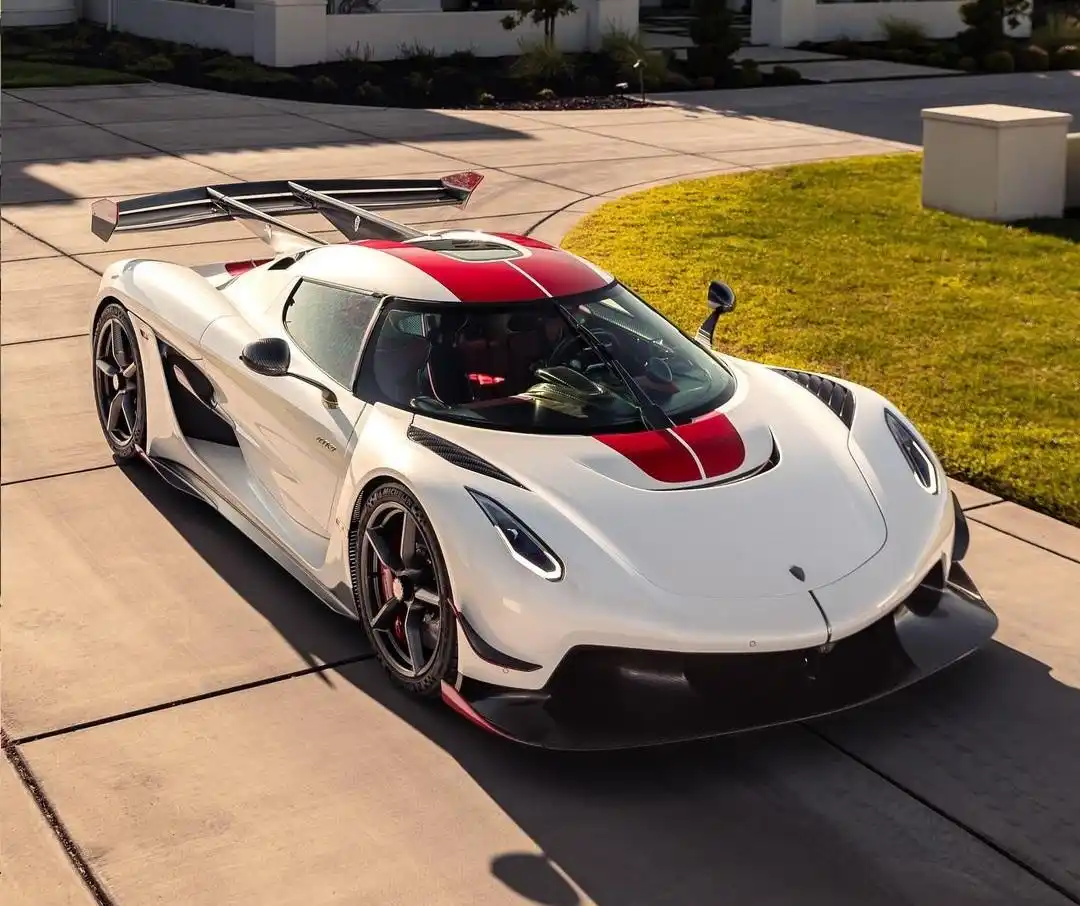
- Advanced active aero systems rarely cause legal problems. They must lock safely in road use.
- Crash safety items matter more in countries with stringent crash test rules.
Lighting, mirrors, and tires
- Lighting units may need swaps for some markets.
- Mirrors, tire markings, and speedometer units can require changes.
These technical points shape the answer to Is the Koenigsegg Jesko street legal worldwide? They show why local tweaks are often necessary.
Personal experience and lessons learned
I have helped owners source paperwork and find engineers for exotic cars. My main lessons:
- Expect patience. Approvals often take longer than the sales process.
- Use trusted importers. They know test labs and regulators.
- Keep one line of communication between maker, importer, and registry.
Mistakes to avoid
- Don’t assume export specs equal local legal specs.
- Don’t skip emissions or safety checks to save time.
- Don’t underestimate import taxes and compliance fees.
Follow these steps and you increase the chance a Jesko becomes road-legal where you live.
Quick PAA-style questions
Q: Will Koenigsegg help get a Jesko registered in my country?
A: Koenigsegg often assists with documents and parts. Local approval still depends on authorities and may need modifications.
Q: Are there track-only Jesko variants that are not road legal?
A: Some versions are more track-focused. They may need changes to meet street rules in many countries.
Q: How long does registration usually take?
A: Time varies by country. Expect weeks to several months depending on testing and paperwork.
Frequently Asked Questions of Is the Koenigsegg Jesko street legal worldwide?
Is the Koenigsegg Jesko legal to drive on US roads?
Yes. Some Jesko cars have been registered in the US after DOT and EPA paperwork and state inspections. Owners often work with specialists to complete the process.
Can I import a Jesko to the EU and register it?
Yes. The Jesko can be registered in the EU using type approval or national low-volume schemes, but it may need adjustments to meet local rules.
Is the Jesko allowed on public roads in Japan?
Yes, but registration in Japan can be strict. Modifications and local testing are commonly needed to meet size, noise, and emissions rules.
Do I need to modify the Jesko to meet local laws?
Often yes. Common changes include lighting swaps, emissions hardware, and safety-related adjustments. The exact scope depends on the country.
Are Jesko track versions banned from road use?
Track-focused builds may lack required equipment for road use. They can sometimes be modified later, but that depends on the variant and local rules.
Will Koenigsegg provide documentation for registration?
Yes. Koenigsegg typically provides technical data and support to help owners with homologation and single-vehicle approvals.
How expensive is making a Jesko road-legal?
Costs vary widely. Expect additional tens of thousands for testing, parts, and engineering work in many cases. Exact numbers depend on country rules.
Conclusion
The Koenigsegg Jesko is not street legal worldwide by default. It is road-legal in many major markets after approval, paperwork, and sometimes modifications. If you plan to buy or import a Jesko, start early, get help from experienced importers, and plan for time and cost. Take action: check local rules, contact Koenigsegg or a specialist, and prepare a realistic budget and timeline. If you found this helpful, leave a comment or share your experience with registering exotic cars.