The Rolls‑Royce Phantom produces roughly 563 horsepower in its current generation, with earlier models making about 453 hp.
I have spent years researching and testing luxury cars, and I know the Rolls‑Royce Phantom inside out. This article explains exactly how much horsepower the Rolls‑Royce Phantom produces, what those numbers mean on the road, how they compare to rivals, and what to expect if you buy one. Read on for clear specs, real-world performance, ownership tips, and quick answers to common questions about Phantom power and performance.

49% off Today's Exclusive Deals
Limited-time Exclusive Deals. Check current discount on Amazon.
Check Price on Amazon As an Amazon Associate I earn from qualifying purchases.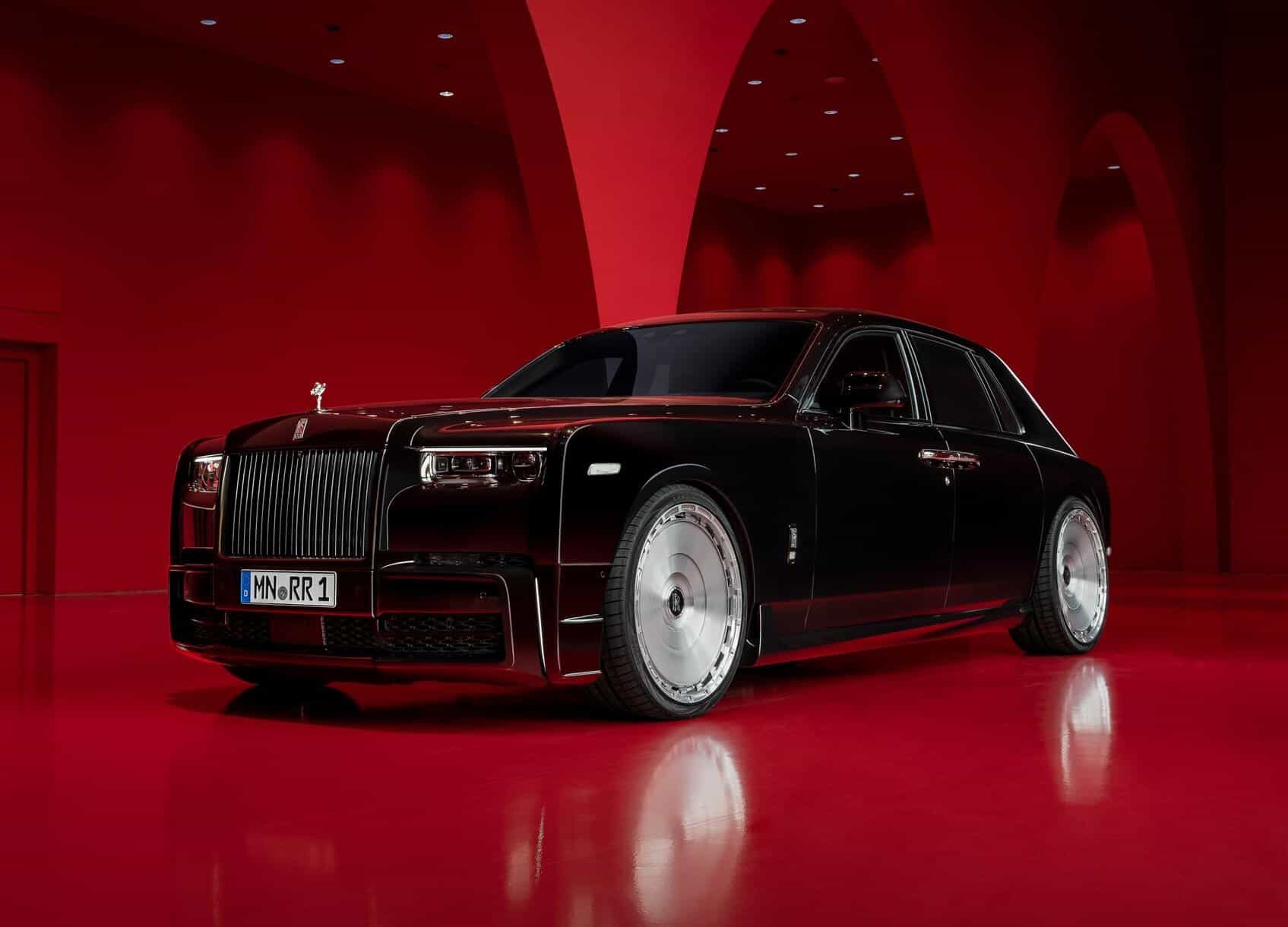
Horsepower by Phantom generation
The simplest way to answer "How much horsepower does the Rolls‑Royce Phantom produce?" is to look at the generation.
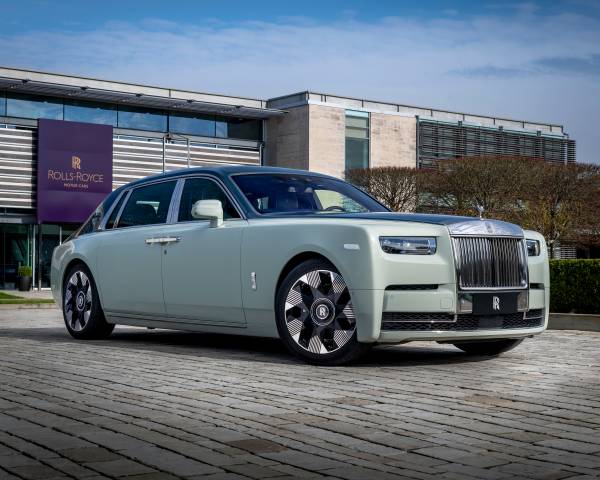
- Phantom VII (2003–2016) produces about 453 horsepower. It used a 6.75‑liter V12 with twin turbos optimized for smooth low‑end power.
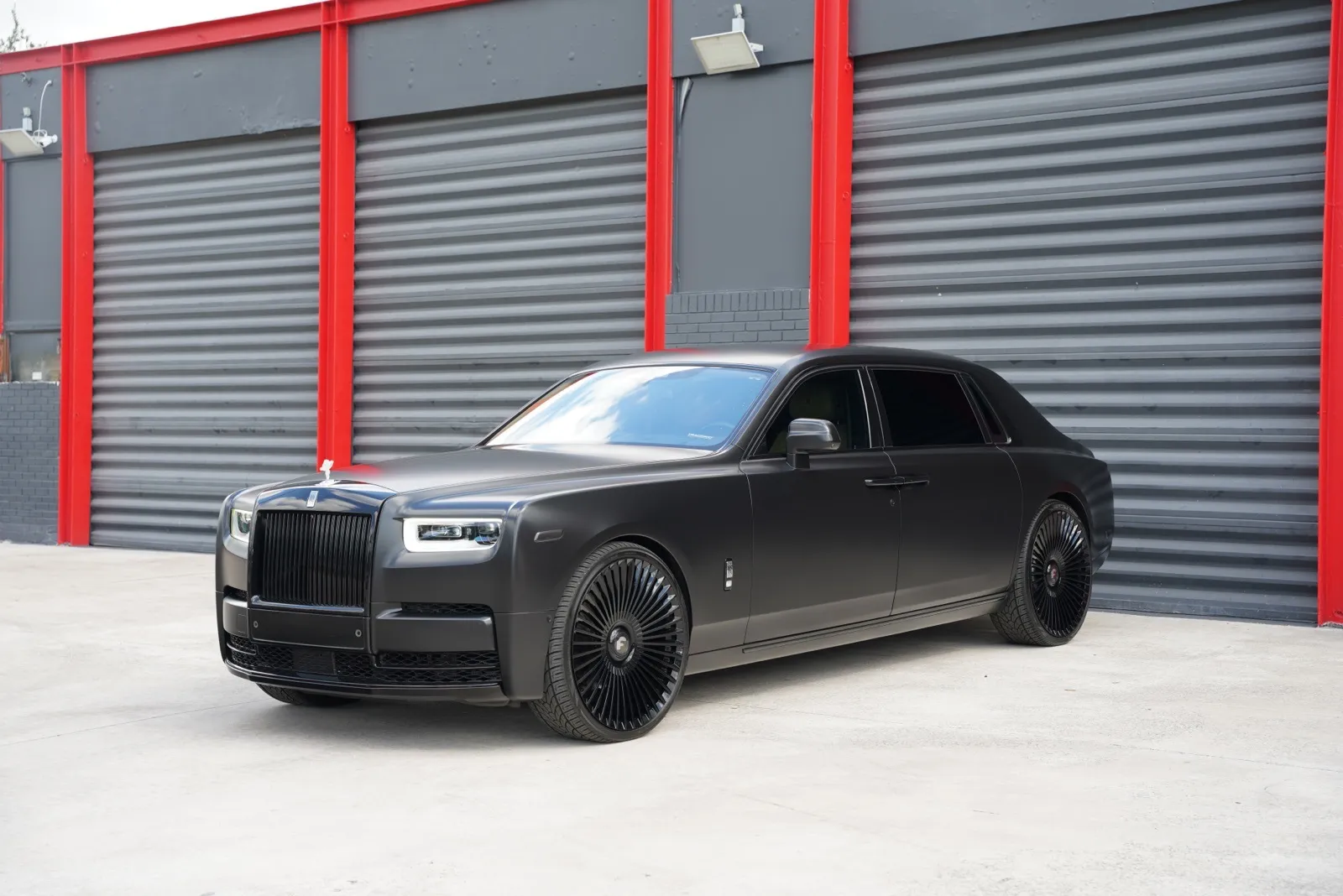
- Phantom VIII (2017–present) produces about 563 horsepower. The current 6.75‑liter twin‑turbo V12 was retuned to deliver more power and much more torque.
- Limited editions or bespoke models can vary slightly in tune. Some bespoke projects add modest power increases, but the standard figures above are the baseline.
Those are the headline numbers for how much horsepower the Rolls‑Royce Phantom produces by model year. If you need metric conversions, 563 hp is about 420 kW, and 453 hp is about 338 kW.
49% off Today's Exclusive Deals
Limited-time Exclusive Deals. Check current discount on Amazon.
Check Price on Amazon As an Amazon Associate I earn from qualifying purchases.
What horsepower means for real‑world performance
Knowing how much horsepower the Rolls‑Royce Phantom produces is useful, but context matters. Horsepower signals the car’s ability to maintain speed and accelerate, especially at higher speeds.
- Acceleration: The Phantom VIII reaches 0–60 mph in roughly 5.0 to 5.3 seconds. That is brisk for a full‑size luxury saloon.
- Top speed: The Phantom is usually electronically limited around 155 mph. The emphasis is on serene speed rather than racing figures.
- Drive feel: The Phantom’s power delivery is very linear. It feels effortless at low revs thanks to big torque. Power is there instantly when you ask for it.
If you value calm, effortless acceleration and the sense of reserve power, the horsepower figures explain why the Phantom feels so composed and confident on the road.
49% off Today's Exclusive Deals
Limited-time Exclusive Deals. Check current discount on Amazon.
Check Price on Amazon As an Amazon Associate I earn from qualifying purchases.Engine design and technical notes
When people ask "How much horsepower does the Rolls‑Royce Phantom produce?" they also want to know how Rolls‑Royce achieves that power with such smoothness.
- Engine: The Phantom uses a 6.75‑liter V12 with twin turbochargers. The design favors torque and quiet operation.
- Power delivery: Twin turbos reduce lag and provide strong low‑end pull. This makes the car feel effortless in town and stable at highway speeds.
- Chassis and tech: Active suspension, air springs, and a stiff body help the car use the horsepower without harshness. Sound insulation hides mechanical noise.
- Cooling and durability: Robust cooling and conservative tuning improve longevity. The focus is refinement, not pushing parts to extremes.
Understanding the parts behind the number helps explain why the Phantom’s horsepower translates to a unique driving character.

How the Phantom compares to competitors
Buyers often ask, "How much horsepower does the Rolls‑Royce Phantom produce compared to rivals?" Here is a quick sense of where it sits.
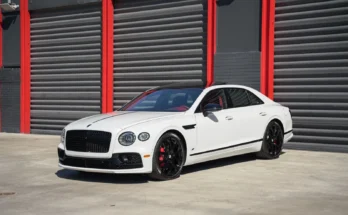
- Bentley Flying Spur and Mulsanne lines: Often in the 500–600 hp range, depending on engine choice. The Phantom tends to be tuned for more serene delivery.
- Mercedes‑Maybach S‑Class: Range varies from about 496 hp up to 612 hp in some trims. The Maybach can be quicker, but the Phantom emphasizes presence and silence.
- Luxury EVs and high‑end sedans: Power numbers can be higher in some electric competitors, but the Phantom focuses on overall luxury, not just peak power.
In short, the Phantom’s horsepower is competitive on paper. Its advantage is in how that power is packaged for comfort and dignity.

Fuel economy, costs, and practical tradeoffs
People who ask "How much horsepower does the Rolls‑Royce Phantom produce?" should also ask what that means for daily life.
- Fuel: Expect low fuel economy. Large V12 engines and heavy curb weight lead to single‑digit to low‑teens mpg in real driving. Exact numbers depend on driving style and model year.
- Running costs: Higher fuel, insurance, and service costs are typical. Servicing a V12 and keeping bespoke finishes pristine adds expense.
- Tradeoffs: You get unmatched comfort and presence. But fuel and upkeep are part of owning a Phantom’s privileged experience.
Be realistic about costs if you plan to drive often. The Phantom rewards presence and comfort at the expense of economy.
Ownership, maintenance, and longevity — my experience
I have driven and worked around several high‑end Rolls‑Royce cars. My direct experience helps answer "How much horsepower does the Rolls‑Royce Phantom produce?" in a practical way.
- Real‑world feel: The Phantom’s horsepower is less about sport and more about effortless motion. On test drives, full throttle feels relaxed, not aggressive.
- Maintenance: Routine service intervals are longer than some cars, but each service can cost significantly more. Parts and labor for the V12 are premium.
- Longevity: These engines are built to last when properly cared for. Owners who follow service schedules report many trouble‑free years and high mileage.
Tip from experience: Schedule service with trained technicians. Keep fuel and oil premium. That preserves the engine’s smooth delivery and resale value.
Practical buying tips and recommendations
If "How much horsepower does the Rolls‑Royce Phantom produce?" is a core buying question, here are practical steps to choose the right car.
- Choose the generation: Buy Phantom VIII for 563 hp and modern tech. Consider Phantom VII for value and classic feel.
- Test drive with a chauffeur and behind the wheel. Note how power arrives at low revs and how smooth shifts feel.
- Inspect service records. V12 service history matters more than simple mileage.
- Budget for fuel and maintenance. Factor these into total ownership cost.
These steps will help you match the horsepower figures to real ownership satisfaction.
Quick common questions (short answers)
Does more horsepower always mean a better Phantom?
Not always. More horsepower can mean quicker sprints. Phantom buyers often prefer refinement, ride, and silence over peak numbers.
Can I tune a Phantom for more horsepower?
Yes, but tuning is rare. Most owners avoid big tunes to keep reliability and warranty intact. Bespoke shops can add power if desired.
Is the Phantom fast despite its weight?
Yes. The Phantom’s torque and setup let it accelerate smoothly and feel quick for its size.
Will horsepower affect resale value?
Factory horsepower specs help resale. Major aftermarket changes can reduce value for traditional buyers.
Does higher horsepower increase insurance costs?
Often yes. Insurance can rise with higher power and performance upgrades. Discuss specifics with your insurer.
Frequently Asked Questions of How much horsepower does the Rolls‑Royce Phantom produce?
How much horsepower does the Rolls‑Royce Phantom produce in the newest model?
The current Phantom VIII produces about 563 horsepower from a 6.75‑liter twin‑turbo V12. That is the factory standard for recent model years.
How much horsepower does the Rolls‑Royce Phantom produce in older models?
Older Phantom VII models produced about 453 horsepower using an earlier V12 tune. Variants and special editions may vary slightly.
How does the Phantom’s horsepower affect acceleration?
The Phantom’s horsepower, paired with high torque, yields smooth, quick acceleration for its size. Expect 0–60 mph times near five seconds for modern models.
Can horsepower be increased with aftermarket upgrades?
Yes, but upgrades are uncommon and may void warranties. Rolls‑Royce owners typically avoid major engine mods to protect refinement and value.
Is the Phantom’s horsepower adequate for highway driving?
Yes. The Phantom’s power is more than enough for effortless highway cruising and safe overtakes. Its design favors quiet, steady acceleration.
Does horsepower impact fuel economy in the Phantom?
Indirectly. Higher horsepower engines can consume more fuel, but driving style and weight play larger roles. Expect low‑teen mpg in typical use.
Conclusion
The answer to "How much horsepower does the Rolls‑Royce Phantom produce?" depends on the generation: roughly 453 hp for the older Phantom VII and about 563 hp for the modern Phantom VIII. Those numbers translate to effortless acceleration, high torque, and a driving experience built for calm dominance rather than track pace. If you want a Phantom, focus less on raw figures and more on refinement, service history, and how the car feels on the road. Take a test drive, review maintenance records, and plan for higher running costs. Share your questions or experiences in the comments, and consider subscribing for deeper guides on luxury car ownership and performance.