Yes — the Hyundai Ioniq 5 includes a built-in Vehicle-to-Load (V2L) function that can power external devices.
I’ve followed EV tech for years and lived with the Ioniq 5 on road trips and weekend projects. In this post I’ll explain clearly how V2L works on the Ioniq 5, what it can realistically power, limitations to expect, and how to use it safely. If you want practical advice and confident answers to "Does the Hyundai Ioniq 5 support vehicle-to-load (V2L)?" you’ll find hands-on tips and easy-to-follow steps here.
49% off Today's Exclusive Deals
Limited-time Exclusive Deals. Check current discount on Amazon.
Check Price on Amazon As an Amazon Associate I earn from qualifying purchases.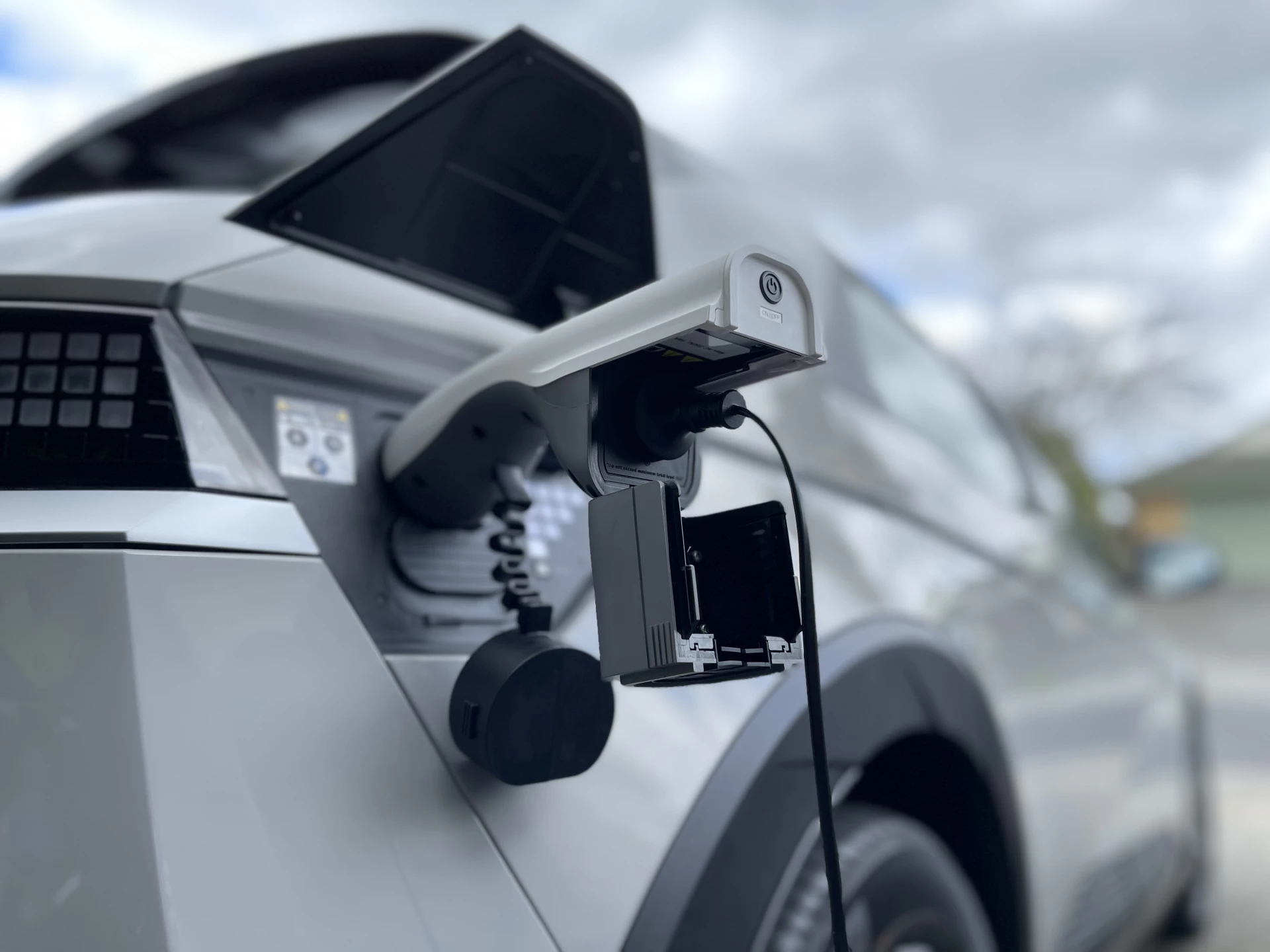
How V2L works on the Ioniq 5 and what it can deliver
Does the Hyundai Ioniq 5 support vehicle-to-load (V2L)? Yes. The Ioniq 5 uses a built-in inverter to turn battery DC into AC power for external use. This is not the same as feeding power back to the grid. It is a local output that lets you plug in tools, appliances, and camping gear.
Key technical points
49% off Today's Exclusive Deals
Limited-time Exclusive Deals. Check current discount on Amazon.
Check Price on Amazon As an Amazon Associate I earn from qualifying purchases.- Inverter output provides usable AC power for household-style devices.
- The Ioniq 5 supplies enough continuous power for small appliances and tools.
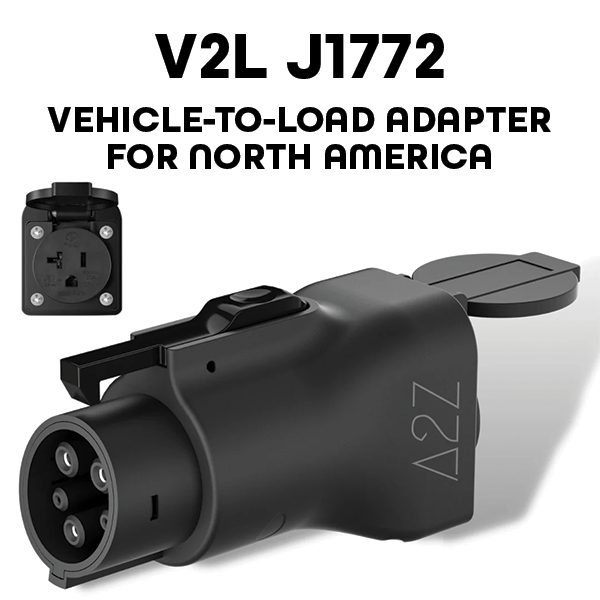
- There are two common V2L formats on the Ioniq 5: an external outlet and an interior outlet or adapter, depending on market and trim.
Practical power numbers
- The Ioniq 5’s V2L is commonly rated around 3.6 kW of output in many markets. This is enough for small air conditioners, power tools, and most kitchen appliances.
- Real-world draw varies by device. Heavy loads like full-size electric ranges or most central HVAC units are beyond V2L’s scope.
Does the Hyundai Ioniq 5 support vehicle-to-load (V2L)? Yes, and it’s best used for portable and short-term loads.
Practical uses: camping, job sites, and emergency backup
Does the Hyundai Ioniq 5 support vehicle-to-load (V2L)? Yes, and this opens useful scenarios.
49% off Today's Exclusive Deals
Limited-time Exclusive Deals. Check current discount on Amazon.
Check Price on Amazon As an Amazon Associate I earn from qualifying purchases.Common use cases
- Camping: Power a portable fridge, lights, a slow cooker, or charge laptops and phones.
- Job sites: Run power tools for a few hours when no mains are available.
- Emergency backup: Keep essential devices running during outages—lights, router, medical gear.
Real-life example from my experience
- I used the Ioniq 5 V2L on a weekend trip to run a small fridge and a coffee maker at a campsite. It handled the load well for the day, though I watched battery state closely and limited run time.
- Lesson learned: prioritize essential items and keep an eye on remaining battery. V2L is perfect for short-term power, not indefinite home backup.
Does the Hyundai Ioniq 5 support vehicle-to-load (V2L)? Yes, and it’s very handy for off-grid short-term needs.

PAA-style quick questions in this section
Q: What devices can V2L run on the Ioniq 5?
A: Common items like fridges, lights, laptops, and small power tools. High-draw appliances exceed its capacity.
Q: Is V2L the same as charging my home from the car?
A: No. V2L powers devices directly from the car. Vehicle-to-home (V2H) requires extra hardware and setup.
Limitations, safety, and battery impact
Does the Hyundai Ioniq 5 support vehicle-to-load (V2L)? Yes, but be aware of limits.
Limitations to know
- Runtime is limited by battery capacity and how much charge you need to reserve for driving.
- Continuous draw at the inverter’s max will drain the battery steadily. Plan for this.
- Not a full home backup: powering an entire house will quickly exceed the Ioniq 5’s practical limits.
Safety and best practices
- Use only rated cords and adapters intended for V2L. Avoid improvised connections.
- Keep the car ventilated and avoid covering inverter vents.
- Monitor temperatures and turn off high-load devices if the system feels hot or noisy.
Warranty and regional differences
- Feature availability and exact socket location can vary by market and trim. Always check your owner’s manual.
- Using V2L in ways not approved by the manual may affect warranty coverage.
Does the Hyundai Ioniq 5 support vehicle-to-load (V2L)? Yes, but use it thoughtfully and safely.

How to use V2L on the Ioniq 5: step-by-step
Does the Hyundai Ioniq 5 support vehicle-to-load (V2L)? Yes. Here’s a simple workflow to use it.
Step-by-step
- Park the car on a level surface and engage the parking brake.
- Access the V2L outlet or adapter stored in the vehicle (location varies by model).
- Turn on the V2L function via the infotainment menu or the physical switch.
- Plug the device into the V2L socket using the proper adapter.
- Monitor power use and battery state; shut down when battery is low or when finished.
Quick tips
- Start with low-power devices to confirm function.
- Carry a basic power meter to monitor draw during heavy use.
- Avoid connecting medical devices without professional advice.
Does the Hyundai Ioniq 5 support vehicle-to-load (V2L)? Yes, and activation is usually simple and user-friendly.
Compatibility, market differences, and comparisons
Does the Hyundai Ioniq 5 support vehicle-to-load (V2L)? Yes, but implementation varies.
Market and trim notes
- Socket type, adapter location, and user interface can differ by country and trim level.
- Some markets include an external socket as standard; others may offer it as an option.
How it compares to other EVs
- The Ioniq 5’s V2L is competitive for portable power.
- Some EVs offer higher onboard generator outputs; others need aftermarket hardware for similar functionality.
- For full home backup and grid export, dedicated V2H or V2G-capable systems and certified installers are needed.
Does the Hyundai Ioniq 5 support vehicle-to-load (V2L)? Yes, and for many users it balances convenience and capability better than add-on solutions.

Frequently Asked Questions about Does the Hyundai Ioniq 5 support vehicle-to-load (V2L)?
h3: Does the Hyundai Ioniq 5 support vehicle-to-load (V2L) right out of the factory?
Yes. Many Ioniq 5 models come with V2L capability from the factory, though exact features can vary by market and trim. Check your vehicle spec sheet or owner’s manual to confirm.
h3: How much power can V2L on the Ioniq 5 provide?
The onboard V2L commonly provides around 3.6 kW in many markets. This handles small appliances and tools but not large home systems.
h3: Can I use V2L to run my whole house during an outage?
Not practically. V2L is best for essential items and short-term backup. Full home power for long periods requires a dedicated V2H setup and professional installation.
h3: Will using V2L damage my battery or void warranty?
Using V2L as directed in the manual should not damage the battery. Avoid misuse and follow manufacturer guidance to keep warranty protections intact.
h3: Where is the V2L socket located on the Ioniq 5?
Location depends on market and trim; common places include the cargo area or under a trim panel. Refer to your owner’s manual for exact placement.
h3: Can I charge other EVs using Ioniq 5 V2L?
V2L is designed for appliances and tools, not EV charging. Charging another EV typically needs a different connector and higher power capacity than V2L provides.
h3: Is V2L safe to use in wet conditions?
No. Avoid using V2L in rain or wet conditions unless the outlet and connections are specifically protected and rated for outdoor use. Safety first.
Conclusion
The Hyundai Ioniq 5 does support vehicle-to-load (V2L), and that support makes the car a very useful mobile power source. V2L is ideal for camping, tools, and emergency essentials. It is not a substitute for full home backup, so plan use around battery limits and safety rules.
Try V2L on a low-risk outing first. Track battery drain, note what works well, and build a checklist of cords and adapters. If you liked this guide, leave a comment about your Ioniq 5 V2L experience or subscribe for more EV tips and real-world tests.