The Toyota Land Cruiser tows up to 8,100 pounds when properly equipped and maintained.
As a longtime SUV owner and occasional tow-operator, I’ve spent hours comparing specs, reading owner manuals, and towing trailers on long trips. This article gives a clear, expert look at the towing capacity of the Toyota Land Cruiser, what affects that number, real-world tips, and how to safely match your trailer to your vehicle. Read on to learn exact limits, setup advice, and practical examples so you can tow confidently and legally.

49% off Today's Exclusive Deals
Limited-time Exclusive Deals. Check current discount on Amazon.
Check Price on Amazon As an Amazon Associate I earn from qualifying purchases.
Overview: How much can the Land Cruiser tow?
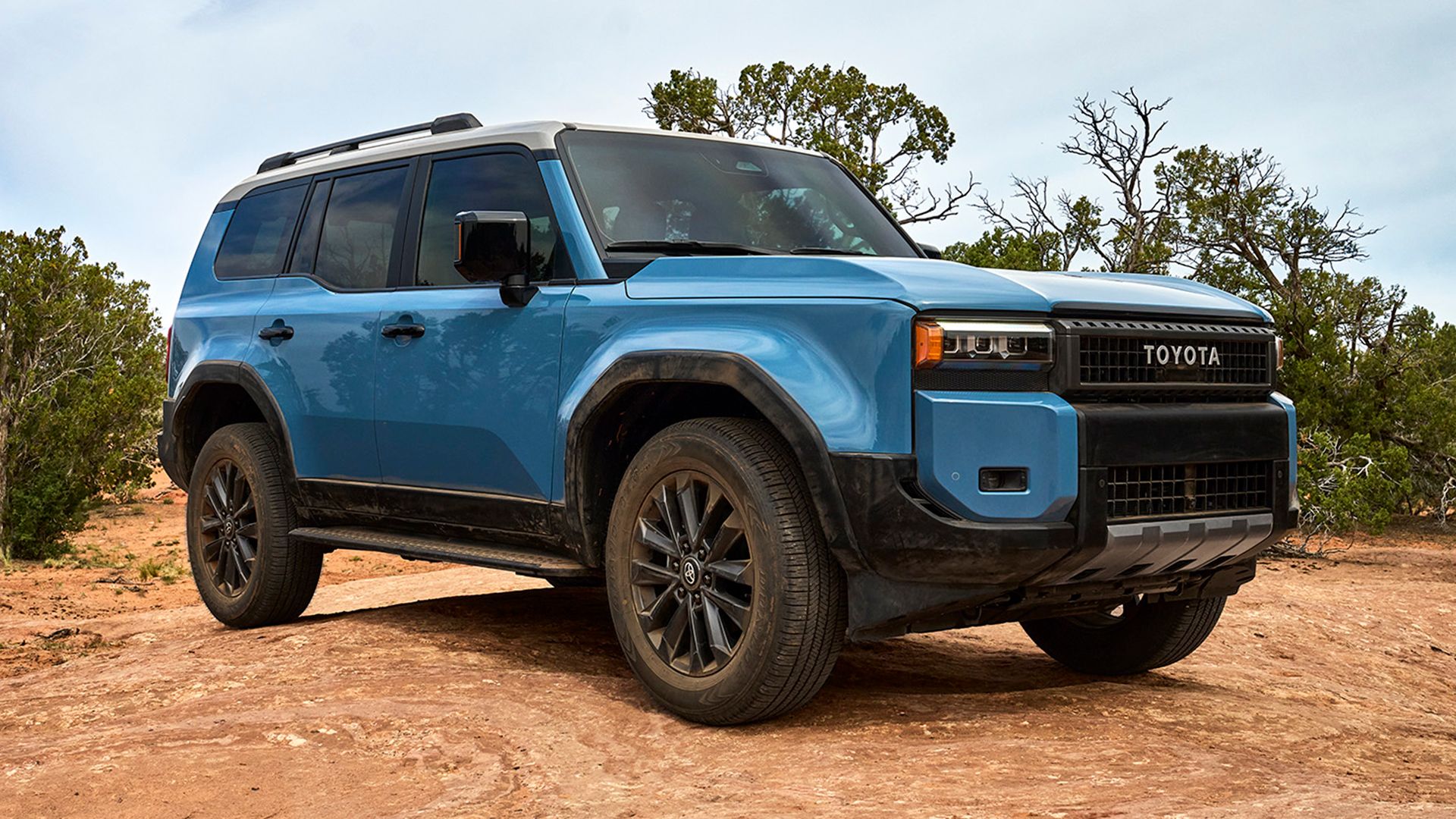
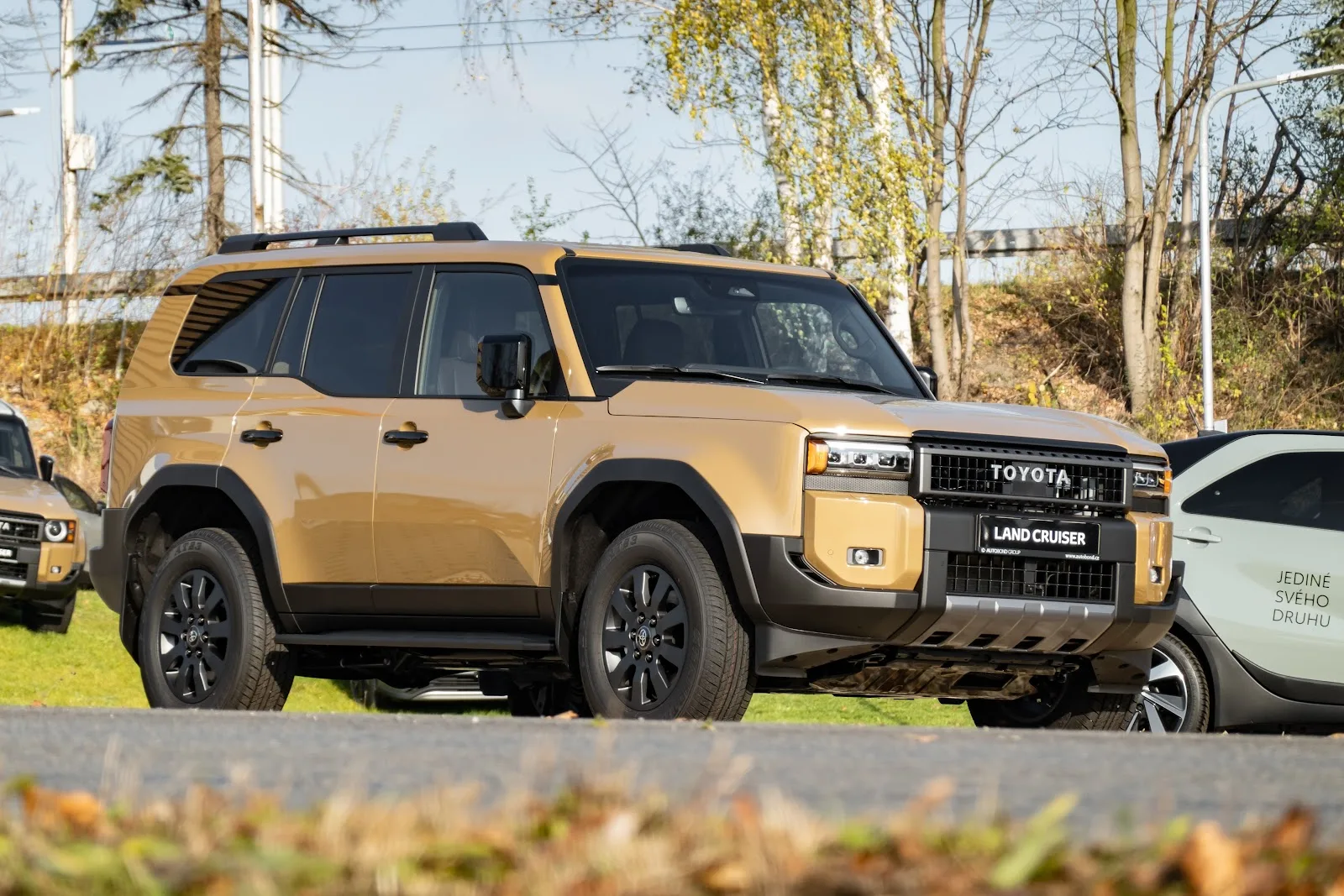
The towing capacity of the Toyota Land Cruiser depends on model year and equipment. For recent full-size Land Cruisers, the factory towing rating typically tops out at 8,100 pounds when properly equipped. Older models and certain trims may rate lower, often between 5,000 and 8,000 pounds.
Key points to remember:
49% off Today's Exclusive Deals
Limited-time Exclusive Deals. Check current discount on Amazon.
Check Price on Amazon As an Amazon Associate I earn from qualifying purchases.- Towing numbers change by model year and factory options.
- The rated towing capacity is a maximum. Stay below it for safety and longevity.
- Payload, tongue weight, and trailer brakes all affect safe towing.
Factors that determine towing capacity
Several technical limits shape the towing capacity of the Toyota Land Cruiser. Understanding them helps you avoid overload and stay safe.
Engine and drivetrain
- The engine torque and horsepower dictate how well the vehicle pulls heavy loads. Higher-output engines support higher towing ratings.
- Transmission cooling and gear ratios also play roles in sustained towing performance.
Chassis, brakes, and suspension
49% off Today's Exclusive Deals
Limited-time Exclusive Deals. Check current discount on Amazon.
Check Price on Amazon As an Amazon Associate I earn from qualifying purchases.- Frame strength and suspension tuning affect how much weight the vehicle can safely control.
- Brake size and brake control systems determine stopping capability with a trailer attached.
GCWR, GVWR, and payload
- Gross Combined Weight Rating (GCWR) limits the combined weight of the vehicle, passengers, cargo, and trailer.
- Gross Vehicle Weight Rating (GVWR) caps the vehicle’s loaded weight.
- Payload is the weight you can add to the vehicle after accounting for passengers and cargo. Improper payload reduces towing margin.
Hitch class and tongue weight
- The correct hitch class and proper tongue weight ensure secure towing. Tongue weight is typically 10–15% of trailer weight.
- Using the wrong hitch reduces control and can void warranties.
Accessories and option packages
- Tow packages add a stronger hitch, transmission cooler, and wiring harness. A factory tow package often increases the rated towing capacity.
How to find your Land Cruiser’s exact towing capacity
Don’t guess—verify. Here’s where to look and how to confirm the number for your exact vehicle.
Check the owner’s manual
- The owner’s manual lists the official towing capacity by trim and engine. This is the primary authority.
Look for the vehicle certification label
- A sticker inside the driver door jam shows the GVWR and often payload. Use these numbers when calculating maximum trailer weight.
Use the VIN and dealer resources
- Provide your VIN to a dealer to get factory build specs including tow package options and the exact towing rating for your truck.
Calculate based on GCWR and payload
- Subtract your loaded vehicle weight from GCWR to find the maximum trailer weight the setup allows.
- Always leave margin for cargo, passengers, and fuel.
Towing setup, equipment, and best practices
Setting up right matters more than chasing the maximum number. Follow these practical steps for safer towing.
Essential tow equipment
- Weight-distributing hitch helps control sway with heavy trailers.
- Trailer brake controller is required for most trailers over certain weight thresholds.
- Proper wiring and lights are mandatory for safety and legality.
Loading and balance tips
- Set tongue weight between 10–15% of trailer weight.
- Keep cargo low and centered; avoid heavy items at the far back of the trailer.
- Check tire pressure on both vehicle and trailer before every trip.
Driving and braking advice
- Allow extra stopping distance. Double or triple your usual following gap depending on load.
- Use lower gears when descending long grades and avoid riding the brakes.
- Make wide turns and use trailer mirrors to maintain situational awareness.
Personal tip from experience
- On a long mountain route I reduced my trailer load by 500 pounds and saw much better cooling and lower transmission temps. Small margins can make big differences.

Real-world examples and common use cases
Seeing examples helps match the towing capacity of the Toyota Land Cruiser to your needs. Below are common trailers and rough weights.
Small travel trailer
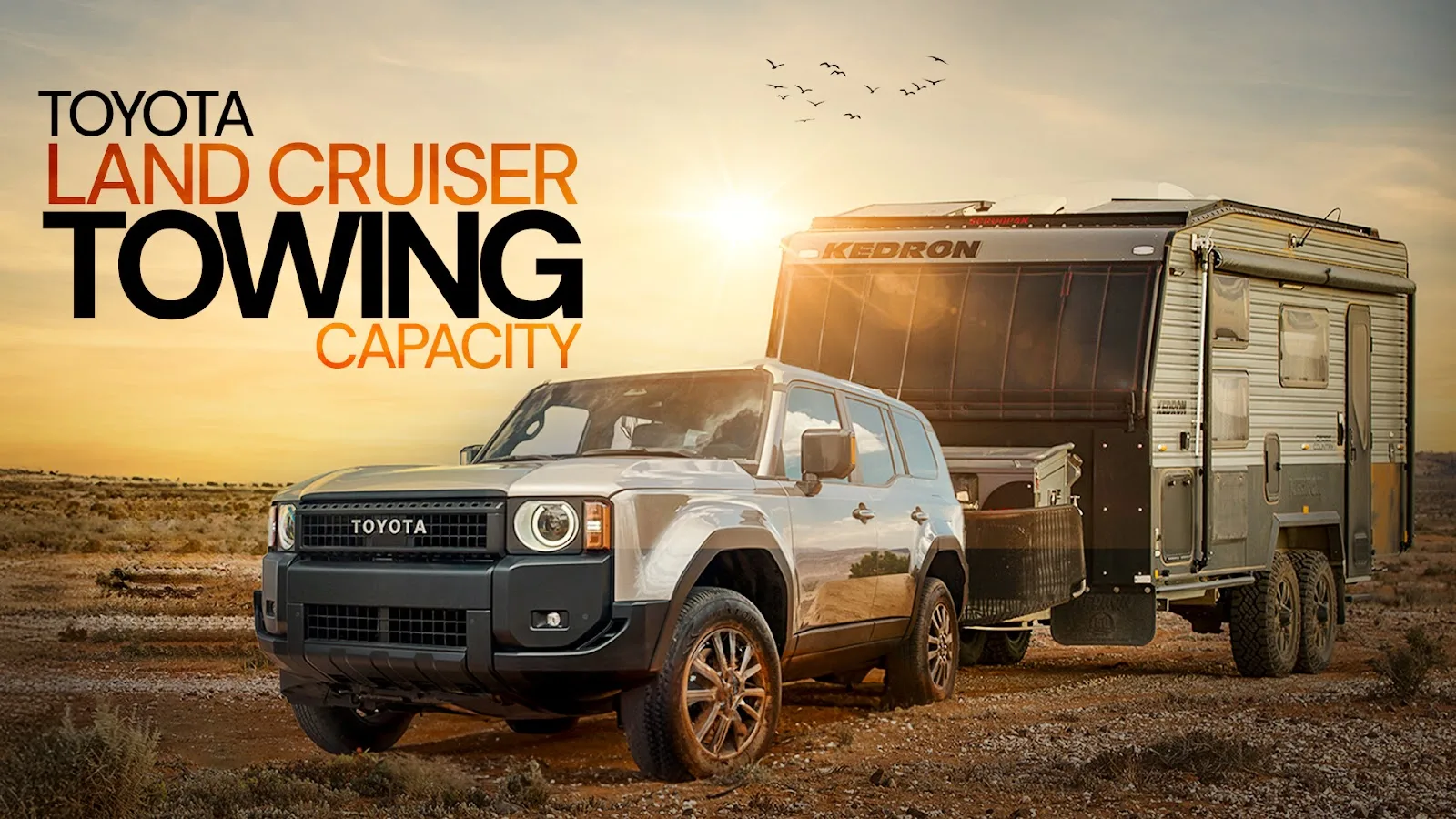
- Lightweight travel trailers often run 3,000–5,000 pounds. Most Land Cruisers can handle these easily when correctly loaded.
Boat on a trailer
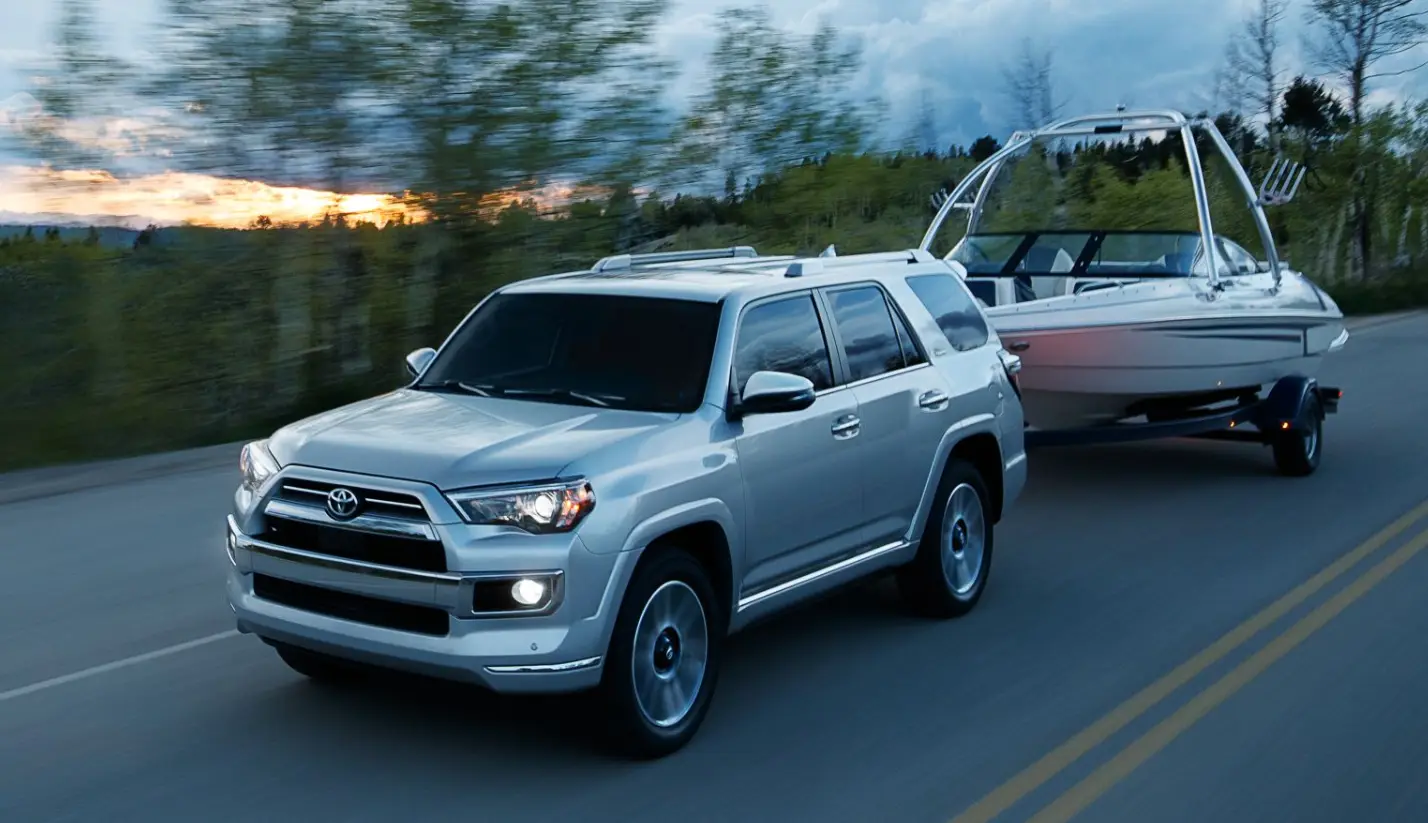
- Small runabouts and bass boats often weigh 1,500–4,000 pounds plus trailer. Confirm combined weight is within limits.
Horse trailers and utility trailers
- Two-horse trailers can be 4,500–7,000 pounds loaded. Check tongue weight and braking systems carefully.
Heavy-duty toy haulers
- Larger toy haulers and large campers can approach or exceed 8,000 pounds. If you plan heavy loads, verify your Land Cruiser’s exact rating and consider a heavier-duty tow vehicle if needed.
Modifications, limits, and warranty considerations
Aftermarket changes can help but also introduce risks. Know the trade-offs.
Common upgrades
- Upgrading to a higher-capacity hitch, installing an auxiliary transmission cooler, and fitting a brake controller can improve towing performance.
- Suspension upgrades help with ride and control but do not legally increase factory towing capacity.
Warranty and safety notes
- Exceeding the manufacturer’s rated towing capacity can void warranty claims related to drivetrain, cooling, or braking systems.
- Any modification should be evaluated by a qualified shop and documented to maintain safety and compliance.
When to choose a different vehicle
- If your hauling needs regularly push past the rated towing capacity of the Toyota Land Cruiser, consider a heavy-duty truck with larger GCWR.

PAA-style quick questions
How much weight can a Land Cruiser tow on steep grades?
- Steep grades reduce safe towing capacity because the engine and brakes work harder; aim to reduce trailer weight and use lower gears to maintain control.
Do I need trailer brakes for a Land Cruiser?
- Local laws vary, but trailers above certain weights require brakes. Even when not required by law, trailer brakes greatly improve safety.
How does payload affect towing?
- Heavy payload reduces the margin available for trailer weight. Calculate payload first, then select a trailer that keeps you within GCWR.
What is tongue weight and why does it matter?
- Tongue weight is the downward force at the hitch and should be 10–15% of trailer weight to prevent sway and control issues.
Can I increase towing capacity with aftermarket parts?
- Aftermarket parts can improve performance but do not legally raise the factory towing rating. Exceeding the rated capacity risks damage and warranty loss.
Frequently Asked Questions about What is the towing capacity of the Toyota Land Cruiser?
How much can a 2020 Toyota Land Cruiser tow?
A properly equipped 2020 Toyota Land Cruiser typically has a towing capacity around 8,100 pounds. Check the owner’s manual and build specs to confirm your exact vehicle rating.
Does the Land Cruiser come with a tow package?
Some Land Cruiser trims offer factory tow packages that include a hitch, wiring, and cooling upgrades. A tow package often ensures the vehicle reaches its maximum rated towing capacity.
How do I calculate safe trailer weight?
Start with the vehicle’s GCWR and subtract the loaded vehicle weight including passengers and cargo. Ensure the resulting trailer weight stays under the rated towing capacity and maintains proper tongue weight.
Will extra passengers affect towing capacity?
Yes. Adding passengers and cargo reduces available payload and can lower the maximum trailer weight you can safely tow. Always include people and gear in your calculations.
Are trailer brakes required for heavy loads?
Many jurisdictions require trailer brakes above a specific trailer weight. Regardless of law, trailer brakes improve stopping control and are recommended for heavier trailers.
Can I tow a fifth-wheel with a Land Cruiser?
Fifth-wheel trailers are usually too heavy and require pickup-style fifth-wheel hitches and higher GCWR. A Land Cruiser is generally not suited for fifth-wheel towing.
How often should I inspect towing gear?
Inspect hitch, wiring, and trailer brakes before every trip and perform a thorough inspection at least seasonally. Basic checks prevent failures and improve safety.
Conclusion
Knowing the towing capacity of the Toyota Land Cruiser helps you match trailers, plan loads, and tow safely. The typical modern Land Cruiser rates around 8,100 pounds when properly equipped, but confirm your exact number through the owner’s manual or dealer using your VIN. Focus on payload, tongue weight, proper hitching, and maintenance to keep towing safe and reliable.
Takeaway: verify the exact towing capacity for your vehicle, gear up correctly, and respect the limits—doing so will keep you, your passengers, and your cargo safe on the road. If this guide helped, leave a comment with your towing setup or subscribe for more towing tips and vehicle insights.