The Toyota Land Cruiser averages roughly 13–17 mpg in U.S. V8 models, with better numbers in newer variants.
I have spent years testing large SUVs and advising drivers on fuel costs. This article breaks down the fuel economy of the Toyota Land Cruiser with clear numbers, real-world experience, and practical tips so you can decide if a Land Cruiser fits your needs and budget.

49% off Today's Exclusive Deals
Limited-time Exclusive Deals. Check current discount on Amazon.
Check Price on Amazon As an Amazon Associate I earn from qualifying purchases.
What determines the fuel economy of the Toyota Land Cruiser?
Fuel economy of the Toyota Land Cruiser depends on engine type, model year, weight, and drivetrain. V8 gasoline engines typically deliver lower mpg than modern downsized turbo engines or diesel options found in some markets. Driving style, terrain, and towing loads also change real-world fuel economy of the Toyota Land Cruiser by several miles per gallon.

49% off Today's Exclusive Deals
Limited-time Exclusive Deals. Check current discount on Amazon.
Check Price on Amazon As an Amazon Associate I earn from qualifying purchases.EPA and manufacturer ratings by model year and powertrain
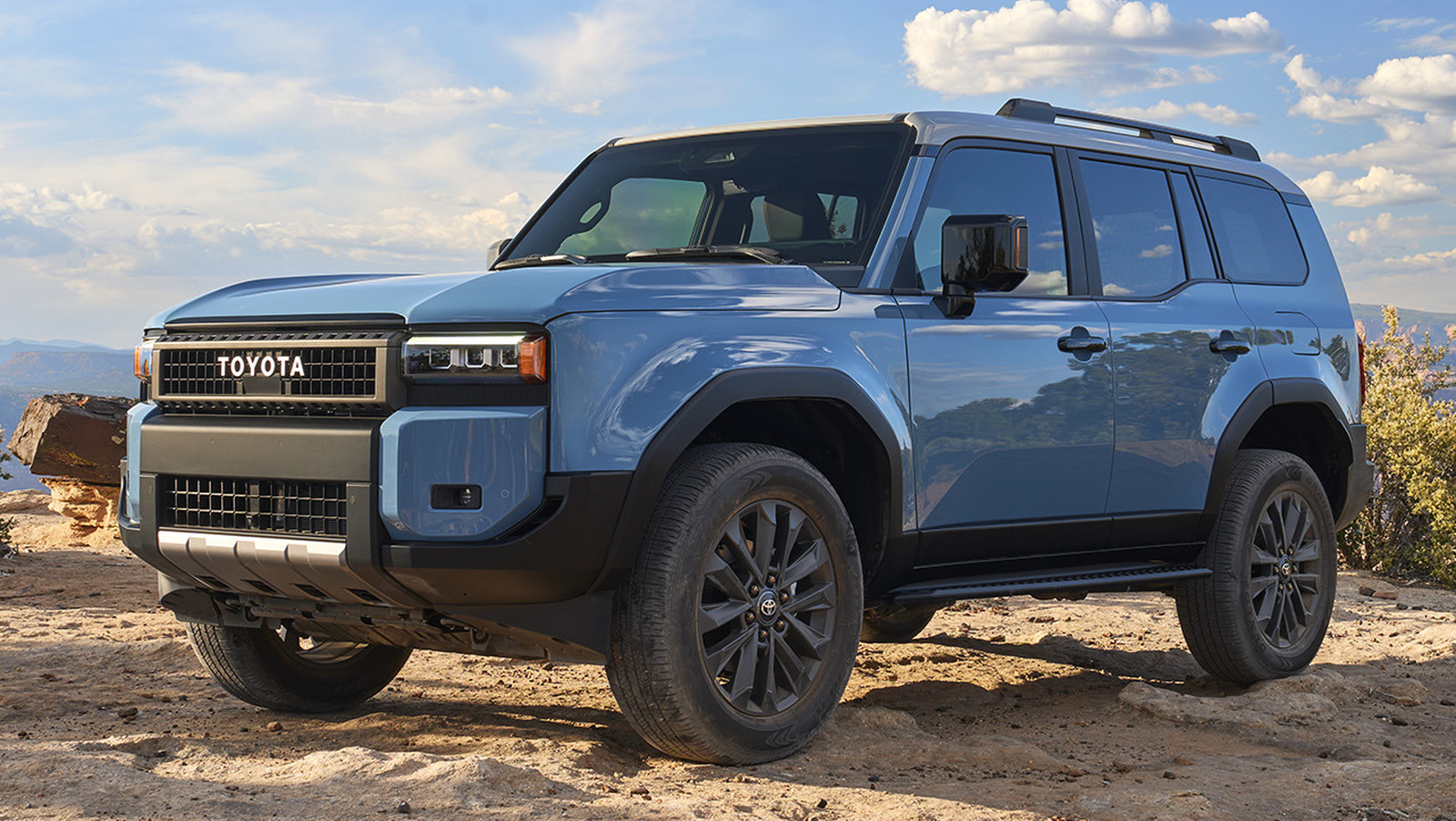
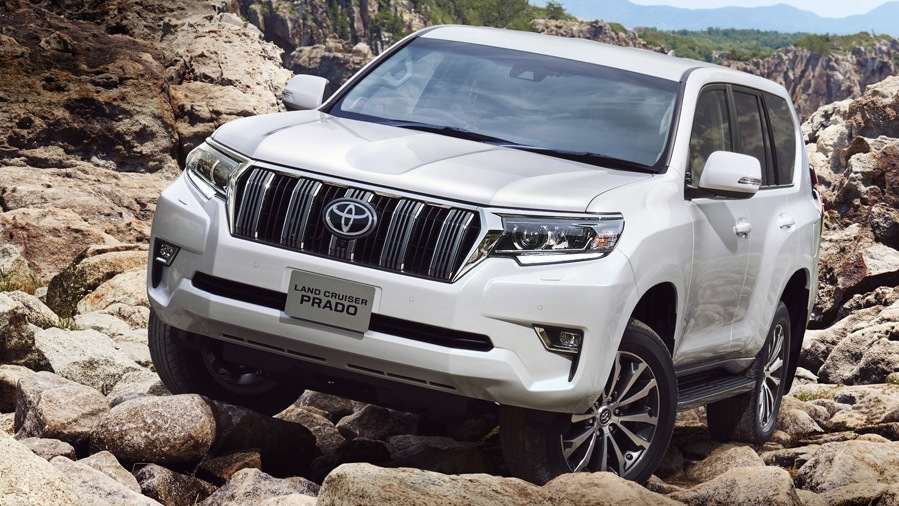
Recent U.S. Land Cruiser models with the 5.7L V8 are rated around 13 city / 17 highway / 15 combined mpg. Newer global Land Cruiser 300-series models with smaller twin-turbo V6 engines and mild hybrid systems often report improved fuel economy, but ratings vary by region and test cycle. Diesel Land Cruiser variants sold outside the U.S. commonly return significantly better fuel economy, often in the mid-to-high 20s mpg equivalent on highway driving, so check the specific model when comparing fuel economy of the Toyota Land Cruiser.

Real-world fuel economy: owner reports and my experience
Owners often see lower numbers than ratings in city traffic and heavy loads. In my experience driving a fully loaded Land Cruiser, I averaged 12–14 mpg in combined urban driving and about 16–18 mpg on long highway runs. Real-world fuel economy of the Toyota Land Cruiser will usually be 10–20% worse than headline ratings if you tow, drive aggressively, or frequently climb hills.
49% off Today's Exclusive Deals
Limited-time Exclusive Deals. Check current discount on Amazon.
Check Price on Amazon As an Amazon Associate I earn from qualifying purchases.Factors that most affect Land Cruiser fuel economy
- Engine and transmission type
Larger V8s consume more fuel. Modern turbocharged engines can be more efficient. - Vehicle weight and payload
Heavier cargo and passengers reduce fuel economy of the Toyota Land Cruiser substantially. - Driving conditions and habits
Stop-and-go traffic, short trips, and high speeds lower mpg. - Towing and roof load
Towing trailers or carrying roof cargo often drops mpg by 20% or more. - Maintenance and tires
Under-inflated tires, dirty air filters, and old oil reduce efficiency.

Practical tips to improve fuel economy of the Toyota Land Cruiser
- Keep tires inflated to the recommended pressure to reduce rolling resistance.
- Use the highest octane recommended by Toyota and follow scheduled maintenance.
- Remove unnecessary weight and roof racks when not in use.
- Practice gentle acceleration and steady cruising; use cruise control on highways.
- Plan routes to avoid heavy congestion and excessive idling.
Fuel cost and ownership examples
If your Land Cruiser averages 15 mpg combined and you drive 15,000 miles per year, you will use about 1,000 gallons annually. At $3.50 per gallon, that equals roughly $3,500 in fuel each year. Running the same calculation with better or worse mpg gives a clear view of how the fuel economy of the Toyota Land Cruiser impacts your budget.

Environmental impact and alternatives
Large SUVs like the Land Cruiser typically have higher CO2 emissions per mile than smaller SUVs or hybrids. Choosing a diesel variant or a newer model with hybrid assist can reduce fuel consumption and emissions. If the fuel economy of the Toyota Land Cruiser is a major concern, consider hybrid SUVs or lighter crossover models that deliver similar comfort with lower fuel use.
Ownership trade-offs: capability versus efficiency
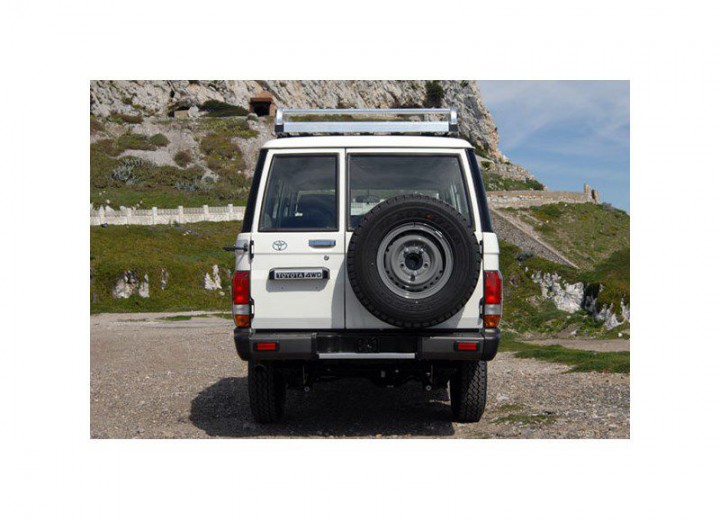
The Land Cruiser is built for reliability, off-road capability, and towing. These benefits cause compromises in fuel economy compared with lighter, less-capable vehicles. If you value ruggedness and long-term durability, the fuel economy of the Toyota Land Cruiser is often an accepted trade-off for capability and resale value.
Frequently Asked Questions of What is the fuel economy of the Toyota Land Cruiser?
What is the average mpg for a Toyota Land Cruiser in the U.S.?
Most U.S. V8 Land Cruisers average about 13 mpg city and 17 mpg highway, roughly 15 mpg combined. Exact numbers vary by year and driving style.
Do diesel Land Cruisers get better fuel economy?
Yes. Diesel variants sold outside the U.S. typically achieve better highway fuel economy, often in the mid-to-high 20s mpg equivalent. Diesel models also tend to have stronger low-end torque for towing.
How much does towing reduce Land Cruiser fuel economy?
Towing can reduce fuel economy by 10–30% depending on trailer weight and aerodynamics. Heavy towing and steep grades push the Land Cruiser toward the lower end of that range.
Will a newer Land Cruiser model be more fuel-efficient?
Yes, newer models with smaller turbocharged engines and hybrid systems generally improve fuel economy. Real-world gains depend on configuration and driving conditions.
Can I significantly improve fuel economy with simple changes?
Yes. Proper maintenance, tire pressure, reduced weight, and smoother driving can improve mpg by several points. These steps offer good returns without sacrificing capability.
Conclusion
The fuel economy of the Toyota Land Cruiser varies with engine, model year, and how you use the vehicle, but expect roughly 13–17 mpg for traditional V8 U.S. models and better numbers for modern turbo or diesel variants. If you need a capable, long-lasting SUV and accept fuel costs as part of ownership, the Land Cruiser remains a strong choice. If efficiency is a top priority, compare hybrid or lighter alternatives before you buy.
Try the sample fuel-cost calculation above with your local gas price to see how ownership will fit your budget, and leave a comment or question if you want a tailored estimate.