Common issues include suspension wear, oil leaks, electronics glitches, and rust on older Land Cruisers.
I’ve spent years working on and driving Toyota Land Cruiser models, from rugged 80s-era rigs to modern 200-series SUVs. This article gives a clear, practical look at the most common problems with the Toyota Land Cruiser, why they happen, how to spot them early, and what to do about them. Expect hands-on tips, repair-cost ranges, and preventive maintenance advice so you can enjoy your Land Cruiser longer and avoid surprise bills.

49% off Today's Exclusive Deals
Limited-time Exclusive Deals. Check current discount on Amazon.
Check Price on Amazon As an Amazon Associate I earn from qualifying purchases.
Common problem categories for the Toyota Land Cruiser
The Land Cruiser is famed for reliability, but no vehicle is perfect. Common problems fall into predictable categories: engine and drivetrain, suspension and chassis, electrical and electronics, body and corrosion, and routine wear items. Knowing the categories lets you diagnose issues faster and budget for repairs.
- Engine and oil leaks — aged gaskets and seals often fail.
- Suspension and steering — bushings and shocks wear faster off-road.
- Electrical gremlins — sensors and modules can act up with age.
- Rust and body corrosion — older models face frame and rocker rust.
- Brakes, fuel, and emissions — wear items that affect safety and efficiency.
These categories show why the Toyota Land Cruiser remains desirable: many issues are fixable and predictable. Read on for specifics, symptoms, causes, and practical fixes.
49% off Today's Exclusive Deals
Limited-time Exclusive Deals. Check current discount on Amazon.
Check Price on Amazon As an Amazon Associate I earn from qualifying purchases.
Engine and drivetrain issues
The Toyota Land Cruiser’s engines are durable, but common problems appear after high miles or hard use. Typical engine and drivetrain issues include oil leaks, timing component wear, injector or turbo faults (on diesel models), and transmission wear.
- Oil leaks from valve cover gaskets, rear main seals, and oil pan gaskets. These are common with age and heat cycles.
- Timing chain or timing belt wear on older models. A stretched chain causes noise and poor performance.
- Diesel owners may see turbocharger degradation, injector failures, or glow plug issues.
- Automatic transmissions may develop sluggish shifts or torque converter problems after high mileage.
Symptoms to watch for
- Oil spots under the vehicle or burning oil smell while driving.
- Ticking or rattling from the front of the engine at idle or startup.
- Harsh or delayed shifts, slipping, or fluid burning smell.
- Loss of power, increased smoke on diesel models, or rough idle.
Practical fixes and costs
49% off Today's Exclusive Deals
Limited-time Exclusive Deals. Check current discount on Amazon.
Check Price on Amazon As an Amazon Associate I earn from qualifying purchases.- Valve cover gasket replacement usually runs low-to-mid three figures in parts and labor for older models.
- Timing component services are costlier; expect high three figures to low four figures depending on scope.
- Transmission repairs vary widely; minor services are a few hundred dollars, full rebuilds can reach several thousand.
I’ve replaced rear main seals and valve cover gaskets on multiple Land Cruisers; patience and good seals prevent oil-related engine issues later.

Source: youtube.com
Suspension, steering, and chassis wear
Land Cruisers often see heavy duty use. That leads to worn bushings, ball joints, shocks, and leaf springs or coil springs. Off-road use accelerates wear.
- Worn shock absorbers and struts lead to poor ride control and bottoming out.
- Control arm bushings and sway bar links wear and cause clunking or wandering.
- Steering rack leaks or loose tie rods cause play and uneven tire wear.
- Frame rust on older models can compromise suspension mounting points.
Symptoms to watch for
- Clunking over bumps, nose-dive under braking, or a floaty highway feel.
- Uneven or rapid tire wear and steering wander.
- Visible leaks from shocks or sagging ride height.
Practical fixes and costs
- Shock and strut replacement is straightforward and improves ride dramatically.
- Bushing and ball joint replacement should be done in pairs to restore handling.
- Suspension rebuilds can cost from a few hundred to a few thousand dollars based on parts and labor.
On my first Land Cruiser, replacing worn front control arm bushings completely changed handling for the better. Regular inspections prevent cascading damage.
Source: corsetticruisers.com
Electrical and electronics problems
Modern Land Cruisers have more electronics. With age, sensors, wiring, and modules can fail. Even older analog systems develop ground and connector issues.
- Faulty sensors: oxygen sensors, mass air flow, and cam/crank sensors produce check-engine lights.
- Wiring corrosion in connectors leads to intermittent faults.
- Infotainment and HVAC control modules may fail or behave erratically.
- Battery and alternator issues can show up after prolonged accessory use or infrequent drives.
Symptoms to watch for
- Dashboard warning lights, intermittent starting problems, or erratic gauge readings.
- Audio, navigation, or climate controls freezing or rebooting.
- Dim lights, slow cranking, or battery drain when parked.
Practical fixes and tips
- Scan for trouble codes before guessing parts. Codes narrow down likely sensors or circuits.
- Clean ground points and harness connectors to solve many intermittent faults.
- Replace failing modules only after confirming wiring and power supplies are healthy.
I once traced a persistent check-engine light to a corroded ground, saving hundreds versus module replacement. Simple checks often fix frustrating electronic issues.

Source: youtube.com
Body, rust, and corrosion
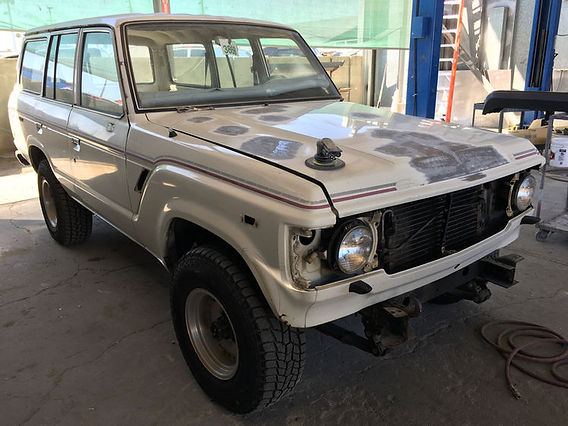
Older Toyota Land Cruiser frames and bodies can show rust, especially in salty climates or where underbody protection has worn off. Rocker panels, door sills, frame rails, and fuel tank straps are vulnerable.
- Frame and chassis surface rust can progress to structural problems if left untreated.
- Rocker panel and door bottom rust affects doors and interior seals.
- Corroded fuel and brake lines may lead to safety issues.
Symptoms to watch for
- Bubbling paint, flaking metal, or rust stains on carpets.
- Rattles from loose underbody shields or straps.
- Visible rust on frame rails or suspension mounts during a crawl under the vehicle.
Practical fixes and costs
- Early rust should be cleaned, treated, and sealed. This is inexpensive and prevents larger repairs.
- Structural rust may require welding and frame repair, which is costly but necessary for safety.
- Undercoating and regular washouts after winter drives reduce corrosion risk.
I recommend inspecting the frame yearly, especially if you live where salt is used. Addressing small rust spots early saves money and preserves resale value.

Source: motorbiscuit.com
Fuel, emissions, and braking systems
Fuel pumps, injectors, and brake components wear like any vehicle. Diesel models have additional complexity with emissions systems.
- Fuel pump and filter issues lead to poor acceleration or stalling.
- Brake wear: rotors, pads, and calipers need periodic replacement.
- Emissions components such as EGR, DPF, or catalytic converters can clog or fail, especially with short-trip driving.
Symptoms to watch for
- Hesitation under load, difficulty starting, or reduced fuel economy.
- Brake pulsation, noise, or reduced stopping power.
- Warning lights related to emissions or reduced performance in diesel models.
Practical fixes and maintenance
- Regular fuel filter changes and clean injectors help fuel system longevity.
- Brake service intervals depend on driving style and load — inspect brakes at each oil change.
- For diesel owners, periodic long drives or regen sessions help DPF health; otherwise, professional cleaning or replacement may be needed.
From my experience, keeping fresh fuel filters and quality fuel prevents many drivability headaches. Brake checks are simple and essential for safety.

Source: youtube.com
Maintenance priorities and long-term ownership tips
Land Cruisers reward owners who are proactive. Regular maintenance prevents most common problems.
- Follow recommended service intervals for oil, filters, fluids, and belts.
- Inspect suspension, brakes, and steering components yearly.
- Keep a maintenance log to track parts and jobs — it helps with resale and diagnosis.
- Use quality parts for wear items; they last longer and often cost less over time.
Practical budget planning
- Expect routine annual maintenance of a few hundred dollars.
- Major items like transmission service, timing jobs, or suspension rebuilds are occasional larger expenses.
- Save in advance: a maintenance reserve of $1,000–$2,000 per year helps cover unexpected repairs on older Land Cruisers.
My rule of thumb: replace wear items proactively when close to service life. It avoids breakdowns at inconvenient times and helps preserve the Land Cruiser’s reputation for reliability.

Real-life examples and troubleshooting tips
Here are concise ways to approach common symptoms on a Toyota Land Cruiser based on real cases I’ve handled.
- Symptom: oil drips under front of engine.
- Check valve cover gasket and front crank seal. Replace gaskets and inspect for engine sludge.
- Symptom: clunking over bumps on a loaded rig.
- Inspect shocks, sway bar end links, and control arm bushings. Replace worn parts in pairs.
- Symptom: intermittent electrical gremlin after rain.
- Check harness connectors and ground straps for corrosion. Use dielectric grease after cleaning.
These step-by-step checks save time and money compared to swapping parts randomly. Documenting what you tried helps a mechanic diagnose faster.

Frequently Asked Questions of What are the most common problems with the Toyota Land Cruiser?
What are the most frequent engine issues on a Toyota Land Cruiser?
Older Land Cruisers commonly develop oil leaks from valve cover gaskets, rear main seals, and oil pan gaskets. High-mileage engines may also need timing component service or injector work on diesel models.
How common is rust on Toyota Land Cruiser frames?
Rust risk depends on climate and maintenance; older models in salty regions are more likely to have frame and rocker rust. Early treatment and undercoating greatly reduce progression.
Do Toyota Land Cruisers have electrical problems?
Yes, as they age the sensors, connectors, and control modules can fail or corrode, causing intermittent faults or warning lights. Cleaning grounds and connectors often resolves many issues.
What suspension problems should I expect?
Worn shocks, bushings, tie rods, and springs are common, especially for off-road-used Land Cruisers. Symptoms include clunking noises, sagging, and uneven tire wear.
Are Land Cruisers expensive to maintain long-term?
They can be more costly due to size and weight, but predictable maintenance and quality parts keep long-term costs reasonable. Proactive care reduces expensive repairs.
Conclusion
The Toyota Land Cruiser is a durable, long-lived SUV, but common problems do appear over time: oil leaks, suspension wear, electronics quirks, and rust on older models. Regular inspections, timely maintenance, and addressing small issues early are the best ways to keep your Land Cruiser reliable and safe. Takeaway: treat maintenance as an investment — a small, consistent effort saves money and stress down the road. If you own or plan to buy a Land Cruiser, start a maintenance log, inspect key systems yearly, and address issues early. Share your experiences or ask questions below, and consider subscribing for more hands-on tips and repair guides.