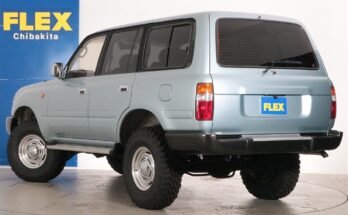
Exceptionally reliable when maintained; built to last decades with routine care and sensible repairs.
I’ve spent years researching and driving rugged SUVs, and I’ve lived with a Land Cruiser during long trips and daily use. This guide examines how reliable the Toyota Land Cruiser is for long-term ownership, weighing build quality, common faults, maintenance costs, real-world experience, and ownership tips. Read on and you’ll get a clear, practical view so you can decide if the Land Cruiser fits your long-term plans.

49% off Today's Exclusive Deals
Limited-time Exclusive Deals. Check current discount on Amazon.
Check Price on Amazon As an Amazon Associate I earn from qualifying purchases.
Reliability overview
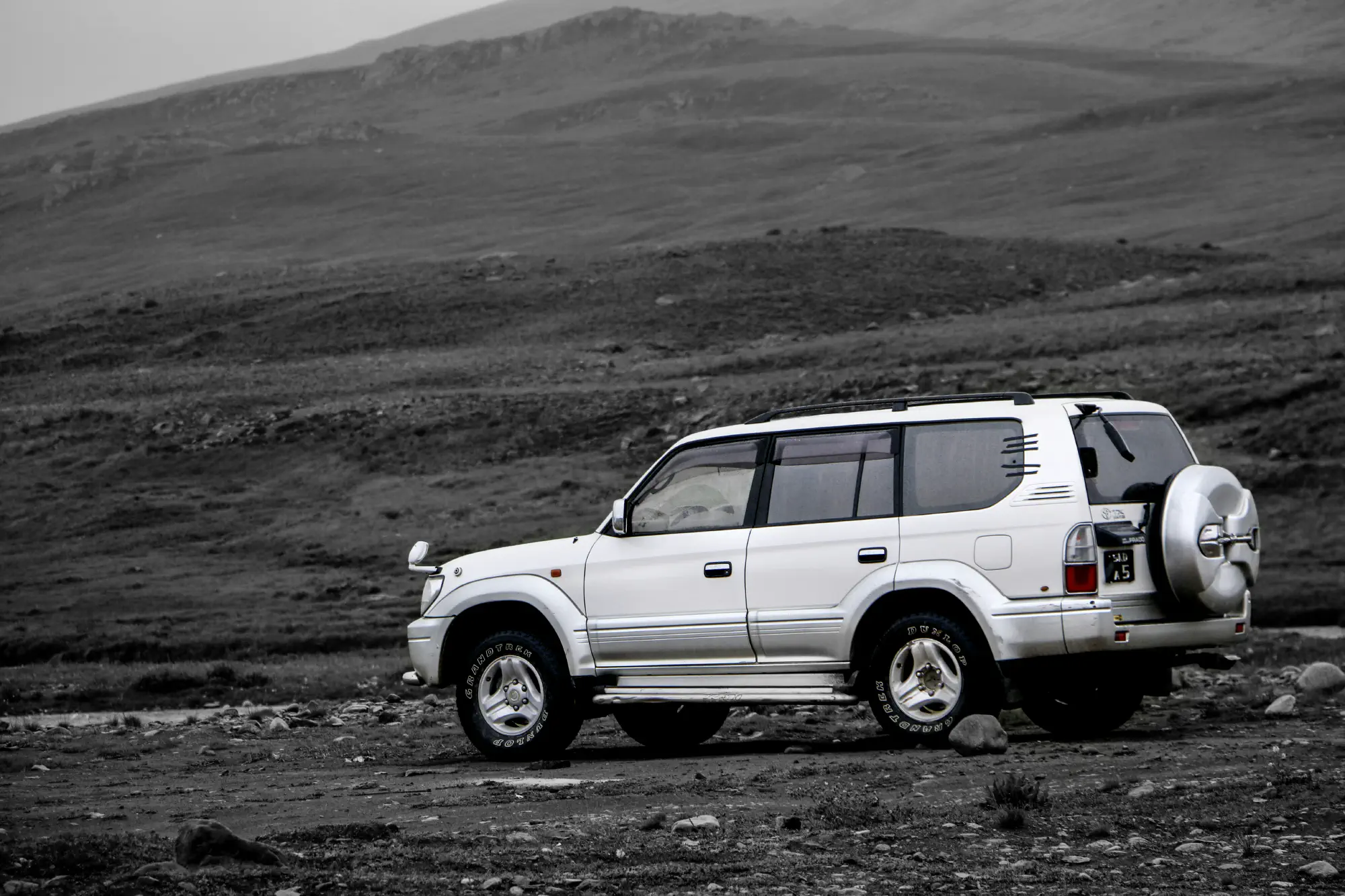
The Toyota Land Cruiser reliability record is strong across generations. These trucks were engineered for tough use in harsh climates and remote places. That design focus shows up in simple systems, robust frames, and engines that tolerate high mileage.
Why this matters for long-term owners:
49% off Today's Exclusive Deals
Limited-time Exclusive Deals. Check current discount on Amazon.
Check Price on Amazon As an Amazon Associate I earn from qualifying purchases.- Proven durability cuts the chance of major failures.
- Simple, well-known parts are easier to fix in remote areas.
- Strong resale and owner satisfaction make ownership predictable.
Across owner surveys and industry reliability studies, the Land Cruiser often ranks near the top for long-term dependability. If you plan to keep a vehicle for 10+ years, Toyota Land Cruiser reliability gives you a clear advantage.

Build quality and engineering that support longevity
The Land Cruiser’s core strengths come from its build choices. Toyota uses heavy-gauge steel frames, conservative tuning, and durable drivetrains. That translates to fewer surprises over time.
Key engineering features:
49% off Today's Exclusive Deals
Limited-time Exclusive Deals. Check current discount on Amazon.
Check Price on Amazon As an Amazon Associate I earn from qualifying purchases.- Frame-on-body construction that resists road stress.
- Engines tuned for torque and longevity rather than peak power.
- Simple electronic systems in older models reduce repair complexity.
- Generous ground clearance and robust suspension for off-road abuse.
Toyota Land Cruiser reliability is a result of these conservative design choices. The early focus on mechanical strength over gadgetry lowers long-term failure rates. Even newer models keep that DNA, though they add more electronics.
Common issues and maintenance costs
No car is perfect. Understanding typical problems helps you plan budget and care.
Common issues to expect:
- High routine maintenance costs due to size and complexity of parts.
- Wear items: brakes, tires, suspension bushings, and wheel bearings.
- Age-related issues: cooling system parts, fuel injectors, and seals.
- Electronic quirks in newer models as infotainment and driver aids age.
Typical maintenance costs and notes:
- Oil changes: more expensive than compact cars, but needed on schedule.
- Timing components: many Land Cruisers use reliable timing chains, lowering service cost compared to belts.
- Major repairs: engines and transmissions are durable but costly if neglected.
Overall, Toyota Land Cruiser reliability reduces the frequency of big repairs. Still, expect higher running costs than a compact car. Budgeting for scheduled service is the best way to avoid surprises.

Long-term ownership costs and depreciation
Owning a Land Cruiser long-term comes with trade-offs. You pay more at purchase and in fuel and maintenance, but retention and reliability offset some costs.
Cost factors to plan:
- Depreciation: Land Cruisers hold value well compared to many SUVs.
- Fuel: large engines mean higher fuel bills over years.
- Insurance and taxes: higher vehicle value can raise ongoing fees.
- Parts and labor: items cost more, but fewer major failures reduce total lifecycle spend.
Because Toyota Land Cruiser reliability keeps cars running longer, many owners find total cost of ownership acceptable when they plan for maintenance and fuel. If you want a vehicle that lasts 15–20 years, the math often works in favor of the Land Cruiser.

Ownership tips and real-world experience
I owned a Land Cruiser for several years and drove it on mountain roads and long cross-country trips. It never stranded me. Routine care kept it trouble-free. Here are practical tips from that experience and other owners I’ve met.
Practical tips:
- Keep records of every service. That preserves resale value and helps track wear.
- Replace fluids at recommended intervals; old coolant and gear oil cause hidden damage.
- Use quality parts for repairs; cheap parts can undermine the vehicle’s longevity.
- Inspect suspension and underbody for rust if you live in salty climates.
Lessons learned:
- Don’t skip small repairs. Fixing a leaking seal early saves expensive downstream damage.
- Learn basic DIY tasks: oil change, filters, and brakes. Labor savings add up.
- Plan for fuel costs on long trips; the Land Cruiser thirst is part of the package.
These strategies help maximize Toyota Land Cruiser reliability and reduce long-term surprises.
Buying guide for long-term owners
If long-term ownership is your goal, choose carefully. The right model year and service history matter more than small cosmetic flaws.
Checklist when buying:
- Verify full service records for regular oil and major service items.
- Prefer models with timing chains and known durable drivetrain options.
- Get a pre-purchase inspection that checks frame, engine, and transmission health.
- Look for rust-free underbodies and well-maintained cooling systems.
Model-year advice:
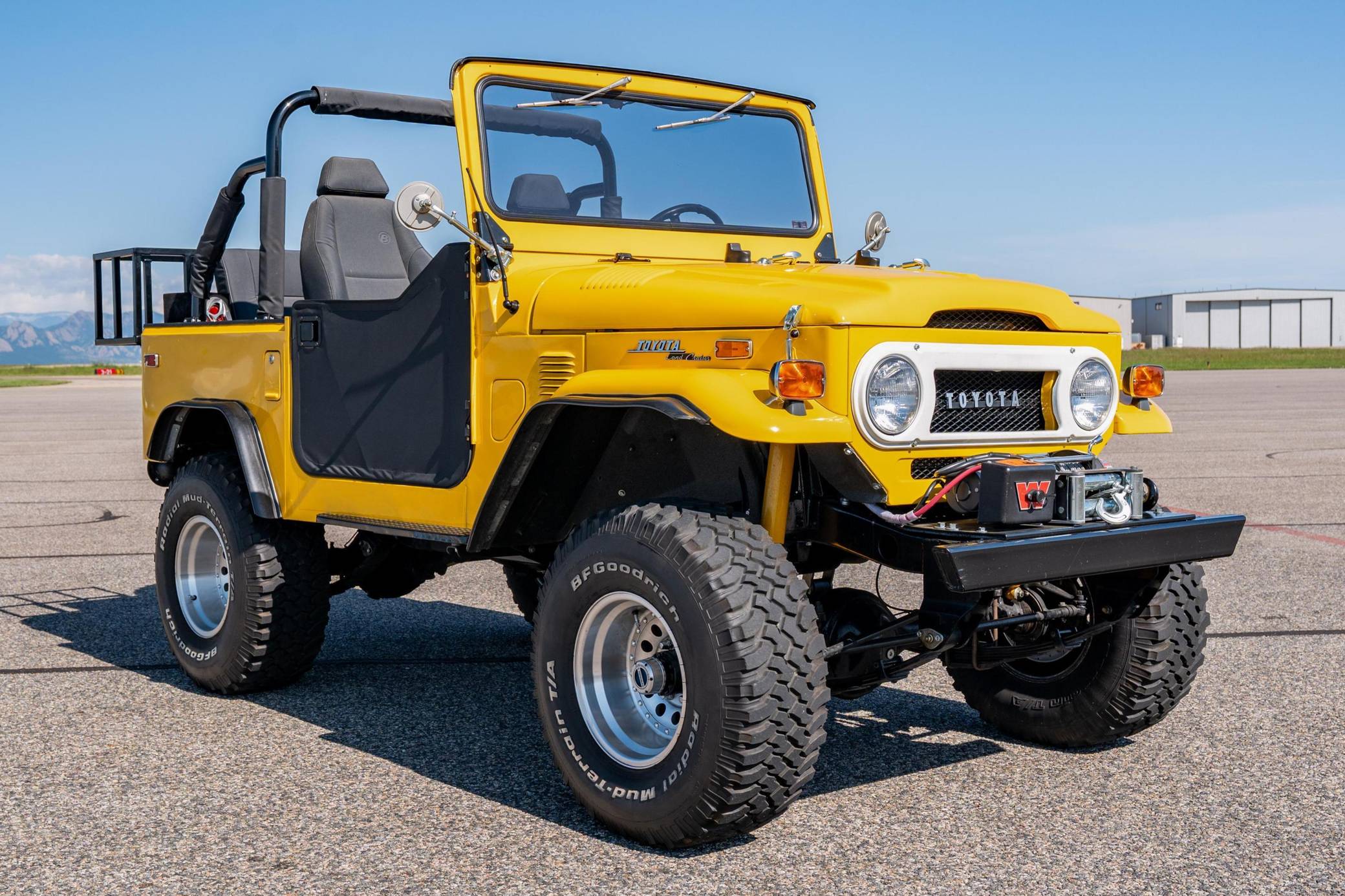
- Older, simpler models may offer the best “fix-it-yourself” reliability.
- Newer models add comfort and safety, but watch for early-generation electronics issues.
- Certified pre-owned options can reduce risk with extended warranties.
Following this guide will increase your chance of enjoying Toyota Land Cruiser reliability for many years.

PAA-style questions (quick answers)
Will a Land Cruiser reach 300,000 miles?
Yes. With regular maintenance and timely repairs, many Land Cruisers pass 300,000 miles and still run well.
Are Land Cruisers expensive to maintain long-term?
They cost more than small cars for fuel and parts, but fewer major failures can balance out lifetime costs.
Do newer Land Cruisers keep the same reliability?
Newer models retain core durability but add electronics. Reliability remains strong when systems are maintained.
Is it worth buying a high-mileage Land Cruiser?
Often yes, if maintenance history is solid and major components show no signs of imminent failure.
What is the biggest long-term problem to watch for?
Neglected cooling systems, oil leaks, and rust in harsh climates are the biggest risks to longevity.
Frequently Asked Questions of How reliable is the Toyota Land Cruiser for long-term ownership?
How long can a Toyota Land Cruiser last with proper maintenance?
With proper care, many Land Cruisers last 15–20 years or reach 200,000–300,000 miles. Regular servicing and timely repairs are key.
Are Land Cruisers expensive to repair as they age?
Repairs can be pricier due to size and part cost, but major failures are less common than on many rivals. Preventive care lowers overall repair bills.
Do Land Cruisers suffer from major electronic failures?
Older Land Cruisers use fewer electronics and are less prone to electronic failures. Newer models have more tech, which can add repair points if not maintained.
Is the Land Cruiser a good choice for daily driving and long trips?
Yes. The Land Cruiser is comfortable for long trips and capable on rough roads, making it a solid daily driver for long-term owners.
Should I buy a newer or older Land Cruiser for long-term reliability?
If you prefer low-tech durability, an older, well-maintained model is ideal. If you want modern comfort with careful maintenance, a newer model can also be reliable.
Conclusion
The Toyota Land Cruiser reliability record makes it one of the best choices for long-term ownership. Its rugged construction, durable engines, and conservative engineering reduce unexpected failures and support very high mileage. Plan for higher fuel and maintenance costs, prioritize preventative care, and pick a model with solid service records to get the most value. If you want a dependable SUV that can last decades, consider the Land Cruiser and start by checking maintenance history and doing a detailed inspection. Share your own Land Cruiser stories below or subscribe for more long-term ownership guides.