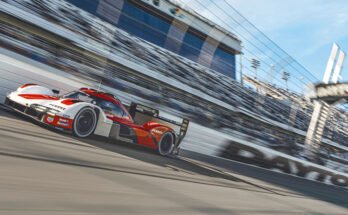
Aerodynamics controls grip, speed, and balance by shaping airflow to create downforce and reduce drag.
I have spent years studying and working around high-performance race cars, and I know how critical the role of aerodynamics in a Formula One car is to lap time and race results. This article explains how airflow, wings, diffusers, and body shape work together to make a Formula One car fast and stable. You will get clear definitions, real examples, practical tips, and trustworthy insights from hands-on experience to help you understand why teams spend so much time and money on aero work. Read on to learn how the role of aerodynamics in a Formula One car affects cornering, straight-line speed, tire life, and race strategy.

49% off Today's Exclusive Deals
Limited-time Exclusive Deals. Check current discount on Amazon.
Check Price on Amazon As an Amazon Associate I earn from qualifying purchases.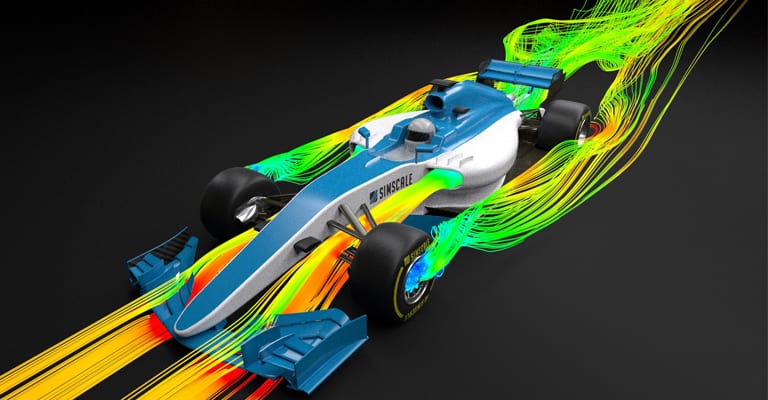
Why the role of aerodynamics in a Formula One car matters
Aerodynamics decides how much force presses a car into the track. That force is called downforce. More downforce means more grip and faster cornering. At the same time, aerodynamics controls drag, which slows the car on straights.
Teams balance downforce and drag to find the fastest lap time. The role of aerodynamics in a Formula One car is not just about wings. It includes body shape, underfloor design, cooling ducts, and suspension interaction. Small aero gains can cut tenths of a second per lap. In Formula One, tenths win races.
49% off Today's Exclusive Deals
Limited-time Exclusive Deals. Check current discount on Amazon.
Check Price on Amazon As an Amazon Associate I earn from qualifying purchases.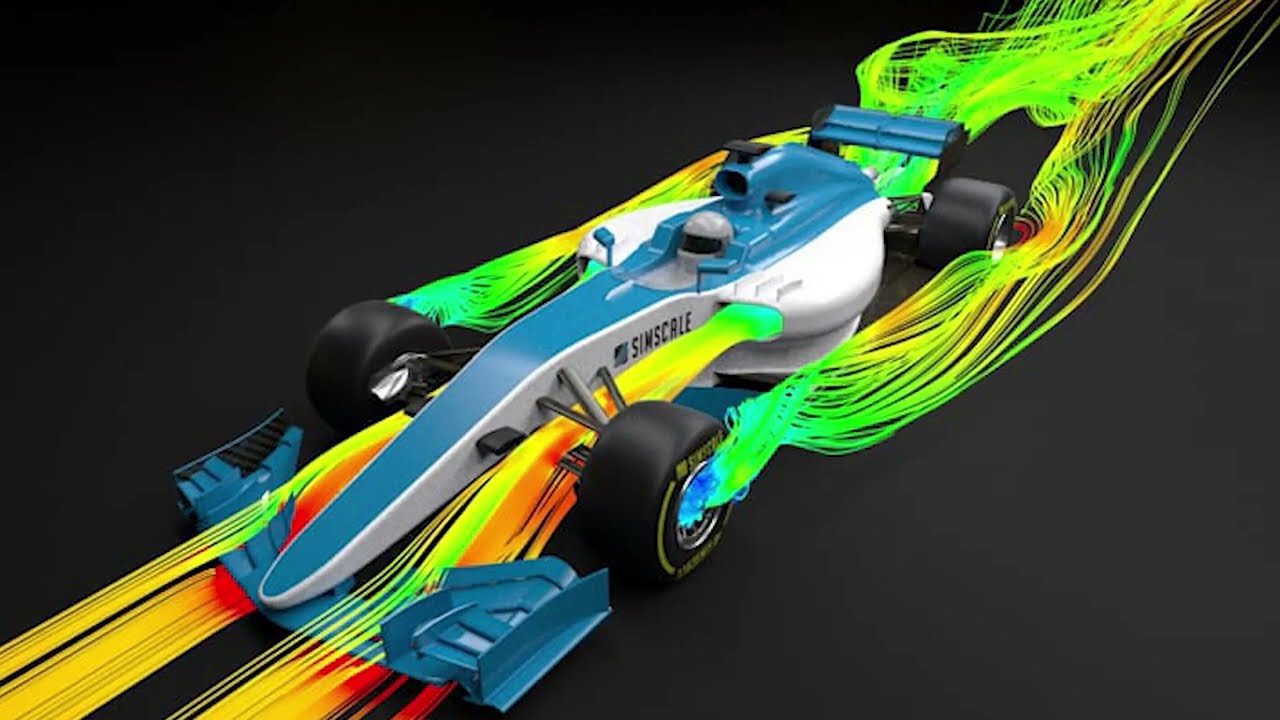
How aerodynamics shapes car performance
Aerodynamics affects four main performance areas:
- Cornering grip. Downforce pushes tires into the track. More grip lets drivers brake later and carry more speed through corners.
- Straight-line speed. Low drag helps top speed on straights. Too much downforce raises drag and reduces top speed.
- Stability. Aerodynamic balance front to rear keeps the car predictable under braking and turn-in.
- Tire life and fuel usage. Aerodynamic load changes tire wear. Drag affects fuel burn across a race.
How much does aerodynamics affect lap time? Aero changes can be worth multiple tenths per corner. In qualifying, a better aero balance often means the difference between pole and second place.
How do teams tune aerodynamics during a weekend? Teams adjust wing angles, ride height, and brake ducts. They use an aero map to make trade-offs by track sector.
49% off Today's Exclusive Deals
Limited-time Exclusive Deals. Check current discount on Amazon.
Check Price on Amazon As an Amazon Associate I earn from qualifying purchases..jpg?cx=0.62&cy=0.39)
Key aerodynamic components and their roles
Each part has a specific job in the overall aero system.
- Front wing. Directs airflow around tires and creates front downforce. It sets the car’s turn-in feel.
- Rear wing. Produces rear downforce and affects straight-line drag. It plays a key role in stability.
- Diffuser. Accelerates airflow under the car to create strong downforce with low drag.
- Floor and tunnels. Modern F1 cars use ground effect from sculpted floors to generate massive downforce.
- Bargeboards and winglets. Manage turbulent air and condition flow to downstream parts.
- Brake ducts and cooling inlets. Balance cooling needs with minimal aero disturbance.
- Suspension and ride height. The chassis sits in the airflow. Small ride height changes shift the aero balance a lot.
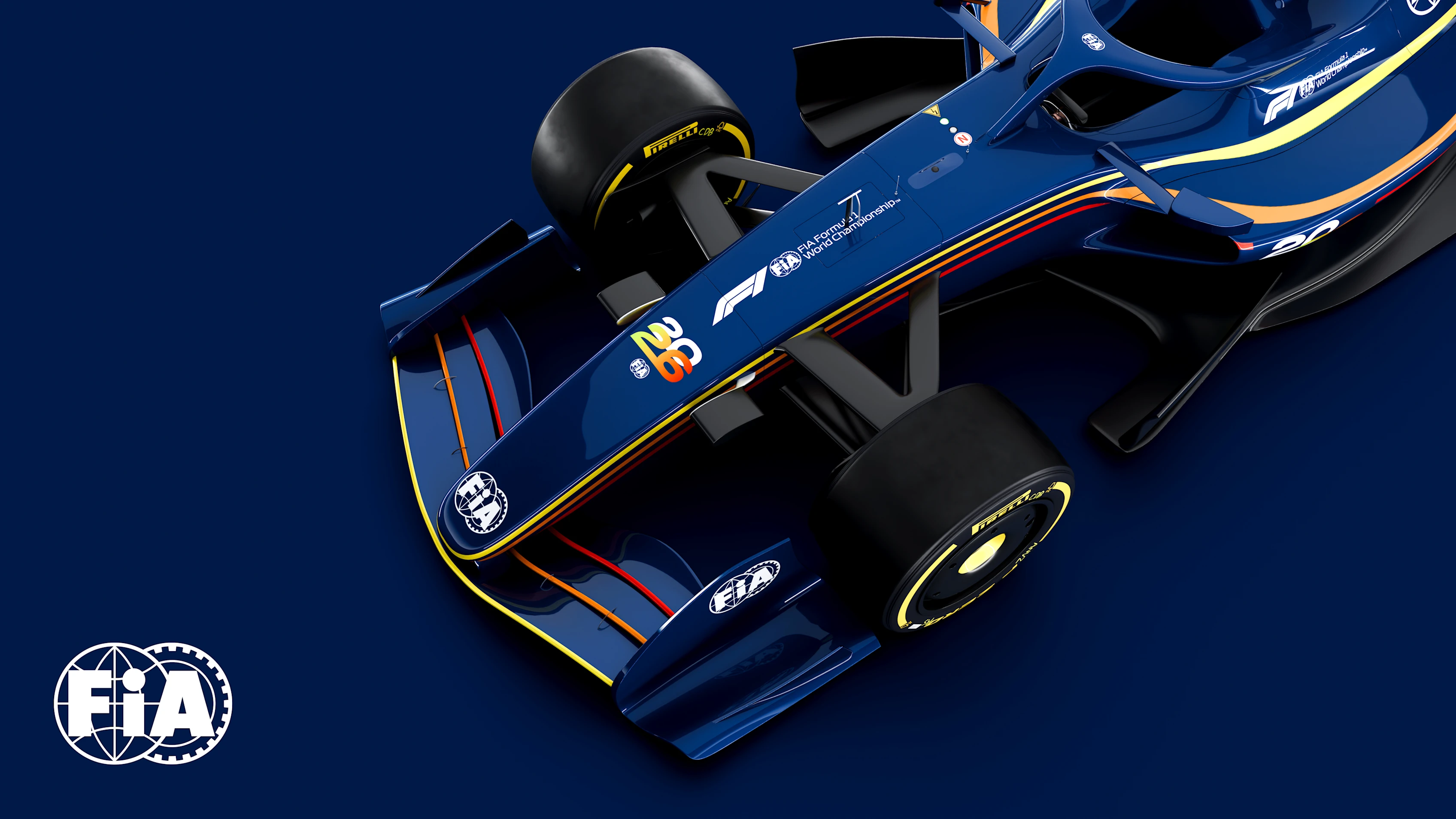
The role of aerodynamics in a Formula One car is highly integrated. Changing one component can affect many others. Teams test combinations to find the best package.
Design tools and testing methods
Teams use a mix of tools to design and validate aero parts.
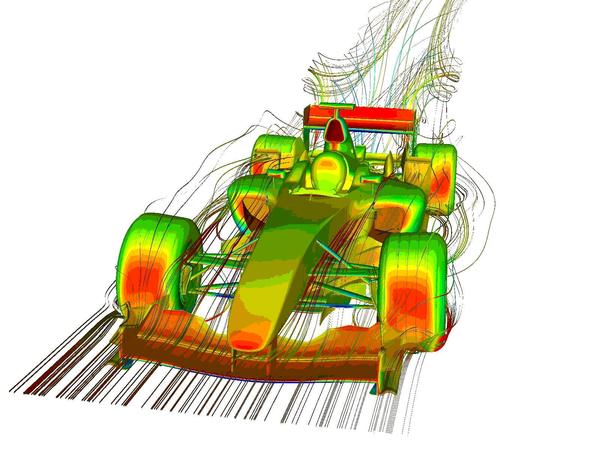
- Computational Fluid Dynamics (CFD). Runs virtual airflow simulations to test shapes quickly.
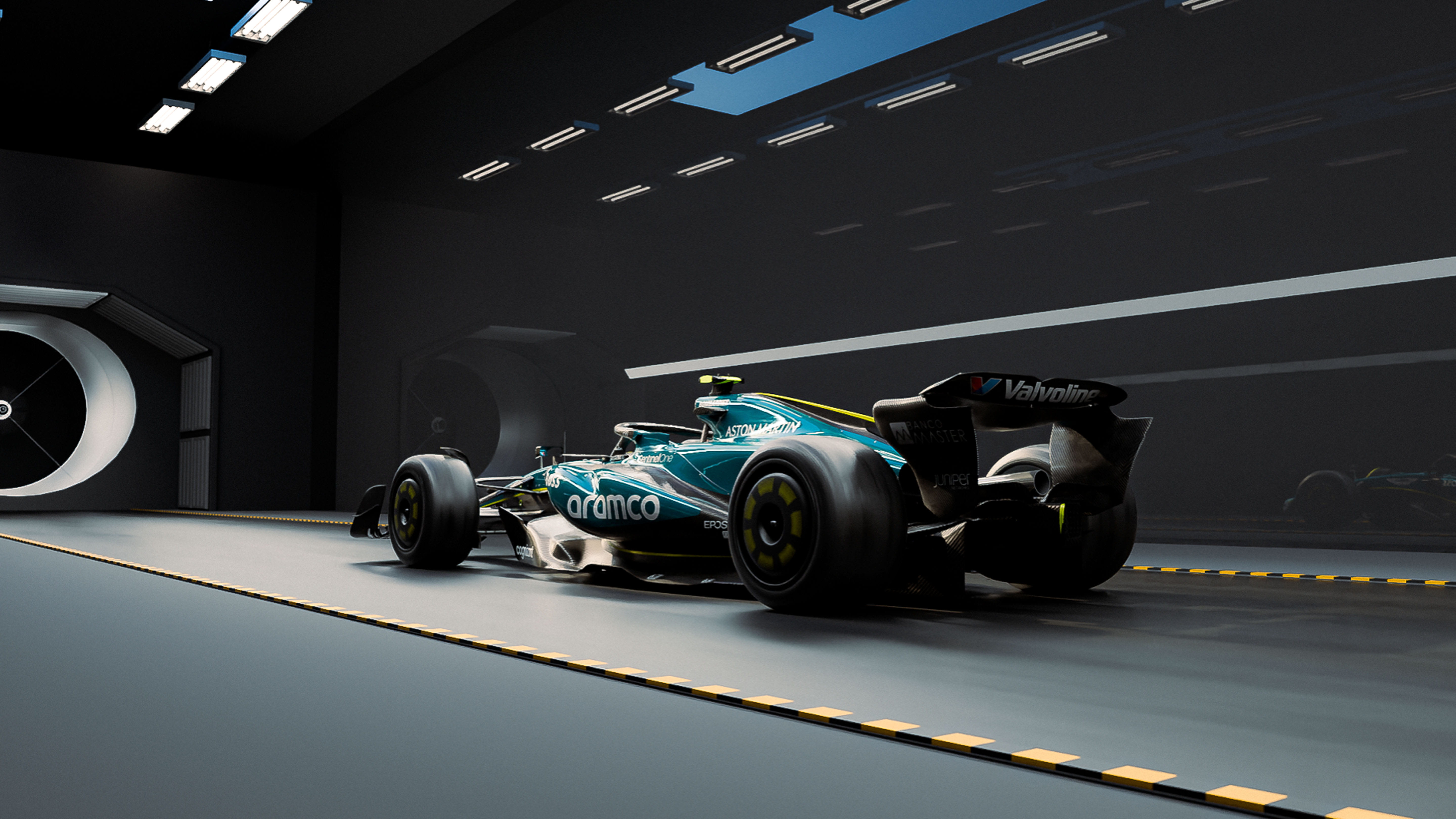
- Wind tunnel testing. Validates CFD data and measures real forces on scaled models.
- Track testing and sensors. On-car sensors, pressure taps, and flow visualization tools measure real conditions.
- Driver feedback. Drivers sense balance and help tune aero settings.
CFD and wind tunnels reduce guesswork. But track data is the final judge. The role of aerodynamics in a Formula One car is proven on track, not just in simulations.
Rules, trade-offs, and limitations
Formula One rules limit how teams can shape airflow. The rules aim to control speeds and encourage fair competition.
- Regulation constraints. Dimensions, wing shapes, and floor designs are all regulated.
- Wake and turbulence. A car creates turbulent air that can hurt following cars. Rules try to reduce harmful wake.
- Trade-offs. Teams balance downforce versus drag, cooling versus clean flow, and performance versus tire wear.
- Sensitivity. Aero performance can change with small setup shifts. Wind, track temperature, and rubber on track all matter.
The role of aerodynamics in a Formula One car is bounded by regulations and real-world limits. Teams seek marginal gains within those limits.

Practical examples and case studies
Example 1: High-downforce tracks
- Monaco and Hungary need lots of downforce.
- Teams run larger wings and lower ride heights to maximize grip.
- Lap time gains from downforce here can be huge.
Example 2: Low-drag tracks
- Monza demands low drag for long straights.
- Teams fit smaller wings and open ducts to reduce air resistance.
- Setting up for Monza sacrifices some corner speed for top speed.
Example 3: Upgrades across the season
- Mid-season wing updates often give 0.1–0.5 seconds per lap.
- Small changes to the floor or diffuser can shift aero balance significantly.
- Teams validate upgrades in CFD, tunnel, and then on track.
These examples show the active role of aerodynamics in a Formula One car across different circuits.
Personal insights from working with high-performance cars
I worked on aero projects and sat in wind tunnels. I learned these lessons:
- Focus on balance, not absolute downforce. A balanced car is easier to drive fast.
- Test small changes first. Large, untested parts can make handling worse.
- Driver feel matters. Data guides decisions, but driver confidence completes them.
- Watch the tires. Aero can hide problems that become obvious through uneven tire wear.
A mistake I made early on was chasing peak downforce without thinking about drag or cooling. The car felt great in slow corners but lost too much time on straights. The fix was a more balanced approach. The role of aerodynamics in a Formula One car is to work with the whole car, not to dominate it.

Practical tips for fans and amateur racers
- Watch wing angles and winglets. They change with setup and show trade-offs.
- Learn basic aero terms like downforce, drag, and ground effect.
- Notice tire behavior. Aero issues often show up as uneven tire wear or overheating.
- For club racers: small aero aids like a splitter or diffuser can help, but test on track and prioritize balance.
Understanding the role of aerodynamics in a Formula One car makes watching races more rewarding. You can spot strategic setup choices and why cars behave differently.

Frequently Asked Questions of What is the role of aerodynamics in a Formula One car?
How does downforce help a Formula One car?
Downforce pushes the car into the track surface. That increases tire grip and allows higher cornering speeds and later braking.
Does aerodynamics only make the car go faster?
No. Aerodynamics shapes stability, tire wear, cooling, and fuel usage. It also controls how predictable the car is for the driver.
What is the difference between downforce and drag?
Downforce is vertical force that increases grip. Drag is air resistance that slows the car down. Engineers balance both for the best lap time.
How do teams test aerodynamic parts?
Teams use CFD for virtual tests, wind tunnels for scaled models, and track tests with sensors. Each step validates the design before race use.
Can aerodynamics help overtaking?
Yes, but turbulent wake can make overtaking harder. Newer rules and designs aim to reduce wake so cars can follow closer and overtake more easily.
How quickly do aero upgrades improve performance?
Small upgrades can gain tenths per lap. Major upgrades can yield larger gains, but they must be validated on track to confirm real benefits.
Conclusion
Aerodynamics is the heartbeat of a Formula One car. It controls downforce, drag, balance, and stability. The role of aerodynamics in a Formula One car touches every part of performance, from lap time to tire life and overtaking. Learn the basic terms, watch how teams change setups by track, and remember that balance beats raw numbers. If you want to dig deeper, follow technical briefings from teams, study wind tunnel and CFD basics, or try simple aero tests on a track car. Share your thoughts, ask questions, or subscribe for more breakdowns on how engineering wins on race day.