LMDh uses standardized hybrid parts and spec chassis options; LMH allows bespoke chassis and unique hybrid systems.
I’ve worked with race engineers and followed rule changes closely, so I’ll walk you through the key design differences between LMDh and LMH cars like the Porsche 963. This article breaks down chassis rules, hybrid systems, aerodynamics, weight and packaging, costs, and real-world effects on track. Read on to understand how LMDh vs LMH shapes car design, team choices, and what it means for future endurance racing.

49% off Today's Exclusive Deals
Limited-time Exclusive Deals. Check current discount on Amazon.
Check Price on Amazon As an Amazon Associate I earn from qualifying purchases.

Understanding LMDh and LMH: definitions and goals
LMDh stands for Le Mans Daytona hybrid. It is a joint class created to let manufacturers race in both IMSA and the World Endurance Championship with one car. The rules aim to control cost and keep competition tight.
LMH stands for Le Mans Hypercar. It was designed to let makers build flagship, top-level race cars with more technical freedom. LMH focuses on brand identity and engineering showcase.
49% off Today's Exclusive Deals
Limited-time Exclusive Deals. Check current discount on Amazon.
Check Price on Amazon As an Amazon Associate I earn from qualifying purchases.LMDh vs LMH is often framed as cost-controlled platform versus technical freedom. LMDh gives a clear path to race with lower development risk. LMH lets manufacturers show unique tech and styling.

Core design differences
Chassis and homologation
LMDh cars use a chassis from an approved pool of constructors. This reduces development time and cost. Teams adapt a bodywork and mechanical package to that base chassis.
LMH cars allow fully bespoke chassis designs. Manufacturers can create a unique tub and suspension layout. That gives more freedom for packaging and performance.
49% off Today's Exclusive Deals
Limited-time Exclusive Deals. Check current discount on Amazon.
Check Price on Amazon As an Amazon Associate I earn from qualifying purchases.Powertrain and hybrid architecture
LMDh requires a spec hybrid system. The electric motor, battery, inverter, and ECU are standardized. Manufacturers pair that system with a bespoke internal combustion engine.
LMH allows bespoke hybrid systems. Teams can choose motor placement, battery capacity (within rules), and how the hybrid integrates with the engine. This enables varied architectures and innovation.
Aerodynamics and bodywork
LMDh aerodynamics are constrained by the shared chassis mounting points and rule limits. Bodywork must fit within prescribed zones to balance downforce and drag.
LMH provides more freedom in body shape and aero development. Designers can craft bodywork that reflects road car styling or radical race forms. The trade-off is higher cost and engineering complexity.
Weight, packaging, and center of gravity
LMDh rules set a target weight and specify some component placements. That makes packaging predictable and similar between cars.
LMH permits different weight distributions and packaging choices. Teams can optimize for different balance points, which can affect tire wear and handling.
Electronics, software, and control systems
LMDh mandates certain control elements tied to the spec hybrid stack and a standard ECU interface. This creates parity in energy deployment and reliability.
LMH teams write custom control software and integrate bespoke hybrid hardware. That can deliver performance advantages but increases integration risk.
Cost, development pace, and repairability
LMDh is designed to lower cost. Shared components and common suppliers reduce spares lists and repair complexity.
LMH is more expensive to develop and maintain. Bespoke parts can be costly to replace, and testing cycles are longer.

Technical deep dive: how systems differ in practice
LMDh vs LMH often comes down to where the rules standardize parts. In LMDh, the hybrid module is a bolt-in element. Teams focus on engine tuning, cooling, and suspension setup. The result is faster entry to competition.
In LMH, teams design the hybrid motor integration, the battery layout, and the thermal systems. This changes packaging and structural design. LMH cars can therefore have unusual layouts, such as front-axle hybrid motors or unconventional exhaust routing.
Energy flow and deployment rules differ too. LMDh uses fixed peak electrical power limits, so energy management strategies converge. LMH gives teams more leeway to exploit hybrid boosts, subject to class limits.
PAA-style question 1: Can LMDh and LMH race together?
Yes. LMDh and LMH were balanced to race together using performance balancing tools. Race organizers apply BoP and weight adjustments to equalize lap times.
PAA-style question 2: Which is cheaper: LMDh or LMH?
LMDh is cheaper by design due to spec parts and restricted chassis choices. LMH is costlier because of bespoke engineering and unique components.
How the differences shape on-track performance and strategy
LMDh vs LMH affects stint planning and reliability. LMDh cars often have similar lap times and predictable energy use. Teams focus on consistency and pit strategy.
LMH cars can be faster in certain corners or straights because of bespoke aero or hybrid deployment. But that edge can come with more reliability risk and setup tuning.
Tire wear, fuel consumption, and brake bias can all change based on hybrid placement. For example, a front-axle hybrid influences front grip and braking recovery. LMDh teams tune within a narrower window.

Real-world examples: Porsche 963 and LMH rivals
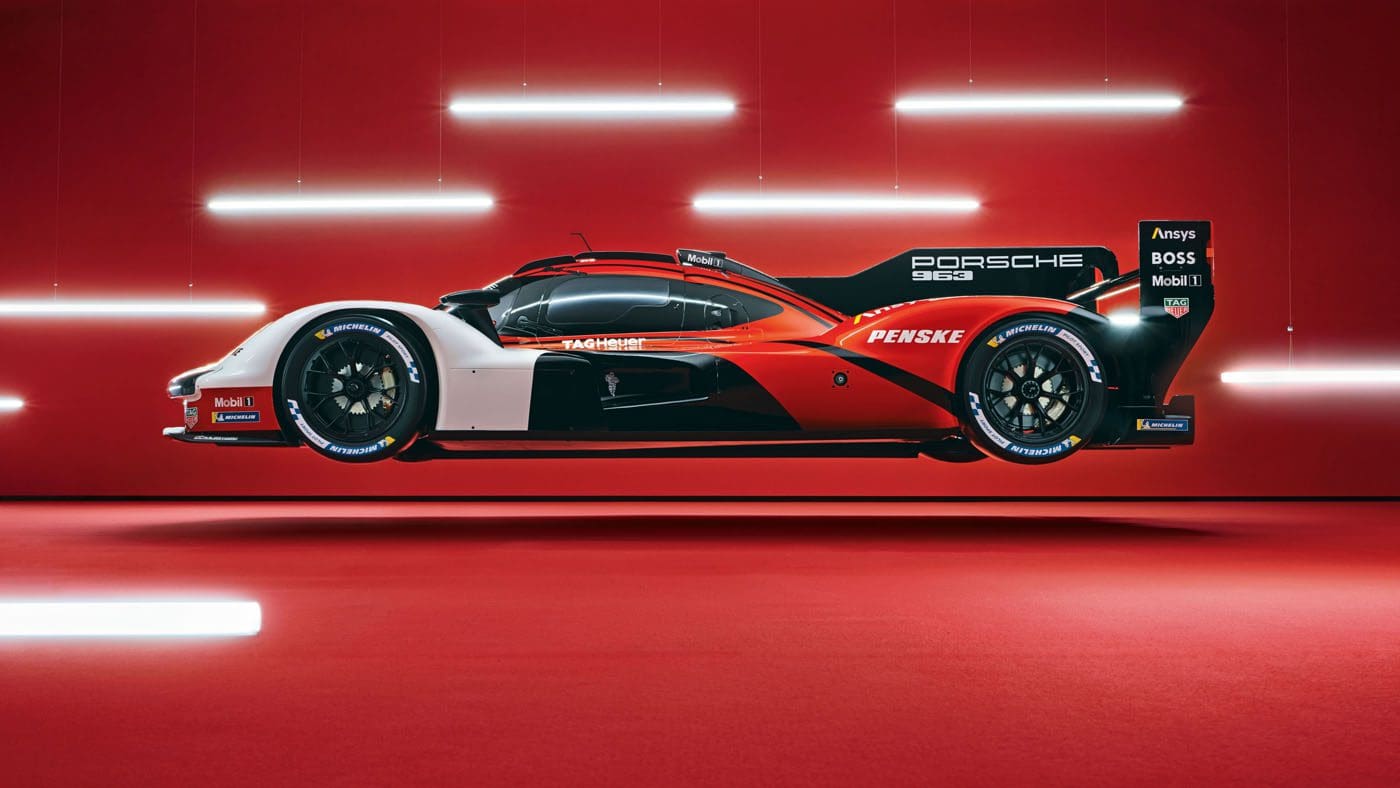
Porsche 963 is an LMDh car. It uses a standardized hybrid component integrated with Porsche’s own engine and body design. The chassis choice and hybrid spec help Porsche race efficiently in IMSA and WEC.
Compare that to LMH cars from other brands. Those cars show unique shapes and hybrid layouts. The visible differences reflect the LMH freedom in bodywork and powertrain design.
LMDh vs LMH becomes obvious on the paddock. LMDh cars share a similar silhouette because they sit on homologated tubs. LMH cars look more distinct and brand-specific.

Practical advice for fans and aspiring engineers
If you want to learn more as a fan, focus on hybrid deployment maps and how BoP changes lap times. Watch where energy is added on a lap to spot LMDh vs LMH strategies.
If you are an engineer, start with integration discipline. In LMDh, mastering packaging and cooling around spec hybrid parts wins races. In LMH, expect deep systems engineering work and more testing cycles.
From my own work with race teams, common mistakes include underestimating thermal loads and over-optimizing aero for one track. Balance is key in both LMDh vs LMH designs.

Frequently Asked Questions of What are the key design differences between LMDh and LMH cars like the Porsche 963?
What is the main technical difference between LMDh and LMH?
The main technical difference is standardization. LMDh uses standardized hybrid hardware and approved chassis, while LMH allows bespoke hybrids and chassis designs.
Does LMDh limit a manufacturer's creativity?
LMDh limits certain areas to reduce cost, but teams can still design engines, bodywork, and setup. Creativity shifts to package optimization rather than full chassis invention.
How does hybrid placement affect car behavior?
Hybrid placement changes weight distribution and braking balance. Front-axle hybrid motors add front grip under braking, while rear hybrids boost traction at the back.
Are LMDh cars cheaper to run than LMH cars?
Yes. LMDh cars are typically cheaper to develop and maintain due to shared parts and lower testing needs. LMH demands more bespoke spares and engineering time.
Can an LMDh car match an LMH car in performance?
Yes, with the right setup and BoP, LMDh cars can match LMH cars. Race organizers use balancing measures to keep competition close.
How does aerodynamics freedom differ between the classes?
LMDh aero is bound by chassis mount points and zones set by rules. LMH aero has broader freedom, allowing more radical body shapes and brand cues.
Will rule changes affect LMDh vs LMH balance?
Rule changes and BoP adjustments can shift parity. Organizers monitor lap times and adjust weight, power, or aero to maintain fair racing.
Conclusion
LMDh vs LMH represents two design philosophies: controlled cost and faster grid entry versus technical freedom and brand showcase. LMDh uses spec hybrid parts and approved chassis to keep costs down. LMH offers bespoke chassis and hybrid choices for deeper engineering and unique styling. Both paths lead to great racing but demand different team skills and budgets.
If you follow endurance racing, watch how teams use hybrid deployment, aero tweaks, and pit strategy to exploit their class rules. Want to dive deeper? Subscribe, leave a comment with your questions, or track lap data to see LMDh vs LMH differences in action.