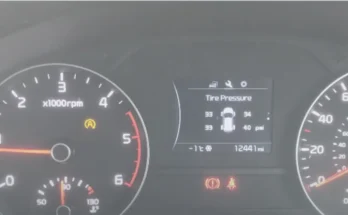
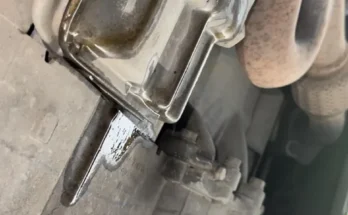
Seeing a puddle under your Kia Sportage or watching the temperature gauge climb is stressful. A Kia Sportage coolant leak can spiral from a minor drip into a major engine repair if you ignore it. Let's walk through exactly how to find the source and what your options are.
Most cooling systems run between 13 and 16 PSI. A leak anywhere in that pressurized loop causes rapid overheating. Knowing what to look for and when to stop driving is critical for protecting your engine.

49% off Today's Exclusive Deals
Limited-time Exclusive Deals. Check current discount on Amazon.
Check Price on Amazon As an Amazon Associate I earn from qualifying purchases.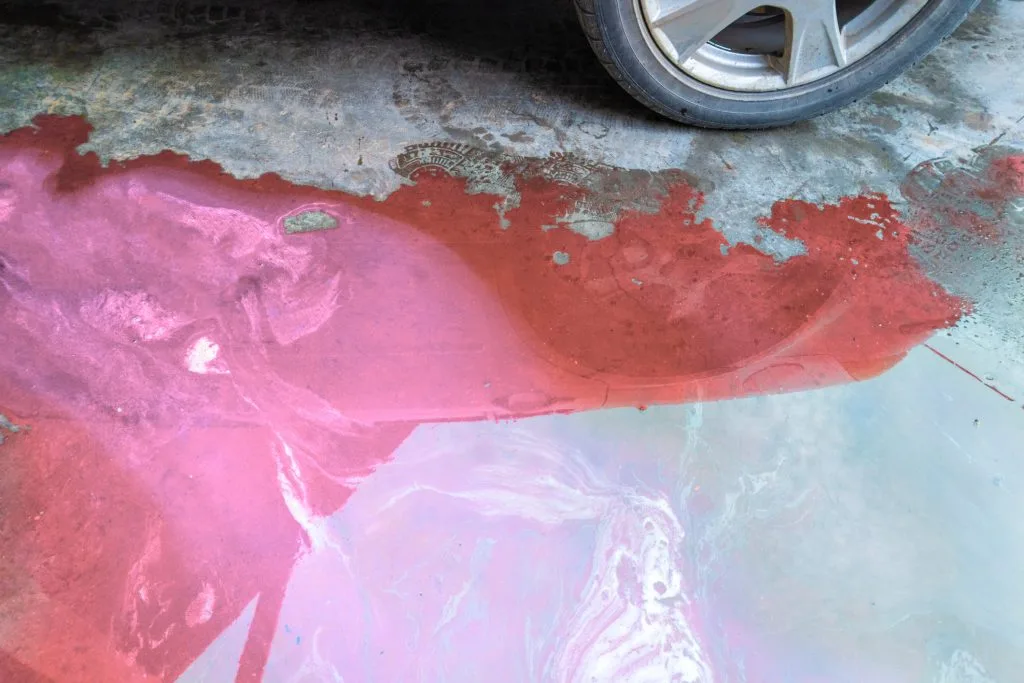
Image source: Bing (Web (fair-use with source credit))
Why This Matters: The Real Danger of Ignoring a Coolant Leak
A coolant leak isn't just about losing fluid. It's about losing the ability to control engine temperature. Coolant carries heat away from the engine block and cylinder head.
49% off Today's Exclusive Deals
Limited-time Exclusive Deals. Check current discount on Amazon.
Check Price on Amazon As an Amazon Associate I earn from qualifying purchases.Without enough of it, metal components overheat and expand beyond safe limits.
Overheating warps the cylinder head and destroys the head gasket seal. Worst case, the engine block cracks. These are catastrophic failures.
Head gasket repairs typically run $1,000 to over $3,000. A cracked block often means a full engine replacement.
The risk isn't only financial. An overheating engine can lose power without warning. That's dangerous in traffic or on the highway.
49% off Today's Exclusive Deals
Limited-time Exclusive Deals. Check current discount on Amazon.
Check Price on Amazon As an Amazon Associate I earn from qualifying purchases.Catching a small leak early prevents both a breakdown and a much larger repair bill.
How the Cooling System Works and Where Leaks Happen
Understanding the flow helps you diagnose where things go wrong. The system is a closed loop designed to move heat efficiently.
The water pump pushes coolant through passages in the engine block. It absorbs heat as it flows. Hot coolant then travels to the radiator at the front of the car.
Airflow through the radiator fins cools the fluid. The cooled coolant returns to the engine to start the cycle again.
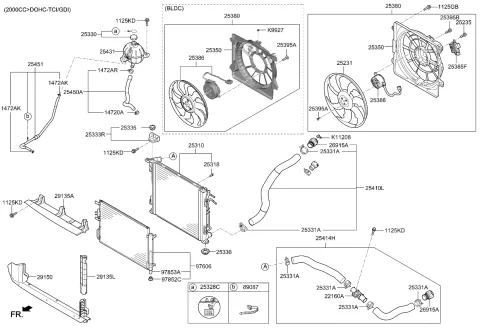
Image source: Bing (Web (fair-use with source credit))
Several key components can fail and cause a leak:
- Radiator: Plastic end tanks can crack at the seams or where hoses connect.
- Radiator Cap: A worn seal inside the cap can't hold pressure, causing fluid loss.
- Hoses: Upper and lower radiator hoses get brittle with heat and age. Small heater hoses behind the engine are also common failure points.
- Water Pump: The internal seal can fail. Coolant often weeps from a small "weep hole" on the pump body.
- Heater Core: This small radiator sits behind your dashboard. A leak here causes a sweet smell inside the cabin and a damp passenger-side floor mat.
The thermostat, which sits between the engine and radiator, doesn't typically leak. But a stuck thermostat causes overheating that mimics leak symptoms. It's worth checking if your temperature gauge spikes but you can't find any fluid on the ground.
Finding the Source: A Step-by-Step Diagnostic Walkthrough
Safety first. Never open the radiator or reservoir cap when the engine is hot. The system holds pressure and can spray scalding coolant. Let the vehicle cool completely for several hours before you start.
Step 1: The overnight cardboard test. Place clean cardboard under the engine overnight. The next morning, look for colored stains. The drip location gives a strong clue.
A puddle under the front-center often points to the radiator. A drip from further back might be a heater hose or water pump.
Step 2: Smell and listen. Start the cool engine and let it idle. Listen for hissing near the radiator, which indicates steam escaping from a crack. A sweet, syrupy smell inside the cabin almost always points to a leaking heater core.
Step 3: Visual inspection under the hood. Look for wet, crusty, or stained residue around hose clamps, the radiator seams, the water pump weep hole, and any visible gasket surfaces. Dried coolant leaves a telltale powdery deposit that's often white, green, pink, or orange depending on the coolant type.
Step 4: The pressure test. This is the most reliable method. Many auto parts stores loan a cooling system pressure tester for free. You attach it to the reservoir and pump the system to its rated pressure.
With the engine off, you can watch exactly where fluid drips or sprays. This removes all guesswork.
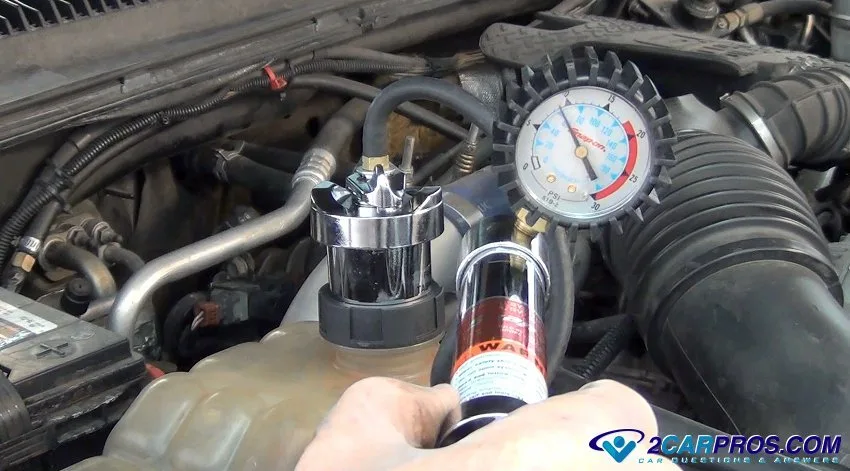
Image source: Bing (Web (fair-use with source credit))
If the system won't hold pressure at all, you likely have a significant leak or a failed radiator cap. Replace the cap first since it's the cheapest part. Then retest.
If pressure still drops, you're dealing with a component leak that needs repair.
Kia Sportage-Specific Culprits and What They Cost to Fix
Certain issues show up more often on Sportage models across different generations. Knowing these patterns helps you narrow things down faster.
Plastic radiator end tanks are a well-known weak point. Heat cycles make the plastic brittle over time. Cracks form at stress points near the hose connections.
Replacing the entire radiator unit is usually more practical than trying to repair the tank.
The water pump is another frequent item. On some Sportage engines, it sits behind the timing chain cover. That means accessing it requires removing the cover, which is a significantly more involved job.
Labor for a water pump replacement ranges from 2.5 to 5 hours depending on the engine.
Heater core failures are less common but expensive when they happen. The core is buried behind the dashboard. Accessing it often requires removing most of the dash assembly.
That's why the labor estimate alone can be 6 to 12 hours.
Here's a general cost overview based on typical parts and labor estimates as of 2026. Actual costs vary by model year, location, and whether you choose OEM or aftermarket parts.
| Component | Parts Cost | Typical Labor | Estimated Total |
|---|---|---|---|
| Radiator Cap | $5 to $20 | Under 0.25 hr | $20 to $50 |
| Coolant Hose | $15 to $50 | 0.5 to 1.5 hr | $80 to $200 |
| Radiator (Aftermarket) | $80 to $300 | 1 to 2.5 hr | $200 to $550 |
| Water Pump | $50 to $150 | 2.5 to 5 hr | $400 to $900 |
| Heater Core | $100 to $250 | 6 to 12+ hr | $1,000 to $2,500 |
The EPA provides guidelines for proper disposal of used coolant since it contains chemicals that shouldn't enter waterways. Most shops handle this automatically, but if you're doing the work yourself, check local regulations before draining.
DIY or Mechanic: Know Your Limits
Your decision depends on the leak location, your tools, and your comfort level. Be honest with yourself about where your skills end.
Handle it yourself if the leak is from:
- A simple hose clamp connection. Replacing a radiator hose is straightforward with basic tools.
- The radiator cap. This is a two-minute job that costs under $20.
- The coolant reservoir. A cracked tank is usually an easy swap.
See a mechanic if the leak involves:
- The water pump, especially if it's behind the timing cover.
- The radiator itself, unless you're comfortable draining, removing, and refilling the system properly.
- The heater core. Dashboard removal is complex and easy to damage.
- Oily residue mixed with coolant, which suggests a blown head gasket. This needs immediate professional diagnosis.
If you choose DIY, use the correct coolant type. Your owner's manual specifies which one. Many newer Kias require the pink or orange "Super Long Life" formula.
Mixing different coolant types can create gel that clogs passages. After any repair, the system needs to be bled to remove trapped air pockets. Air in the system causes hot spots and erratic temperature readings.
Mistakes That Turn a Small Leak Into a Big Problem
These are the errors we see most often. Avoiding them saves you real money.
Driving while overheating. This is the number one mistake. Even a few minutes at the red line can warp a cylinder head. Pull over immediately.
Turn off the engine. Wait.
Using stop-leak products as a permanent fix. That bottle of "coolant system sealer" from the auto parts store might slow a drip temporarily. But it works by clogging small passages. Over time, it can restrict flow through your radiator and heater core.
Fix the actual leak instead.
Mixing coolant types. OAT, HOAT, and IAT coolants are chemically different. Combining them can cause corrosion or gel formation. Stick with what the manufacturer specifies.
Ignoring the smell. A sweet, maple-like odor inside the car or under the hood is coolant. Don't write it off as "normal." Track it down before it becomes a bigger job.
Skipping the bleed procedure. After replacing a hose or radiator, air gets trapped in the system. If you don't bleed it, pockets of air cause uneven cooling. The engine can overheat in spots even when the coolant level looks fine.
Follow the bleed procedure for your specific Sportage model.
Over-tightening hose clamps. It feels like it should be tighter. But crushing a rubber hose with excessive clamp force damages the hose and creates a new leak point. Snug is enough.
For related engine temperature concerns, understanding what triggers overheating warnings can help you respond faster when the gauge spikes.
Frequently Asked Questions
How do I know if my Kia Sportage has a coolant leak?
The clearest signs are a puddle of colored fluid under the car, a consistently low coolant level in the reservoir, and the temperature gauge reading higher than normal. A sweet smell inside the cabin or near the engine bay is another strong indicator. If you're topping off coolant frequently without an obvious reason, you have a leak somewhere in the system.
What color is Kia Sportage coolant?
Most newer Kia Sportages use a pink or orange coolant called Kia Super Long Life Coolant. It's an OAT or HOAT-based formula designed for extended service intervals. Older models may use green IAT coolant.
Check your owner's manual to confirm the correct type for your specific year and engine.
Can I drive my Kia Sportage with a coolant leak?
It depends on the severity. A very slow seep might let you drive a short distance to a repair shop, but monitor the temperature gauge constantly. If the gauge enters the red zone or the warning light activates, stop driving immediately.
Continued operation with low coolant can cause irreversible engine damage within minutes.
How much does it cost to fix a coolant leak on a Kia Sportage?
It ranges widely based on the source. A new radiator cap costs under $50 installed. A hose replacement runs $80 to $200.
Radiator replacement averages $200 to $550. Water pump repairs fall between $400 and $900. Heater core replacement is the most expensive, often $1,000 to $2,500 due to the extensive labor involved.
Is a coolant leak covered under Kia warranty?
Kia's powertrain warranty covers the engine for 10 years or 100,000 miles. A coolant leak causing engine damage may qualify. However, the warranty typically won't cover wear items like hoses, the radiator, or the water pump after the basic 5-year/60,000-mile coverage expires.
Check your specific warranty terms and discuss coverage with your dealer.
Should I use OEM or aftermarket parts for the repair?
Aftermarket radiators and hoses work well for most owners and cost significantly less. OEM parts match the original specifications exactly. For the water pump and thermostat, OEM is often worth the extra cost since those components are critical to engine health.
For hoses and caps, quality aftermarket parts from reputable brands are perfectly fine.