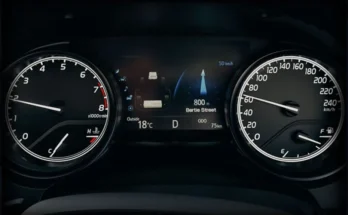
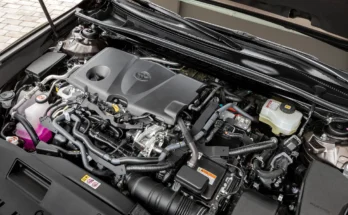
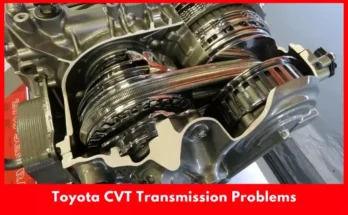
Toyota Camry check engine light, glowing orange on your dashboard, triggers instant worry. You're not alone. It's one of the most common reasons drivers search for answers.
That light is part of your car's On-Board Diagnostics II (OBD-II) system, a federal standard required on all U.S. vehicles since 1996. Per EPA regulations, it monitors your engine, emissions, and transmission. When something falls outside normal range, it stores a code and turns on the light.
49% off Today's Exclusive Deals
Limited-time Exclusive Deals. Check current discount on Amazon.
Check Price on Amazon As an Amazon Associate I earn from qualifying purchases.Your first move isn't panic; it's information.
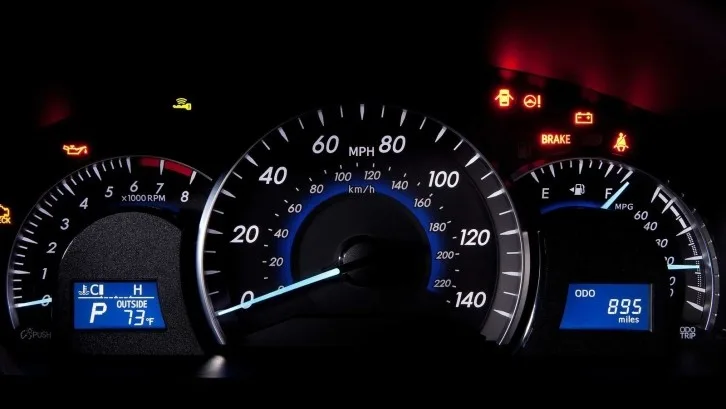
Image source: Bing (Web (fair-use with source credit))
49% off Today's Exclusive Deals
Limited-time Exclusive Deals. Check current discount on Amazon.
Check Price on Amazon As an Amazon Associate I earn from qualifying purchases.Your Check Engine Light Is On — Here's Your First Move
Before you grab tools or call a shop, observe the light for 30 seconds. Its behavior splits your next steps into two completely different paths.
If the light is FLASHING: This is a critical warning. A flashing malfunction indicator lamp means severe engine misfire. Unburned fuel is dumping into your hot exhaust.
Driving in this state can destroy your catalytic converter in minutes, turning a $200 fix into a $2,000+ repair. Pull over. Have it towed.
If the light is STEADY (solid orange): This is a general alert. The system detected a problem and stored a code, but it's not an immediate catastrophe. You have time.
49% off Today's Exclusive Deals
Limited-time Exclusive Deals. Check current discount on Amazon.
Check Price on Amazon As an Amazon Associate I earn from qualifying purchases.Drive gently for a few days to get it diagnosed. Avoid hard acceleration, but don't stop driving.
The bottom line: Flashing equals stop now. Steady equals diagnose soon. This first fork prevents the most expensive mistake.
What the Check Engine Light and OBD-II System Are Actually Telling You
Think of your Toyota Camry's OBD-II system as a doctor taking your engine's pulse. It watches sensors for air-fuel ratio, oxygen content, engine timing, and emissions. When a reading falls outside parameters for two drive cycles, it triggers the light.
The light itself doesn't tell you what's wrong. It's a generic "something needs attention" signal. The real information is stored as a diagnostic trouble code (DTC) in the Engine Control Module (ECM).
That's why you need a scanner. The code points to the faulty system. It might say "Cylinder 1 Misfire" (P0301) or "Catalyst System Efficiency Below Threshold" (P0420).
Here's the critical part: a code is a clue, not a final diagnosis. A P0420 code points to the catalytic converter, but the root cause could be a bad upstream oxygen sensor or an exhaust leak. Research from the National Institute for Automotive Service Excellence (ASE) shows that misdiagnosis leading to unnecessary part replacement is the biggest cost driver for check engine light repairs.
The Step-by-Step Diagnostic Workflow for Your Toyota Camry
This is a practical decision tree. Follow it in order.
Step 1: Retrieve the Code
You need the code. No exceptions.
- Tool: An OBD-II scanner. Basic units cost $15 to $30. Many auto parts stores scan codes for free.
- How: Find the 16-pin port under the dashboard, driver's side, left of the steering column. Plug in. Turn ignition to "On" (engine off). Select "Read Codes" on the scanner menu.
- Record: Write down every code. Note if they're "confirmed" or "pending." Pending codes are intermittent issues the system hasn't fully confirmed.
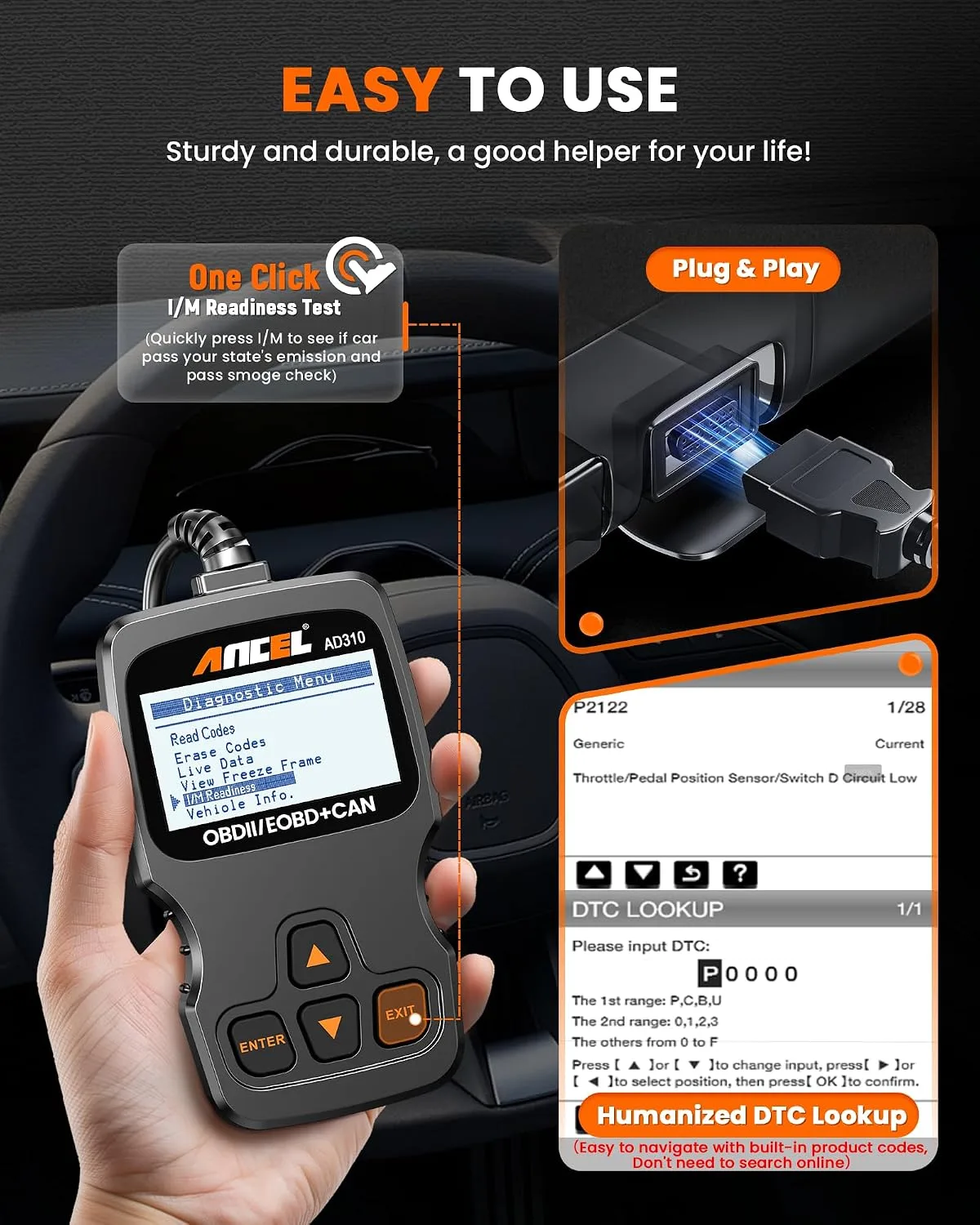
Image source: Bing (Web (fair-use with source credit))
Step 2: Research the Code
Now you have data. A P0440 means "EVAP System Malfunction." Over 80% of P0440 codes on Toyota Camrys trace to a loose or worn gas cap. A P0301 means "Cylinder 1 Misfire Detected," pointing toward spark plugs or ignition coils.
Step 3: Perform a Visual Inspection
Before buying parts, look around.
- Gas Cap: Remove it. Check the rubber seal. Reinstall until it clicks three times.
- Vacuum Hoses: Look for cracked or disconnected hoses on the engine.
- Wiring: Check sensor connectors for damage or corrosion.
- Fluid Levels: Low oil or coolant can sometimes trigger sensor codes.
Step 4: Decide Your Path
Based on the code and inspection, choose one of three routes:
- Simple Fix (DIY): A gas cap (P0440), routine spark plugs (P0301), or an oxygen sensor you're comfortable replacing.
- Complex Diagnosis (Professional): Vague codes like P0420, multiple system faults, or the car running poorly. An independent shop charges $80 to $130 for diagnosis. Worth it.
- Monitor and Drive: For pending codes with no symptoms, clear the code and drive normally. If the light stays off for a week, it may have been a glitch.
The Most Common Camry Check Engine Light Codes and What They Mean
These are the codes our research shows appear most frequently on Camrys, especially 2012 to 2017 (XV50) and 2018+ (XV70) models.
| Code | Description | Common Cause | Your Action |
|---|---|---|---|
| P0440 | EVAP System Malfunction | Loose gas cap, worn seal, leak in EVAP hose | Check/replace gas cap ($15-$30) |
| P0420 | Catalyst Efficiency Below Threshold | Failing catalytic converter, bad O2 sensor, exhaust leak | Needs diagnosis before replacing converter |
| P0300 | Random/Multiple Misfire | Worn plugs, bad coils, vacuum leak | Check spark plugs first (due every 60k miles) |
| P0301-P0304 | Cylinder [X] Misfire | Same as P0300, isolated to one cylinder | Replace that cylinder's plug and coil |
| P0171 | System Too Lean (Bank 1) | Vacuum leak, dirty MAF sensor, weak fuel pump | Clean MAF sensor first ($10 can of cleaner) |
| P0174 | System Too Lean (Bank 2) | Same as P0171, opposite engine bank (V6) | Same diagnosis, other side of engine |
Image source: Web (Bing) / ar15.com (Web image (fair-use with source credit))
Pro Tip: When searching your code, include "Toyota Camry" and your year. You'll find model-specific forums and repair histories. Manufacturer-specific Toyota codes (starting with "C" or "B") require a more advanced scanner beyond basic powertrain readers.
What Each Fix Actually Costs: Scanners, Repairs, and Shop Fees
Knowing the cost landscape helps you make smart calls. These are estimates as of 2026.
Diagnostic Tools:
| Tool | Price Range | What It Does |
|---|---|---|
| Basic Code Reader | $15 – $30 | Reads and clears codes only |
| Mid-Range Scanner | $50 – $150 | Live data, essential for diagnosing lean codes |
| Shop Diagnostic Fee | $100 – $175 | Professional analysis with technician time |
Common Repair Costs (Parts + Labor):
| Repair | Cost Range | Notes |
|---|---|---|
| Gas Cap | $15 – $40 | Easiest DIY fix on this list |
| Oxygen Sensor | $150 – $400 each | Upstream sensors matter more for performance |
| Ignition Coil | $100 – $250 each | Costs add up if multiple coils fail |
| Spark Plugs (4-cyl) | $100 – $200 total | Routine maintenance at 60k miles |
| Catalytic Converter | $800 – $2,500+ | OEM parts cost more but last longer |
The Free Scan Trap: Auto parts stores offer free scans to sell you parts based on the code alone. A P0420 might lead them to sell you a $1,500 catalytic converter when the real issue is a $150 oxygen sensor. Use the free scan as data gathering, not a final diagnosis.
Mistakes That Turn a $20 Fix Into a $2,000 Repair
These are the errors we see most often. Each one costs real money.
Ignoring a flashing light. This is the worst mistake. A flashing check engine light means active engine misfire. Raw fuel is entering the exhaust.
Your catalytic converter can overheat and melt within minutes. The converter alone costs $800 to $2,500. Towing costs $75 to $150.
That's a cheap insurance policy.
Clearing codes without fixing anything. Resetting the light with a scanner doesn't fix the problem. It just hides the warning. The issue remains and often gets worse.
Worse yet, clearing codes resets your emissions readiness monitors. Many states require all monitors in "ready" status for inspection. You'll need 50 to 100 miles of mixed driving before they reset.
Replacing parts based only on a code. The code points to a system, not always the specific failed part. A P0420 code means catalyst efficiency is low. But the cause could be a bad oxygen sensor, an exhaust leak, or actual converter failure.
Testing before replacing saves hundreds.
Using the cheapest scanner. Basic $15 scanners read generic powertrain codes. They miss manufacturer-specific Toyota codes and live data. A mid-range scanner with live data lets you watch sensor readings in real time.
That's how you catch intermittent problems.
Confusing the maintenance light with the check engine light. Your Camry has a separate "Maintenance Required" light that comes on at scheduled intervals (typically every 5,000 miles). That one is just a reminder for oil changes and inspections. It has nothing to do with the orange check engine light.
When to Keep Driving, When to Stop, and When to Tow
This is the decision guide that ties everything together.
TOW IMMEDIATELY if:
- The check engine light is flashing
- The engine is shaking violently
- You see or smell smoke from under the hood
- The temperature gauge is in the red zone
STOP DRIVING SOON if:
- The light is steady but the engine runs rough
- You notice a significant loss of power
- You hear knocking or pinging sounds
- Fuel economy drops dramatically
KEEP DRIVING (get diagnosed within a week) if:
- The light is steady and the car runs normally
- You just filled up with gas (check the cap first)
- The code is for an EVAP system issue with no symptoms
- The light came on after recent work and the car seems fine
The safety principle is simple. If the car feels wrong, stop. If it feels normal but the light is on, schedule a diagnosis. According to NHTSA data, engine-related warnings that are ignored can escalate into breakdowns that create road hazards.
Your safety comes first. The car comes second.
Frequently Asked Questions
How long can I drive with the check engine light on?
If the light is steady and the car runs normally, you can typically drive for several days to a week while arranging a diagnosis. Avoid long trips and hard acceleration. If the light is flashing, stop driving immediately and have the car towed to prevent catalytic converter damage.
Will the check engine light fix itself?
Sometimes. If the issue was temporary, like a brief sensor glitch, the light may turn off after a few drive cycles. However, the stored code remains in memory.
If the problem recurs, the light will return. Don't assume it's fixed just because the light went off.
Can I pass emissions with the check engine light on?
No. In virtually all U.S. states, an illuminated check engine light is an automatic failure on emissions testing. You must resolve the underlying issue and clear the code.
After clearing, you'll need to complete a full drive cycle, typically 50 to 100 miles of mixed driving, so the readiness monitors reset before retesting.
Do I need a mechanic to read check engine codes?
No. You can read codes yourself with a basic OBD-II scanner that plugs into the port under your dashboard. Many auto parts stores also offer free code scanning.
However, reading the code is only the first step. Proper diagnosis of what the code means often requires professional tools and expertise.
Is the check engine light covered under Toyota warranty?
It depends on the cause. Toyota's powertrain warranty covers many engine and transmission components for 60,000 miles or 5 years. Federal emissions warranty extends coverage to 80,000 miles or 8 years for emission-related parts.
Check your specific warranty documents, as coverage varies by component and model year.
What is the difference between the check engine light and the maintenance required light?
The maintenance required light is a routine service reminder, usually for oil changes at 5,000-mile intervals. It's scheduled and predictable. The check engine light indicates a fault detected by the OBD-II system in your engine, emissions, or transmission.
The maintenance light is a nudge. The check engine light is a warning.