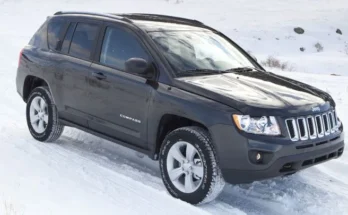
The question is, "Is the Jeep Grand Cherokee good in snow?" For many drivers facing winter weather, a capable 4WD system and robust build are non-negotiable. The Grand Cherokee has a long-standing reputation for tackling challenging conditions, but its actual snow performance depends on several key factors. We've looked at manufacturer specifications and aggregate user feedback to give you a clear picture.
When the weather turns nasty, having a vehicle that can handle it is crucial. Jeep's Quadra-Trac 4WD systems, standard on many Grand Cherokee models, are designed for serious traction. As of 2026, these systems continue to evolve, offering advanced capabilities for slippery roads and deeper snow.

49% off Today's Exclusive Deals
Limited-time Exclusive Deals. Check current discount on Amazon.
Check Price on Amazon As an Amazon Associate I earn from qualifying purchases.Let's break down what makes a Grand Cherokee perform well, or not so well, in winter.
Is the Jeep Grand Cherokee Good in Snow?
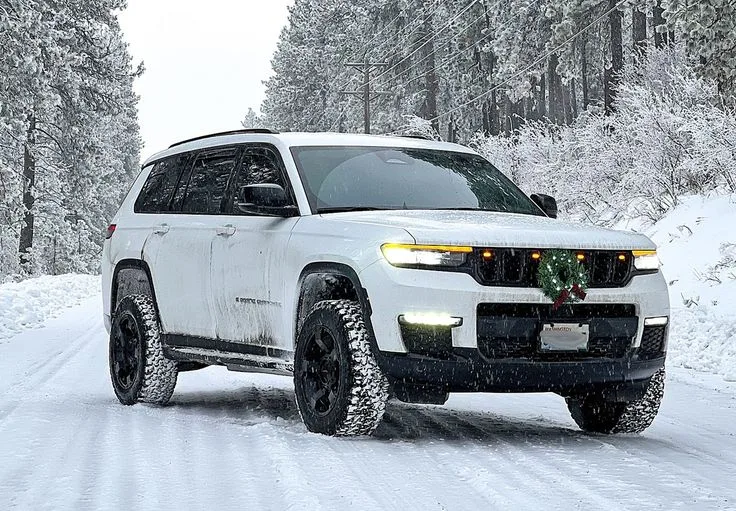
In our research, the Jeep Grand Cherokee is generally considered good in snow, particularly models equipped with its advanced Four-Wheel Drive (4WD) systems. Its substantial ground clearance and robust construction contribute to its capability on unplowed roads. However, actual performance hinges on specific features, tire selection, and driver technique.
The Snow Driving Factors That Matter for Your Grand Cherokee
A Jeep Grand Cherokee’s ability to tackle snow isn't a simple yes or no; it’s a combination of how the vehicle is equipped and how it's driven. Think of it like an athlete, great equipment is important, but training and technique make the real difference. For the Grand Cherokee, this means understanding its inherent strengths and how specific features come into play when the temperatures drop and the snow piles up.
49% off Today's Exclusive Deals
Limited-time Exclusive Deals. Check current discount on Amazon.
Check Price on Amazon As an Amazon Associate I earn from qualifying purchases.Key Snow-Ready Features to Look For
When you're shopping for a Grand Cherokee with winter in mind, or assessing your current one, focus on these key attributes.
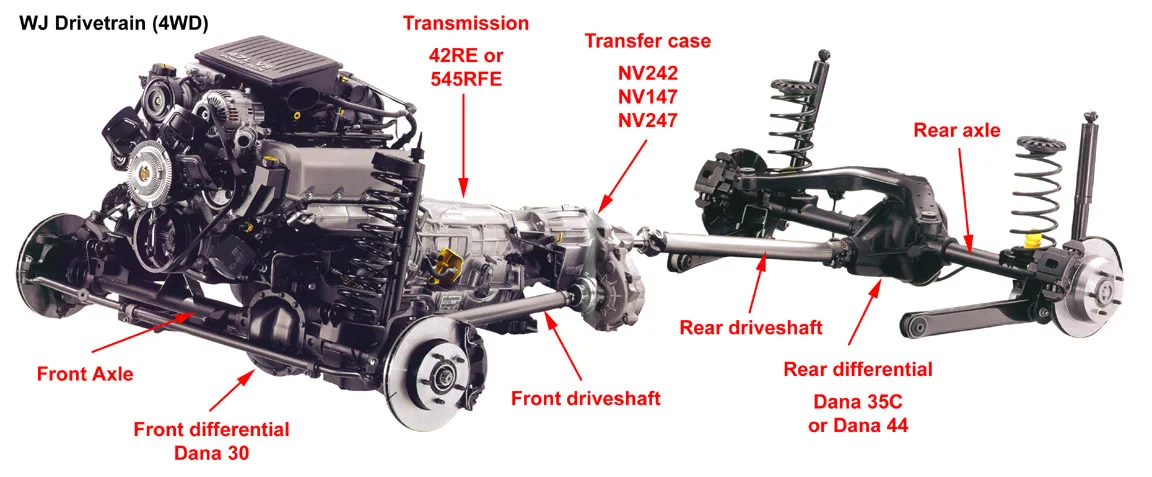
- Four-Wheel Drive (4WD) Systems: This is paramount. Jeep offers several, with Quadra-Trac I, II, and Quadra-Drive II being the most capable. Quadra-Drive II, in particular, includes an electronic limited-slip differential that can send power to the wheel with the most traction, a huge advantage in slick conditions.
- Low-Range Gearing: Essential for crawling over deep snow or ice-covered inclines without overwhelming the drivetrain. It provides more torque at lower speeds.
- Traction Control Systems: These systems work with the brakes to prevent wheels from spinning excessively. Modern versions are sophisticated, but they work best when they have good grip to start with.
- Ground Clearance: The distance between the lowest part of the vehicle's undercarriage and the ground. Higher clearance (the Grand Cherokee typically offers 8.1 to 8.3 inches) means less chance of high-centering or getting stuck on snowdrifts.
Understanding Your 4WD System's Role
Having 4WD is a big part of the equation, but not all 4WD systems are created equal, and knowing how yours operates is critical. For the Jeep Grand Cherokee, there are distinct levels of engagement. A basic Quadra-Trac I system primarily sends power to the rear wheels but can automatically engage the front when slip is detected.
Quadra-Trac II adds a two-speed transfer case with a low-range gear for serious off-road or deep snow situations.
49% off Today's Exclusive Deals
Limited-time Exclusive Deals. Check current discount on Amazon.
Check Price on Amazon As an Amazon Associate I earn from qualifying purchases.The top-tier Quadra-Drive II system includes electronic limited-slip differentials (eLSD) on both the front and rear axles. This is where you get the most advanced traction management. If one wheel starts to lose grip, the eLSD can automatically adjust power distribution to the other wheel on that axle.
This proactive adjustment makes a significant difference when you encounter patches of ice or uneven snow. For example, if your front passenger wheel is on ice and the front driver's side is on firm snow, the eLSD will bias power to the wheel with grip.
How Your Grand Cherokee Handles Different Snow Conditions
The way your Grand Cherokee behaves in snow really comes down to the specific conditions you're facing. It's not just about having 4WD; it's about how that 4WD, along with other systems, interacts with the snow, ice, and your driving inputs. Understanding these nuances will help you drive more safely and effectively when winter hits.
Light Snow vs. Deep Drifts: What's the Difference?
Light snow, typically a few inches of fresh powder, is usually manageable for most Grand Cherokee models, especially with their standard 4WD. You'll feel good traction, and the vehicle will respond predictably. The higher ground clearance helps prevent the vehicle from getting bogged down.
Deep drifts, however, are a different challenge. This is where the lower-range gearing and advanced 4WD systems like Quadra-Drive II truly shine. If you have a Grand Cherokee with these features, you'll have a better chance of powering through without getting stuck.
Without low-range, you risk spinning the wheels too fast and digging yourself in. Always approach deep snow slowly and steadily; sudden acceleration can cause your tires to dig in and get you stuck faster. If you can, try to follow tracks already made by other vehicles.
Navigating Ice and Slush: Traction Tips
Ice is the ultimate traction killer, and even the most advanced 4WD system can’t create grip where there isn’t any. That's where your tires and driving technique become critical. When driving on ice or in slushy conditions, it’s important to remember that 4WD helps you go, but it doesn’t necessarily help you stop or turn effectively.
- Braking: ABS (Anti-lock Braking System) is your friend here. If you need to brake hard, apply firm, steady pressure. The system will pulse the brakes to prevent lock-up, allowing you to maintain some steering control. Avoid pumping the brakes like in older vehicles.
- Steering: Make all steering inputs smooth and deliberate. Sudden jerks can cause the vehicle to lose traction. If you start to slide, steer gently in the direction you want to go.
- Slush: This can be particularly tricky because it can lead to hydroplaning. Slush acts like water on a surface, lifting your tires off the road. Driving at reduced speeds is your best defense. If you feel the vehicle start to hydroplane, ease off the accelerator and avoid sudden braking or steering.
Driver Skill and Preparation: Your Biggest Snow Assets
Even the most capable 4WD system can be let down by poor driving habits or a vehicle that isn't properly prepped for winter. Your role as the driver and the maintenance of your Jeep Grand Cherokee are just as crucial as its factory-installed features when it comes to snow performance. Think of these as the final pieces of the puzzle that ensure safety and confidence on the road.
Essential Winter Driving Techniques
Mastering a few key driving techniques can make a world of difference in snowy or icy conditions. It’s about being smooth, anticipating, and giving your vehicle the best chance to maintain control.
- Gentle Acceleration: Apply throttle very smoothly and gradually. If your tires are spinning, you're using too much power. Ease off the gas and reapply gently. This is especially important when starting from a stop.
- Smooth Braking: As mentioned, brake earlier and more gently than you would in dry conditions. Look far down the road to anticipate stops and avoid sudden braking. If you do need to brake hard, maintain steady pressure.
- Anticipate Turns: Slow down before you enter a turn, not while you're in it. Braking or accelerating mid-turn can easily break traction.
- Increase Following Distance: Leave significantly more space between your vehicle and the one in front. A common rule of thumb is to double or even triple your normal following distance (e.g., 8-10 seconds instead of 2-3). This gives you more time to react and stop.
- Look Ahead: Constantly scan the road for potential hazards, icy patches, or areas where snow might be deeper. This allows you to make small adjustments early, rather than big reactions later.
Preparing Your Grand Cherokee for Winter
Proper preparation before winter truly sets in can prevent many potential problems and ensure your Grand Cherokee is up to the task. It's about maintenance and equipping your vehicle for the elements.
- Tires are King: This is arguably the single most important factor.
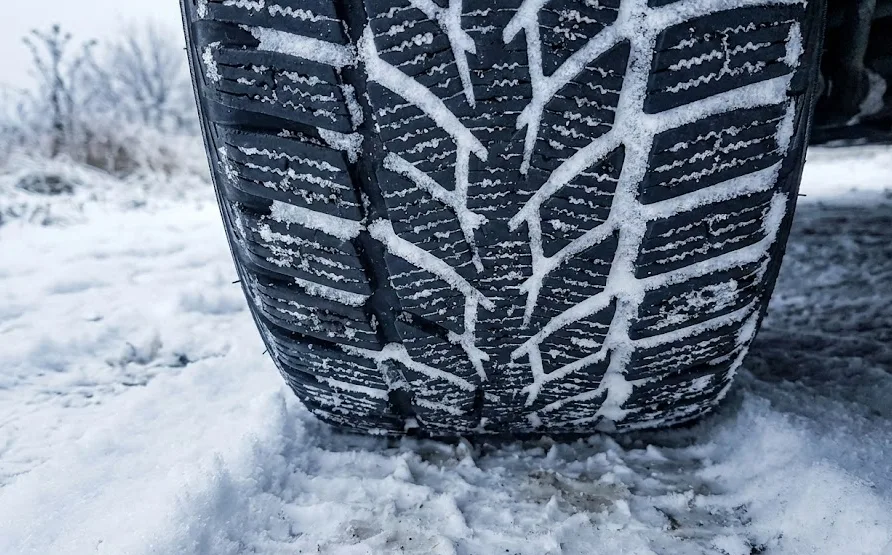
- All-Season vs. Winter Tires: While many Grand Cherokees come with all-season tires, dedicated winter tires (or snow tires) offer superior grip in cold temperatures and snow. They use special rubber compounds that stay flexible in the cold and tread patterns designed to bite into snow and ice. Our research indicates a significant difference in stopping distances and traction when using proper winter tires.
- Tread Depth: Ensure your tires have adequate tread depth. As of 2026, most safety organizations recommend a minimum of 4/32nds of an inch for safe winter traction. Less than that, and you're compromising your grip.
- Tire Pressure: Cold weather causes tire pressure to drop. Check your tire pressure regularly (at least once a month and before long trips) when the tires are cold. Underinflated tires can affect handling and fuel efficiency.
- Fluid Checks: Ensure all your vehicle's fluids are topped up and appropriate for cold weather. This includes coolant (with a proper antifreeze mixture), windshield washer fluid (de-icing type), and oil.
- Wiper Blades: Replace worn wiper blades. You’ll need clear visibility, and struggling with streaky or ineffective wipers in a snowstorm is a major hazard.
- Emergency Kit: Always carry a winter emergency kit. This should include jumper cables, a first-aid kit, a flashlight, warm blankets, non-perishable food, water, a shovel, and sand or kitty litter for traction if you get stuck.
Common Snow Driving Mistakes (and How to Avoid Them)
Even with a capable vehicle like the Jeep Grand Cherokee, certain driving habits can quickly turn a manageable winter drive into a risky situation. Being aware of these common errors is half the battle in staying safe on snowy roads. Many drivers underestimate the challenges winter presents, even in a sturdy SUV.
Overestimating Capability
One of the biggest mistakes is assuming your vehicle's 4WD system makes it invincible. While 4WD helps you accelerate and maintain momentum, it doesn't magically improve your tires’ grip on ice or significantly shorten your braking distance. If you have a Grand Cherokee with Quadra-Drive II and all-terrain tires, you still need to drive as if you were on slick surfaces because, well, you are.
Aggressive acceleration, hard braking, and sharp turns are just as dangerous, if not more so, with 4WD engaged. Manufacturer specifications for stopping distances on snow and ice often highlight the limitations of even advanced systems without appropriate tires and cautious driving.
Improper Tire Use
Another frequent pitfall is relying on all-season tires when dedicated winter tires are needed. All-season tires are designed for a compromise across various conditions, but they can stiffen and lose significant grip in freezing temperatures and deep snow. Aggregate reviews show a substantial difference in handling and braking when drivers switch from all-seasons to true winter tires.
Failing to check tire pressure regularly in cold weather means you might be driving with underinflated tires, which compromises handling and safety even further.
When is a Jeep Grand Cherokee Your Best Winter Bet?
So, who is the Jeep Grand Cherokee really best suited for when the snow starts flying? It’s not a one-size-fits-all answer, but several types of drivers and specific situations make it a standout choice. Think about what you need from a vehicle and where you typically drive.
Who Benefits Most from Its Snow Prowess?
The Grand Cherokee excels for drivers who regularly encounter more than just a dusting of snow. This includes:
- Residents of Snowy Climates: If you live in regions with frequent heavy snowfall, unplowed roads, or icy conditions, a properly equipped Grand Cherokee is a strong contender. Areas like the Rocky Mountains, the Northeast US, or parts of Canada are prime examples.
- Drivers Needing Off-Road Capability in Winter: For those who enjoy winter recreation like skiing, snowmobiling, or accessing remote cabins, the Grand Cherokee’s combination of 4WD, low-range gearing (on certain trims), and good ground clearance is invaluable. It offers a reliable way to reach destinations that might be inaccessible to sedans or even some crossovers.
- Families Needing All-Weather Reliability: If you need a dependable vehicle for daily commutes, school runs, or family outings in winter, the Grand Cherokee provides a sense of security. Its robust build and advanced traction systems can offer peace of mind.
Scenarios Where It Shines
Beyond just the type of driver, certain real-world scenarios highlight the Grand Cherokee’s winter strengths:
- Navigating Unplowed Roads: When municipal plows haven't reached your street yet, the Grand Cherokee’s higher ground clearance and capable 4WD can get you moving when others are stuck.
- Climbing Steep, Icy Hills: The combination of low-range gearing and advanced traction management systems (especially Quadra-Drive II) gives it an edge when ascending treacherous, slippery inclines.
- Dealing with Snow Drifts: Its substantial weight and powerful engines, coupled with good tires and 4WD, allow it to push through moderate snowdrifts that would stop lighter vehicles.
- Accessing Trailheads or Remote Locations: For outdoor enthusiasts who need to reach snowy trailheads or less-maintained winter access points, the Grand Cherokee offers a practical solution.
The Toyota RAV4, for instance, offers capable all-wheel drive but typically lacks the low-range gearing and robust 4WD systems found in higher trims of the Grand Cherokee, making it more suited for lighter snow and less demanding terrain. While it might handle daily commutes just fine, it wouldn't be the first choice for serious winter off-roading.
Other Options to Consider for Snowy Climates
While the Jeep Grand Cherokee offers a strong package for winter driving, it’s wise to know what else is out there. Other SUVs and trucks can also perform admirably in the snow, each with its own set of strengths and weaknesses. For example, the Honda CR-V, when equipped with all-wheel drive, provides competent handling for light to moderate snow conditions.
It’s often praised for its fuel efficiency and comfortable ride, making it a good choice for daily commuting in less extreme winter environments.
However, if your needs lean towards serious off-road capability in the snow or handling extremely challenging conditions, you might look at more purpose-built trucks or higher-end luxury SUVs. Competitors like certain trims of the Toyota RAV4 offer capable AWD systems that perform well in most typical snow scenarios. For those considering a premium option, vehicles like the Range Rover Sport or standard Range Rover provide sophisticated 4WD systems, air suspension for adjustable ground clearance, and advanced terrain management modes that can adapt to various slippery surfaces.
Each alternative comes with different price points and feature sets, so it's about matching your specific needs to the vehicle's capabilities.
FAQs About Grand Cherokees and Snow
Does every Grand Cherokee have 4WD?
No, not every Jeep Grand Cherokee comes standard with Four-Wheel Drive. While 4WD is a major selling point for the model, many trims are offered in both 2WD (rear-wheel drive) and 4WD configurations. You'll need to specifically look for models designated with a 4WD system, such as Quadra-Trac I, II, or Quadra-Drive II, to get the enhanced snow and off-road capability.
Base models might be rear-wheel drive only.
What are the best tires for snow on a Grand Cherokee?
The best tires for snow on a Grand Cherokee are dedicated winter tires, also known as snow tires. These tires are made with special rubber compounds that remain flexible in cold temperatures, providing better grip than all-season tires. They also feature aggressive tread patterns designed to bite into snow and expel slush effectively.
Brands like Michelin, Bridgestone, and Continental offer highly-rated winter tire models. Always ensure the tires match your Grand Cherokee's specifications for size and load rating, which you can find on a sticker inside the driver's doorjamb.
How much snow can a Grand Cherokee handle?
A Jeep Grand Cherokee, particularly a 4WD model with good winter tires, can handle several inches of fresh snow with relative ease. Its substantial ground clearance (around 8.1 to 8.3 inches) helps it power through moderate drifts. For deeper snow, models equipped with a low-range transfer case (like those with Quadra-Trac II or Quadra-Drive II) will perform significantly better, allowing for controlled crawling over obstacles and through deeper accumulations.
However, there's always a limit; extreme depths or very heavy, wet snow can still immobilize any vehicle.