Ever wonder what fuel your Jeep Grand Cherokee actually needs? It’s a question that pops up surprisingly often, and getting it right is key to keeping your SUV running smoothly and efficiently. Knowing the correct fuel type isn't just about performance; it's about protecting your engine from potential damage and ensuring you get the best possible mileage for your dollar.
This guide will break down exactly what gas your Grand Cherokee requires, based on its specific engine and model year. We'll cover everything from understanding octane ratings to finding the right information directly from Jeep itself, ensuring you're never left guessing at the pump again.

49% off Today's Exclusive Deals
Limited-time Exclusive Deals. Check current discount on Amazon.
Check Price on Amazon As an Amazon Associate I earn from qualifying purchases.What Type of Gas Does a Jeep Grand Cherokee Use?
Your Jeep Grand Cherokee typically uses regular unleaded gasoline. The specific octane requirement, however, varies by engine and model year. For most Grand Cherokees, 87 octane is recommended.
Some higher-performance variants or specific engine options might recommend or require higher octane fuel, like 91 or 93. Always check your owner's manual or the label inside your fuel filler door for the definitive answer for your particular vehicle.
Quick Answer: The Right Fuel for Your Grand Cherokee
Most Jeep Grand Cherokee models run perfectly fine on regular unleaded gasoline, which has an octane rating of 87. However, it’s crucial to confirm this for your specific vehicle. Performance-oriented trims, like those with the SRT engine, often require premium fuel with a higher octane rating, typically 91 or higher, to prevent engine knocking and optimize power.
49% off Today's Exclusive Deals
Limited-time Exclusive Deals. Check current discount on Amazon.
Check Price on Amazon As an Amazon Associate I earn from qualifying purchases.As of 2026, these specifications remain consistent for most current models.
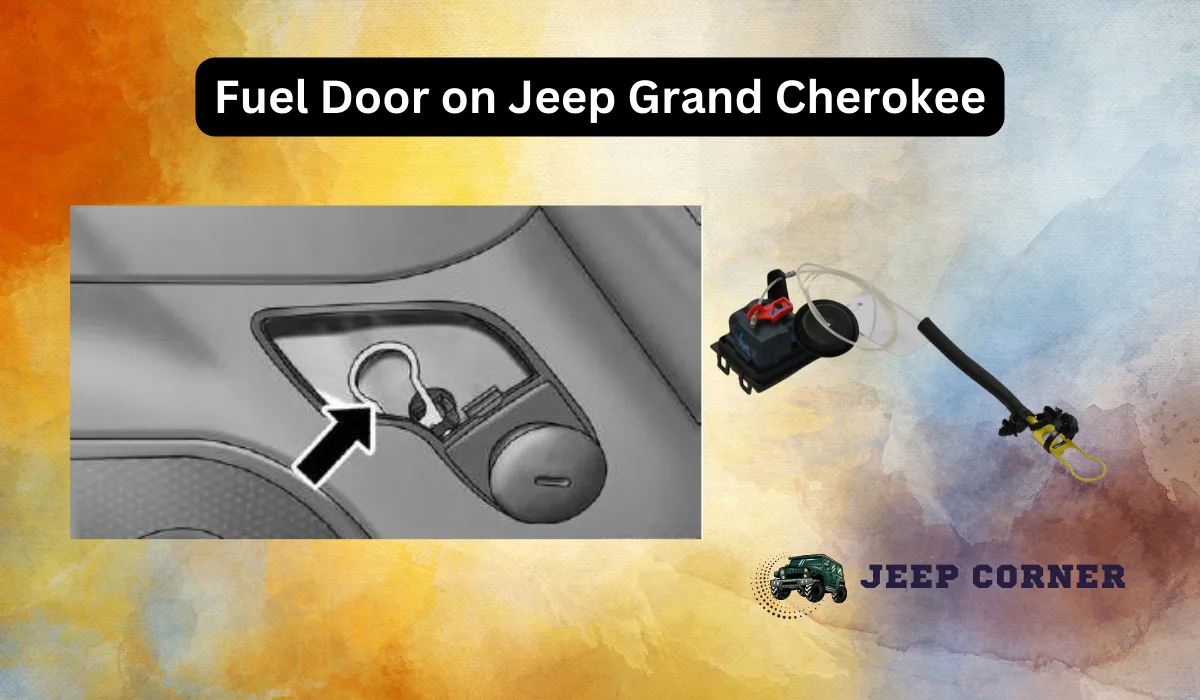
Image source: Web (Bing) / jeepcorner.com (Web image (fair-use with source credit))
Your Grand Cherokee's Engine: The Key to Fuel Type
The heart of your Jeep Grand Cherokee, its engine, dictates the precise fuel it needs. Different engine sizes and configurations have varying internal tolerances and performance characteristics that are directly tied to the fuel you put in the tank. What works for one Grand Cherokee might not be ideal for another, especially when you look at the range of engines Jeep offers.
49% off Today's Exclusive Deals
Limited-time Exclusive Deals. Check current discount on Amazon.
Check Price on Amazon As an Amazon Associate I earn from qualifying purchases.Engine Sizes and Their Fuel Needs
Jeep has equipped the Grand Cherokee with several engine options over the years, and each has its own fuel preference. The most common is the 3.6L V6 Pentastar engine. Manufacturer specifications confirm this versatile engine is designed to run optimally on 87 octane regular unleaded gasoline.
This engine is known for its balance of power and efficiency.
For those seeking more muscle, Jeep offers the 5.7L V8 HEMI engine. This powerplant also typically runs on 87 octane regular unleaded gasoline. While it provides more torque for towing and acceleration, it still operates efficiently with standard octane fuel.
When you step up to the high-performance models, like those featuring the 6.4L V8 HEMI SRT engine, the requirement changes. These engines are built for maximum power and often demand premium unleaded gasoline with an octane rating of 91 or higher. Using lower octane fuel in these performance engines can lead to engine knocking and reduced performance.
How Engine Year Matters for Fuel
Beyond just the engine size, the model year of your Jeep Grand Cherokee plays a significant role in its fuel requirements. Engine technology and fuel delivery systems have evolved. While many Grand Cherokees have consistently called for 87 octane, newer models, particularly those with advanced engine management systems or turbocharging, might have slightly different recommendations.
For instance, earlier generations might have been more tolerant of a wider range of fuels. However, modern engines are engineered with tighter tolerances and more sophisticated knock-detection systems. These systems are designed to protect the engine if it receives fuel that doesn't meet its specific octane demands.
Always refer to the most current information available for your specific model year to ensure you're using the correct fuel.
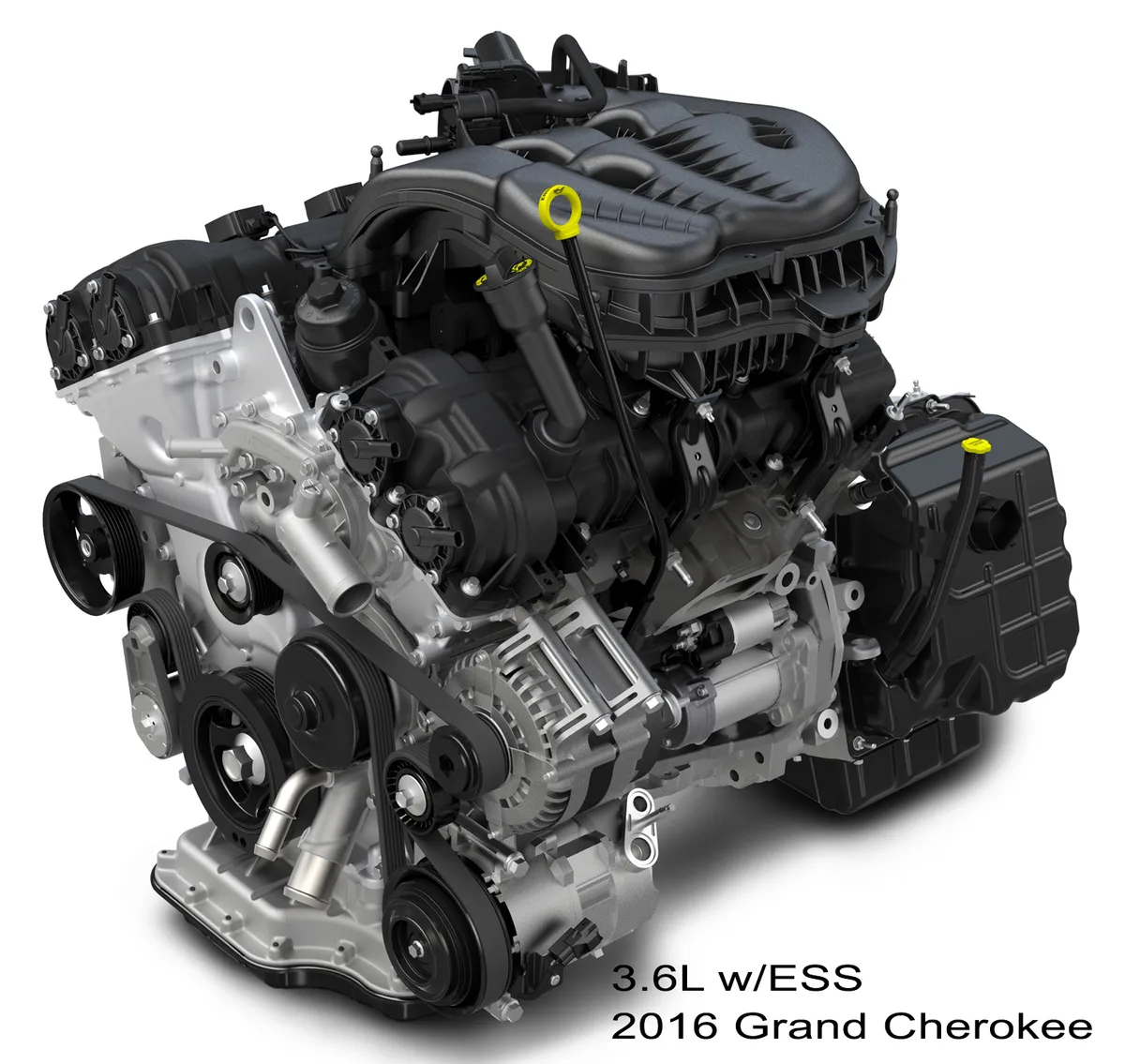
Image source: Bing (Web (fair-use with source credit))
Decoding Your Grand Cherokee's Fuel Requirement
Finding out precisely what your Grand Cherokee needs at the pump is straightforward, but it requires a little detective work. Jeep makes it easy to find this critical information, and understanding where to look is the first step to ensuring you’re always making the right choice. It's a small step that pays big dividends in engine health and performance.
Where to Find Your Car's Fuel Specs (Owner's Manual & Fuel Door)
The most reliable places to confirm the recommended fuel type for your Jeep Grand Cherokee are two key locations: your vehicle’s owner’s manual and a sticker inside the fuel filler door.
- Owner's Manual: This is the definitive guide for your vehicle. Look in the section related to maintenance, fueling, or specifications. It will clearly state the required or recommended octane rating and fuel type for all available engines for that model year.
- Fuel Filler Door Label: Many modern vehicles, including the Grand Cherokee, have a sticker inside the fuel filler door. This label usually provides a quick, at-a-glance reminder of the minimum octane requirement. It’s incredibly convenient for those moments when you might not have your manual handy.
Understanding Octane Ratings: What They Mean for Your Jeep
Octane rating is a measure of a fuel's resistance to knocking or pinging during combustion. When an engine runs, the fuel-air mixture is compressed, and then ignited by the spark plug. If the fuel ignites too early or unevenly due to pressure and heat, it causes a rapid, uncontrolled explosion known as knocking or pinging.
This can damage engine components over time.
- Regular Unleaded (87 Octane): This is the most common type of gasoline and is suitable for the majority of Jeep Grand Cherokee engines. It provides sufficient resistance to knocking for these standard engines under normal driving conditions.
- Mid-Grade Unleaded (89 Octane): Sometimes labeled as "Plus" or "Special," this fuel offers a slightly higher octane rating than regular. While some drivers may opt for this, manufacturer specifications for most Grand Cherokees do not mandate it over 87 octane.
- Premium Unleaded (91 or 93 Octane): This fuel has the highest octane rating and is designed for high-performance engines that generate more heat and pressure. For Grand Cherokee models that require premium fuel, using it is essential to prevent engine knocking and achieve peak performance.
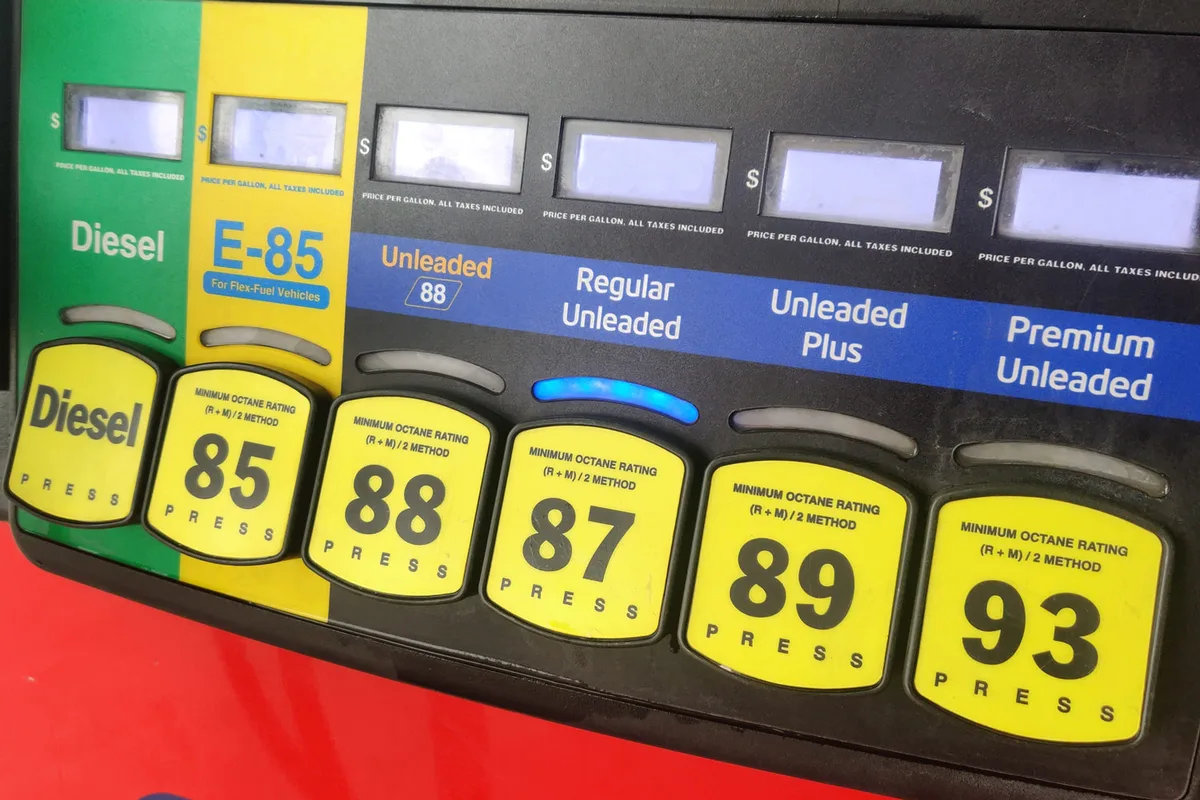
Image source: Web (Bing) / carxplorer.com (Web image (fair-use with source credit))
Common Fueling Mistakes and How to Avoid Them
Putting the wrong fuel in your Jeep Grand Cherokee is one of the most common and potentially damaging mistakes an owner can make. While modern vehicles have some protective systems, relying on them is not a substitute for using the correct fuel from the start. Avoiding these errors is straightforward if you know what to look out for.
The Risks of Using the Wrong Octane
Using a lower octane fuel than recommended, especially in performance-oriented Grand Cherokees, is a primary concern. When an engine requires 91 octane but receives 87, the fuel’s resistance to premature detonation is insufficient. This can lead to:
- Engine Knocking (Pinging): Audible rattling or knocking sounds from the engine.
- Reduced Performance: Less horsepower and torque, sluggish acceleration.
- Engine Damage: Over prolonged periods, severe knocking can cause damage to pistons, valves, and cylinder heads. Modern engines have knock sensors that can retard ignition timing to prevent immediate damage, but this also reduces power and efficiency.
Conversely, using higher octane fuel than required generally doesn't offer significant benefits for engines designed for 87 octane. While it won't typically harm your engine, it's an unnecessary expense. The engine simply cannot take advantage of the extra octane resistance if it's not engineered to need it.
Beyond Octane: Other Fueling Pitfalls
Octane is the most frequent concern, but other fueling mistakes can also cause trouble:
- Fuel Contamination: While rare at reputable stations, water or debris in the fuel can lead to engine misfires, rough idling, and fuel system damage. It's wise to choose well-maintained gas stations.
- Fuel Type Mix-ups: If you accidentally put diesel fuel in a gasoline Grand Cherokee, do not start the engine. This requires immediate professional attention.
- E85 or Flex Fuel Misinformation: Some Jeep models are Flex Fuel capable and can run on E85 (a blend of 85% ethanol and 15% gasoline). However, not all Grand Cherokees are E85 compatible. Using E85 in a non-compatible vehicle will cause significant engine problems. Always confirm your vehicle’s specific flex-fuel capability, often indicated by a yellow cap or specific badging. You can learn more about flex-fuel vehicle systems and standards on official government sites like those managed by the U.S. Department of Energy.
Benefits of Using the Correct Fuel
Sticking to the recommended fuel for your Jeep Grand Cherokee isn't just about avoiding problems; it's about actively enhancing your ownership experience. Using the right gasoline ensures your SUV performs exactly as the engineers intended, making every drive more enjoyable and economical.
Protecting Your Engine's Performance and Longevity
The most significant benefit is safeguarding your engine. As we've discussed, using the recommended octane rating prevents engine knock, which can lead to costly repairs. By meeting the fuel specifications, you allow the engine's computer to precisely control ignition timing and fuel injection for optimal combustion.
This consistent, efficient burn contributes to smoother operation, reliable power delivery, and a longer lifespan for critical engine components. It's a fundamental aspect of preventative maintenance that pays off over the years.
For example, manufacturer specifications for the 3.6L V6 engine in many Grand Cherokee models, which recommend 87 octane, are designed to offer a robust blend of performance and durability without the need for premium fuel. Using the correct fuel ensures this balance is maintained.
Maximizing Fuel Economy
Believe it or not, using the correct fuel can also directly impact how many miles you get per gallon. When an engine runs on the fuel it’s designed for, its efficiency is at its peak. If you use a lower octane fuel than recommended in a performance engine, the engine management system will adjust to prevent knocking, often by reducing power and, consequently, fuel efficiency.
Conversely, using an unnecessarily high octane fuel in a standard engine doesn't boost mileage; you're essentially paying more for fuel you don't need.
For instance, research indicates that using 91 octane in a vehicle designed for 87 octane typically yields no measurable improvement in fuel economy and can cost more per mile. This principle holds true for the Jeep Grand Cherokee, where adhering to the specified fuel type helps you get the most out of every tank. You can verify these general fuel economy principles on automotive engineering standards bodies' publications.
Fueling Your Grand Cherokee: A Practical Guide
Knowing what fuel your Jeep Grand Cherokee needs is one thing; consistently putting the right fuel in is another. This practical guide covers the simple steps to ensure you always make the right choice at the pump, avoiding costly mistakes and keeping your SUV running at its best. It’s about developing good habits that protect your investment.
Checking Your Fuel Cap and Owner's Manual
Before you even pull up to the pump, take a moment to consult your vehicle's resources. The most direct confirmation comes from the label inside your fuel filler door. This sticker is often printed with the minimum octane rating required.
If the label is missing or unreadable, your owner's manual is the next best place. It contains detailed information about your specific engine's fuel requirements.
At the Pump: Making the Right Selection
When you're standing at the gas station, there are a few things to remember. Always double-check the pump handle to ensure you've selected the correct grade of gasoline. If your Grand Cherokee calls for 87 octane, choose that.
If it’s a performance model that requires premium (91 or 93 octane), select that grade.
It's easy to accidentally grab the wrong handle, especially in a hurry. For models that don't require premium, there's no benefit to choosing it, and it's an added expense. Conversely, using regular in an engine that demands premium can lead to engine problems over time.
Frequently Asked Questions About Grand Cherokee Fuel
Does the Jeep Grand Cherokee require premium fuel?
Most Jeep Grand Cherokee models, particularly those with the 3.6L V6 or 5.7L V8 HEMI engines, run perfectly well on regular 87 octane unleaded gasoline. However, high-performance variants like the SRT models with the 6.4L V8 engine typically require premium 91 octane or higher fuel. Always confirm with your owner's manual or the fuel filler door label.
What happens if I put the wrong gas in my Grand Cherokee?
If you put a lower octane fuel than recommended in a performance engine, it can cause knocking and potentially engine damage over time. Using premium fuel in a car designed for regular usually won't harm it but is an unnecessary expense. If you accidentally put diesel in a gasoline Grand Cherokee, do not start the engine and seek professional towing and repair immediately.
Can I use E85 in my Jeep Grand Cherokee?
Only specific Jeep Grand Cherokee models are Flex Fuel capable and can use E85. If your vehicle is not designated as Flex Fuel, using E85 can cause significant engine damage. Check your owner's manual or vehicle for E85 compatibility indicators, such as a yellow fuel cap or specific badging.
How often should I change the fuel filter on my Grand Cherokee?
Jeep Grand Cherokees typically have a fuel filter integrated within the fuel pump module, which is designed to last the life of the fuel pump. Therefore, routine replacement is not usually a scheduled maintenance item. However, if you experience fuel delivery issues or have used fuel from questionable sources, your mechanic might inspect or recommend replacement as part of troubleshooting.
Is using fuel injector cleaner beneficial for my Grand Cherokee?
Using a quality fuel injector cleaner periodically, perhaps once a year or every 10,000-15,000 miles, can be beneficial. These cleaners help remove deposits that can build up on fuel injectors, ensuring they spray fuel efficiently. This can help maintain optimal engine performance and fuel economy.
Always choose a reputable brand designed for gasoline engines.
Your Decision Guide: Picking the Right Gas
Choosing the correct fuel for your Jeep Grand Cherokee boils down to a few simple checks. It’s a decision that directly impacts your vehicle’s performance, longevity, and your wallet. By following these steps, you can confidently select the right gas every time you visit the pump.
- Step 1: Identify Your Engine and Model Year. The first and most crucial step is knowing exactly what engine your Grand Cherokee has and its model year. This information is vital because different engines and years have different fuel specifications. You can usually find this on a sticker in the engine bay or in your owner's manual.
- Step 2: Consult the Owner's Manual or Fuel Door Label. These are your primary sources of truth. Look for the recommended octane rating. For most standard Grand Cherokees, this will be 87 octane regular unleaded. For performance models, it will likely be 91 octane premium unleaded or higher.
- Step 3: Understand the Octane Requirement. If your vehicle specifies 87 octane, that's what you should use. Using premium fuel in a car designed for regular will not provide any additional benefits and is just a waste of money. If your vehicle requires premium (e.g., SRT models), using anything less can harm the engine.
- Step 4: Consider Flex Fuel Capability. If your Grand Cherokee is a Flex Fuel model, you'll see specific indicators. These vehicles can run on a blend of gasoline and ethanol, up to E85. If your vehicle is not Flex Fuel capable, do not use E85, as it will cause serious damage.
- Step 5: Make Your Selection at the Pump. Based on the information gathered, select the appropriate fuel grade. When in doubt, always err on the side of caution and consult your owner’s manual. Choosing the correct fuel is a simple yet essential part of maintaining your Jeep Grand Cherokee.