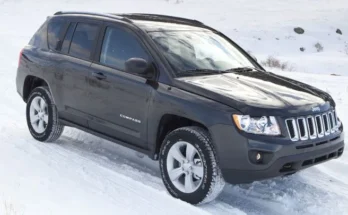
When you're eyeing a new SUV, especially one that balances price and practicality, the Jeep Compass often pops up. You're probably wondering: is the Jeep Compass a reliable SUV that won't leave you stranded or drain your wallet with constant repairs? It's a fair question, as reliability is key to owning any vehicle without constant headaches.
In our research, we've found that while the Jeep Compass offers a distinct style and capable all-wheel-drive options, its reliability ratings have historically been a mixed bag. Understanding its common issues and comparing it to segment leaders can really help you make an informed decision about whether it’s the right fit for you. Manufacturer specifications indicate that as of 2026, newer Compass models aim to improve on past concerns, but consistent maintenance remains crucial.
49% off Today's Exclusive Deals
Limited-time Exclusive Deals. Check current discount on Amazon.
Check Price on Amazon As an Amazon Associate I earn from qualifying purchases.Quick Take: Jeep Compass Reliability at a Glance
When asking "Is the Jeep Compass a reliable SUV?", the short answer is: it can be, but it's not a segment leader for dependability. Aggregate owner reviews and reliability surveys often place the Compass below average for its class. While newer model years (especially post-2020) show some improvement, common complaints still surface regarding its powertrain and electronic systems.
This means you might face more frequent, albeit often minor, issues compared to some competitors. However, for those drawn to its Jeep styling and available 4×4 capability, understanding these potential pitfalls is key to a satisfactory ownership experience. Proactive maintenance, as recommended by Jeep, is strongly advised.
What to Expect from Jeep Compass Reliability: Common Issues and Fixes
Our research into owner feedback and automotive reports reveals a few recurring themes when it comes to Jeep Compass reliability. While not every Compass will experience these, they are frequently mentioned pain points. Being aware of them helps you know what to look out for, whether you're buying new or used.
49% off Today's Exclusive Deals
Limited-time Exclusive Deals. Check current discount on Amazon.
Check Price on Amazon As an Amazon Associate I earn from qualifying purchases.Engine and Transmission Woes
Many Jeep Compass owners report issues with the powertrain, particularly concerning the engine and transmission. Some common complaints involve the 2.0L Tigershark engine experiencing oil leaks or consuming oil faster than expected. Transmission problems, especially with the older 6-speed automatic found in earlier models, can include rough shifting, hesitation, and even premature failure.
Newer models adopted an 8-speed automatic, which generally fares better but isn't entirely immune to issues. These problems can lead to costly repairs if not addressed promptly.
Electrical Gremlins and Tech Troubles
The Jeep Compass, like many modern vehicles, relies heavily on electronic systems. Unfortunately, these systems can be a source of frustration. Owners have reported issues with the infotainment system freezing or becoming unresponsive, problems with the Uconnect system, and even glitches with the instrument cluster.
Beyond the tech interface, electrical gremlins can manifest as battery drain issues, faulty sensors, or problems with power windows and locks. These unpredictable issues can be difficult to diagnose and fix.
49% off Today's Exclusive Deals
Limited-time Exclusive Deals. Check current discount on Amazon.
Check Price on Amazon As an Amazon Associate I earn from qualifying purchases.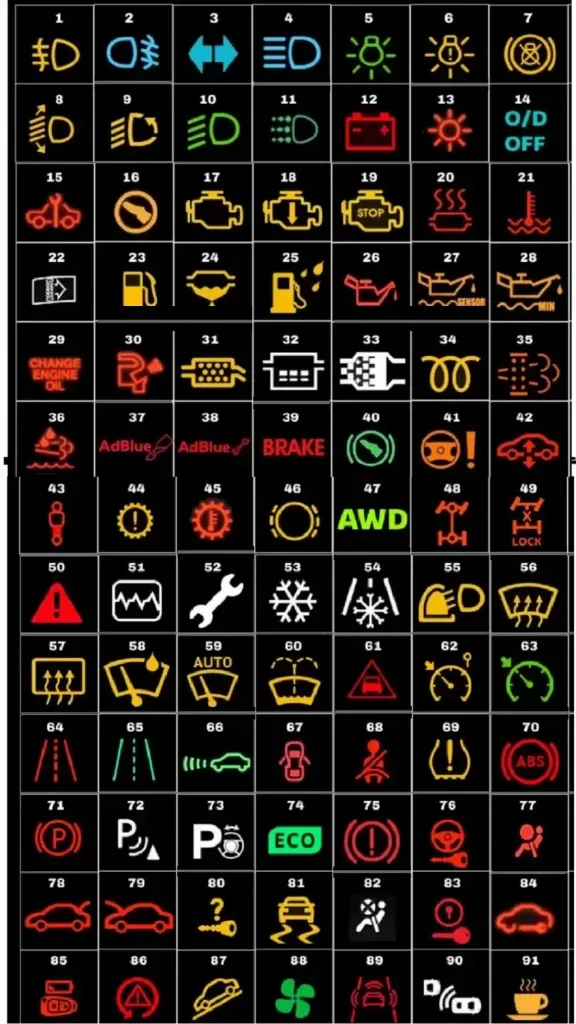
Image source: Web (Bing) / carwarninglights.net (Web image (fair-use with source credit))
Interior Build Quality Quirks
While the Jeep Compass offers a distinctive interior design, some owners find the build quality doesn't quite match up to rivals. Common complaints include interior rattles and squeaks that develop over time, particularly from the dashboard and door panels. Some materials might feel less premium or show wear more quickly than in competitors designed for longevity.
While this doesn't directly impact mechanical reliability, it can affect the overall ownership experience and perception of the vehicle's quality.
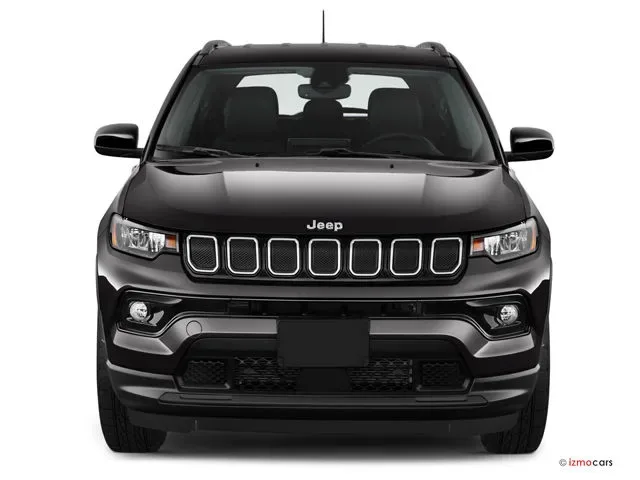
Image source: Bing (Web (fair-use with source credit))
Jeep Compass Reliability vs. The Competition
When you're looking at the Jeep Compass, it's really helpful to see how it measures up against other SUVs in its class. Reliability is often a deciding factor for buyers, and in this arena, the Compass typically falls a bit short compared to some long-standing leaders.
How the Compass Stacks Up Against Rivals
In the crowded compact SUV market, models like the Honda CR-V and Toyota RAV4 have consistently earned top marks for dependability from organizations like J.D. Power and Consumer Reports. These vehicles generally experience fewer mechanical issues and have lower average repair costs over their lifespan.
The Jeep Compass, on the other hand, often receives mid-pack or below-average reliability ratings. This means that while the Compass has its appeal, you might be taking on a slightly higher risk for unexpected repairs.
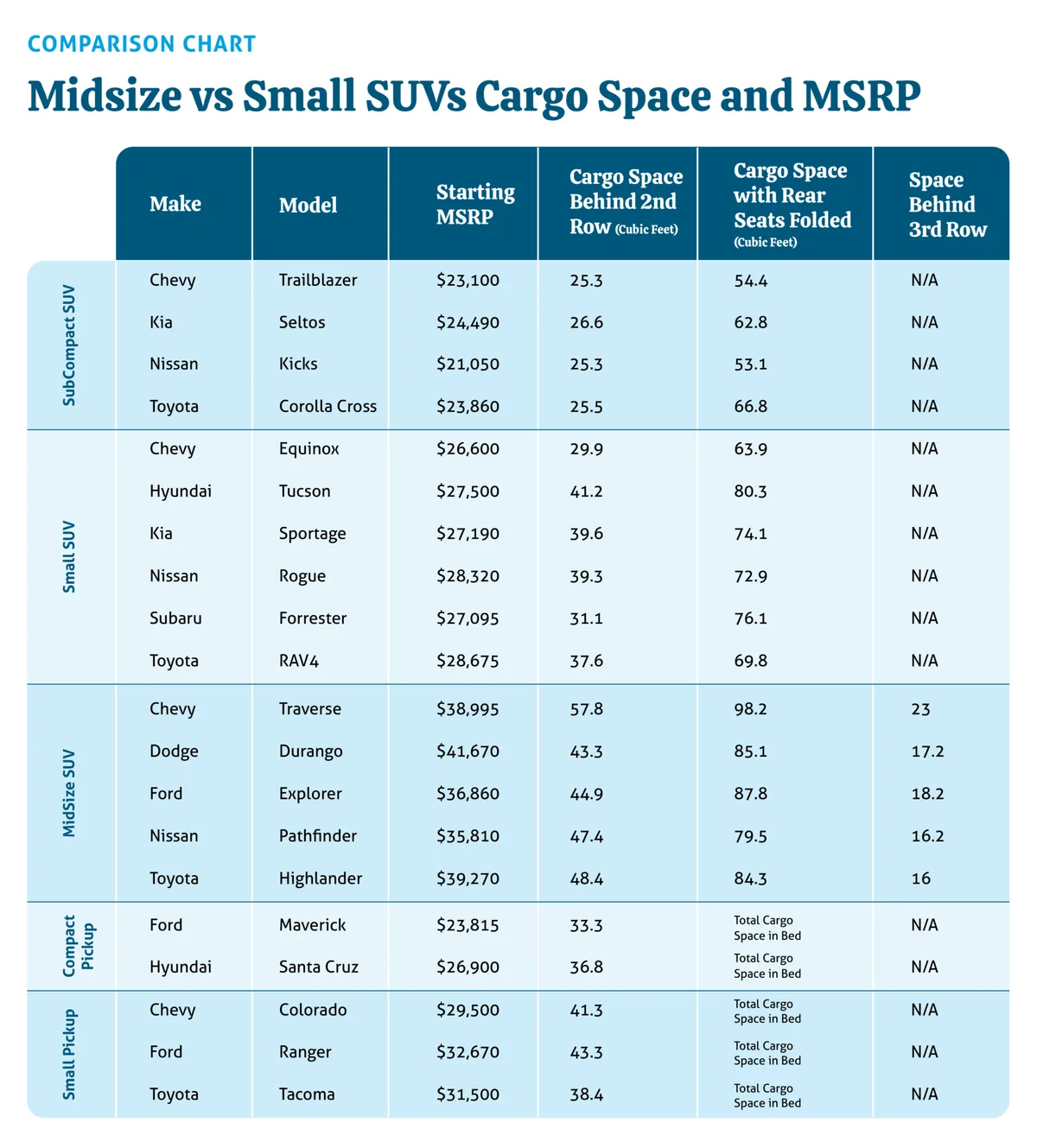
Image source: Web (Bing) / storage.googleapis.com (Web image (fair-use with source credit))
What Other Compact SUVs Offer
Competitors often provide a more consistent track record of reliability. For instance, the Subaru Forester is known for its durable mechanicals and standard all-wheel-drive, often rivaling the Compass's AWD capability with better dependability scores. Mazda's CX-5 is frequently praised for its engaging driving dynamics and solid build quality, which translates to fewer reported issues.
Even models like the Hyundai Tucson and Kia Sportage, which share some underlying components, sometimes outperform the Compass in long-term reliability surveys. When considering a compact SUV, comparing the Compass's specific reliability data against these established players is a crucial step. For a deeper dive into how other SUVs perform, you might find our comparison of Honda CR-V Trim Levels: Differences Explained insightful.
Who is the Jeep Compass Best Suited For?
Given its reliability profile, the Jeep Compass isn't the ideal choice for everyone. However, it excels for a specific type of buyer who prioritizes certain features and understands the potential trade-offs.
The Ideal Compass Owner
The Jeep Compass is often a good fit for drivers who are primarily attracted to its styling, the Jeep brand heritage, and the availability of capable 4×4 systems for light off-roading or tackling snowy conditions. It can be a suitable choice for younger drivers or small families on a budget who find its purchase price appealing and are willing to invest in diligent maintenance. Someone who plans to keep the vehicle for a shorter term, perhaps within its warranty period, might also find it a less risky proposition.
For those who appreciate its distinctive look and are prepared for potential repair costs, the Compass can still be a compelling option.
When to Look Elsewhere
If your absolute top priority is bulletproof, long-term reliability with minimal unexpected repair bills, you might want to consider alternatives. Drivers who need a vehicle that can consistently perform for well over 100,000 miles with very little mechanical intervention might be better served by models with consistently higher reliability ratings. The Compass might also not be the best choice if you live in an area with limited access to specialized mechanics or if you're uncomfortable with the possibility of more frequent visits to the repair shop.
Evaluating the pros and cons of owning a Range Rover could offer a different perspective on premium SUV ownership, for example.
Cost of Ownership: Beyond the Sticker Price
When you're evaluating a vehicle like the Jeep Compass, looking past the initial purchase price to its long-term cost of ownership is vital. Reliability directly impacts these ongoing expenses, influencing everything from routine upkeep to potentially costly repairs.
Routine Maintenance Needs
The Jeep Compass requires regular maintenance, just like any other vehicle. This includes oil changes (typically every 7,500-10,000 miles depending on the engine and oil type), tire rotations, and filter replacements. Manufacturer specifications, such as those found on Jeep's official website, outline the recommended service schedule.
Following this schedule is crucial for any Compass owner hoping to mitigate potential issues. While the cost of basic maintenance is generally in line with the compact SUV segment, neglecting it can exacerbate underlying problems.
Potential Repair Expenses
Here's where reliability really starts to hit your wallet. Based on aggregate owner data, the Jeep Compass can experience repair costs that are higher than the segment average. This is often linked to the more frequent issues reported with its transmission and electrical systems.
RepairPal data, for example, has indicated higher than average costs for certain repairs. When compared to highly reliable vehicles, the difference in repair bills over five or ten years can be substantial. For instance, while not a direct competitor, understanding the cost of ownership for a luxury SUV like a Range Rover can highlight different financial considerations; you might investigate how much does insurance cost for a Range Rover.
Long-Term Value and Resale
The long-term value of a Jeep Compass is also influenced by its reliability reputation. Vehicles known for strong dependability often hold their value better in the used car market. While the Jeep Compass has a certain appeal, potential buyers of used models may factor in the higher likelihood of repairs, which can depress its resale value compared to more consistently reliable compact SUVs.
Investigating resources like studies on what is the resale value of a Range Rover provides a benchmark for how depreciation can vary significantly based on perceived longevity.
Expert Tips for Buying and Owning a Compass
Owning a Jeep Compass can be a positive experience if you go in with your eyes wide open and take proactive steps to maintain it. Since reliability can be a concern, extra attention to detail during purchase and regular upkeep can make a big difference in your ownership journey.
Pre-Purchase Checks That Matter
If you're considering a used Jeep Compass, a thorough pre-purchase inspection is non-negotiable. Beyond a standard mechanical check, pay special attention to the transmission for any signs of rough shifting or hesitation. Listen for unusual noises from the engine, especially during acceleration.
Check the infotainment system for glitches or slow response times. You'll also want to verify that all electronics, like power windows and locks, are functioning correctly. Understanding the vehicle's maintenance history is also a key indicator of how well it's been cared for.
Keeping Your Compass Running Smoothly
Adhering to the manufacturer's recommended maintenance schedule is paramount for any Jeep Compass. This means regular oil changes, tire rotations, and filter replacements. For those opting for the 4×4 models, ensuring the all-wheel-drive system is serviced according to Jeep's guidelines is also vital.
Some owners also find it beneficial to use high-quality synthetic oil and to have the vehicle's software updated regularly, as manufacturers often release updates to address electronic issues. Being proactive can help catch potential problems early, potentially saving you from more significant repair bills down the road. You might also find our guide on how do you reset the service light on a Range Rover? helpful for understanding basic maintenance indicators, though the process will differ for your Compass.
Frequently Asked Questions About Jeep Compass Reliability
How reliable is a 2020 Jeep Compass?
The 2020 Jeep Compass generally falls into the average to below-average reliability category according to aggregate owner reviews and surveys. While it showed some improvements over earlier model years, issues with the transmission and infotainment system were still reported by some owners.
What is the lifespan of a Jeep Compass?
The expected lifespan of a Jeep Compass can vary greatly depending on maintenance and how it's driven. With consistent, factory-recommended maintenance, many owners report getting 150,000 to 200,000 miles or more out of their Compass. However, those who neglect upkeep or encounter common powertrain issues may see a shorter lifespan.
Are Jeep transmissions problematic?
Jeep transmissions have a mixed reputation. While newer transmissions, like the 8-speed automatic found in later Compass models, tend to be more robust, earlier 6-speed automatics were more frequently associated with rough shifting, hesitation, and premature wear. Regular fluid changes are critical for transmission longevity.
Is the Jeep Compass expensive to repair?
Repair costs for the Jeep Compass can be higher than the average for the compact SUV segment. This is often due to the complexity of its powertrain and electronic systems, and the cost of parts and labor for specialized repairs. Owners who experience frequent issues may find their repair bills accumulating over time.
Should I buy a Jeep Compass with AWD?
The all-wheel-drive (AWD) system in the Jeep Compass is generally considered a positive feature, enhancing its capability in inclement weather and light off-road situations. However, like all mechanical systems, it requires proper maintenance to ensure its long-term reliability. Owners should ensure the AWD system receives its scheduled servicing to prevent premature wear.
Verdict: Is the Jeep Compass the Right Reliable SUV for You?
Ultimately, whether the Jeep Compass is the right choice hinges on your priorities and expectations. If you’re drawn to its distinctive Jeep styling, available all-wheel drive, and a more accessible price point than some rivals, it can be a fitting option. You'll want to be prepared for the possibility of more frequent maintenance and potentially higher repair costs compared to segment leaders.
However, if your absolute top priority is a vehicle known for its bulletproof, long-term dependability with minimal fuss, you might find more peace of mind with other compact SUVs. Thorough research into specific model years, a comprehensive pre-purchase inspection for any used model, and a commitment to diligent maintenance will be your best allies in maximizing the reliability and enjoyment of a Jeep Compass.