Choosing Your Jeep Compass: Which Year is Best for You?
Finding the right used car can feel like a treasure hunt, and when you're asking, "What is the best year for a Jeep Compass?", you're on the right track. Not all model years are created equal, and knowing the differences can save you headaches and money down the road. We've dug into the specifics to help you pinpoint the Compass that best fits your needs and budget.
Manufacturers often refine their vehicles over time, introducing updates that can significantly impact reliability, features, and overall driving experience. For the Jeep Compass, manufacturer specifications and aggregate owner feedback show a clear progression of improvements across its generations. Let's break down what makes certain years stand out and which ones might be best avoided.
49% off Today's Exclusive Deals
Limited-time Exclusive Deals. Check current discount on Amazon.
Check Price on Amazon As an Amazon Associate I earn from qualifying purchases.Jeep Compass Generations: The Foundation for Your Choice
Understanding the different generations of the Jeep Compass is the first step in deciding which year is best for you. Each generation brought distinct changes in styling, technology, and engineering. Manufacturer timelines show these shifts clearly, impacting the overall vehicle character.
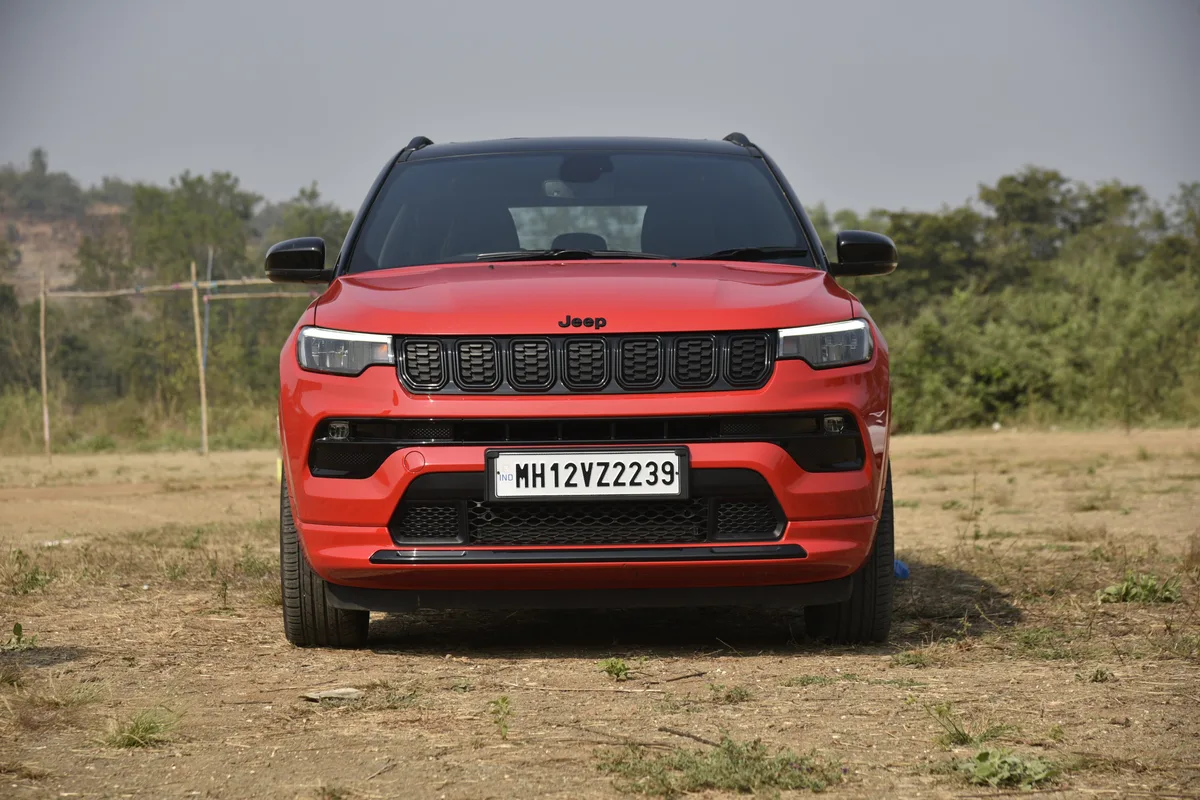
Image source: Bing (Web (fair-use with source credit))
49% off Today's Exclusive Deals
Limited-time Exclusive Deals. Check current discount on Amazon.
Check Price on Amazon As an Amazon Associate I earn from qualifying purchases.- First Generation (2007-2010): This initial iteration aimed to offer an affordable, car-like SUV. It featured a more unconventional exterior design for a Jeep at the time and was positioned as a budget-friendly option. However, it was noted for some initial build quality and refinement issues.
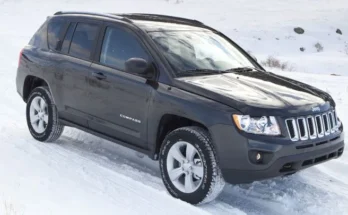
- Second Generation (2011-2016): A significant refresh brought a more rounded, traditional SUV look and improved interior appointments. Jeep worked to enhance the driving dynamics and overall passenger comfort compared to its predecessor. While better, some still found it lagged behind certain competitors in refinement.
- Third Generation (2017-Present): This generation represents a complete overhaul. The Compass adopted a styling language more in line with larger Jeep models, boasting a significantly upgraded interior, modern technology, and improved on-road performance. This is the version that truly put the Compass in contention with top compact SUVs.
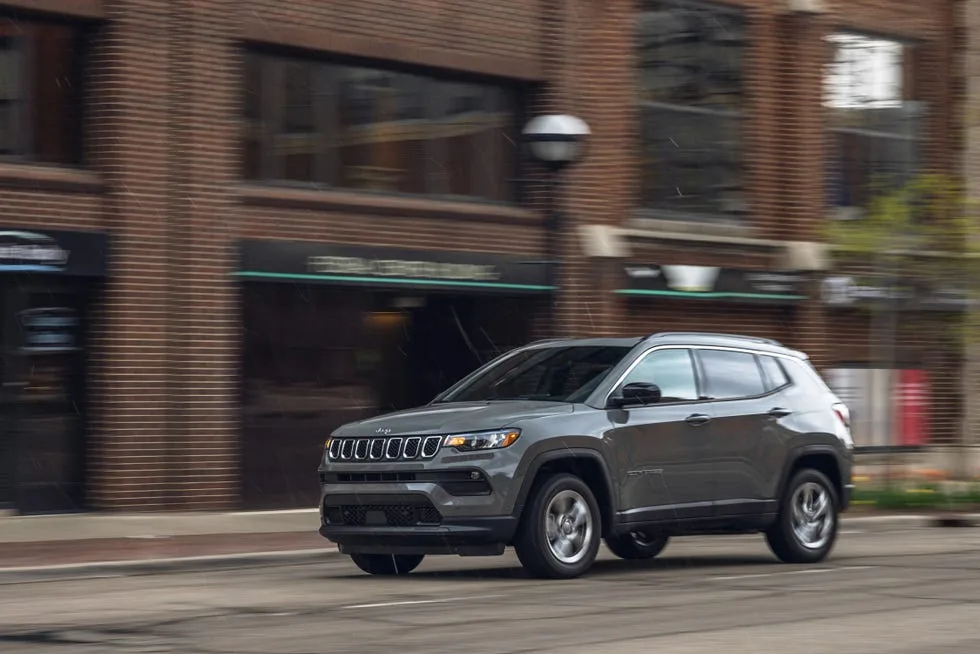
Image source: Bing (Web (fair-use with source credit))
What Is the Best Year for a Jeep Compass?
The best year for a Jeep Compass is generally considered to be 2017 or later, due to the complete redesign that significantly improved interior quality, technology, and driving dynamics. Specific later years within the third generation, such as 2018-2021, built upon these improvements, offering more standard features. Earlier models, particularly from the first generation (2007-2008), tend to have more reported issues.
Key Features & Attributes: What Matters Most in a Compass
When you're looking at different years of the Jeep Compass, several features and attributes will likely influence your decision. These are the components and characteristics that define the vehicle's performance, comfort, and overall appeal. Aggregate reviews and manufacturer specifications consistently highlight these points as crucial for buyers.
49% off Today's Exclusive Deals
Limited-time Exclusive Deals. Check current discount on Amazon.
Check Price on Amazon As an Amazon Associate I earn from qualifying purchases.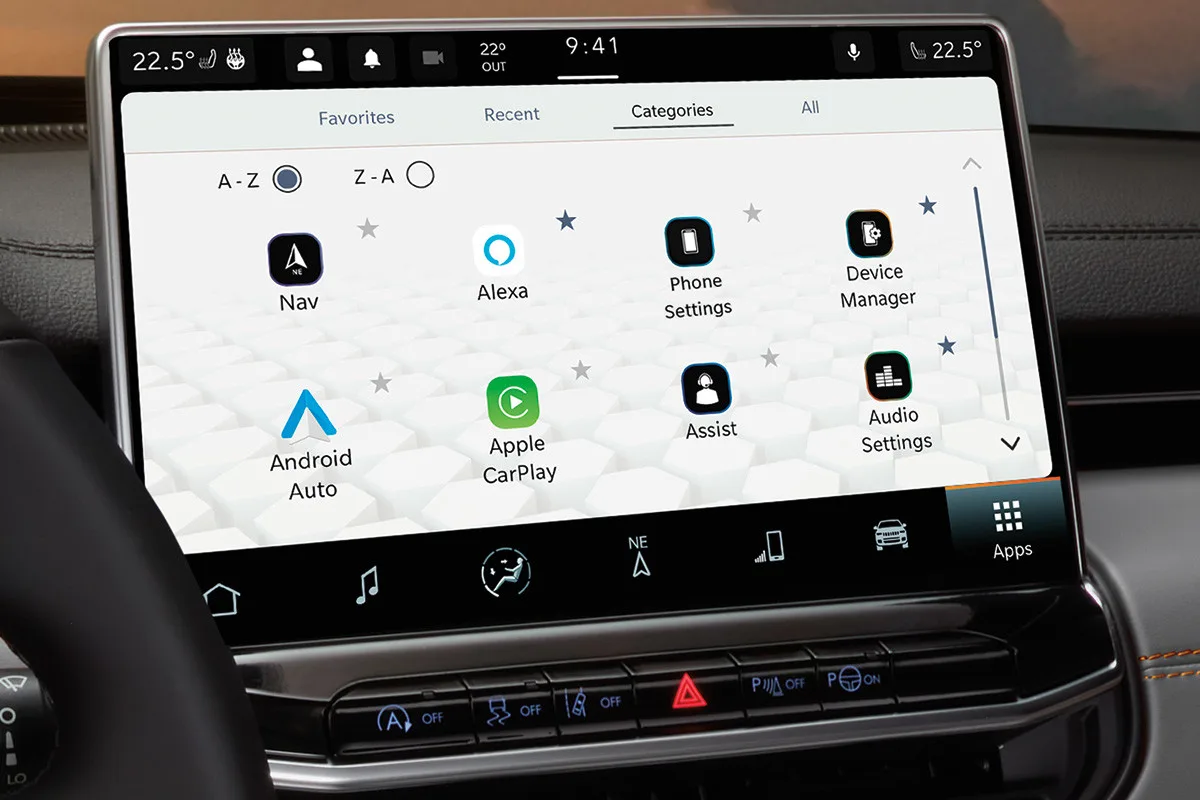
Image source: Bing (Web (fair-use with source credit))
- Engine Options: Primarily, you'll find the 2.0L or 2.4L Tigershark four-cylinder engines in most recent models. Early first-generation models had different engine choices, some of which were less powerful or efficient. The 2.4L became a common and generally reliable workhorse for the second and third generations.
- Transmission Types: This is a big one. Many Compasses, especially from the second generation onwards, came equipped with a Continuously Variable Transmission (CVT). While designed for fuel efficiency, the CVT in some Jeep models has drawn mixed reviews regarding responsiveness and long-term durability compared to traditional automatics or manuals. Manual transmissions were also available on certain trims and years, appealing to enthusiasts who prioritize driver engagement.
- Drivetrain: The Jeep Compass is available in both front-wheel drive (FWD) and four-wheel drive (4WD) configurations. If you need Jeep's renowned off-road capability or better traction in slippery conditions, a 4WD model is essential. Newer models often feature more sophisticated 4WD systems.
- Infotainment System: The Uconnect system, particularly in third-generation models (starting 2017), is a standout feature. Manufacturer specifications confirm its user-friendly interface, responsive touchscreens, and integration with Apple CarPlay and Android Auto. Earlier systems were less advanced.
- Interior Quality and Design: There's a marked difference in cabin materials and design between generations. Early models felt more basic and utilitarian, whereas the third generation boasts premium soft-touch materials, improved ergonomics, and a more upscale feel, rivaling more expensive compact SUVs.
- Safety Features: As automotive safety standards evolve, so do the features offered. Newer Jeep Compass models often come standard with advanced driver-assistance systems (ADAS) like automatic emergency braking, blind-spot monitoring, and rear cross-traffic alert. Older models may only have basic airbags and stability control. As of 2026, many safety features are expected to be standard across all trims.
Jeep Compass Model Years: A Closer Look (2007-Present)
When dissecting the "best" year for a Jeep Compass, it's crucial to examine its evolutionary path. Each model year represents a point in its development, with specific updates, recalls, and owner feedback shaping its reputation. Manufacturer timelines and aggregated consumer reports provide a clear picture of these changes.
First Generation (2007-2010): The Early Days
The first Jeep Compass launched in 2007, aiming for a compact, affordable SUV segment. Its styling was a departure from traditional Jeep ruggedness, featuring a more car-like profile.
- 2007-2008: These were the debut years. Aggregate user reviews and reliability surveys indicated several areas of concern, including powertrain issues and a less refined cabin experience.
- 2009-2010: Jeep made some incremental improvements for these later models of the first generation. Updates often addressed some of the earlier reliability concerns, and minor feature adjustments were made. However, the core platform remained, meaning it still felt dated compared to newer competitors that emerged around that time. These years can be very affordable but require diligent inspection due to the nature of early automotive designs.
Second Generation (2011-2016): Refinements and Updates
The second generation, starting with the 2011 model year, saw a significant visual and interior redesign. The exterior became more rounded and conventional, and the cabin received upgrades in materials and layout.
- 2011-2013: These initial years of the second generation introduced the new styling and interior. While a step up from the first generation, some automotive journalists and owner feedback noted that the ride quality could still be firm and the powertrain (especially the CVT) sometimes felt unrefined.
- 2014-2016: This phase of the second generation often represents the sweet spot for buyers seeking a more competent Compass from this era. Jeep implemented further tweaks, often enhancing interior features and improving the overall driving experience. Updates may have included better sound deadening and minor technology boosts. These years offer a more balanced package than the earlier second-gen models, making them a more attractive used option if the third generation is out of budget.
Third Generation (2017-Present): The Modern Compass
The 2017 model year marked a complete redesign and is widely considered the most significant leap forward for the Jeep Compass. It adopted a styling language closer to the larger Cherokee and Grand Cherokee, featuring a premium interior and modern technology.
- 2017: This was the debut year for the redesigned Compass. It immediately impressed with its upscale interior, improved driving dynamics, and advanced infotainment options. The Uconnect system, a strong point, was a significant upgrade. This year is often cited as a strong starting point for this generation.
- 2018-2021: These model years generally represent a consistent evolution of the successful 2017 redesign. Manufacturer updates typically involved refining existing features, adding more standard safety technologies across trims, and minor styling tweaks. The Uconnect system continued to be a strong point, with screen sizes and features improving slightly over these years. Aggregate owner feedback tends to be positive for reliability in this range, assuming proper maintenance.
- 2022-Present: The most recent Compass models continue to build on the third-generation platform. Updates often focus on enhancing standard safety suites and integrating the latest connectivity features. The exterior and interior designs remain largely consistent with the 2017 update, offering a thoroughly modern compact SUV experience. For those prioritizing the latest tech and safety, these newer models are the clear choice, though they will command higher prices on the used market.
Strengths and Weaknesses by Model Year
When you’re comparing different years of the Jeep Compass, each has its own set of advantages and disadvantages. These stem from their design philosophies, engineering choices, and the technological advancements available at the time of their release. Understanding these trade-offs is key to making an informed decision.
Strengths by Model Year
- First Generation (2007-2010):
- Pro: Lowest purchase price on the used market.
- Pro: Simple mechanicals in some configurations might appeal to DIY enthusiasts.
- Second Generation (2011-2016):
- Pro: More modern styling than the first generation.
- Pro: Improved interior materials and comfort over early models.
- Pro: Potential for better feature availability than the first generation.
- Third Generation (2017-Present):
- Pro: Significantly more upscale interior design and materials.
- Pro: Advanced Uconnect infotainment system with Apple CarPlay/Android Auto.
- Pro: Improved ride comfort and handling dynamics.
- Pro: Wider array of standard and available safety features.
- Pro: More assertive, "Jeep-like" exterior styling.
Weaknesses by Model Year
- First Generation (2007-2010):
- Con: Generally lower reliability ratings and more frequent minor issues reported in aggregate reviews.
- Con: Dated technology and basic interior features.
- Con: Less refined driving experience compared to later models and competitors.
- Second Generation (2011-2016):
- Con: CVT transmissions can be a point of concern for some buyers.
- Con: Interior can still feel a bit basic compared to later generations and some rivals.
- Con: Ride can still be a bit firm or unrefined for some tastes.
- Third Generation (2017-Present):
- Con: Higher purchase price on the used market.
- Con: Some engine/transmission combinations can still feel uninspired under hard acceleration.
- Con: 4WD systems, while capable, are generally designed for light to moderate off-road use, not extreme conditions.
Common Jeep Compass Problems to Watch Out For
When you're looking at any used vehicle, knowing the common pitfalls can save you a lot of trouble. For the Jeep Compass, certain issues have been more frequently reported by owners and noted in aggregate vehicle reliability surveys. Paying attention to these can help you identify potential red flags during your inspection.
Engine and Transmission Woes
- CVT Transmission: This is perhaps the most frequently discussed potential issue across many model years, particularly from 2011 onwards. While designed for fuel efficiency, some CVTs can exhibit droning noises, hesitation, or a less engaging driving feel. Long-term durability has also been a concern for some owners. If a Compass you're considering has a CVT, a thorough test drive is essential.
- Engine Stalling/Misfires: Some earlier models, particularly from the first generation, reported instances of engine stalling or misfires. This could be due to various factors, including ignition system issues or fuel delivery problems.
- Oil Leaks: Certain engine configurations, especially the Tigershark engines in later generations, have been subject to reports of minor oil leaks, often from the oil filter housing or valve cover gasket. Routine checks during maintenance are important.
Electrical and Accessory Glitches
- Infotainment System Glitches: While the Uconnect system is generally well-regarded, some owners have reported occasional freezing, unresponsiveness, or connectivity issues, particularly in older iterations of the system.
- Power Window/Lock Malfunctions: Less common, but reports do exist of issues with power windows and door locks, especially in vehicles with higher mileage or exposure to extreme weather.
Suspension and Chassis Concerns
- Noises Over Bumps: Some owners have noted clunks or rattles from the suspension, especially when going over uneven surfaces. This could indicate worn bushings, shocks, or struts, which are common maintenance items on any vehicle.
- Brake Wear: Like most compact SUVs, the Compass can experience normal brake wear. However, unusually rapid wear could point to other underlying issues or driving habits.
Which Jeep Compass Year is Best For Your Needs?
Deciding on the "best" year for a Jeep Compass isn't a one-size-fits-all scenario. It truly hinges on your priorities, budget, and what you intend to use the vehicle for. Manufacturer data and real-world user feedback help us categorize which years are best suited for different types of buyers.
For the Budget-Conscious Buyer:
If affordability is your primary driver, you'll likely be looking at older models.
- Best Bets: 2009-2010 or 2014-2016 models.
- Why: These represent the later, more refined years of their respective generations. While they won't have the latest tech, they generally had some of the initial kinks ironed out compared to the very first model years of those generations. You get more vehicle for your money, but be prepared for a less modern feel and potentially higher maintenance needs down the line. A thorough pre-purchase inspection is non-negotiable for these older models.
For the Tech-Savvy Driver:
If you want modern connectivity, safety features, and a premium feel, you'll want to focus on newer models.
- Best Bets: 2017 onwards, with 2018-2021 being excellent choices.
- Why: The third generation (starting 2017) is where the Compass truly entered the modern era. You get the excellent Uconnect system, available Apple CarPlay and Android Auto, and a much more upscale interior. The 2018-2021 range offers a great balance of advanced features without being the absolute newest (and most expensive) models. For the very latest tech and safety, 2022 and newer are your targets.
For the Practical Commuter:
If you need a reliable daily driver that’s comfortable and reasonably efficient, a well-maintained later model is ideal.
- Best Bets: 2018-2021 models.
- Why: These years offer a solid blend of modern features, improved reliability over earlier generations, and comfortable driving dynamics. The Uconnect system makes daily commutes more enjoyable, and available safety features add peace of mind. You’ll find a vehicle that feels contemporary and capable without the premium price tag of brand-new models.
For the Jeep Enthusiast on a Budget:
If you want the Jeep nameplate and some level of 4WD capability without breaking the bank.
- Best Bets: 2014-2016 with 4WD, or 2017-2018 models.
- Why: The 2014-2016 models offer a more traditional Jeep aesthetic than the first generation and might be found at a good price point. Opting for a 4WD version gives you that Jeep capability. The 2017-2018 models provide a much more modern and refined experience, with a genuine Jeep look and feel, and are a significant upgrade if your budget allows. Always check the specific 4WD system offered on the trim you're considering.
Jeep Compass Model Years: Pros and Cons
When you're deciding which year Jeep Compass makes the most sense for you, weighing the benefits against the drawbacks of each generation and specific model years is crucial. Manufacturer data and aggregate owner reviews help paint a clear picture of where each model year shines and where it falls short.
Pros and Cons by Generation Snapshot
| Generation | Key Strengths | Key Weaknesses | Best For |
|---|---|---|---|
| First (2007-2010) | Lowest cost of entry, simple mechanics. | Lower reliability, dated tech, unrefined driving, basic interior. | Budget buyers, DIYers comfortable with older vehicles. |
| Second (2011-2016) | Improved styling & interior over Gen 1, better features in later years. | CVT concerns, still somewhat unrefined ride, less upscale than Gen 3. | Buyers seeking a balance of cost and modernization. |
| Third (2017-Present) | Upscale interior, advanced tech (Uconnect), better driving dynamics, modern styling, good safety features. | Higher used price, some engine/trans combos less spirited, not for extreme off-road. | Tech-savvy drivers, commuters, those wanting modern features. |
Specific Model Year Considerations
- Early First-Gen (2007-2008):
- Pro: Can be found for very little money.
- Con: High risk of needing repairs; very basic features.
- Late First-Gen (2009-2010):
- Pro: Some kinks ironed out from initial launch.
- Con: Still lacks modern amenities and refinement.
- Early Second-Gen (2011-2013):
- Pro: Visually distinct update from Gen 1.
- Con: CVT can be a concern; interior still a bit sparse.
- Late Second-Gen (2014-2016):
- Pro: Often seen as the peak of this generation's refinements.
- Con: Still uses older tech platform compared to Gen 3.
- Early Third-Gen (2017):
- Pro: Huge leap in design, tech, and comfort.
- Con: First year of a major redesign, so initial quirks are possible.
- Mid Third-Gen (2018-2021):
- Pro: Well-established, reliable platform with good tech.
- Con: Prices are higher.
- Late Third-Gen (2022+):
- Pro: Latest tech, safety features, and styling.
- Con: Highest used prices, fewer available options.