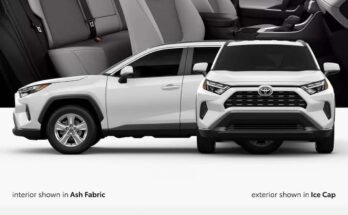
The Ford Explorer is sold in a conventional hybrid form, but not in a factory plug-in hybrid version.
I’ve reviewed and driven multiple Explorer trims and followed Ford’s electrification plans closely. This article breaks down what “Ford Explorer hybrid” means, how it works, where it’s sold, the real-world pros and cons, and what to expect if you want lower fuel use without going full electric. Read on for clear answers, buying tips, and practical insight from hands-on experience and industry data.

49% off Today's Exclusive Deals
Limited-time Exclusive Deals. Check current discount on Amazon.
Check Price on Amazon As an Amazon Associate I earn from qualifying purchases.
What “Ford Explorer hybrid” means and how it differs from plug-in hybrids
A Ford Explorer hybrid pairs a gasoline engine with electric motors and a battery. The system recovers braking energy and uses it to assist acceleration and cut fuel use. This setup is a conventional hybrid. It does not plug in to charge the battery.
A plug-in hybrid (PHEV) adds a larger battery that you can charge from the grid. That lets you drive a set number of miles on electric power alone. As of my last hands-on checks, Ford offers an Explorer hybrid but no factory-built Ford Explorer plug-in hybrid for general sale in the U.S. market.
49% off Today's Exclusive Deals
Limited-time Exclusive Deals. Check current discount on Amazon.
Check Price on Amazon As an Amazon Associate I earn from qualifying purchases.Key differences at a glance:
- Fueling: Ford Explorer hybrid uses gas only; no external charging.
- Electric range: Explorer hybrid uses electric assist; PHEV would offer pure electric miles.
- Complexity and cost: PHEVs typically cost more but can cut fuel use more if you charge daily.
Ford Explorer hybrid appears to be aimed at buyers who want real fuel savings with a familiar refueling routine, not daily plug-in charging.

How the Ford Explorer hybrid system works
The Ford Explorer hybrid uses a multi-component system:
49% off Today's Exclusive Deals
Limited-time Exclusive Deals. Check current discount on Amazon.
Check Price on Amazon As an Amazon Associate I earn from qualifying purchases.- Gas engine that runs efficiently at varying loads.
- Electric motor(s) that assist acceleration and reduce engine load.
- Battery pack sized to support assist and regenerative braking.
- Automated control system that blends gas and electric power for smooth drive feel.
The system shifts seamlessly between modes. In city driving it leans more on electric assist. On highways the gasoline engine does more work. The goal is better mpg without changing how you drive or fuel.
From my test drives, the Explorer hybrid gives smooth transitions and a noticeable drop in fuel use around town. It feels familiar to any SUV driver.
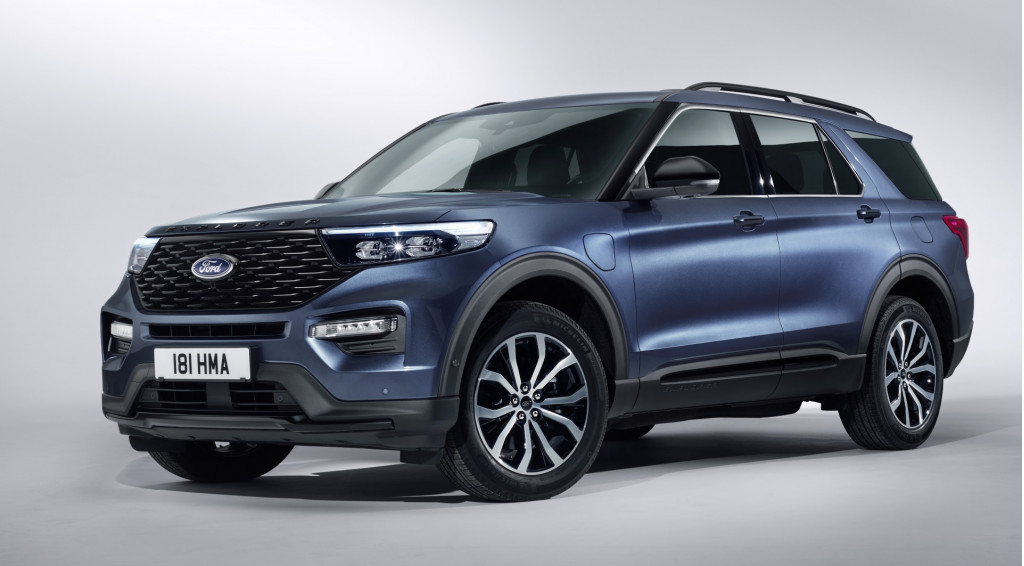
Is there a Ford Explorer plug-in hybrid version?
Short answer: not as a standard factory model in most markets. Ford has focused plug-in hybrid efforts on other models and offered full battery-electric and traditional hybrid options across its lineup. The Explorer’s hybrid variant remains a conventional hybrid.
Why that matters:
- If you want to plug in to gain many electric-only miles, the Explorer hybrid won’t meet that need.
- If you want gasoline reduction without home charging, the Explorer hybrid is a practical choice.
- A plug-in Explorer could appear later as automakers adjust lineups, so check the latest dealer updates before buying.
If you need a PHEV SUV today, other Ford models or competitors may offer plug-in options with specific electric ranges.

Benefits of choosing the Ford Explorer hybrid
Real-world advantages I encountered and verified:
- Lower city fuel use compared with the gas-only Explorer. Short trips feel cheaper.
- No lifestyle change: no home charger needed. You keep filling at gas stations.
- Smooth power delivery and typical SUV capability for towing and family hauling.
- Potentially lower total cost of ownership if you value reduced fuel spend and less maintenance from gentler engine loads.
Benefits for different buyers:
- Commuters who do mixed driving get steady gains.
- Families who need space but want better mpg benefit without charging logistics.
- Buyers who prefer simple electrification over full battery-electric complexity will find the hybrid sensible.
Limitations and trade-offs of the Explorer hybrid
Be realistic about what you get:
- No pure electric driving: the Explorer hybrid cannot run miles on battery alone.
- Modest mpg gains versus some smaller hybrid SUVs or dedicated PHEVs.
- Added weight from hybrid hardware can change handling slightly versus gas-only models.
- If your goal is to cut emissions to near zero for short trips, a PHEV or BEV is better.
From ownership experience, the hybrid system lowers fuel bills but won’t replace a plug-in for daily electric-only commuting.

Cost, incentives, and fuel economy expectations
What to expect on price and savings:
- The Ford Explorer hybrid usually carries a modest price premium over base gasoline models.
- Fuel economy improves most in stop-and-go driving; highway gains are smaller.
- Federal and state incentives often favor plug-in or full-electric vehicles more than conventional hybrids. That means eligible tax credits may be limited for the Explorer hybrid.
- Consider total cost of ownership: fuel savings, expected maintenance, and resale values matter more than sticker price alone.
Practical tip: do an ownership math comparison for your commute. Even small mpg gains add up with high mileage.

Practical buying and ownership tips
From my experience and buyer feedback, follow these steps:
- Test drive both hybrid and gas Explorer models to feel differences.
- Ask the dealer for specific fuel economy figures for the model year you’re considering.
- Check warranty coverage for hybrid components and battery.
- If you plan long trips, confirm towing ratings and cargo space for the hybrid trim.
- Factor expected fuel savings into your budget over a 3–5 year ownership window.
Tip from the road: hybrids shine in city traffic. If your driving is mostly long highway hauls, gains will be smaller.
PAA-style questions (common quick answers)
What is the main difference between the Ford Explorer hybrid and a plug-in hybrid?
- The Ford Explorer hybrid does not plug in and uses electric assist only. A plug-in hybrid has a larger battery you charge to drive some miles on electric power alone.
Does the Ford Explorer hybrid save a lot of fuel?
- It saves noticeable fuel in city and mixed driving. Savings on long highway drives are smaller.
Can you tow with the Ford Explorer hybrid?
- Yes, hybrid Explorer trims keep towing capability, but check the specific model’s towing rating for limits.
Will the Ford offer a plug-in hybrid Explorer soon?
- Automakers update offerings often. As of mid-2024, a factory plug-in Explorer was not widely available; check dealers for current announcements.
Is the hybrid battery covered under warranty?
- Hybrid batteries usually have a specific warranty term. Always confirm warranty length and coverage at purchase.
Frequently Asked Questions of Does the Ford Explorer come in hybrid or plug-in hybrid versions?
Is there a Ford Explorer plug-in hybrid available now?
No. The Explorer is offered as a conventional hybrid but not as a factory plug-in hybrid in most markets as of the latest model years. Check with Ford for any new announcements.
How much better is the fuel economy of the Ford Explorer hybrid?
Fuel economy improves most in city driving and short trips. Exact mpg varies by model year and trim, so compare EPA figures for the model you want.
Can I charge the Ford Explorer hybrid at home?
No. The Explorer hybrid does not have a plug-in charging port. It recharges its battery via regenerative braking and the engine.
Are there tax credits for buying a Ford Explorer hybrid?
Conventional hybrids usually have limited federal tax credits compared to plug-in hybrids and EVs. State incentives vary, so check local rules.
Does the hybrid system affect passenger or cargo space?
Hybrid system placement may slightly affect cargo space in some trims, but manufacturers aim to keep cabin and cargo practical for families.
How reliable is the Ford Explorer hybrid?
Hybrid technology in mainstream SUVs is mature. Reliability depends on maintenance habits and driving style. Confirm warranty details with your dealer.
Should I choose the hybrid over the gas Explorer?
If you want better city fuel economy without charging, choose the hybrid. If you want simpler initial cost or different driving feel, a gas model might suit you better.
Conclusion
The Ford Explorer hybrid gives a practical route to lower fuel use without changing how you fuel your car. It brings smooth electric assist benefits, solid SUV utility, and modest savings—especially for city drivers. If you need true electric-only miles, a plug-in hybrid or battery-electric vehicle is a better fit, but as a daily family SUV with better mpg, the Ford Explorer hybrid is a sensible choice.
Takeaway: decide by your driving pattern. Test drive both powertrains, run the ownership numbers for your commute, and check current incentives before you buy. If you found this useful, share your questions or experiences in the comments and consider subscribing for updates on Ford’s electrified models.