A bad ignition switch can stop your car from starting, locking, or powering up electrical systems.
A car ignition switch not working is one of those problems that feels small at first, then suddenly turns your whole day upside down. I’ve seen it turn a normal no-start issue into a real headache because the switch sits at the center of your car’s starting and electrical system. In this guide, I’ll walk you through the signs, causes, diagnosis, and fixes so you can understand what is happening and decide the safest next step.

49% off Today's Exclusive Deals
Limited-time Exclusive Deals. Check current discount on Amazon.
Check Price on Amazon As an Amazon Associate I earn from qualifying purchases.
What the ignition switch actually does
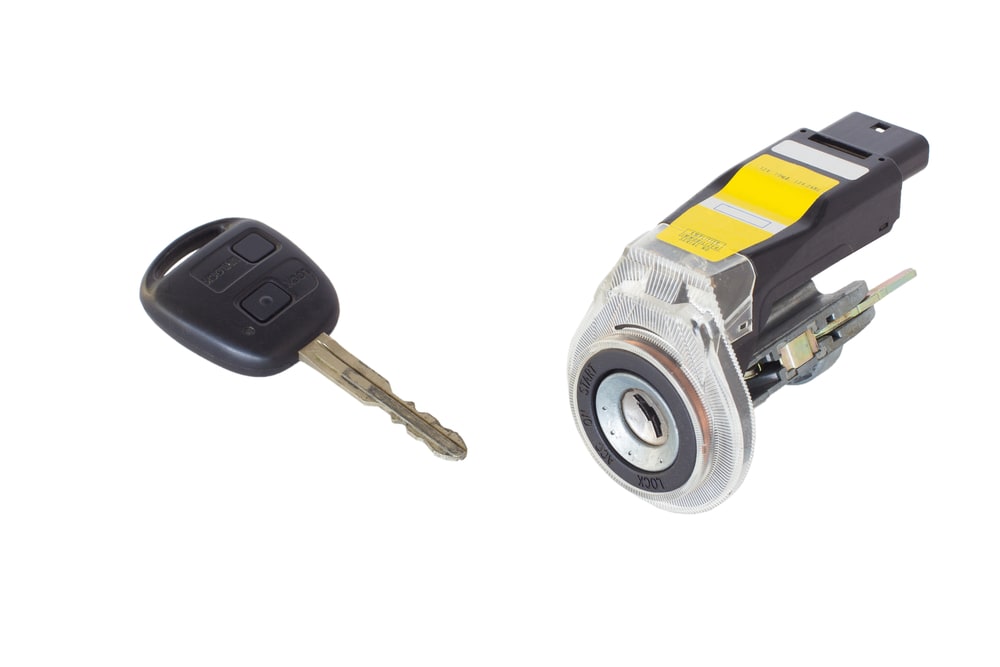
The ignition switch is the part that tells your car when to wake up. When you turn the key or press the start button, it sends power to key systems like the battery circuit, fuel pump, dashboard, starter relay, and accessories.
If the car ignition switch not working, the car may not crank, the dash may stay dark, or the engine may start and then cut out. In simple terms, it acts like the gatekeeper for the whole starting process.
49% off Today's Exclusive Deals
Limited-time Exclusive Deals. Check current discount on Amazon.
Check Price on Amazon As an Amazon Associate I earn from qualifying purchases.A healthy ignition switch usually supports several positions or states:
- Off, which cuts power to most systems
- Accessory, which powers things like the radio
- On, which wakes up the engine electronics
- Start, which sends the signal to crank the engine
When one of those steps fails, the problem can look like a dead battery, a starter issue, or even a blown fuse. That is why ignition switch problems are often misdiagnosed.
:max_bytes(150000):strip_icc()/GettyImages-625936944-5b0c5ab7119fa800372200be.jpg)
Common signs of a car ignition switch not working
The signs can be obvious, or they can be sneaky. I’ve found that many drivers notice a “weird” electrical problem before they realize the ignition switch is the real cause.
49% off Today's Exclusive Deals
Limited-time Exclusive Deals. Check current discount on Amazon.
Check Price on Amazon As an Amazon Associate I earn from qualifying purchases.Watch for these symptoms:
- No crank when you turn the key
- Dashboard lights flicker or do not come on
- Car starts sometimes, then fails later
- Engine stalls right after starting
- Radio, windows, or accessories work inconsistently
- Key feels loose, sticky, or hard to turn
- Starter only works in certain key positions
- Warning lights flash or behave oddly
If the car ignition switch not working only happens sometimes, that does not make it less serious. Intermittent problems are often the hardest to catch because the car may seem fine one moment and dead the next.
Why the ignition switch fails
There are several reasons a car ignition switch not working issue can happen. Some are simple wear-and-tear problems, while others come from damage in the surrounding electrical system.
Worn internal contacts
Inside the switch are electrical contacts that open and close circuits. Over time, those contacts wear down from heat, vibration, and repeated use. Once that happens, the switch may stop sending power reliably.
Dirty or damaged key and cylinder
On keyed systems, a worn key or damaged ignition cylinder can keep the switch from turning properly. If the key does not fully rotate, the electrical part of the ignition switch may never reach the correct position.
Faulty wiring or loose connectors
Sometimes the switch is not the only issue. Loose wiring, corrosion, or a damaged connector can interrupt the signal. This is common in older vehicles or cars that have had dashboard work done.
Blown fuse or bad relay
A fuse or relay related to the starting circuit can fail and mimic ignition switch trouble. That is why a proper diagnosis matters before replacing parts.
Steering lock or shift interlock problems
In some vehicles, the steering lock or gear selector interlock keeps the key from turning or the car from starting. It can feel like the ignition switch failed when the real issue is a safety lockout.
Electrical system stress
Low battery voltage, jump-start damage, or repeated voltage spikes can stress the ignition circuit. The switch may not be the root cause, but it can be one of the parts that suffers first.
How to diagnose a car ignition switch not working issue
A careful check can save time and money. I always like to start with the simple stuff before assuming the switch is dead.
Follow these steps:
-
Check the battery
Make sure the battery is charged and the terminals are clean and tight. A weak battery can look a lot like a bad ignition switch. -
Test the key and key cylinder
Try a spare key if you have one. If the spare works better, the original key may be worn. -
Look at the dash and accessories
Turn the key and see whether the lights, radio, and blower respond. If everything is dead, power may not be reaching the switch output. -
Check related fuses and relays
Inspect starter, ignition, and accessory fuses. A simple blown fuse can cause a no-start condition. -
Try the car in park and neutral
Automatic cars sometimes start only in park or neutral if the shift interlock or neutral safety switch is involved. -
Listen for the starter
A clicking sound may point to a starter relay, starter motor, or voltage issue rather than the ignition switch itself. -
Use a multimeter if you know how
Test for power at the switch and at the output circuit. If the switch gets power but does not send it out, the switch may be failing.
A repair shop may also use a scan tool on modern vehicles. In newer cars, the ignition switch may be tied into modules that store fault codes, which helps confirm the problem.
What I learned from real-world diagnosis
One of the biggest lessons I’ve seen again and again is this: do not blame the ignition switch too fast. A customer may swear the switch is bad, but the real problem is often a weak battery, corroded battery cable, or a failing starter relay.
I once saw a vehicle that would not start unless the steering wheel was pulled just right. The driver thought the battery was dying, but the real issue was a worn ignition cylinder and a sticky steering lock. Fixing the correct part solved the issue immediately and saved the owner from replacing parts that were still fine.
That is why I always suggest checking the full starting path. Think of it like a chain. If one link breaks, the whole car stays quiet.
Safe ways to deal with the problem
If your car ignition switch not working, you want to stay calm and avoid forcing the key or button. Forcing the system can make a small problem bigger.
Here is the safest approach:
- Pull over safely if the car stalls while driving
- Do not keep cranking the engine for long periods
- Avoid jamming the key if it feels stuck
- Check the battery before buying parts
- Use the spare key if you have one
- Call roadside help if the car is in a risky spot
If the key will not turn at all, do not twist hard. That can break the key or damage the cylinder. A light steering wheel move or gear shift check can sometimes release a lock, but if it stays stuck, professional help is the smarter move.
Repair options and typical fixes
The fix depends on the exact cause. The good news is that not every ignition problem means replacing the entire switch.
Possible repairs include:
- Replacing a worn ignition switch
- Replacing the ignition cylinder or key
- Cleaning or tightening electrical connectors
- Replacing a bad fuse or relay
- Repairing damaged wiring
- Replacing the starter relay or neutral safety switch if those are the real issue
- Reprogramming or relearning electronic start systems on modern vehicles
Costs can vary a lot by make and model. A simple switch replacement on an older car may be far cheaper than a programmed smart-key system repair on a newer vehicle. Labor also matters because some switches are easy to access, while others require removal of steering column parts.
For trustworthy repair decisions, many manufacturers and professional service manuals recommend testing the circuit before replacing the part. That helps avoid guesswork.

When the problem may not be the ignition switch
A car ignition switch not working is not always a true switch failure. Some issues feel similar but come from different parts.
Common look-alikes include:
- Dead or weak battery
- Bad starter motor
- Failed starter relay
- Blown main fuse
- Faulty neutral safety switch
- Worn key or damaged smart key fob
- Broken wiring in the steering column
- Security system or immobilizer issue
This matters because the symptoms overlap. A car that does not crank can be caused by at least five or six different components. If you skip diagnosis, you may replace the wrong part and still be stuck.
Prevention tips to avoid future ignition switch trouble
A little care can go a long way. I always tell people that electrical parts last longer when the car’s charging system and wiring are in good shape.
Helpful habits include:
- Keep battery terminals clean and tight
- Replace weak batteries on time
- Use the correct key and avoid heavy keychains
- Do not force a key that feels stuck
- Fix steering lock or shifter issues early
- Check electrical problems before they spread
- Have warning signs inspected instead of ignored
If your car ignition switch not working symptoms appear once in a while, do not wait months to investigate. Intermittent issues often get worse with heat, moisture, or vibration.
Frequently Asked Questions
Why does my car have power but not start when I turn the key?
This can happen when the ignition switch sends accessory power but fails in the start position. It can also point to a starter relay, neutral safety switch, or starter motor issue.
Can a bad ignition switch drain the battery?
Yes, in some cases it can leave certain circuits powered when they should be off. That said, a battery drain often has other causes too, so the system should be tested as a whole.
How do I know if it is the ignition switch or the starter?
If the dash stays dead or accessories do not respond, the ignition switch is more likely. If the dash works but you hear a click or nothing from the starter, the starter circuit may be the issue.
Is it safe to drive with a failing ignition switch?
It is not a great idea. A failing switch can stall the engine or shut off critical systems while driving, which can create a safety risk.
Can I replace an ignition switch myself?
Some people can, but it depends on the vehicle and your skill level. Steering column parts, airbags, and anti-theft systems can make the job tricky, so many drivers prefer a pro for safety and accuracy.
Conclusion
A car ignition switch not working can feel frustrating, but the key is to look at the problem step by step. Start with the battery, key, fuses, relays, and wiring before assuming the switch is bad. That simple approach can save time, money, and a lot of stress.
If your car ignition switch not working symptoms are getting worse, have the system checked soon so you can avoid a sudden no-start or stall. The earlier you catch the problem, the easier it usually is to fix. If this guide helped, explore more car repair tips, share your experience, or leave a comment with the symptoms your vehicle is showing.