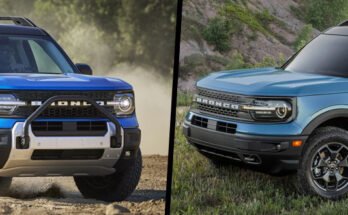
Yes — the Ford Bronco is built and optioned to handle serious off-road driving for most enthusiasts.
I’ve spent years driving and testing off-road rigs, and I’ll walk you through the Bronco’s strengths, weaknesses, and real-world performance so you can decide if the Bronco matches your serious off-road goals. This article breaks down hardware, trim choices, trail behavior, necessary upgrades, maintenance, and practical tips from hands-on experience to give you a clear, trustworthy answer to Is the Ford Bronco good for serious off-road driving?

49% off Today's Exclusive Deals
Limited-time Exclusive Deals. Check current discount on Amazon.
Check Price on Amazon As an Amazon Associate I earn from qualifying purchases.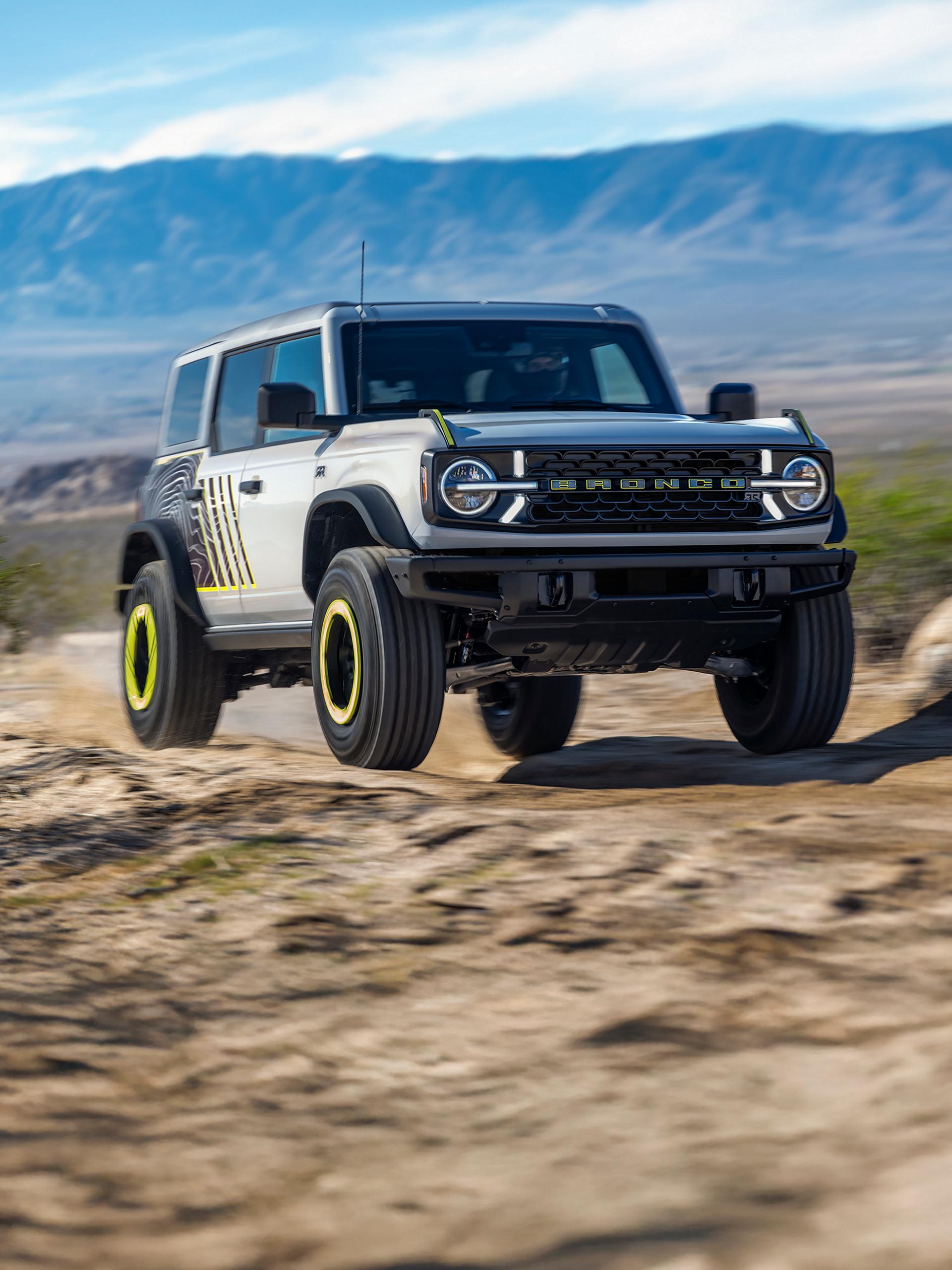
Is the Ford Bronco good for serious off-road driving? Chassis and core hardware
Is the Ford Bronco good for serious off-road driving? Yes — its foundation is purpose-built for rough terrain. The Bronco uses a body-on-frame architecture with solid front and rear axles, which helps with durability and wheel articulation on uneven trails. Factory options like the Sasquatch package and available front and rear locking differentials add real capability that matters on rocks, sand, and mud.
Key off-road hardware and why it matters
49% off Today's Exclusive Deals
Limited-time Exclusive Deals. Check current discount on Amazon.
Check Price on Amazon As an Amazon Associate I earn from qualifying purchases.- Solid axles for predictable articulation and durability when climbing or crawling over obstacles.
- Available locking differentials to force equal torque and keep momentum when one wheel loses traction.
- Disconnecting sway bar technology on certain trims for better wheel travel off-road.
- High ground clearance and short overhangs on purpose-built trims to avoid scraping on obstacles.
These core elements mean that when you ask, Is the Ford Bronco good for serious off-road driving?, the mechanical answer is strong: it has the right bones to tackle demanding trails when properly equipped.
Drive modes, powertrains, and transmissions — real trail tools
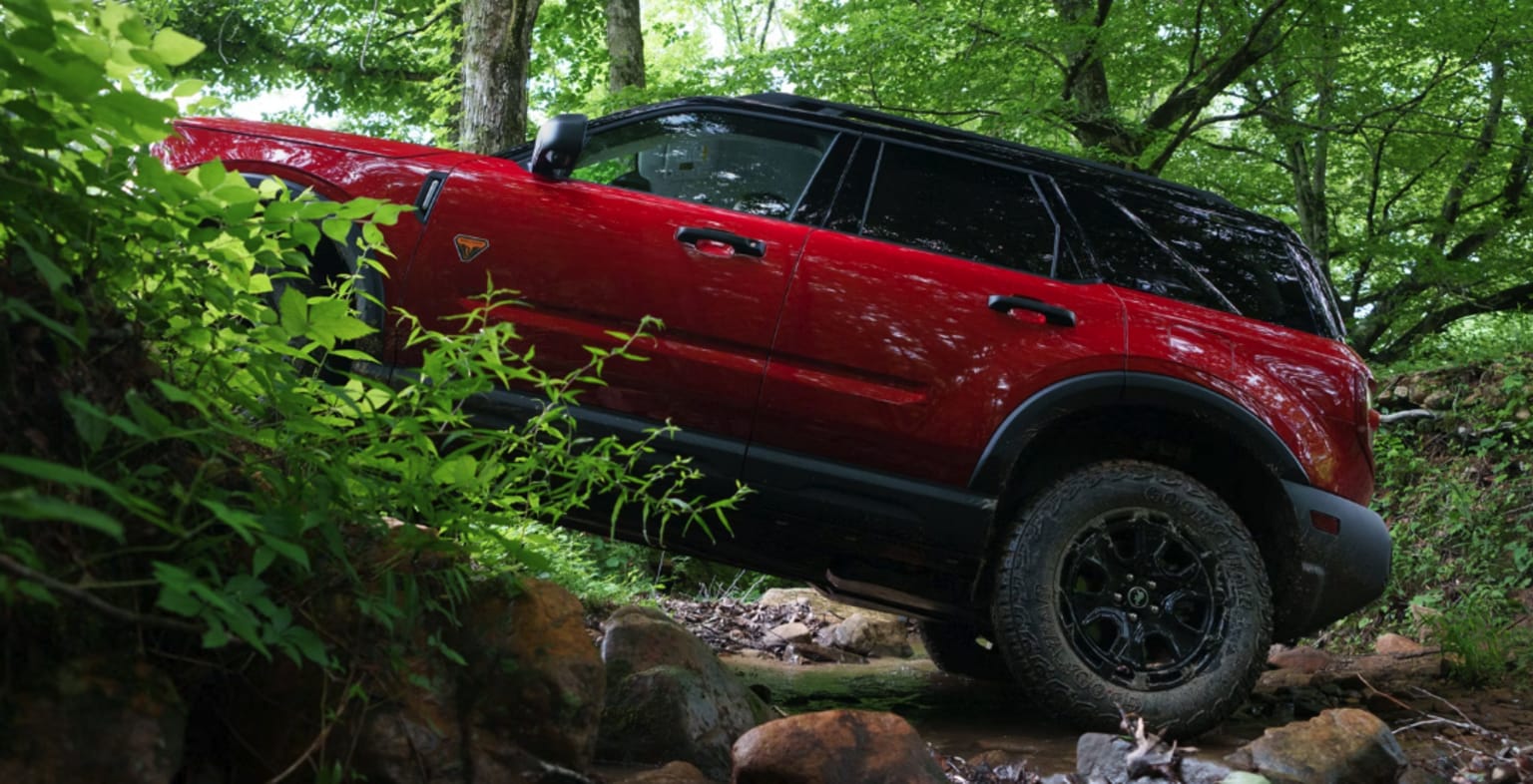
Is the Ford Bronco good for serious off-road driving? Part of the answer comes down to powertrain and control systems. Bronco comes with multiple engine options and both manual and automatic transmissions. The selectable drive modes, low-range transfer case, and crawl-friendly gearing work together to let drivers pick the right setup for rocks, sand, or slippery slopes.
What helps on trail
49% off Today's Exclusive Deals
Limited-time Exclusive Deals. Check current discount on Amazon.
Check Price on Amazon As an Amazon Associate I earn from qualifying purchases.- Selectable terrain modes that adjust traction control, throttle response, and transmission logic.
- Low-range transfer case for controlled low-speed torque on technical sections.
- Manual transmission option for drivers who want precise clutch and rev control while crawling.
- Available high-output engine options on performance trims to maintain momentum in soft surfaces.
Driving tip from experience: using the correct terrain mode and a steady throttle beats aggressive inputs. The Bronco’s electronic aids are tuned to help but learn how to turn them off selectively for advanced maneuvers.

PAA-style question: How does the Bronco compare to classic off-road rivals?
The Bronco competes well against other mid-size off-roaders thanks to its solid axles, locking diffs, and aftermarket support. It’s more modern in electronics and comfort than some rivals while still delivering trail-worthy hardware.
PAA-style question: Can I take a Bronco on rock-crawling trails?
Yes, especially Bronco Badlands or Sasquatch-equipped models. The Bronco’s axle articulation, ground clearance, and locking diffs make rock crawling realistic for experienced drivers.
Trim choices and factory packages that matter
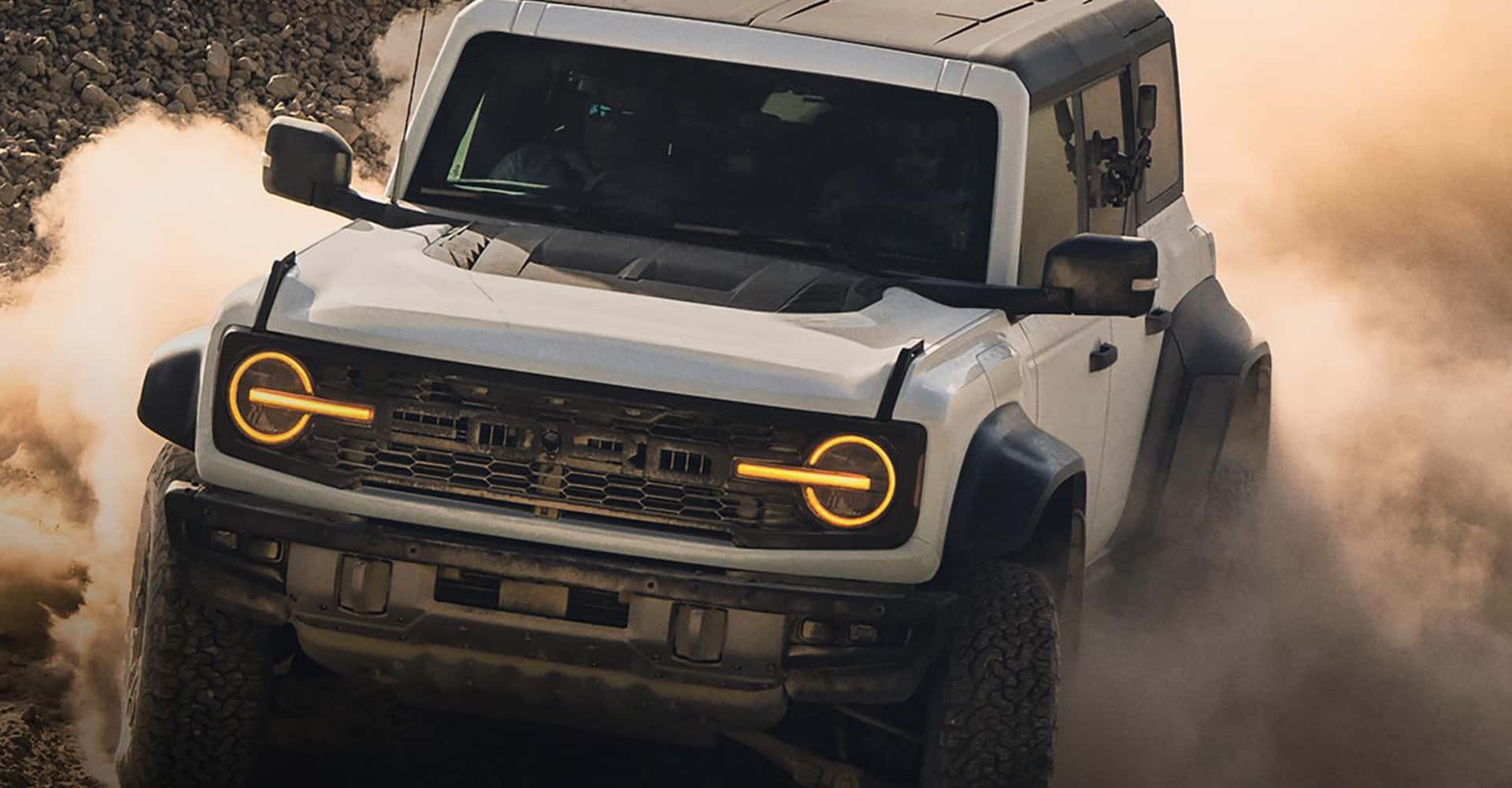
Is the Ford Bronco good for serious off-road driving? The short answer depends on trim and options. Not all Broncos are equal; your choice of package changes capability dramatically. The Sasquatch package and Badlands trim are the core off-road-focused options, while the Raptor and Wildtrak variants push performance further with upgraded suspension and tires.
Important trim and package features
- Sasquatch package: larger off-road tires, beadlock-capable wheels, higher clearance, and heavy-duty shocks.
- Badlands trim: tuned suspension, locking diffs, and off-road tuned electronics for low-speed control.
- Raptor: high-performance suspension, wider track, and more powerful engine for high-speed desert running.
- Tow/Winch readiness: many trims allow easy aftermarket or dealer-installed winches and recovery gear.
Practical advice: choose a trim that matches how you’ll use the truck. If you plan extreme rock work, pick Badlands or add Sasquatch. For dune and desert running, consider Raptor or factory performance upgrades.
Real-world performance: my experience on trails, sand, and mud
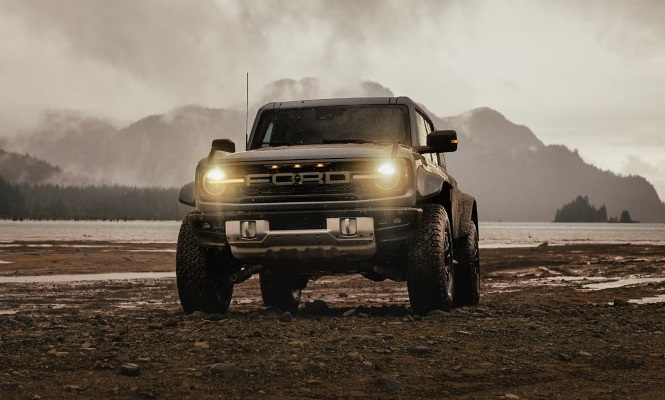
Is the Ford Bronco good for serious off-road driving? I’ve driven Broncos on forest trails, rocky climbs, and coastal dunes. When equipped with a Sasquatch package, the Bronco shrugged off roots and rocks, held traction on loose gravel, and crawled technical sections with confidence. On sand, a V6 or turbo four with the right tire pressure kept momentum without digging in.
What I learned from hands-on use
- Tire choice matters more than many realize; aggressive all-terrain or mud-terrain tires transform capability.
- Suspension tuning and shock choice affect both comfort and control; stock setups are good, but upgraded shocks give a big advantage.
- Approach and departure angles are excellent on off-road trims, reducing the need for lift kits in many situations.
- Electronics help, but driver skill and vehicle prep are the limiting factors on tougher trails.
A practical example: on a steep, wet rock approach, a Badlands Bronco with front and rear lockers climbed cleanly while an otherwise similar vehicle without lockers needed winching. That made a strong impression on how factory lockers change outcomes.

Limitations and when to consider alternatives
Is the Ford Bronco good for serious off-road driving? Yes, but with realistic limits. The Bronco is capable, but it’s not indestructible and isn’t the right tool for every extreme discipline without modification.
Key limitations to know
- Weight and size: heavier than some purpose-built rigs, which can matter in deep mud or narrow trails.
- Roof and door removability trade comfort for exposure; hard use can cause noise and water ingress if not maintained.
- Stock brakes and cooling are fine for most trails but may need upgrades for long, repeated descents or heavy towing.
- Factory protection is good, but hardcore rock crawlers often add skid plates, thicker bumpers, and upgraded armor.
When to consider an alternative
- If your definition of serious off-road driving is competitive rock-crawling or extreme overlanding in remote deserts, plan for aftermarket upgrades or consider a lighter, simpler rig.

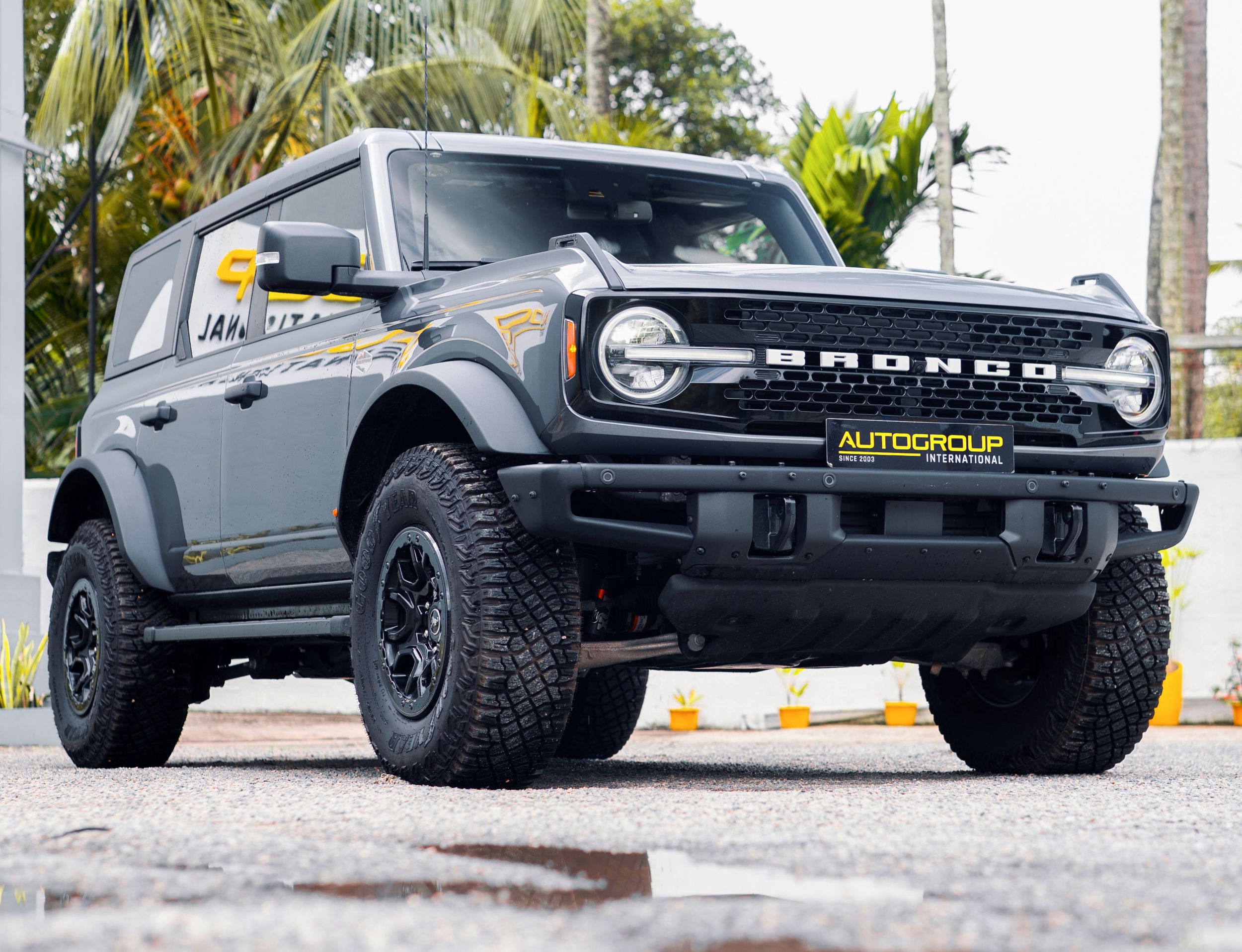
Source: autogroupinternational.com
Upgrades, recovery gear, and maintenance for serious off-road use
Is the Ford Bronco good for serious off-road driving? Absolutely—when you prepare it. A few well-chosen upgrades and the right gear will keep you safe and on the trail.
Recommended upgrades
- Tires: pick all-terrain or mud-terrain tires sized to the wheel and lift you run.
- Armor: skid plates for the transmission, transfer case, and fuel tank.
- Recovery gear: a quality winch, rated recovery straps, and shackles.
- Suspension: upgraded shocks and springs for repeated heavy use and to match added weight from gear.
Maintenance checklist for off-road durability
- Inspect and tighten body mounts, door latches, and roof seals after heavy use.
- Change fluids and inspect seals regularly, especially after water crossings.
- Monitor axle boots, shocks, and suspension bushings for wear and replace early.
From personal experience, a Bronco with the right tires, recovery kit, and a modest lift handles far tougher terrain than stock. Planning and routine checks prevent most common trail failures.

Ownership costs, reliability, and resale for off-road buyers
Is the Ford Bronco good for serious off-road driving? The ownership story matters. Serious off-road use increases wear, so plan for more frequent maintenance than a daily driver.
Cost and reliability considerations
- Tires, brakes, and suspension parts wear faster with frequent off-road use.
- Modified Broncos may have different resale dynamics—well-documented, tasteful builds usually hold value.
- Factory warranty covers many items but not necessarily aftermarket modifications or damage from extreme use.
Trustworthy tip: keep maintenance records and service receipts. That increases resale value and proves sensible ownership to future buyers.
Frequently Asked Questions of Is the Ford Bronco good for serious off-road driving?
Is the Ford Bronco better than a Jeep Wrangler for off-roading?
Both are strong off-road platforms. The Bronco offers modern tech and solid-axle durability while the Wrangler has a long history and vast aftermarket; choice depends on personal preference and intended use.
Which Bronco trim is best for rock crawling?
Badlands with Sasquatch or specially equipped aftermarket rigs are the best starts for rock crawling due to locking diffs, increased clearance, and off-road-tuned suspension.
Can a Bronco handle deep water crossings?
Broncos have good water-fording capabilities with sealed components but always inspect air intakes and electronics; deep or prolonged water crossings require proper preparation.
Do I need a winch for serious off-roading in a Bronco?
A winch is highly recommended if you’ll be in remote or technical terrain. It dramatically increases the chance of self-recovery and reduces reliance on others.
How often should I service an off-road Bronco?
Service more frequently than a pavement-only vehicle—check fluids, seals, and suspension components after every serious outing and perform full service at shorter intervals than factory schedules.
Conclusion
The Ford Bronco is a genuine off-road contender that answers Yes to the question Is the Ford Bronco good for serious off-road driving? when you choose the right trim, add sensible upgrades, and practice proper trail technique. If you buy a Bronco with off-road-focused equipment, maintain it, and invest in recovery gear, it will take you to places many SUVs cannot. Take action: decide what kind of trails you want to run, choose the Bronco trim that fits that vision, and start building a plan for tires, protection, and training — then get out and drive.