A Jeep Wrangler steering problem doesn't always announce itself loudly. Sometimes it's a subtle wander on the highway. Other times, it's a violent shake after hitting a bump.
Our research indicates that steering-related complaints are among the most common issues reported for Wranglers, particularly the JK and JL generations.

49% off Today's Exclusive Deals
Limited-time Exclusive Deals. Check current discount on Amazon.
Check Price on Amazon As an Amazon Associate I earn from qualifying purchases.Per vehicle service specifications, proper front-end caster for a Wrangler JL should be between 5.5 and 7 degrees. Deviating from this range, often after a suspension lift, directly causes poor steering feel and tracking issues. Let's break down exactly what's going on with your rig.
Quick Answer
Wrangler steering problems usually stem from worn or loose front-end parts. The most common culprits are the track bar, ball joints, tie rod ends, and drag link. A steering stabilizer masks symptoms but never fixes the root cause.
Diagnosis requires checking for play and getting a proper alignment reading. Address the worn component, not the vibration itself.
49% off Today's Exclusive Deals
Limited-time Exclusive Deals. Check current discount on Amazon.
Check Price on Amazon As an Amazon Associate I earn from qualifying purchases.First, Know Which Wrangler Steering Problem You're Dealing With
Before touching a wrench, identify the specific symptom. Each points to different failed components.
- Death Wobble: Violent, side-to-side oscillation of the steering wheel and front axle, typically triggered at 55, 65 mph by a road imperfection. It feels uncontrollable but often stops when you slow down. This is an immediate safety hazard.
- Wandering/Drift: The steering wheel requires constant correction to drive straight. The vehicle pulls gently to one side or feels "flighty" in the center. This points to alignment, worn components, or incorrect geometry.
- Steering Wheel Play: Excessive free movement (more than 1, 2 inches) in the steering wheel before the wheels turn. A clunking sound when rocking the wheel at a stop often accompanies this.
- Bump Steer: The vehicle changes direction momentarily when a front wheel hits a bump, but the steering wheel remains relatively still. This is a geometry issue, often worsened by a lift kit.
If you're experiencing any of these, do a visual inspection first. Look for leaking grease boots, rusted fasteners, or obvious movement in the linkage. A helper rocking the wheel while you watch underneath can reveal play instantly.
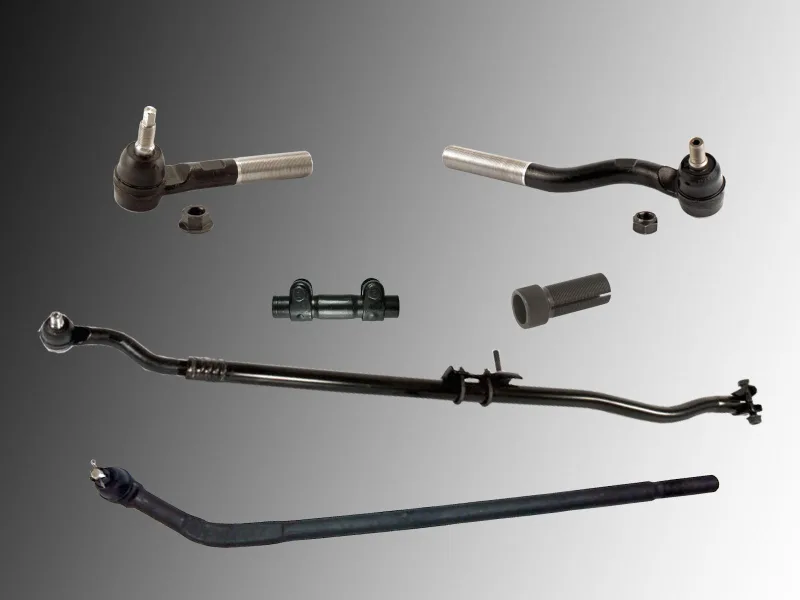
Image source: Bing (Web (fair-use with source credit))
49% off Today's Exclusive Deals
Limited-time Exclusive Deals. Check current discount on Amazon.
Check Price on Amazon As an Amazon Associate I earn from qualifying purchases.The Real Culprits: Steering and Suspension Parts That Cause Trouble
Generic advice often points you straight at the steering stabilizer. That's almost always a band-aid. The stabilizer dampens vibration; it doesn't fix the loose or worn part causing it.
Focusing on the stabilizer alone wastes money and leaves a dangerous problem unsolved.
The actual root causes live in the core steering and suspension links:
- Track Bar (Panhard Bar): This lateral link centers the axle under the frame. A loose bolt, worn bushing, or cracked frame bracket is the single most common cause of death wobble. Verify its tightness first.
- Ball Joints: Worn upper or lower ball joints allow excessive vertical play in the steering knuckle. The classic "grab test" at 12 and 6 o'clock reveals this.
- Tie Rod Ends & Drag Link: These connect your steering gearbox to the wheels. Worn ends create looseness and dead spots. A leaking tie rod end boot is an early warning sign.
- Steering Gearbox (JK Models): The sector shaft can develop internal play, causing slack at the wheel. This is a known issue covered in some technical service bulletins.
- Caster Angle: After installing a lift, if the caster isn't corrected (typically using adjustable control arms or cam bolts), the steering will feel heavy, return to center poorly, and wander.
These parts work as a system. If one component wears out, the others follow quickly because they absorb the extra movement. Replace worn parts in sets where practical.
How to Diagnose Wrangler Steering Issues Without Guessing
Follow this systematic check. You'll need a flashlight and a helper.
- Park on level ground. Ensure wheels are straight ahead.
- Rock the tire (ball joints). Grip the tire at 12 and 6 o'clock. Any noticeable clunk or movement indicates a bad ball joint.
- Rock the tire (tie rods). Grip at 3 and 9 o'clock. Play here points to tie rod ends or the drag link.
- Check the track bar. Have a helper rock the steering wheel slightly while you watch the track bar bolt at the axle and frame brackets. Any movement is a failure.
- Inspect the stabilizer. It should be firm, not leaking, and its bushings intact. Again, this is rarely the cause.
- Get an alignment reading. A professional alignment will give you exact caster and toe measurements. Compare them to your Wrangler's factory specs.
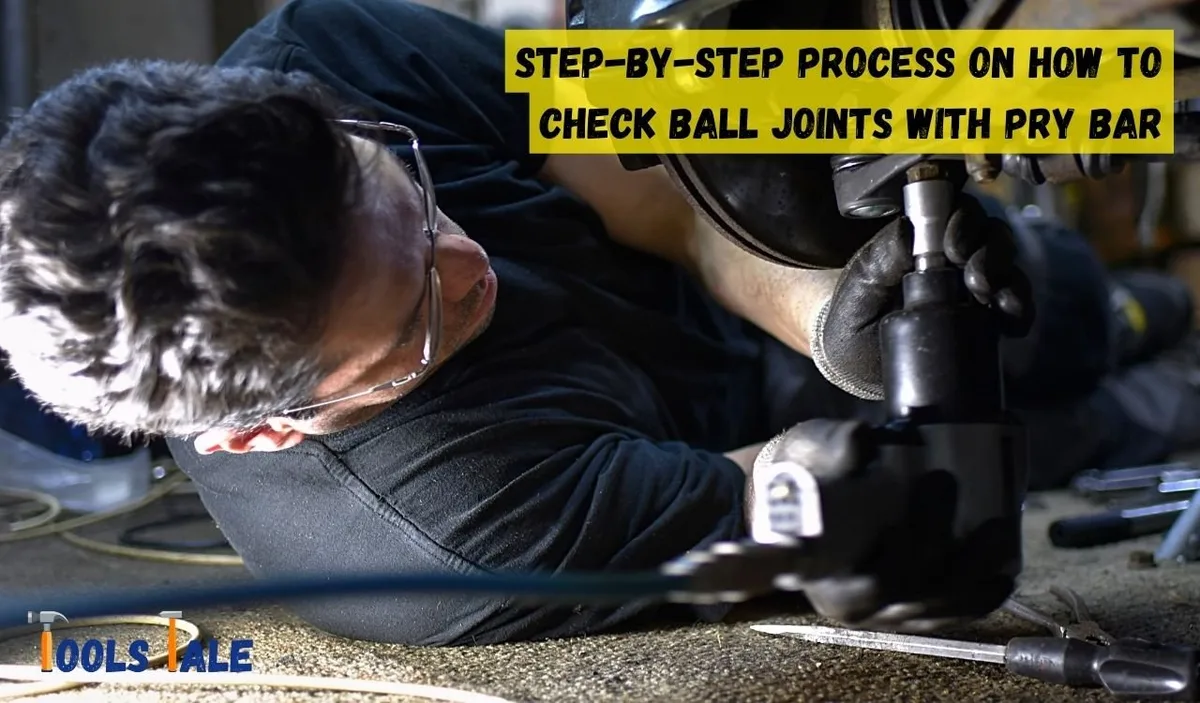
Image source: Bing (Web (fair-use with source credit))
If you find multiple worn parts, replace them all at once. Doing the job twice costs more in labor and alignment fees. A complete front-end kit with ball joints, tie rods, and a drag link often saves money compared to piecemeal repairs.
Fixes That Stick: Proper Adjustments and Replacement Priorities
Once you've identified the worn part, correct it properly.
- Track Bar Replacement: Replace with an OEM or heavy-duty adjustable unit. Torque the frame bolt to 125, 135 ft-lbs and the axle bolt to 135 ft-lbs. Verify the axle is centered.
- Ball Joint & Tie Rod Replacement: Replace as a set if one is worn. Always use a new castle nut and cotter pin. Torque to manufacturer spec.
- Caster Correction: For lifts over 2 inches, install adjustable lower control arms. Aim for 5.5 to 7 degrees of positive caster. This restores on-center steering feel.
- Steering Gearbox: If internal play is confirmed, a rebuild or replacement is needed. Adjusting the sector shaft preload is a precise job for an experienced mechanic.
A proper alignment with correct toe-in (typically 1/8" to 1/4") is mandatory after any front-end work. Without it, tires wear unevenly and steering feel suffers. Most shops charge $70 to $100 for a front-end alignment, which is cheap insurance after major repairs.
Safety First: When a Wrangler Should Not Be Driven
This is a safety-critical system. Do not drive the vehicle if you find:
- A loose track bar bolt. The axle can shift laterally under braking, causing a loss of control.
- Significant play in ball joints or tie rods. Catastrophic failure can lead to a wheel detaching.
- Uncontrollable death wobble. You may not be able to safely change lanes or stop. Slow down immediately and pull over.
Check the NHTSA recall database for your VIN. There have been recalls addressing steering gearbox and track bar issues on certain model years. Our research shows that addressing these issues with proper, quality parts and correct torque values is the only permanent solution.
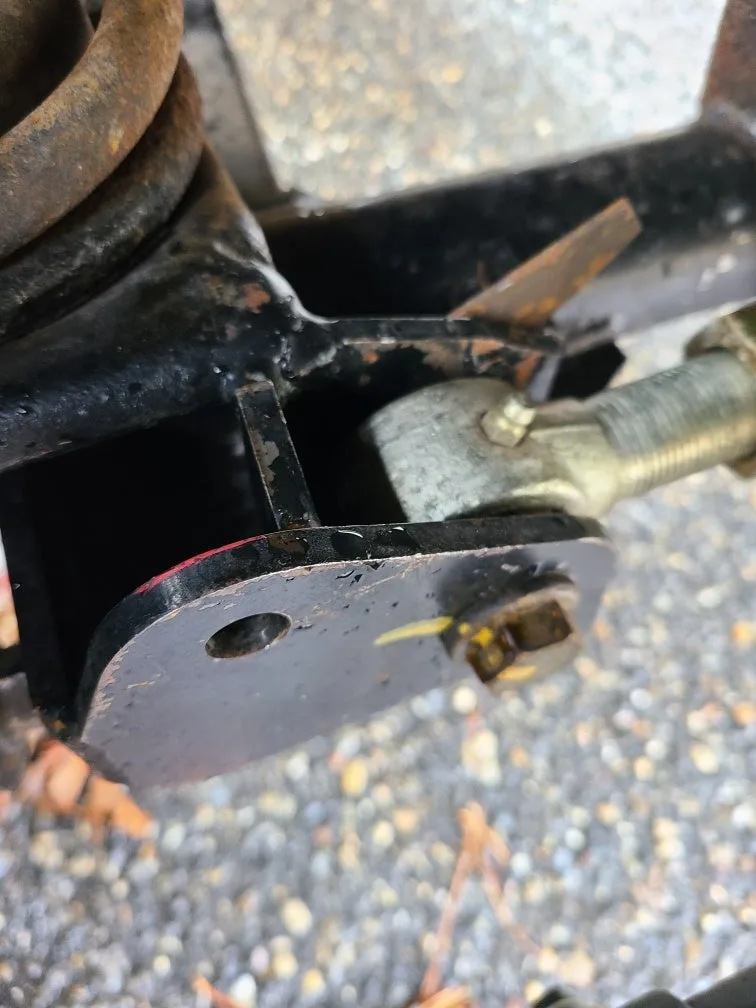
Image source: Bing (Web (fair-use with source credit))
If you're not comfortable performing these inspections yourself, take the Wrangler to a reputable front-end shop. A professional diagnosis costs $50 to $150 but prevents guessing games and wasted parts money.
Long-Term Maintenance: Keeping Your Wrangler's Steering Tight After Repair
Once you've fixed the immediate problem, keep it that way. Wrangler steering components wear faster than those on most vehicles. The solid front axle takes constant abuse from road impacts and off-road loads.
Our research shows that regular greasing is the simplest way to extend component life. Tie rod ends, drag links, and ball joints with grease fittings need attention every 3,000 to 5,000 miles. A cheap grease gun beats replacing a full steering kit.
Re-torque critical fasteners after any lift installation or major repair. Track bar bolts, control arm bolts, and steering linkage nuts work loose as bushings settle. Check them at 500 miles, then again at 1,500 miles.
Torque specs are non-negotiable. Under-tightened bolts cause play. Over-tightened bolts strip threads or snap.
Watch for early warning signs. A popping sound during low-speed turns suggests a worn tie rod or ball joint. A slight shimmy at 65 mph often precedes full death wobble.
Catching wear early saves you from a dangerous highway failure.
Finally, get a front-end alignment after any component replacement. Proper toe and caster settings prevent premature tire wear and keep steering feel sharp. Skip this step, and you'll chase steering problems for months.
A $70 alignment beats a $300 pair of tires any day.
Frequently Asked Questions
What causes death wobble on a Jeep Wrangler?
Death wobble is almost always caused by a loose or worn track bar, ball joint, tie rod, or drag link. The steering stabilizer only masks the vibration. Worn components allow the front axle to oscillate violently at speed.
Replace the loose part, not the stabilizer.
Can a steering stabilizer fix death wobble?
No. A steering stabilizer dampens movement but doesn't correct worn mechanical parts. It's a band-aid.
If a stabilizer temporarily reduces wobble, the underlying joint wear remains. The wobble will return as the component fails further. Fix the actual worn component first.
Do lift kits cause steering problems?
Lift kits change the suspension geometry. Caster angle becomes less positive, causing wandering and poor return to center. Track bar angles also change, altering axle position.
Adjustable control arms or cam bolts correct caster. A track bar bracket re-centers the axle. Uncorrected geometry causes persistent steering issues.
How much does it cost to fix Wrangler steering problems?
Costs vary widely by component. A track bar replacement runs $150 to $400 including labor. Ball joints cost $300 to $600 for parts and installation.
A steering gearbox replacement can reach $800 to $1,200. Always get a proper diagnosis first to avoid unnecessary parts spending.
What is the best steering upgrade for a lifted Wrangler?
For lifts over 3 inches, heavy-duty tie rods and a steering gearbox brace are popular upgrades. These reduce flex and play in the steering system. For daily drivers, a quality OEM-style steering stabilizer is sufficient.
For off-road use, consider a sector shaft brace to support the gearbox.