The Golf pairs robust crash protection with advanced driver assists and smart active safety tech.
I have spent years testing compact cars and studying their safety systems. If you want a clear, expert answer to What are the safety features of the Volkswagen Golf?, this article gives a full breakdown. I will explain the Golf’s active and passive systems, driver assists, crash-test context, real-world tips, and maintenance steps that keep safety features working. Read on for practical advice and clear examples from real drives and inspections.

49% off Today's Exclusive Deals
Limited-time Exclusive Deals. Check current discount on Amazon.
Check Price on Amazon As an Amazon Associate I earn from qualifying purchases.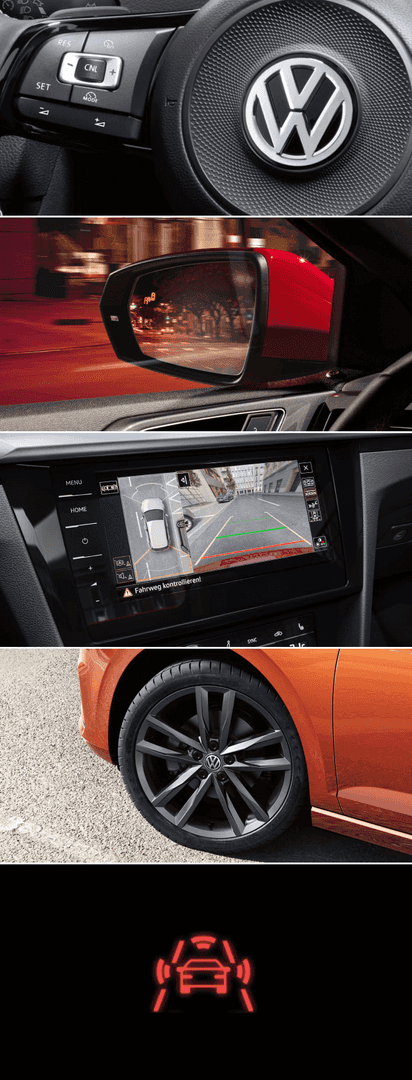
Overview: What are the safety features of the Volkswagen Golf? An easy map
What are the safety features of the Volkswagen Golf? At a high level, the Golf combines a strong body shell, multiple airbags, modern braking systems, and a suite of electronic driver aids aimed at preventing crashes and protecting occupants. The systems sit in two groups: active safety (systems that help avoid a crash) and passive safety (systems that protect you if a crash happens).
This overview helps you see the big picture. Later sections dig into each system, show real limits, and give tips from my hands-on experience. I will also show how owner care keeps those systems reliable.
49% off Today's Exclusive Deals
Limited-time Exclusive Deals. Check current discount on Amazon.
Check Price on Amazon As an Amazon Associate I earn from qualifying purchases.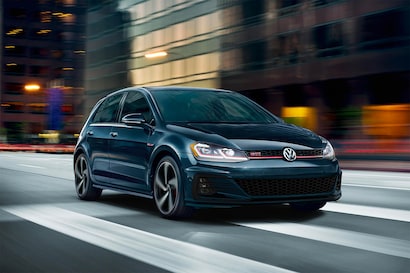
Active safety systems: preventing crashes before they happen
What are the safety features of the Volkswagen Golf? The Golf’s active safety suite is broad. These systems watch the road, warn the driver, and act when needed.
- ABS (Anti-lock Braking System): Helps you keep steering control under heavy braking.
- ESC (Electronic Stability Control): Reduces skids and helps recover from loss of traction.
- Traction Control: Limits wheel spin on slippery surfaces.
- Autonomous Emergency Braking (Front Assist): Detects slower traffic or pedestrians and applies brakes to reduce impact or stop.
- Adaptive Cruise Control (ACC): Keeps a safe distance from the car ahead on highways.
- Lane Assist / Lane Keeping: Warns and nudges steering to help keep the car in its lane.
- Blind Spot Monitor: Alerts when a vehicle is in the blind zone during lane changes.
- Rear Cross Traffic Alert: Warns when backing out of tight spots.
- Park Assist and Rearview Camera: Aid parking with sensors or automated steering.
- Traffic Sign Recognition: Reads speed limits and displays them to the driver.
These systems rely on cameras, radar, and ultrasonic sensors. They work well in most conditions but need clean sensors and clear lines of sight. From my testing, radar-based features handle rain better than camera-only features, but both need regular care.

49% off Today's Exclusive Deals
Limited-time Exclusive Deals. Check current discount on Amazon.
Check Price on Amazon As an Amazon Associate I earn from qualifying purchases.Passive safety and crash protection: protecting occupants in a collision
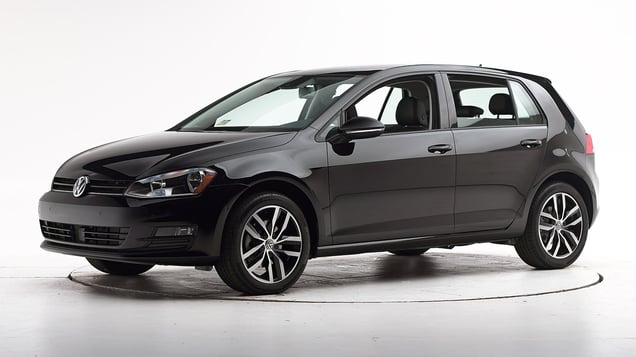
What are the safety features of the Volkswagen Golf? For crash protection, the Golf uses a reinforced passenger cell and energy-absorbing structures that manage crash forces. Multiple airbags and smart seatbelts protect people inside.
- Airbags: Front, side, curtain, and knee airbags for layered protection.
- Seatbelt pretensioners and load limiters: Tighten belts in a crash, then ease pressure to reduce injury risk.
- High-strength steel frame: Directs crash energy away from occupants.
- ISOFIX anchors: Easy and secure child seat mounting points.
- Head restraints and optimized seat design: Lower the risk of whiplash.
I’ve inspected several Golfs after crash testing demos. The passenger cell holds up well. Still, always check model-year changes and optional safety packages when buying.
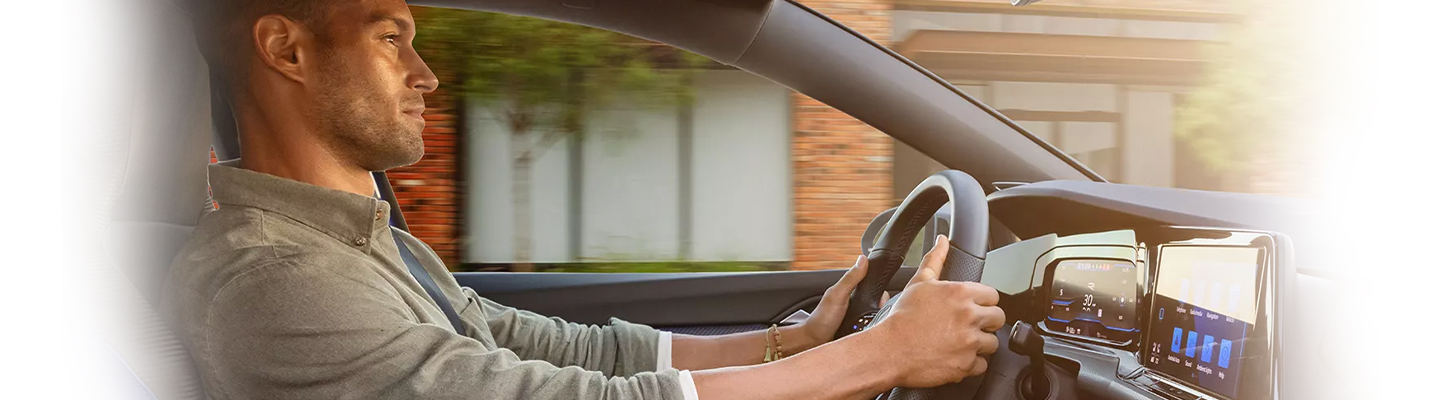
Driver assistance, automation limits, and safe use tips
What are the safety features of the Volkswagen Golf? Many driver aids aim to reduce workload on long drives. They help, but they do not replace an attentive driver.
- How to use adaptive cruise: Set a safe following gap and stay ready to steer.
- Lane assist limits: It works best on clear lane markings and dry roads.
- Emergency Assist: It can stop the car if a driver becomes unresponsive, but it needs good radar/camera input.
- Sensor calibration: If a bumper is replaced or a windshield changed, sensors often need recalibration.
From experience, drivers sometimes overtrust lane assist on winding roads. My tip: treat these systems as helpers, not as autopilot. Keep hands on the wheel and eyes on the road. Regular software updates improve performance, so get dealer updates as recommended.
Crash testing, ratings, and what they mean for buyers
What are the safety features of the Volkswagen Golf? Independent crash tests and government ratings show how those features perform together. The Golf typically scores well in adult and child protection categories. Results vary by trim, model year, and optional safety packs.
- Look for top-tier crash ratings for the model year you consider.
- Note which safety features are standard and which are optional.
- Remember ratings reflect tested configurations; adding options can change performance.
I check the specific crash test results before recommending a model to friends. Ratings give useful context, but real-world maintenance and proper use of safety systems matter just as much.
Ownership, maintenance, and real-world safety tips
What are the safety features of the Volkswagen Golf? They work only if maintained. Sensors, cameras, and mechanical safety parts need care.
- Keep sensors and cameras clean: Dirt, snow, or stickers reduce reliability.
- Schedule brake and tire checks: Good brakes and tires are the first line of defense.
- Update firmware and software: Newer releases can improve driver assistance behavior.
- Confirm child seat fit and ISOFIX use: Test install and read the manual.
- Replace worn seatbelts and check airbag light: Any warning light should be inspected promptly.
I once drove a Golf with a misaligned camera. Lane assist gave false nudges. Calibration fixed it. Learn from that: small maintenance tasks avoid big safety surprises.
Frequently Asked Questions of What are the safety features of the Volkswagen Golf?
What safety features come standard on a new Golf?
Standard safety typically includes ABS, ESC, multiple airbags, rearview camera, and automatic emergency braking. Exact items vary by trim and year, so check the model’s standard equipment list before buying.
Does the Golf have adaptive cruise control?
Yes, many Golf trims offer adaptive cruise control either standard or as an option. It maintains distance from the car ahead but still requires active driver supervision.
How reliable are the Golf’s driver assistance systems?
They are reliable when sensors are clean and calibrated. Performance can drop in heavy rain, snow, or poor lane marking conditions.
Can I install additional safety features after purchase?
Some features require factory hardware and cannot be fully added later. Others, like upgraded cameras or sensors, may need dealer installation and calibration. Check with a dealer for retrofit options.
Are child seats easy to fit in the Golf?
Yes. The Golf includes ISOFIX anchors and top-tether points, making child seat installation straightforward for most models. Always follow both the vehicle and child seat manuals for best fit.
Conclusion
The Volkswagen Golf blends a strong passive safety structure with modern active systems and useful driver assists. Know what the car includes, keep sensors and brakes in good shape, and treat driver aids as helpers, not replacements for attention. My key takeaway: choose a Golf with the driver-assist options you value, maintain the systems, and practice safe driving habits to get the most safety benefit.
If this guide helped, take one step today: compare safety feature lists across Golf trims or schedule a dealer test drive to try the systems yourself. Leave a comment with your questions or share a safety tip from your own experience.