Most Toyota Yaris models use 0W-20 full synthetic oil; always check your owner’s manual.
I’ve worked on small Toyotas for years, and I’ll walk you through exactly what type of oil does the Toyota Yaris use, why it matters, and how to choose the right oil for your model and climate. This guide blends manufacturer guidance, hands-on tips, and simple steps you can use today to keep your Yaris running smoothly.

49% off Today's Exclusive Deals
Limited-time Exclusive Deals. Check current discount on Amazon.
Check Price on Amazon As an Amazon Associate I earn from qualifying purchases.
What type of oil does the Toyota Yaris use? — Overview
The short, practical answer: most modern Toyota Yaris engines call for 0W-20 full synthetic oil. That oil grade balances fuel economy, cold-start protection, and engine wear for Toyota’s small engines.
Why this matters: using the right oil improves engine life, protects components, and preserves fuel economy. I’ll cover model-year differences, viscosity choices, oil specs, and real-world tips to help you choose the best oil for your Yaris.
49% off Today's Exclusive Deals
Limited-time Exclusive Deals. Check current discount on Amazon.
Check Price on Amazon As an Amazon Associate I earn from qualifying purchases.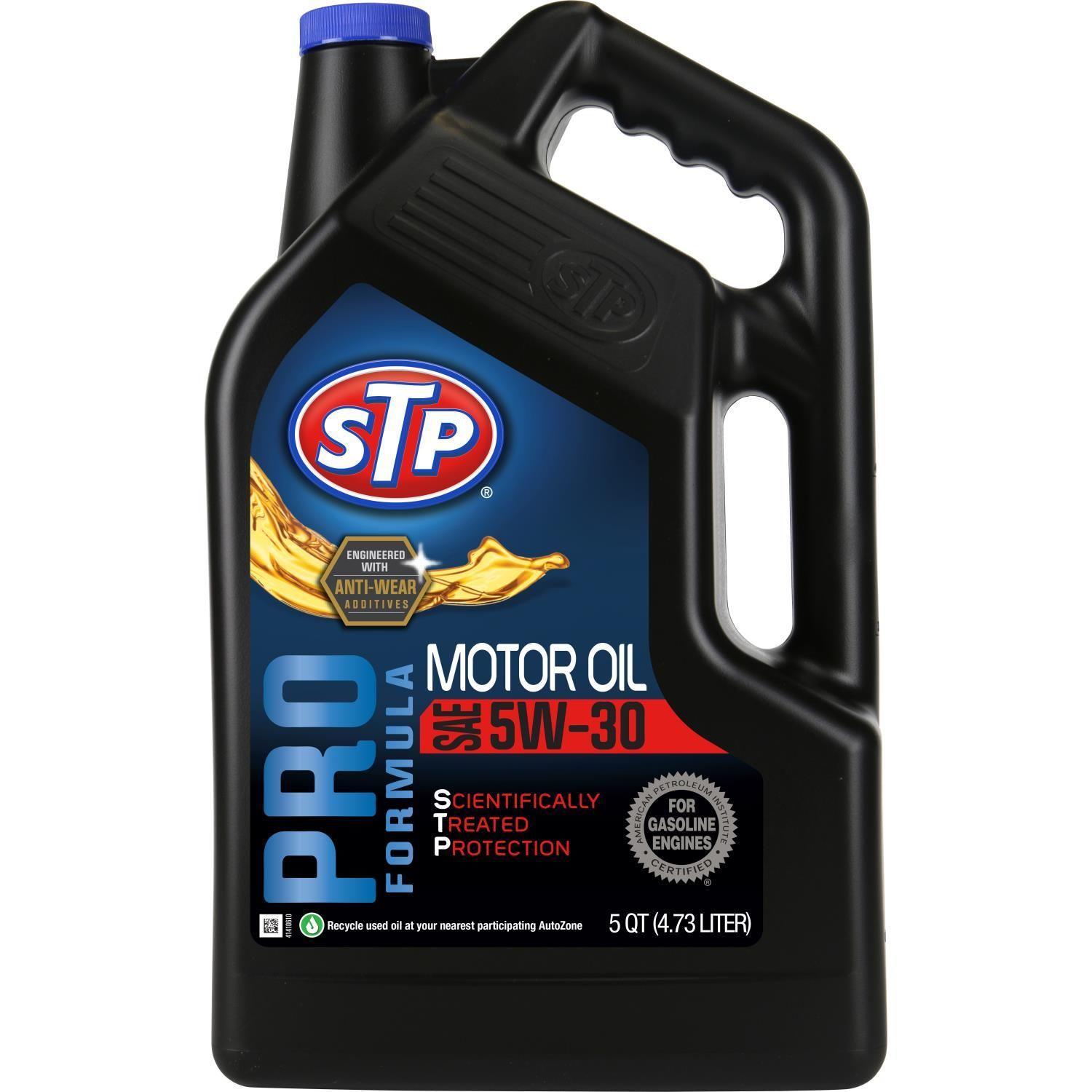
Recommended oil types by model year and engine
Toyota has changed recommendations over time. Always check your owner’s manual first. Typical guidance by era:
- 2010 and earlier models
- Many earlier Yaris models often used 5W-30 or 10W-30, sometimes conventional oil.
- 2011–present compact models
- Most newer Yaris models from about 2012 onward recommend 0W-20 full synthetic for optimal performance.
- High-mileage or older engines
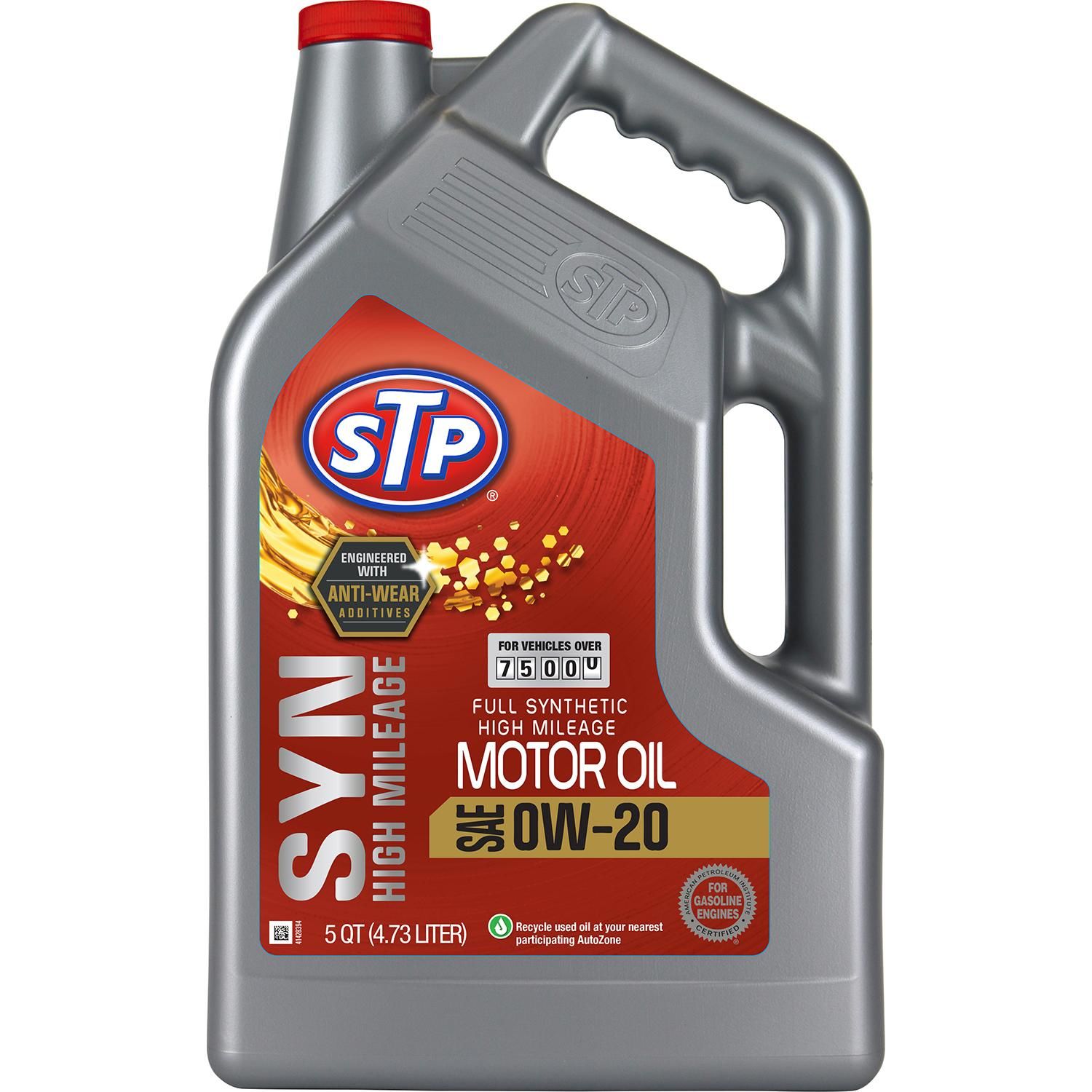
- For engines with high mileage, a synthetic blend or high-mileage oil can help reduce leaks and oil consumption.
If you own a Yaris Hybrid or a region-specific variant, confirm the spec in the manual. When asked "What type of oil does the Toyota Yaris use?" the exact answer depends on engine code and year, but 0W-20 is the most common spec for recent models.

49% off Today's Exclusive Deals
Limited-time Exclusive Deals. Check current discount on Amazon.
Check Price on Amazon As an Amazon Associate I earn from qualifying purchases.Viscosity grades explained: 0W-20, 5W-30, and more
Viscosity numbers tell how oil flows at low and high temperatures. Short, clear points:
- 0W-20
- Flows well in cold starts. Good for fuel economy. Common for modern Yaris engines.
- 5W-30
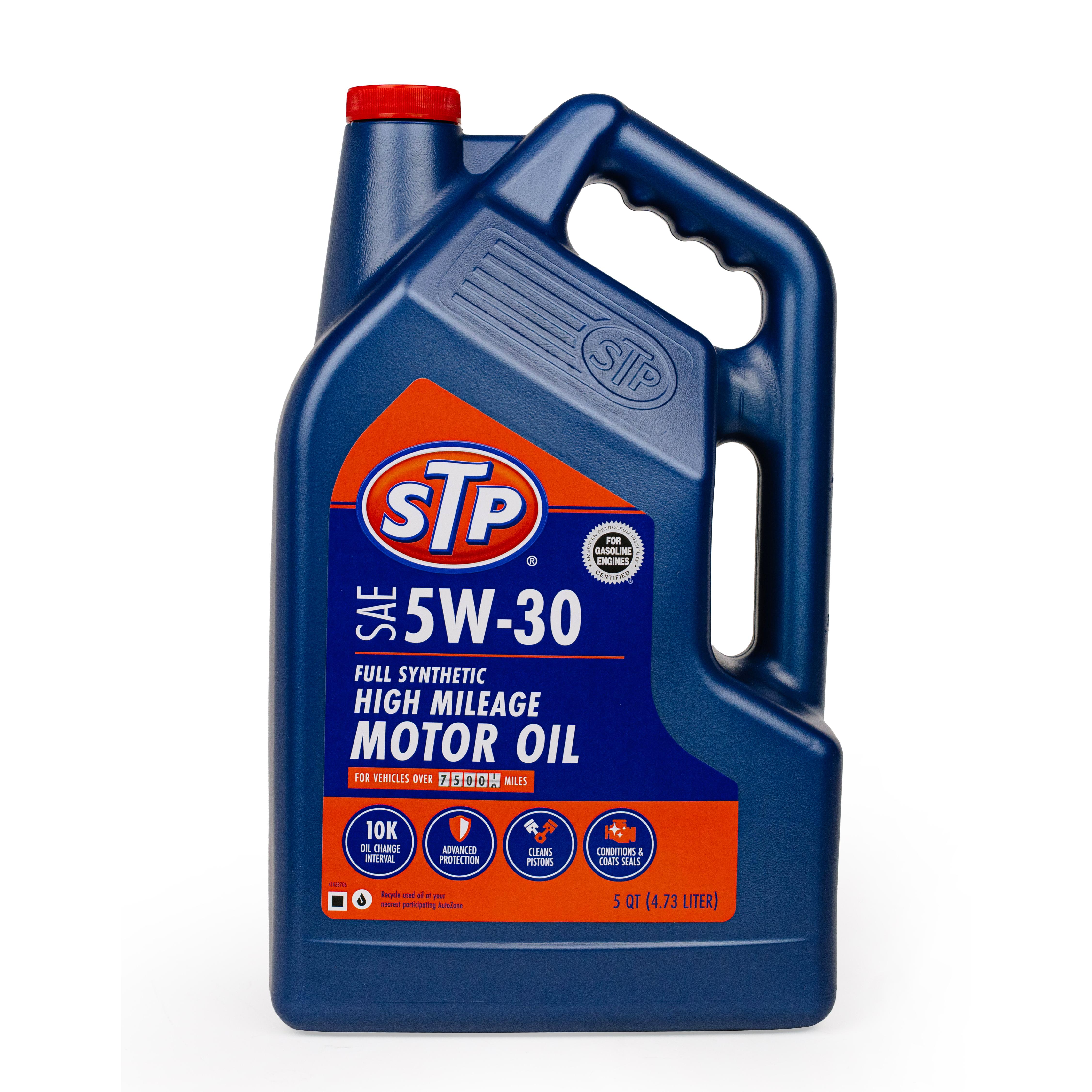
- Thicker at high temps. Sometimes used in older Yaris engines or warmer climates.
- 10W-30 and others
- Rare for modern Toyotas, but seen in older or high-mileage cars.
Choosing the wrong viscosity can hurt fuel economy or engine protection. If you’re asking "What type of oil does the Toyota Yaris use?" think first about model year, local climate, and whether the engine has high miles.
Synthetic vs conventional: which to pick?
Short answer: choose full synthetic when possible.
Benefits of synthetic oil:
- Better flow at low temps for quick engine protection.
- Stronger shear stability at high temps.
- Longer oil-change intervals when recommended.
Conventional oil is cheaper but breaks down faster. For most Yaris owners, full synthetic 0W-20 is the smart pick for daily driving and long-term care.

Oil specifications and certifications to look for
When choosing oil, look beyond the viscosity. Key specs:
- API rating: API SN or newer is good. Look for current API standards.
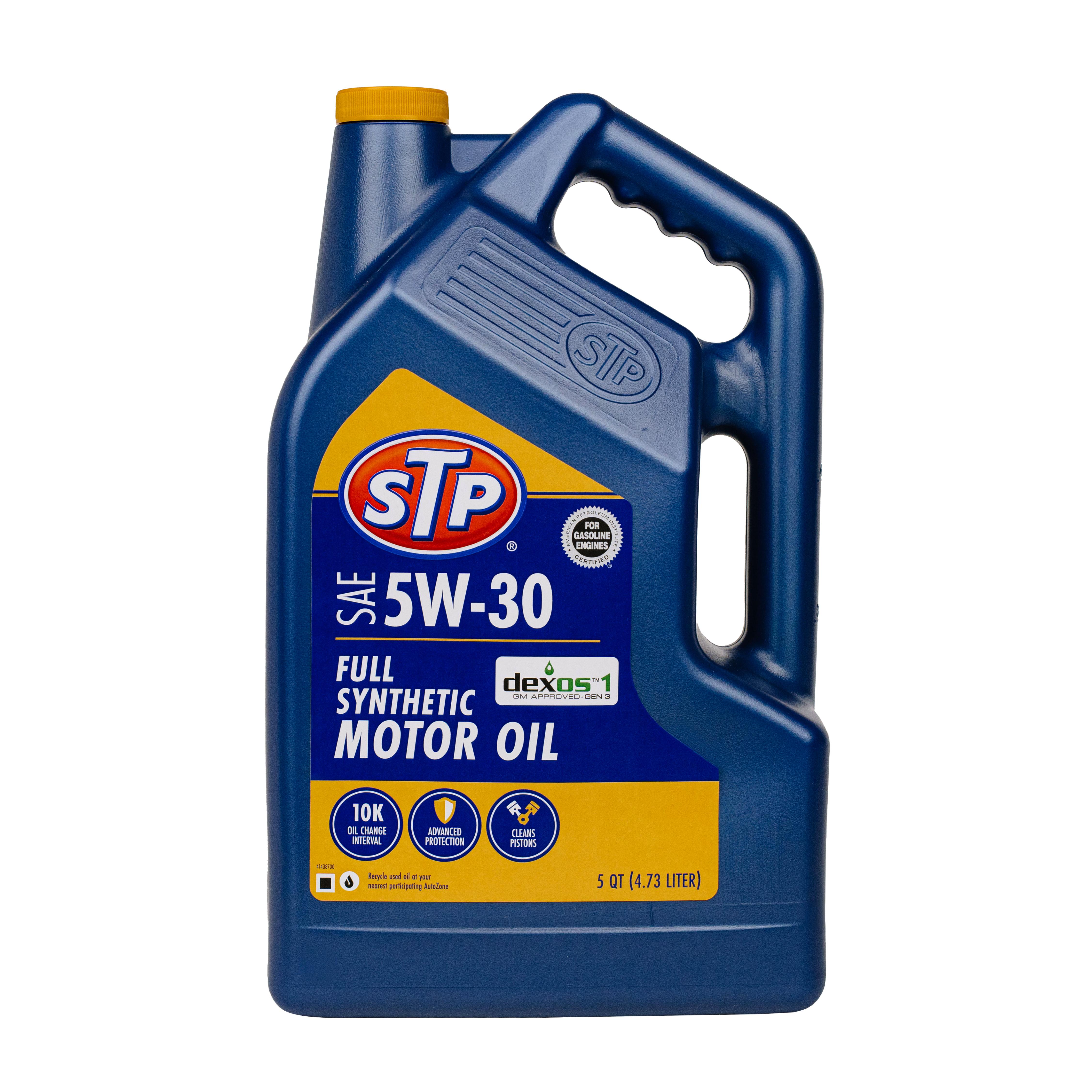
- ILSAC GF-5 or GF-6: helps with fuel economy and emission-system protection.
- Manufacturer approvals: Toyota may list specific oil approvals in the manual.
Match both the viscosity and specs. If you’re still asking "What type of oil does the Toyota Yaris use?" make sure the oil meets Toyota’s recommended spec and current API/ILSAC standards.
How to choose oil for your climate and driving style
Think about temperature and driving habits. Quick guide:
- Cold climates
- 0W-20 synthetic helps with cold starts and faster oil flow.
- Hot climates
- 0W-20 still works for many newer engines, but older engines may use 5W-30 per manual.
- Heavy or towing use
- Use the grade recommended in the manual; consider more frequent changes.
From my experience changing oil in cold winters, 0W-20 noticeably reduced warm-up roughness and improved immediate oil pressure. It’s a small change that pays off.

Oil change intervals, checking level, and maintenance tips
Follow the owner’s manual for intervals. General tips:
- Typical interval
- Many manufacturers suggest 5,000–10,000 miles for synthetic, or follow Toyota’s guidance.
- Check oil monthly
- Park on level ground and use the dipstick.
- Change the filter each oil change
- A new filter prevents contaminants from circulating.
Practical tip from my garage: always reset the maintenance reminder after changing oil. Keep a simple log with date, miles, and oil grade used.
Common mistakes and how to avoid them
Avoid these pitfalls:
- Using the wrong viscosity
- Don’t substitute 10W-30 for 0W-20 without checking the manual.
- Ignoring specs
- API or ILSAC mismatches can harm emissions systems.
- Skipping the filter
- Dirty filters reduce oil flow and protection.
If you’re unsure, bring the oil cap or dipstick photo to a shop. They’ll confirm which oil is best.
PAA-style quick questions (answers in one sentence)
- Can I use 5W-30 instead of 0W-20 in my Yaris?
- Only if the owner’s manual permits it; otherwise stick with 0W-20 for modern models.
- Does synthetic oil harm the Yaris engine?
- No, synthetic protects better and is recommended for most recent Yaris engines.
- Will changing to the wrong oil void warranty?
- Using oil outside Toyota’s specs could affect warranty coverage for related failures.
Frequently Asked Questions of What type of oil does the Toyota Yaris use?
What type of oil does the Toyota Yaris use for recent models?
Most recent Toyota Yaris models recommend 0W-20 full synthetic oil to balance fuel economy and engine protection.
Can I use conventional oil in a Toyota Yaris?
You can use conventional oil in older Yaris engines if the manual allows, but full synthetic is preferred for modern models.
How often should I change oil in a Toyota Yaris?
Follow your owner’s manual; typical synthetic oil intervals range from 5,000 to 10,000 miles depending on driving conditions and model year.
Is 5W-30 acceptable for some Yaris engines?
Some older or high-mileage Yaris engines may accept 5W-30 per the manual, but newer engines commonly require 0W-20.
What oil specs should I look for when buying oil for a Yaris?
Look for API SN or newer and ILSAC GF-5/GF-6 ratings, and ensure the oil meets Toyota’s recommended viscosity and approvals.
Conclusion
Choosing the right oil protects your engine and saves money over time. For most Toyota Yaris models, 0W-20 full synthetic is the safe, effective choice, but always confirm with your owner’s manual and consider climate and mileage. Take action today: check your manual, inspect your oil, and schedule your next oil change with the correct oil grade to keep your Yaris running reliably. If this helped, leave a comment with your model year or sign up for more car-care tips.