Range Rover safety features include advanced driver assists, strong structure, airbags, and terrain-aware systems.
As someone who has spent years reviewing and testing premium SUVs, I know what makes a Range Rover safe and why buyers trust it. This article breaks down what are the safety features in a Range Rover in clear terms, shows how they work, and offers practical tips from real-world use so you can choose and use these features with confidence.

49% off Today's Exclusive Deals
Limited-time Exclusive Deals. Check current discount on Amazon.
Check Price on Amazon As an Amazon Associate I earn from qualifying purchases.
Overview: What are the safety features in a Range Rover?
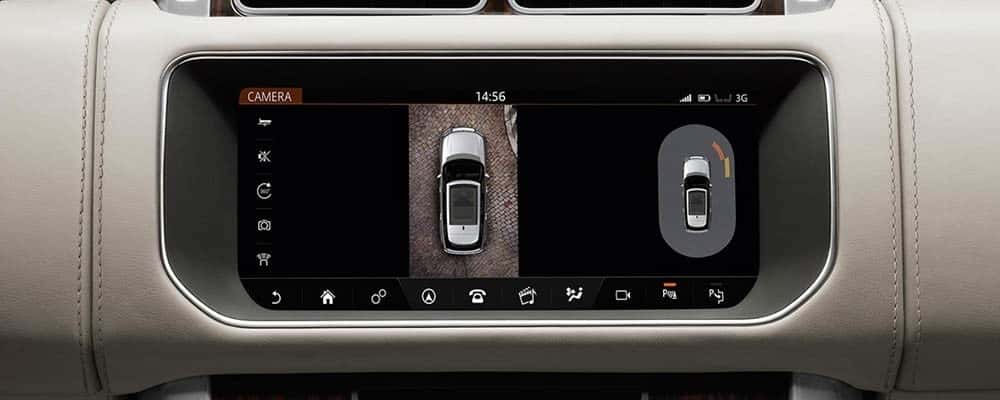
Range Rover models combine passive protection and active driver aids. They use strong body structure, multiple airbags, stability systems, and smart driver-assistance tech. The list below summarizes the main categories so you know what to expect.
49% off Today's Exclusive Deals
Limited-time Exclusive Deals. Check current discount on Amazon.
Check Price on Amazon As an Amazon Associate I earn from qualifying purchases.Passive safety: structure and occupant protection
Passive safety is what protects you in a crash. Range Rover uses a rigid body shell and tailored crash zones to absorb impact energy. Multiple airbags protect the driver and passengers, including front, side, curtain, and knee airbags. Seatbelt pre-tensioners and load limiters help keep occupants correctly restrained in sudden stops. These systems work together to reduce injury risk during collisions.

Active safety: systems that help avoid a crash
Active safety systems help prevent accidents before they happen. Range Rover offers features such as:
- Electronic stability control to keep the car tracking in steep turns.
- Traction control to handle slippery surfaces.
- Anti-lock braking system (ABS) for controlled stops.
- Advanced braking aids that shorten stopping distance in emergencies.
Many of these systems are tuned for both on-road and off-road use, which helps maintain control in a wider set of conditions. Knowing what are the safety features in a Range Rover means understanding that these systems constantly monitor speed, wheel slip, and steering input to act when needed.
49% off Today's Exclusive Deals
Limited-time Exclusive Deals. Check current discount on Amazon.
Check Price on Amazon As an Amazon Associate I earn from qualifying purchases.
Driver assistance and ADAS technologies
Modern Range Rovers include a suite of advanced driver-assistance systems. These features reduce driver workload and respond to hazards:
- Adaptive cruise control with stop-and-go capability to maintain safe following distance.
- Lane keeping assist and lane departure warning to nudge you back into lane.
- Blind-spot monitoring with alerts for vehicles approaching from the side.
- Traffic sign recognition to display speed limits and warnings.
- Driver condition monitoring that detects drowsiness and prompts rest.
Driver assistance is a core part of answering what are the safety features in a Range Rover. These systems are designed to assist, not replace, the driver. Always remain attentive when using ADAS.
Off-road safety: terrain response and hill controls
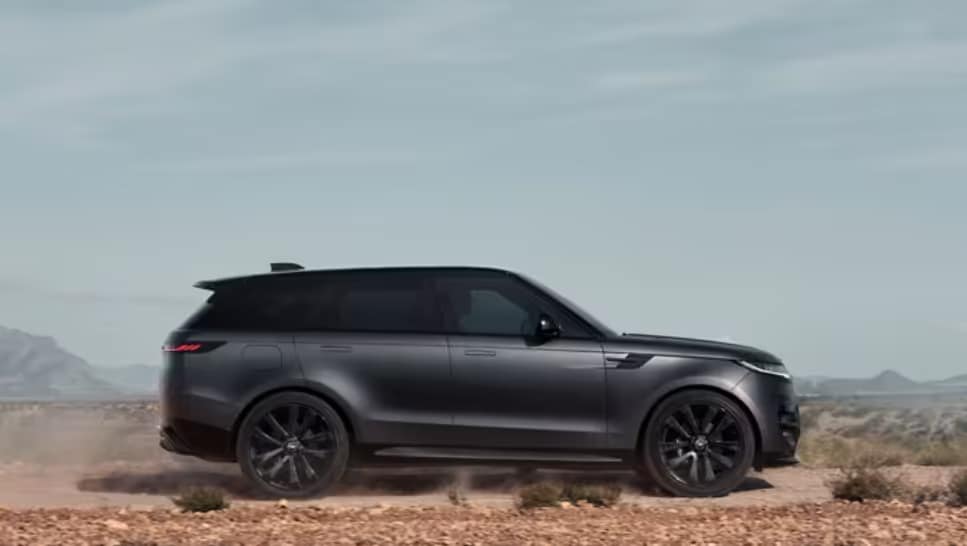
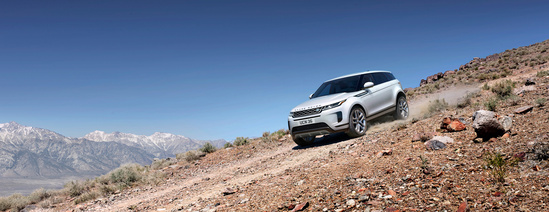
Range Rover safety extends to rough terrain. Key off-road safety features include:
- Terrain Response system to optimize engine, transmission, and traction settings for each surface.
- Hill Descent Control to maintain steady, slow descent on steep slopes.
- Wade sensing and water detection for safe water crossings.
- All-wheel-drive torque distribution for grip on uneven ground.
If you often drive off-road, these systems add a real layer of safety. They let you focus on steering while the vehicle manages traction and braking. This is an important part of what are the safety features in a Range Rover for adventurous drivers.
Child, pet, and cargo safety
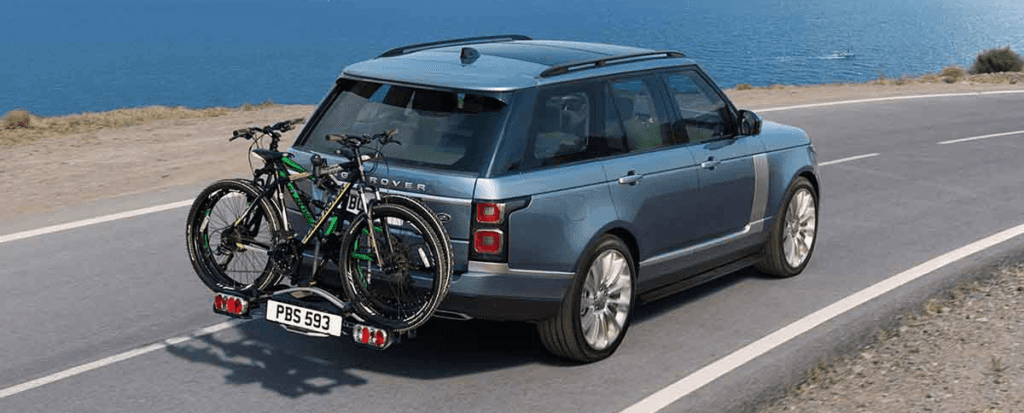
Protecting non-adult passengers and cargo matters. Range Rover includes:
- ISOFIX anchor points for secure child-seat installation.
- Rear door child locks for added safety.
- Load-space tie-downs and secure storage options to prevent loose items from moving in a crash.
Practical tip from experience: always secure heavy items in the trunk and double-check child-seat installation at every trip. These small checks improve safety more than many drivers expect.
How sensors and software work together
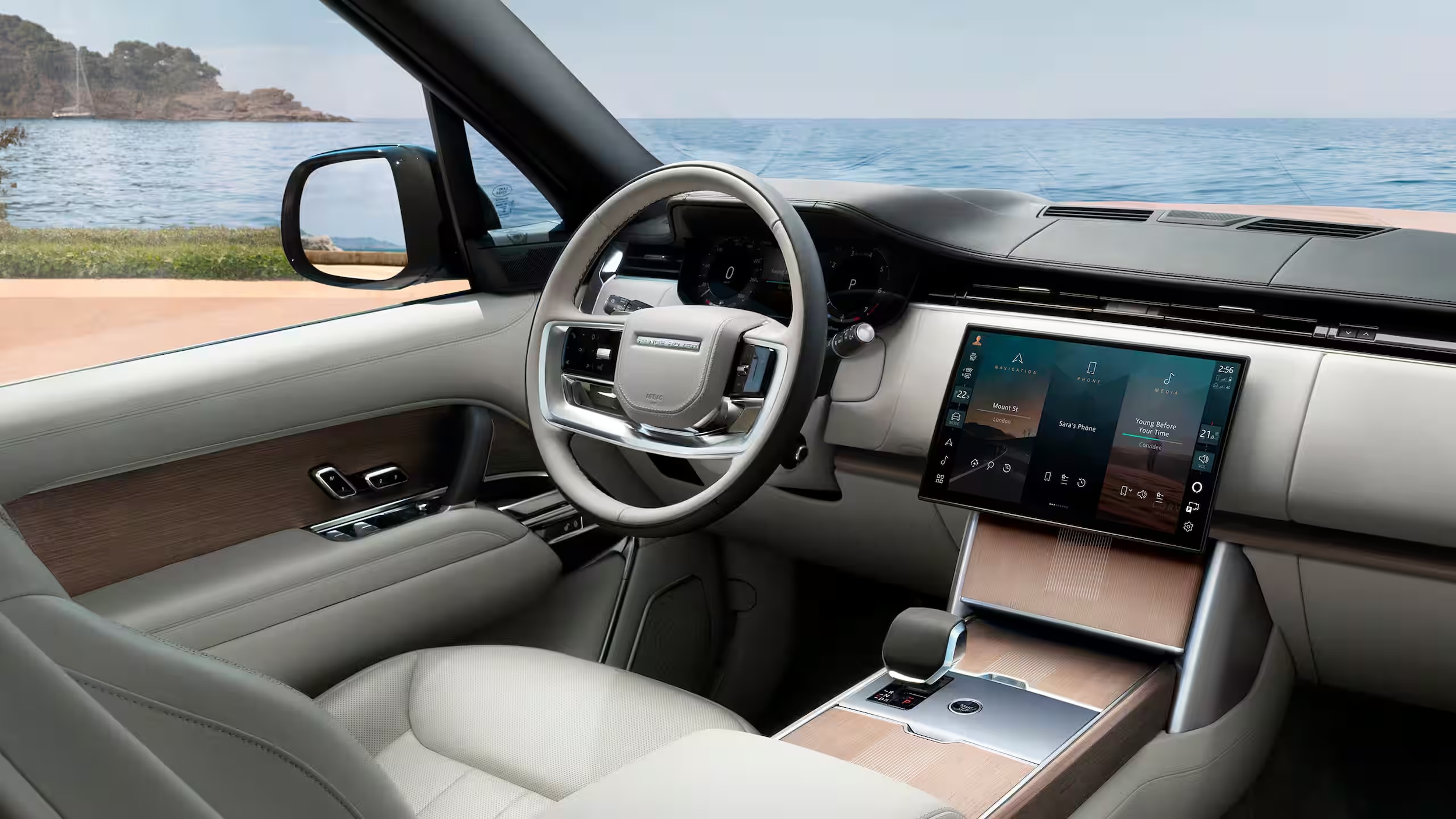
Safety systems rely on sensors, cameras, and software. Radar and lidar-like sensors detect distance and closing speed. Cameras read lane markings and traffic signs. The vehicle’s computer fuses inputs to make split-second decisions. Regular software updates keep features current and improve reliability.
Understanding what are the safety features in a Range Rover includes knowing their dependency on software. Keep the system updated and have sensors cleaned for best performance.
Limitations, maintenance, and real-world cautions
No system is flawless. Limitations include:
- ADAS can be confused by poor road markings, heavy rain, or glare.
- Off-road aids don’t make the vehicle invincible on extreme terrain.
- Sensors need to be clean and calibrated after collisions or windshield replacement.
Maintenance tips from my testing: calibrate cameras after windshield work, update software when offered, and have brakes inspected regularly. These steps keep safety features working as intended.
Personal experience, lessons learned, and practical tips
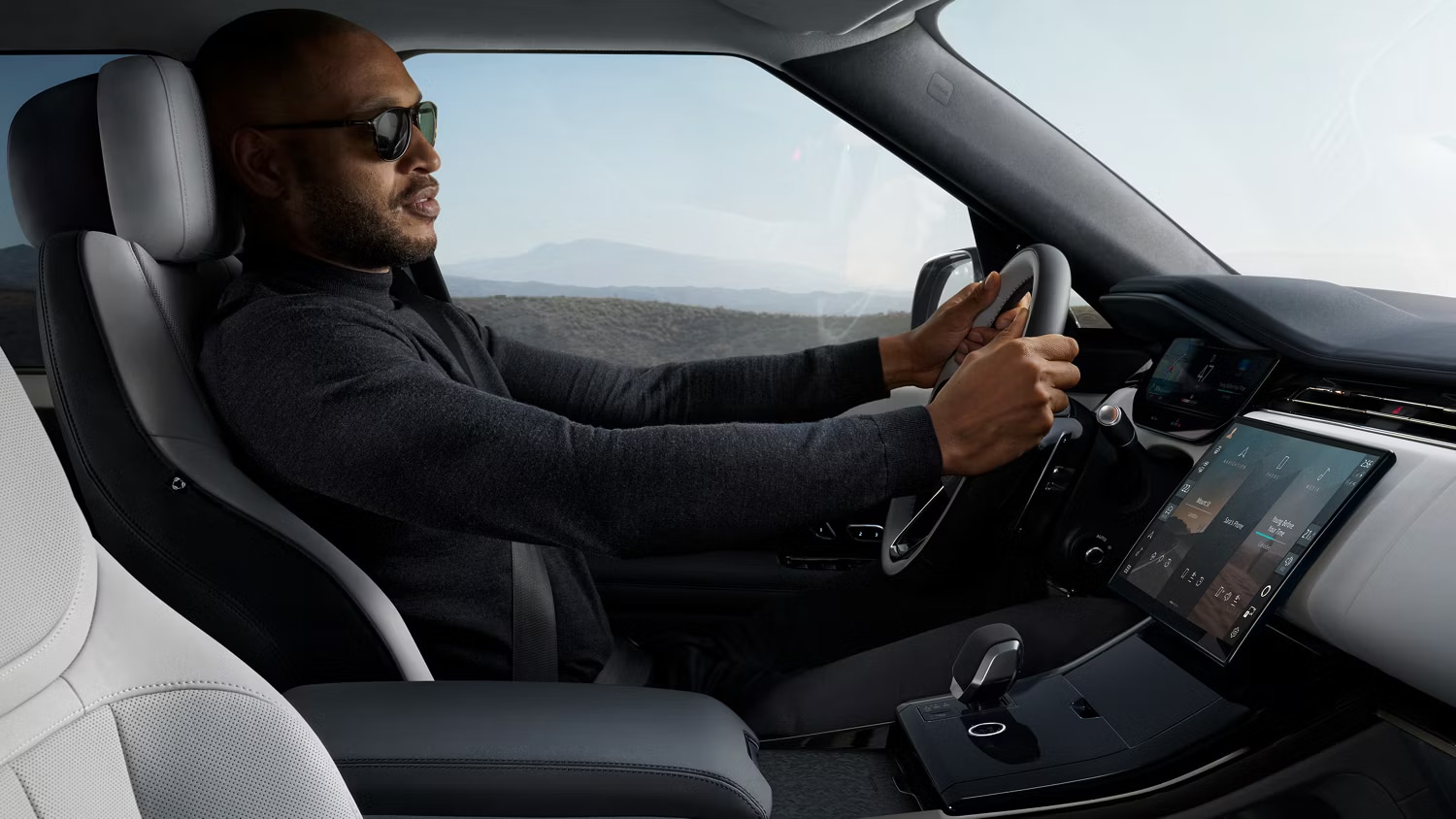
I have driven Range Rovers on highways and rocky trails. What stood out:
- The adaptive cruise and steering assist reduce fatigue on long trips.
- Hill Descent Control is invaluable on steep, wet tracks.
- Blind-spot alerts prevented several near-misses in heavy traffic.
Mistakes to avoid:
- Relying on ADAS as an autopilot. Always stay engaged.
- Skipping sensor cleaning. Dirty sensors degrade performance.
- Ignoring software updates. They often include safety fixes.
These real-world notes help answer what are the safety features in a Range Rover in a practical way. Use features as aids and keep active maintenance.
Common scenarios and how features help
Practical examples of safety features in action:
- Highway stop-and-go traffic: adaptive cruise steadies speed and spacing.
- Night highway driving: automatic high beams improve visibility without blinding others.
- Slippery road: traction control and ABS help maintain control and shorten stopping distances.
- Steep descent in mud: Hill Descent Control manages speed and braking automatically.
Knowing these scenarios clarifies what are the safety features in a Range Rover and how they add value every day.
PAA-style questions (brief, focused answers)
What happens if ADAS sensors get blocked?
- Blocked sensors degrade system performance and may disable warnings. Clean sensors and have a technician inspect them if problems persist.
Can software updates change safety behavior?
- Yes. Updates can improve system logic, fix bugs, and enhance detection. Install updates through the dealer or official channels.
Is off-road safety automatic when Terrain Response is on?
- Terrain Response optimizes settings, but driver input is still vital. It helps manage engine, traction, and braking, but cannot replace good judgment.
Frequently Asked Questions of What are the safety features in a Range Rover?
What are the standard airbags in a Range Rover?
Range Rover typically includes front, side, curtain, and knee airbags as standard. The exact count can vary by model and trim.
Does a Range Rover have adaptive cruise control?
Yes. Many Range Rover models come with adaptive cruise control that can manage speed and distance in traffic.
How does Terrain Response improve safety?
Terrain Response adjusts drive settings for surfaces like mud, sand, and snow. It increases traction and stability on challenging terrain.
Are child seats easy to install in a Range Rover?
Range Rover offers ISOFIX anchor points and clear guides, making child-seat installation straightforward when you follow instructions.
Can ADAS be trusted in heavy rain or snow?
ADAS performance may be reduced in heavy rain, snow, or poor visibility. Drivers should slow down and take control in such conditions.
Conclusion
Range Rover safety features blend solid passive protection, smart active systems, and advanced driver assists to reduce risk in many driving situations. Use these systems wisely, keep them maintained, and treat them as helpful partners—not replacements—for attentive driving. If you want safer drives, start by scheduling regular maintenance, keeping sensors clean, and learning each feature in your model. Leave a comment with your experiences, subscribe for updates, or test features on a safe road to see how they work for you.