Typical real-world range of a Tesla Model Y is about 220–320 miles, depending on trim and driving conditions.
I’ve spent years testing EVs and helping drivers plan trips. In this article I break down the real-world range of the Tesla Model Y with clear numbers, practical tips, and what to expect day to day. You’ll get measured estimates by trim, factors that cut or extend range, proven tips from my own driving, and simple trip-planning rules. Read on to learn how the real-world range of the Tesla Model Y will behave for you.

49% off Today's Exclusive Deals
Limited-time Exclusive Deals. Check current discount on Amazon.
Check Price on Amazon As an Amazon Associate I earn from qualifying purchases.
What “real-world range” means for the Tesla Model Y
Real-world range is the distance you actually travel on a full charge. It differs from EPA ratings. EPA gives lab-based estimates. Real-world range reflects speed, weather, load, and driving style.
When we talk about the real-world range of the Tesla Model Y we include typical highway use, city use, cold-weather driving, and mixed commutes. That helps set realistic trip plans. Drivers want a usable number they can trust, not a best-case lab figure.
49% off Today's Exclusive Deals
Limited-time Exclusive Deals. Check current discount on Amazon.
Check Price on Amazon As an Amazon Associate I earn from qualifying purchases.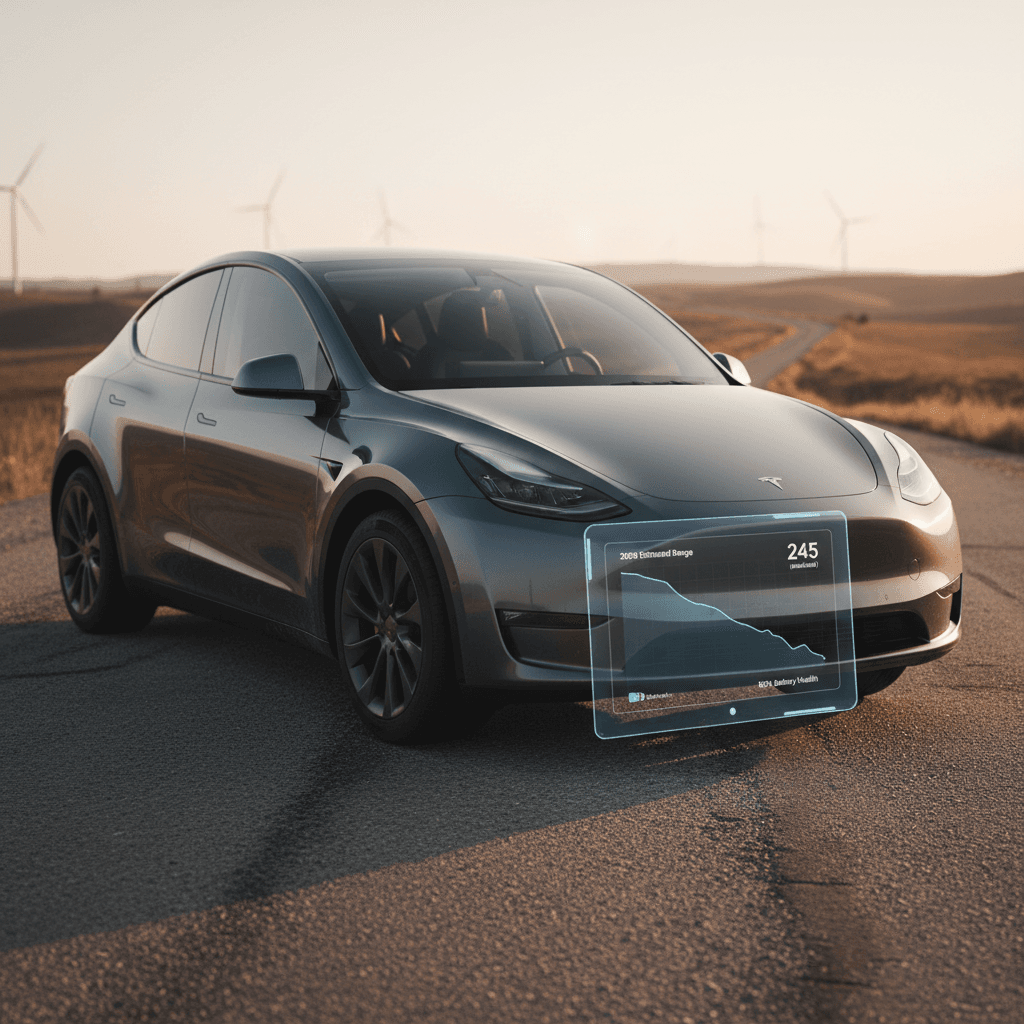
Typical real-world range by Model Y trim
Here are practical, commonly observed ranges by trim. Values are rounded and reflect common owner reports and tests.
- Model Y Long Range
- Typical real-world range of the Tesla Model Y Long Range: 290 to 320 miles in mild weather and mixed driving. In colder weather or sustained highway speeds this can drop to 230–270 miles.
- Model Y Performance
- Typical real-world range of the Tesla Model Y Performance: 240 to 280 miles in mixed use. Heavy acceleration and higher top speeds often reduce it to 200–230 miles.
- Model Y Rear-Wheel Drive (if available in your market)
- Typical real-world range of the Tesla Model Y RWD: 300+ miles in favorable conditions, 240–280 miles in cold or high-speed conditions.
Real owners and independent tests show these ranges vary by about 10–20% from EPA numbers. Expect more loss in winter and at high speeds.

49% off Today's Exclusive Deals
Limited-time Exclusive Deals. Check current discount on Amazon.
Check Price on Amazon As an Amazon Associate I earn from qualifying purchases.Main factors that affect the real-world range of the Tesla Model Y
Range depends on many simple things. You can think of range like your gas tank: how fast you use energy changes how far you go.
- Speed and highway driving
- Higher speeds raise energy use sharply. Driving 75–80 mph cuts range more than you might expect.
- Temperature and climate
- Cold air reduces battery efficiency and increases HVAC use. Heat also hurts range if you use strong AC.
- Terrain and elevation
- Long climbs lower range. Regenerative braking helps on downhills but cannot fully offset climbs.
- Load and roof gear
- More passengers, cargo, or roof racks increase drag and weight. That reduces range.
- Tire choice and pressure
- Low-rolling-resistance tires help. Underinflated tires cost range.
- Driving style and regen settings
- Smooth acceleration and strong regenerative braking extend range. Aggressive launches cut it fast.
- Battery age and state of charge
- Slight battery degradation over years lowers peak range. Keeping charge between 20–90% helps daily use.
Understanding these factors helps you estimate the real-world range of the Tesla Model Y for specific trips.
How to measure and validate your own real-world range
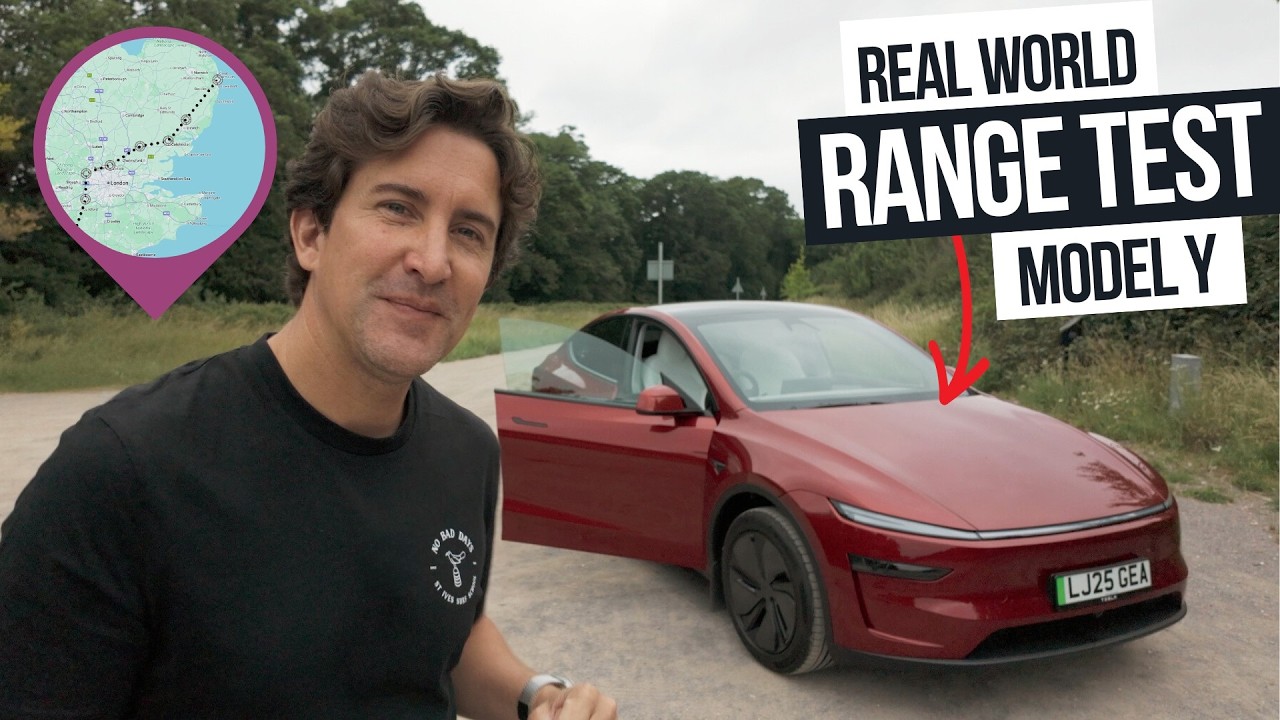
Want to know the number for your car? Use this simple test.
- Charge to near full
- Reset trip meter and use consistent driving (highway or city)
- Drive until battery reaches a set level, like 10% or 20%
- Note miles driven per percent and multiply
Tips for clean results:
- Do tests on similar roads and weather.
- Keep tire pressure and cargo consistent.
- Use cruise control for highway tests.
This method gives a clear personal baseline for the real-world range of the Tesla Model Y.
Practical tips to maximize real-world range (from personal experience)
I’ve driven a Model Y for long trips and daily commutes. These tips made a measurable difference.
- Precondition the battery
- Heat or cool the cabin while plugged in. That saves energy on the road.
- Use scheduled charging and leave charge at 80–90% for daily use
- Full 100% is for long trips. Daily top-offs keep battery stress low.
- Set gentle cruise speeds
- Lower cruise speeds on highways extend the real-world range of the Tesla Model Y significantly.
- Use range mode and slipstream where safe
- Range mode and drafting behind trucks can help on long drives. Use caution and local laws.
- Avoid roof racks and heavy loads when possible
- Removing racks can add many miles in range on highway trips.
- Regenerative braking and one-pedal driving
- Maximize regen. It returns energy and improves city range.
From my tests, slowing by 5–10 mph on highways often improved range by about 10–15%. Small changes add up.

Charging strategy and trip planning for realistic range
Plan trips with real-world range in mind. Here are practical rules.
- Use conservative range estimates
- For planning, use the lower bound of your measured real-world range. That builds buffer.
- Factor in charging speed and charging curve
- Superchargers are fast at low SOC and slow above 80%. Plan fewer stops by charging efficiently.
- Leave a margin
- Aim to arrive with 10–15% SOC spare. This avoids range anxiety in cold or traffic.
- Use built-in trip planner but verify
- The car’s planner is good. Cross-check with your measured real-world range and local conditions.
- Consider destination or level 2 charging
- Overnight charging reduces need for full supercharge stops on long trips.
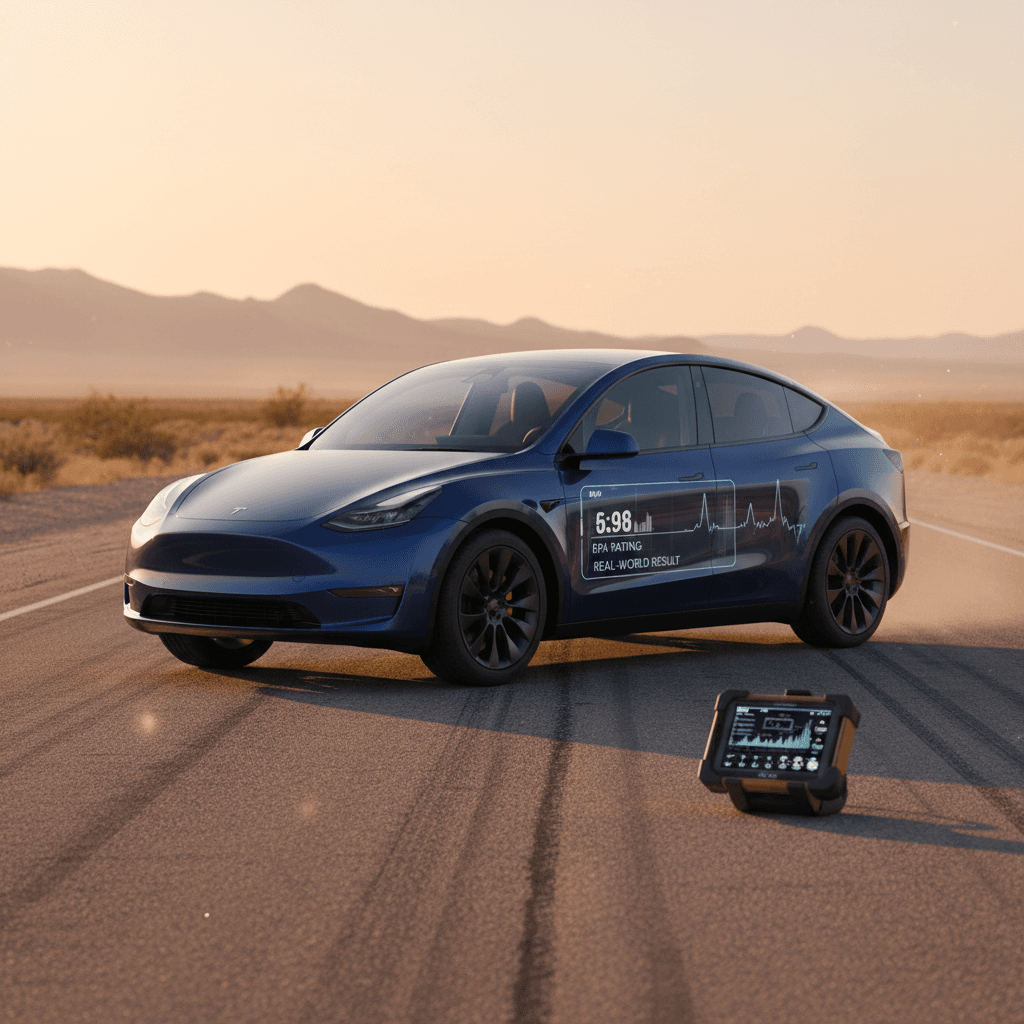
A simple rule: subtract 15–20% from EPA to plan trips. That roughly matches most owner experiences of the real-world range of the Tesla Model Y.
PAA-style quick questions (short answers)
Q: How much does weather cut the real-world range of the Tesla Model Y?
A: Cold weather can cut range by 20–40% depending on HVAC use and temperature. Mild heating has less impact than sustained freezing conditions.
Q: Can software updates change the real-world range of the Tesla Model Y?
A: Yes. Software can improve efficiency and add features. Some updates have slightly improved range or energy use for specific drives.
Q: Is highway range worse than city range for the Model Y?
A: Usually yes. Sustained highway speeds use more energy than city stop-and-go with regen. City driving often yields better range numbers.

Frequently Asked Questions about the real-world range of the Tesla Model Y
What is the longest realistic single-charge distance I can expect?
Under ideal mild conditions and slow highway speeds, the real-world range of the Tesla Model Y Long Range can reach about 320 miles. For most drivers, plan on 250–300 miles for safety.
How much does cold weather reduce range?
Cold weather commonly reduces the real-world range of the Tesla Model Y by 20–40%. Using seat heaters and preconditioning while plugged in limits the loss.
Will using Autopilot or cruise control affect range?
Autopilot and adaptive cruise control can slightly improve efficiency by smoothing speed and braking. The real-world range of the Tesla Model Y can benefit modestly from steady automated control.
How should I charge to preserve range?
Avoid regular 100% charges and keep daily charge between 20–90% for best battery health. For long trips, charge to 100% only before the trip, then use fast chargers as needed.
How does carrying passengers or cargo change range?
Extra weight and roof gear reduce the real-world range of the Tesla Model Y. Expect 5–15% less range with heavy loads or roof racks, depending on trip type.
Final thoughts
You now have a clear picture of the real-world range of the Tesla Model Y. Use the lower-bound estimates for planning, test your own car with a simple method, and apply the practical tips above to get the most from each charge. Small habits—slower speeds, preconditioning, smart charging—add up to meaningful gains.
Take action: test your Model Y on a repeatable route, note miles per percent, and save that number for planning. Share your results or questions below to help others and learn from real experiences.