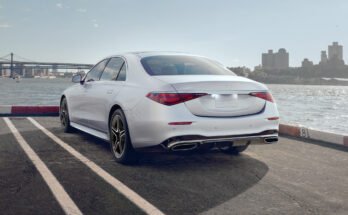
For most used buyers, the W222 (2014–2020) hits the sweet spot of value, tech, and reliability.
I’ve spent years inspecting and driving Mercedes-Benz S-Class models and helping buyers pick the right one. This guide uses hands-on experience, market trends, and service realities to help you decide which Mercedes-Benz S-Class generation is best for used car buyers. Read on for clear comparisons, real-world checks, maintenance tips, and negotiation moves so you buy the right S-Class without surprises.

49% off Today's Exclusive Deals
Limited-time Exclusive Deals. Check current discount on Amazon.
Check Price on Amazon As an Amazon Associate I earn from qualifying purchases.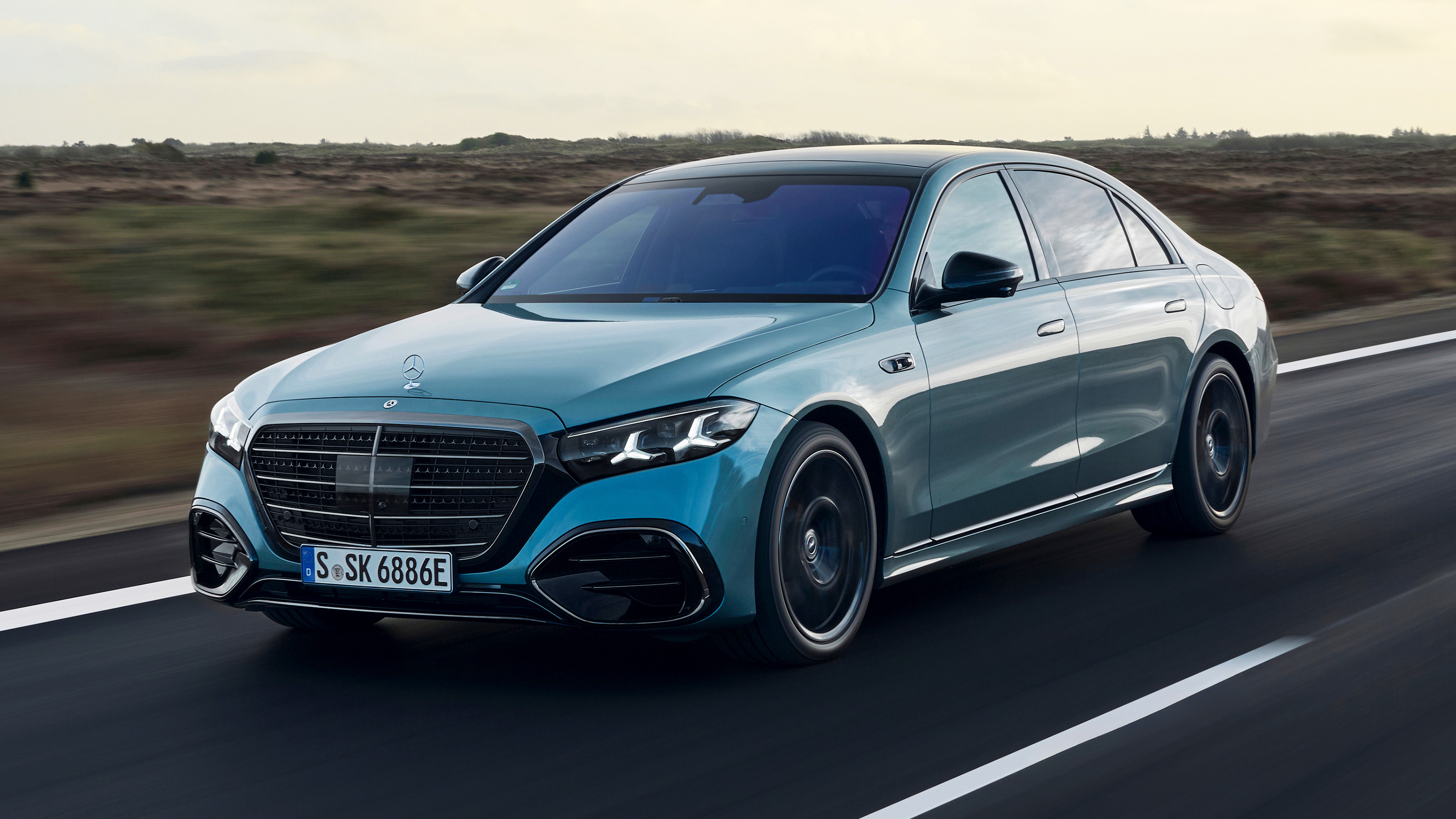
What matters when buying a used Mercedes-Benz S-Class?
Buying a used Mercedes-Benz S-Class is not just about looks. You must weigh reliability, repair costs, tech, and remaining lifespan. Older S-Class cars can cost much more in repairs than their purchase price suggests, and the S-Class has many complex systems that age. Knowing what to expect from parts, electronics, and service history will save you money and stress when you buy a used Mercedes-Benz S-Class.

49% off Today's Exclusive Deals
Limited-time Exclusive Deals. Check current discount on Amazon.
Check Price on Amazon As an Amazon Associate I earn from qualifying purchases.Best S-Class generations for used buyers — ranked and why
I rank S-Class generations by real-world ownership costs, parts availability, safety tech, and depreciation. The Mercedes-Benz S-Class name covers many generations, and each has trade-offs. Below I list the most relevant choices for used buyers and explain what makes each one a good or risky pick.
1) W222 (2014–2020) — Best balance of modern tech and value
The W222 brought mature safety and strong build quality. It offers driver aides, solid engines, and fewer costly electronic quirks than its successor. For many buyers, a well-maintained W222 is the sweet spot between modern comfort and sensible maintenance.
Advantages
- Comfortable ride and mature luxury features.
- Engines and transmissions are proven and serviceable.
- Depreciation has made prices reasonable for many buyers.
Watch for
49% off Today's Exclusive Deals
Limited-time Exclusive Deals. Check current discount on Amazon.
Check Price on Amazon As an Amazon Associate I earn from qualifying purchases.- Air suspension wear can be costly if not serviced.
- High-mileage turbo engines need proper maintenance.
2) W221 (2006–2013) — Good value but older systems
The W221 is cheaper and still roomy and plush. It can be a bargain if the car has a full service history. Expect older electronics and potential air suspension and transmission issues.
Advantages
- Lower purchase price.
- Robust V8 and diesel engines in many markets.
- Classic S-Class comfort.
Watch for
- Aging electronics and leaks.
- Expensive repairs for neglected cars.
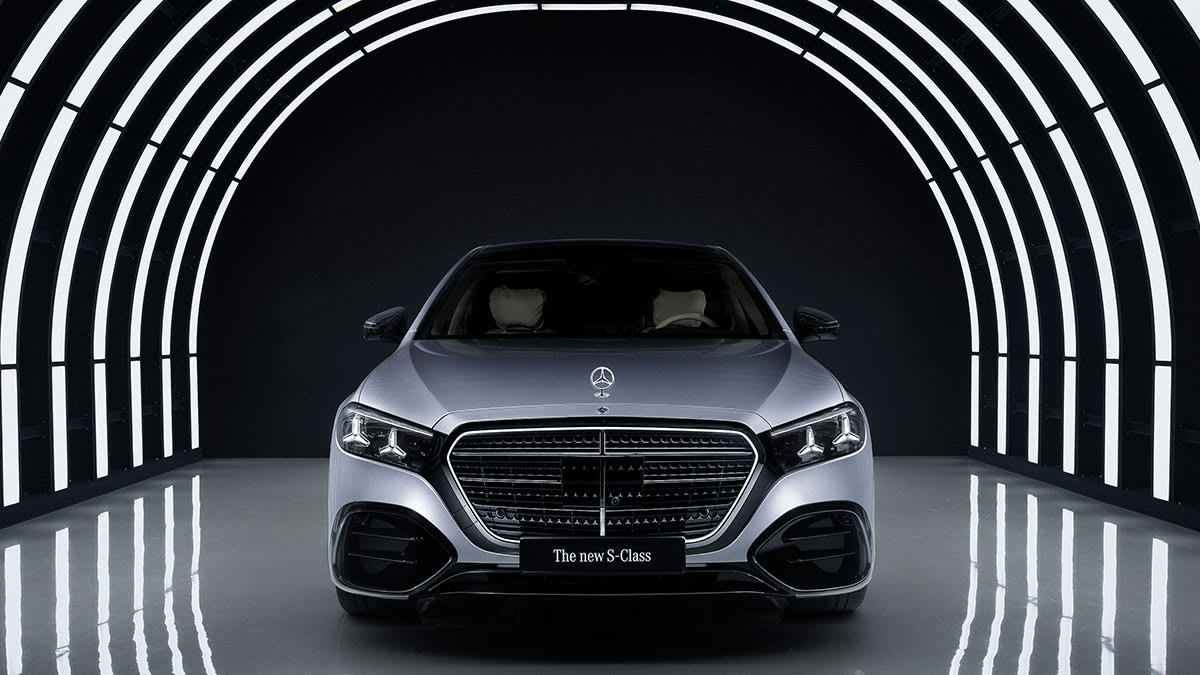
3) W223 (2020–present) — Too new for most used buyers
The W223 is the current-generation S-Class and is packed with cutting-edge tech. It is the most advanced Mercedes-Benz S-Class but is also the most expensive to buy and repair right now. For used buyers, certified pre-owned cars with warranty are the safest route if you prefer the latest S-Class.
Advantages
- Latest safety and infotainment tech.
- Improved efficiency and new comfort features.
Watch for
- Complex electronics make DIY repairs hard.
- Very high purchase and repair costs for out-of-warranty cars.
4) W140, W220 and very old models — Collector or budget choice
These older Mercedes-Benz S-Class models can be comfortable and built like tanks. However, they lack modern safety tech and can require work on aging parts. Buy only if you understand classic car ownership or find one with great service history.
Advantages
- Solid older engineering and character.
- Simpler tech easier to repair in some cases.
Watch for
- Rust, outdated safety, and scarce parts for rare options.
Overall recommendation: For most used buyers, the W222 is the best Mercedes-Benz S-Class generation for value, reliability, and modern features. The W221 is a budget option if well cared for, and the W223 is best for buyers who want newest tech and can pay for proper warranty coverage.
Common issues and what to check on a used S-Class
Every Mercedes-Benz S-Class generation has trouble spots. Knowing them helps you avoid costly surprises. Below are the top areas to inspect and why they matter.
- Air suspension and airbags can fail on many S-Class models. Replacing air struts or air springs often costs thousands of dollars.
- Electronics and control modules can be flaky, especially after water intrusion or battery issues. Digital dashboards and infotainment faults can be expensive to fix.
- Transmission wear on high-mileage cars is common. Look for smooth shifts and no delayed engagement.
- Engine issues vary by model. Turbocharged engines need timed services and clean oil history.
- Corrosion and leaks around doors, sunroofs, and trunks are worth checking on older cars.
Before you buy a used Mercedes-Benz S-Class, demand a full inspection from a Mercedes specialist. A pre-purchase inspection that includes a road test and diagnostic scan will catch many issues early.

Ownership costs, maintenance, and repair tips
Owning a Mercedes-Benz S-Class is rewarding but not cheap. Expect higher parts and labor costs than mainstream cars. Here are realistic cost and maintenance expectations to plan for.
- Routine service intervals are typically every 10,000 miles or annually. Use quality oil and follow manufacturer schedules to avoid engine wear.
- Brake, tire, and suspension parts cost more due to size and specification. Budget for larger brake jobs and premium tires.
- Certified pre-owned and extended warranties reduce risk. They often cover electronics and major components that fail out of warranty.
- Use independent Mercedes specialists for major repairs to save on labor while maintaining quality. Dealers charge more but have original parts and software updates.
Tip: Keep receipts and a clean service history. Mercedes-Benz S-Class resale value is much higher when maintenance records are complete.
Buying checklist and negotiation tips for a used S-Class
A short checklist helps you buy smarter. Use these points when assessing any used Mercedes-Benz S-Class.
- Verify service history and VIN checks. Confirm major services like timing chain or camshaft work were done if applicable.
- Inspect suspension, shocks, and air struts for sagging or air leaks. Test on uneven roads to hear clunks or compressors running constantly.
- Run a full diagnostic scan for stored faults in control modules. Many issues are logged as codes before they surface.
- Check for water damage, sunroof leaks, and interior electrical faults. Water is a common cause of cascading electronic problems.
- Confirm the spare parts or repair costs for optional equipment like rear-seat screens or massaging seats. Option packs add complexity and cost.
When negotiating, use documented repair estimates as leverage. If the car needs new air springs or a transmission service, ask the seller to lower the price or complete repairs before sale.

My personal experience and lessons learned buying S-Class cars
I’ve inspected dozens of used Mercedes-Benz S-Class cars over the past decade. One memorable case was a W221 that looked pristine but had an intermittent AIRMATIC fault. The seller had no receipts, and the repair estimate was more than the price difference between that car and a similar W222. I walked away and later found a W222 with clean history and fewer surprise costs.
From that and other buys I learned simple lessons:
- Never skip a diagnostic scan. It finds hidden problems.
- A spotless exterior means little without service history.
- Set aside a maintenance budget equal to 10–15% of the car’s purchase price per year for older S-Class models.
These tips reflect hands-on experience. They keep risk low and buying smart when choosing a Mercedes-Benz S-Class.

Frequently Asked Questions of Which Mercedes-Benz S-Class generation is best for used car buyers?
Which Mercedes-Benz S-Class generation has the best reliability?
The W222 (2014–2020) generally offers the best balance of reliability and modern systems for used buyers. Properly maintained W222 cars tend to have fewer major electronic faults than the newest W223 models.
Is the W221 S-Class a good used buy?
Yes, a W221 can be a great buy if it has full service history and no major air suspension issues. Expect higher upkeep on older electronics and plan for possible suspension and cooling system work.
Should I avoid the W223 as a used buyer?
You do not need to avoid the W223 entirely, but it is best for buyers who can afford newer prices or certified pre-owned warranties. Out-of-warranty repairs on the W223 can be expensive due to complex electronics.
How much should I budget for maintenance on a used S-Class?
Budget about 10–15% of the car’s value per year for older S-Class models, and slightly less for well-maintained, late-model W222 cars. Costs vary with mileage, options, and local labor rates.
What is the single best pre-purchase check for an S-Class?
A complete diagnostic scan and a specialist pre-purchase inspection are the most important. These checks reveal air suspension faults, pending error codes, and transmission or engine issues you can’t see on a walkaround.
Conclusion
Choosing the right Mercedes-Benz S-Class generation comes down to balancing budget, risk tolerance, and how much modern tech you want. For most used car buyers, the W222 offers the best mix of comfort, safety, and value. If you prefer lower upfront cost and accept more maintenance, a well-documented W221 can work. If you want the newest tech, choose a W223 with a strong warranty.
Takeaway: do your homework, get a full inspection, and buy the most complete service history you can find. If this guide helped you, consider subscribing for more buying tips or leave a comment about your S-Class experience.