A winch can be a lifesaver when your vehicle gets stuck. But many drivers worry: Can a winch drain your battery? If you’ve ever used a winch, or plan to, this question is important. Without enough power, your winch may stop in the middle of a pull. Worse, your vehicle might not start after winching. This guide explains how winches use electricity, what happens to your battery, and how to prevent battery problems. Whether you’re off-roading, hauling boats, or working in construction, understanding your winch’s power demands can save you stress and money.
How Winches Work And Why They Need So Much Power
Winches are electric motors designed to pull heavy loads. When you press the winch button, the motor uses your vehicle’s battery and alternator for power. Most winches are rated by their pulling capacity—like 9,000 lbs or 12,000 lbs—and their voltage, usually 12 volts for cars and trucks.

49% off Today's Exclusive Deals
Limited-time Exclusive Deals. Check current discount on Amazon.
Check Price on Amazon As an Amazon Associate I earn from qualifying purchases.The motor draws electricity quickly. For example, a 9,500 lb winch can pull up to 400-500 amps under heavy load. Compare this to headlights (about 10 amps) or the starter motor (100-150 amps for a few seconds). So, winches use far more power than most vehicle accessories.
Why Does A Winch Need So Much Power?
- Heavy Loads: Pulling a stuck vehicle, log, or boat requires strong force.
- Continuous Operation: Unlike the starter motor, which runs for seconds, a winch may run for several minutes.
- High Resistance: Mud, sand, or slopes increase the resistance, making the motor work harder.
Example: Winching A Jeep Out Of Mud
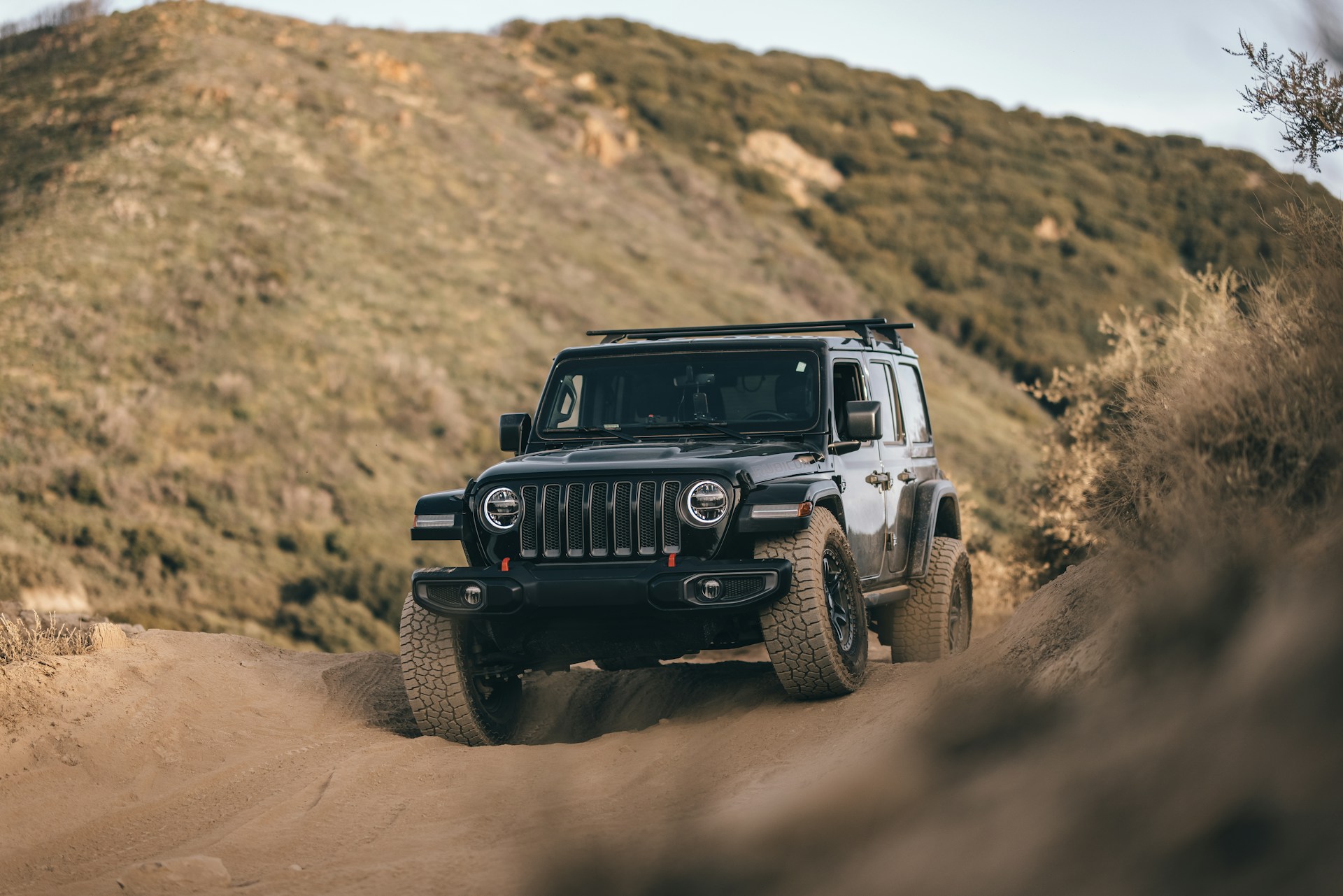
Let’s say you use a 12,000 lb winch to pull your Jeep out of thick mud for 2 minutes. The winch draws about 400 amps. That’s 800 amp-minutes, or roughly 13 amp-hours. For reference, most car batteries are around 50-80 amp-hours. So after one hard winching session, your battery could lose 15-25% of its charge.
Battery Types And Their Limits
Not all batteries perform the same. The main types for vehicles are lead-acid, AGM (Absorbed Glass Mat), and lithium-ion. Each has strengths and weaknesses for winch use.
49% off Today's Exclusive Deals
Limited-time Exclusive Deals. Check current discount on Amazon.
Check Price on Amazon As an Amazon Associate I earn from qualifying purchases.| Battery Type | Typical Capacity (Ah) | Max Current (A) | Winch Suitability |
|---|---|---|---|
| Lead-Acid | 50–80 | 300–600 | Good for occasional use |
| AGM | 70–100 | 800–1200 | Best for frequent winching |
| Lithium-Ion | 60–100 | 300–600 | Lightweight, but less suited for heavy winching |
AGM batteries are preferred for winching, as they handle high currents better and recover faster. Standard lead-acid batteries work, but may suffer damage if drained deeply. Lithium-ion batteries are light, but often have lower peak discharge and can overheat.
How Much Can You Winch Before Draining The Battery?
Let’s break it down:
- If your winch draws 400 amps and your battery is 80 amp-hours, running the winch for 2 minutes uses about 13 amp-hours.
- That’s 16% of your battery’s total capacity.
- But batteries lose efficiency at high loads. You may only get 60-70% of rated capacity during heavy winching.
- If your alternator is running, it may supply 100-200 amps, but the winch uses far more. The battery fills the gap.
So, winching for more than 5 minutes can seriously drain most batteries—especially if the engine is off.
The Role Of The Alternator
Your vehicle’s alternator charges the battery while the engine runs. It also supplies power for electrical accessories. But alternators have limits.
49% off Today's Exclusive Deals
Limited-time Exclusive Deals. Check current discount on Amazon.
Check Price on Amazon As an Amazon Associate I earn from qualifying purchases.| Alternator Type | Typical Output (A) | Can It Run a Winch Alone? |
|---|---|---|
| Standard Car | 70–120 | No |
| Heavy-Duty Truck | 120–200 | No |
| Aftermarket High-Output | 200–300 | Helps, but needs battery support |
A standard alternator can support small accessories, but not a winch under heavy load. For example, a 150 amp alternator can only supply 150 amps; if your winch needs 400 amps, the battery supplies the rest. Aftermarket alternators help, but they don’t eliminate battery drain.
Should You Run The Engine While Winching?
Always run the engine. This lets the alternator supply some power and recharge the battery. If you winch with the engine off, the battery drains faster and may not restart the vehicle.
Signs Your Battery Is Draining During Winching
How can you tell if your battery is struggling? Watch for these signs:
- Winch slows down: Motor runs slower or stops mid-pull.
- Headlights dim: Lights flicker or get weak during winching.
- Electrical accessories cut out: Radio, air conditioning, or dashboard electronics turn off.
- Clicking sounds: Starter clicks but doesn’t turn the engine after winching.
- Warning lights: Battery or alternator light appears on dashboard.
If you notice these signs, stop winching and let the battery recover. Continuing can damage both the battery and the winch motor.
Real-world Examples: Battery Drain Situations
Let’s look at practical situations:
Example 1: Off-road Recovery
A driver uses a 9,500 lb winch for 4 minutes with the engine running. The alternator supplies 120 amps. The winch draws 400 amps. The battery supplies 280 amps.
- Total battery drain: 18.6 amp-hours (280 amps x 4 minutes ÷ 60)
- If the battery is 80 amp-hours, that’s nearly 23%.
- If the driver tries to winch again without engine running, the battery may not start the vehicle.
Example 2: Boat Ramp Pull
A truck uses a 12,000 lb winch to pull a heavy boat for 3 minutes. The alternator supplies 200 amps (aftermarket). The winch draws 500 amps. The battery supplies 300 amps.
- Total battery drain: 15 amp-hours (300 amps x 3 minutes ÷ 60)
- If the truck’s battery is 100 amp-hours (AGM), it handles this better, but a second pull could be risky.
Example 3: Construction Use
A worker uses a winch to pull materials for 10 minutes. The winch draws 400 amps, and the engine is off.
- Total battery drain: 66 amp-hours (400 amps x 10 minutes ÷ 60)
- A single standard battery is drained and likely dead.
How To Prevent Winch Battery Drain
You can use a winch without killing your battery. Here’s how:
1. Always Run The Engine
Running the engine lets the alternator provide power. Never winch with the engine off.
2. Upgrade Your Battery
Choose an AGM battery for high current and deep cycling. If you winch often, get a battery with at least 80 amp-hours.
3. Install A Dual Battery System
A dual battery setup uses one battery for the vehicle and one for winching. You can isolate the winch battery to avoid draining the starter battery.
4. Use A High-output Alternator
Upgrade to a 200-300 amp alternator. This reduces battery load, but still requires a strong battery.
5. Limit Winch Time
Don’t winch for more than 3-5 minutes continuously. Pause to let the battery and motor cool down.
6. Monitor Voltage
Use a voltmeter or digital gauge. If voltage drops below 11.5 volts, stop winching.
7. Maintain Your Battery
Check fluid levels, terminals, and charge state regularly. Replace weak batteries before they fail.
8. Avoid Deep Discharges
Lead-acid batteries lose lifespan if drained below 50%. Try to keep battery charge above half.
9. Use Heavy Duty Cables
Thick cables reduce resistance and improve power flow. Thin or corroded cables cause voltage drop.
10. Consider A Portable Jump Starter
Carry a jump starter in case your battery dies after winching.
What Happens If Your Battery Is Drained?
If your battery is drained after winching, your vehicle may not start. This is frustrating, especially in remote areas. Here’s what to do:
- Try to restart: If you hear clicking, the battery is too weak.
- Jump start: Use another vehicle or portable jump starter.
- Let the battery recharge: If possible, idle the engine for 10-20 minutes.
- Check for damage: Deep discharge can harm lead-acid batteries. If the battery won’t hold charge, replace it.
Non-obvious Insight: Battery Recovery Is Not Instant
After heavy winching, the battery takes time to recharge, even with the engine running. Alternators are slow chargers—expect 30-60 minutes to recover a deep discharge.
Non-obvious Insight: Heat Damage
High current winching heats up battery plates and cables. Excess heat can cause battery failure or cable melting. Always let your battery and cables cool after heavy use.
Comparing Winch Power Use To Other Vehicle Accessories
Winches are unique in their power demands. Here’s how they compare:
| Accessory | Typical Current Draw (A) | Duration |
|---|---|---|
| Headlights | 10 | Hours |
| Starter Motor | 150 | 5 seconds |
| Air Conditioning | 30 | Hours |
| Winch | 400–500 | Minutes |
Notice that winches pull much higher current, even if used for a short time. That’s why battery drain is a serious concern.

Common Mistakes That Lead To Battery Drain
Beginners often make these mistakes:
- Winching with the engine off: Always run the engine.
- Using a weak battery: Standard batteries aren’t built for deep discharge.
- Ignoring voltage drop: Low voltage can damage the winch motor.
- Winching too long: Stop every few minutes.
- Using thin cables: Causes resistance and heat.
- Not checking alternator output: Weak alternators can’t supply enough power.
- Not maintaining the battery: Dirty terminals reduce performance.
Avoid these mistakes for safer, more reliable winching.
Choosing The Right Battery For Your Winch
When selecting a battery for winching, consider:
- Capacity (Amp-Hours): Choose 80+ Ah for heavy winching.
- Cold Cranking Amps (CCA): Higher CCA helps with winch startup.
- Type: AGM is best for high currents.
- Size: Make sure it fits your vehicle.
- Warranty: Choose batteries with good support.
If you use your winch often, consider a dual battery setup. This way, you protect your starter battery and improve safety.
Upgrading Your Charging System
Heavy winch use may require upgrades:
- High-output alternator: 200+ amps.
- Dual battery isolator: Keeps batteries separate until needed.
- Smart charger: Keeps batteries healthy.
- Heavy-duty wiring: Reduces voltage loss.
These upgrades are common in off-road and work vehicles.
Winch Power Management Tips
Practical steps to manage winch power:
- Plan your winching—short, controlled pulls.
- Pause between pulls to let battery and motor cool.
- Use snatch blocks to reduce winch load.
- Keep cables clean and tight.
- Check battery voltage before and after winching.
- Carry backup power sources.

Is A Winch Worth The Battery Risk?
A winch is a valuable tool. Battery drain is a real risk, but with the right setup, you can minimize problems. An AGM battery, dual battery system, and high-output alternator make winching safer. If you winch only rarely, a standard battery may be enough, but always monitor voltage and limit use.
Expert Advice: Winch Use In Extreme Conditions
Extreme cold or heat affects battery performance. In cold, batteries lose capacity—sometimes 30% or more. In heat, batteries can overheat and fail. If you winch in extreme weather, choose high-quality batteries and check them often.
Battery Drain And Winch Motor Damage
Draining the battery too low can harm the winch motor. Low voltage causes the motor to overheat, lose power, and fail. Always monitor battery voltage. If the winch slows or struggles, stop and let everything recover.
Real-world Data: Winching And Battery Life
Winching drains batteries faster than almost any other accessory. Data from off-road groups shows:
- Winching for 5 minutes can drain 20-30% of a standard battery.
- Deep discharging lead-acid batteries more than 5 times reduces battery life by 20%.
- AGM batteries last longer, but still suffer if drained below 50% often.
This proves that battery management is key for winch users.
How To Check Your Battery After Winching
After winching, check your battery:
- Use a voltmeter: Healthy batteries should read 12.6–12.8 volts at rest.
- Charge if needed: Use a smart charger to restore full power.
- Inspect terminals: Clean and tighten as needed.
- Look for swelling or leaks: Replace damaged batteries.
Regular checks prevent surprise failures.
When To Replace Your Battery
Replace your battery if:
- It won’t hold charge after winching.
- Voltage drops below 12 volts after charging.
- It’s older than 3-5 years.
- It shows signs of swelling, leaks, or corrosion.
A weak battery risks both winch and vehicle reliability.
Frequently Asked Questions
Can A Winch Completely Kill My Battery?
Yes, a winch can drain your battery to the point where your vehicle won’t start, especially if you winch with the engine off or use a weak battery. Always run the engine and limit winch time.
How Long Can I Use A Winch Before Draining The Battery?
Most batteries can handle 3-5 minutes of heavy winching with the engine running. Longer sessions may drain the battery dangerously low. Monitor voltage and pause often.
Will A Dual Battery System Solve Battery Drain?
A dual battery system helps by isolating the winch from the starter battery. If one battery drains, you can still start your vehicle. It’s recommended for frequent winch users.
Do I Need A Special Battery For My Winch?
An AGM battery or high-capacity battery is best for winching. Standard lead-acid batteries work for light use, but may not handle heavy, frequent winching well.
What Happens If I Ignore Battery Drain And Keep Winching?
Ignoring battery drain risks damaging both the battery and the winch motor. Low voltage can cause overheating, reduced power, and permanent failure. Stop winching if you notice slowdowns or voltage drops.
Using a winch can drain your battery, but smart preparation prevents problems. If you plan ahead, upgrade your battery, and follow power management tips, you’ll be ready for tough pulls—without leaving yourself stranded. For more technical details, see this expert guide on winch electrical systems.


