When you think about adding a winch to your vehicle, the first question is often about its mounting location. Choosing the right spot is not just about looks. It affects safety, performance, and how easy it is to use. The winch is a powerful tool for recovery, off-roading, and even work tasks. But where should a winch be mounted? This article explores all mounting options, their pros and cons, and gives practical advice based on real-world experience. If you are new to winches, or even if you have used one before, you will find fresh insights and clear guidance here. Let’s dive in and discover what really matters.
Understanding Winch Basics
Before discussing mounting, it helps to know what a winch is and how it works. A winch is a device with a spool (drum) and a motor. You attach a cable or rope to an object, then use the winch to pull it. Winches are common on trucks, SUVs, ATVs, boats, and trailers.
Types of winches include:
- Electric winches: Powered by your vehicle’s battery, most popular for off-roaders.
- Hydraulic winches: Use power steering pump, ideal for heavy-duty jobs.
- Hand winches: Manual crank, for light tasks and trailers.
No matter the type, the mounting location influences usability and safety.
Main Mounting Locations Explained
There are several places you can mount a winch. The three main options are front bumper, rear bumper, and bed/platform. Each suits different needs and situations.
Front Bumper Mount
Most off-road vehicles and trucks have their winch mounted on the front bumper. This is the default for many reasons.
Advantages:
- Easy access: You see what you are pulling and can guide recovery.
- Common recovery direction: Most recoveries are forward, especially when stuck.
- Visibility: You can monitor the cable and hook.
Disadvantages:
- Weight distribution: Adds weight to the front, which can affect handling.
- Exposure: The winch faces mud, water, and road debris.
Example: A Jeep Wrangler with a winch on the front bumper is ready for mud or sand recovery.
Rear Bumper Mount
Some vehicles have winches at the rear. This is less common but useful in special cases.
Advantages:
- Reverse recovery: Helpful if you need to back out of tricky spots.
- Towing: Useful for trailers and boats.
Disadvantages:
- Limited visibility: Harder to see what you are pulling.
- Less common: Fewer mounting kits and solutions.
Example: A pickup truck pulling a boat from water often uses a rear-mounted winch.
Bed Or Platform Mount
Mounting a winch on the truck bed or flatbed platform is popular for work vehicles.
Advantages:
- Versatility: Can pull loads onto the bed or trailer.
- Protection: Less exposed to road hazards.
Disadvantages:
- Special use: Not ideal for vehicle recovery.
- Access: Requires careful planning for cable routing.
Example: A flatbed tow truck uses a bed-mounted winch to load vehicles.
Comparing Mounting Locations
To help you choose, here is a comparison of the three main mounting locations:
| Mount Location | Best For | Visibility | Weight Impact | Common Use |
|---|---|---|---|---|
| Front Bumper | Off-road recovery | Excellent | Front-heavy | Jeep/SUV |
| Rear Bumper | Reverse recovery, towing | Moderate | Rear-heavy | Pickup, trailer |
| Bed/Platform | Loading cargo | Good | Central | Tow truck |
Key Factors To Consider
Choosing the best winch mounting location is not just about preference. Several important factors can change your decision.
Vehicle Type
Different vehicles suit different mounting spots. For example:
- SUVs and Jeeps: Usually favor front mounting.
- Pickup trucks: Can use front, rear, or bed mounts.
- Trailers: Often need a bed or platform mount.
Intended Use
Ask yourself what you need the winch for:
- Off-road recovery: Front is best.
- Reverse recovery or towing: Rear is helpful.
- Loading cargo or vehicles: Bed/platform works.
Weight And Balance
Adding a winch shifts your vehicle’s weight. Too much weight in the front or rear can affect steering and braking.
Non-obvious tip: Heavier winches can change your suspension’s behavior. Consider upgrading springs if you mount a big winch.
Accessibility
Can you reach the winch easily? In muddy or icy conditions, front mounts are easier to access. Rear or bed mounts may require extra steps.
Protection And Durability
A winch exposed to water, mud, and rocks can wear out faster. Some mounting spots allow better protection with covers or bumpers.
Non-obvious insight: Mounting a winch behind a grille or custom cover can extend its life, but always ensure it has enough airflow to prevent overheating.
Front Bumper Mounting: Deep Dive
Front bumper mounts are the most popular for a reason. Let’s look at what makes them so effective—and what to watch out for.
Installation Steps
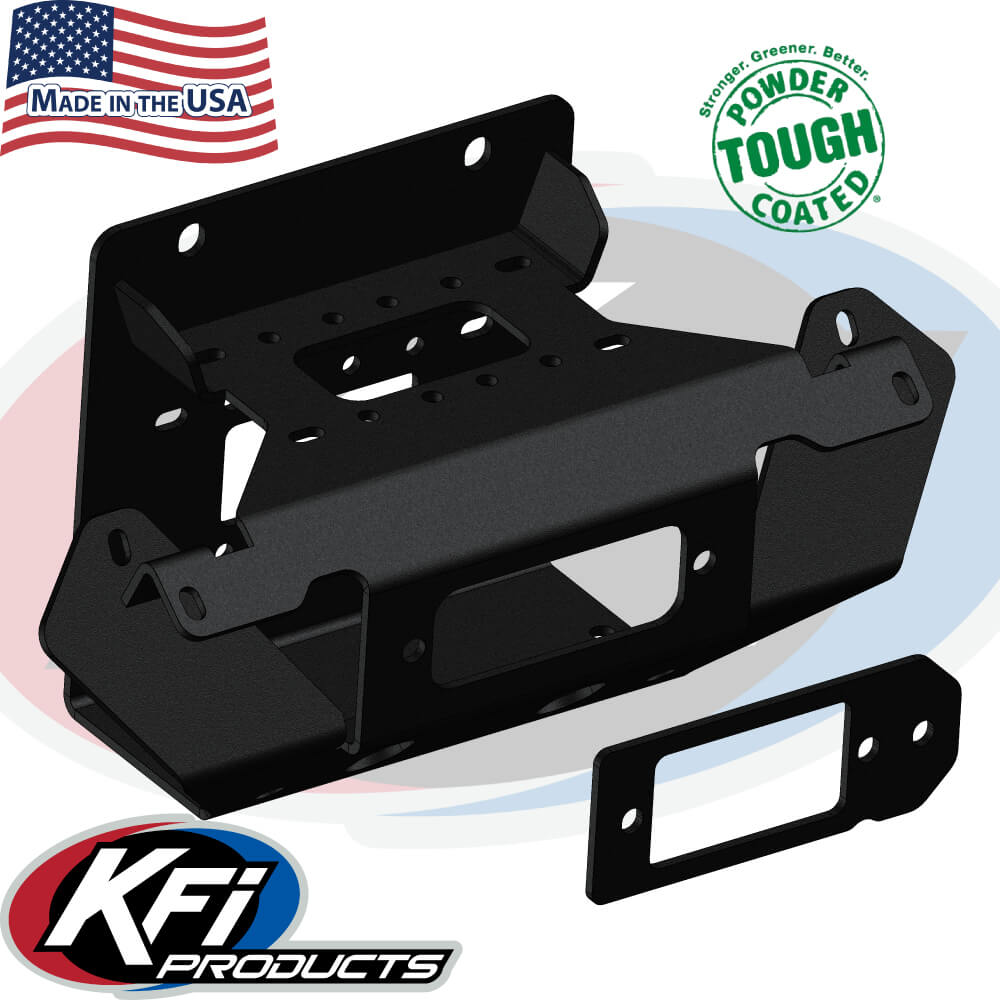
- Choose the right bumper: Not all bumpers can handle a winch. Use a winch-ready bumper.
- Check compatibility: Make sure the winch fits your bumper and vehicle.
- Bolt on winch plate: Install a solid winch plate—never use thin metal or plastic.
- Wire the winch: Connect to the battery using thick cables.
- Test operation: Always check that the winch spools smoothly and the remote works.
Common Mistakes
- Weak bumper: Installing on a standard bumper can cause bending or failure.
- Poor wiring: Thin wires cause overheating and power loss.
- Ignoring airflow: Blocking the radiator with the winch can cause engine overheating.
Real-world Example
A Toyota Tacoma with a steel winch bumper can pull itself out of deep mud. The front mount keeps the winch in view, and the driver can steer during recovery.
Rear Bumper Mounting: When And Why
Rear winch mounts are less common but can be life-saving in some situations.
Installation Steps
- Pick a strong rear bumper: Must handle the load.
- Install winch plate: As with front, use thick steel.
- Wire carefully: Rear winches need longer cables.
- Add protection: Mud and rocks can damage the winch.
When Rear Mount Is Best
- Backing out of trouble: Sometimes you can’t go forward.
- Boat and trailer recovery: Pulling loads toward the rear.
- Dual winch setups: Some off-roaders mount winches both front and rear.
Common Mistakes
- Too much rear weight: Can reduce traction at the front wheels.
- Long wire runs: Creates voltage drop—use extra thick cables.
Real-world Example
A Ford F-250 with a rear winch can pull a stuck trailer from mud. The driver uses the rear winch to avoid driving into deeper trouble.
Bed And Platform Mounting: Specialized Uses
Bed-mounted winches are common for work trucks and trailers.
Installation Steps
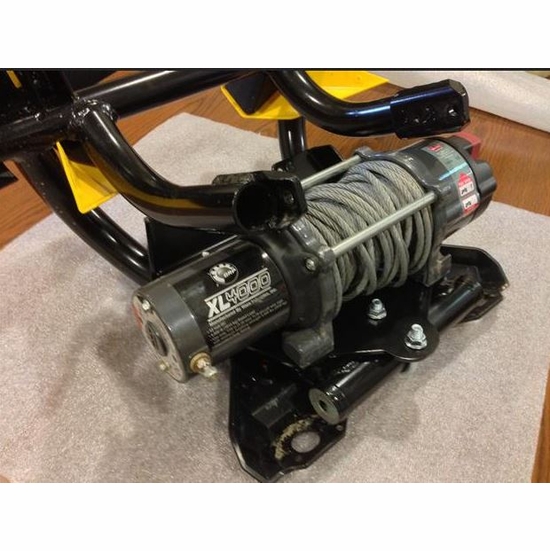
- Find a solid spot: The bed must handle the force.
- Bolt through the frame: Never mount only to thin bed metal.
- Wire for power: Connect to battery or power source.
- Guide cable: Use fairleads to avoid cable rubbing.
Best Situations
- Loading vehicles: Tow trucks pull cars onto flatbeds.
- Hauling heavy objects: Construction trucks move big loads.
Common Mistakes
- Weak bed: Can bend or break under heavy loads.
- Cable misrouting: Rubbing or tangling reduces winch life.
Real-world Example
A flatbed Ram 3500 uses a bed-mounted winch to haul broken cars. The winch pulls from a reinforced plate bolted to the frame.
Hidden And Integrated Mounts
Some vehicles use hidden or integrated winch mounts. These are behind bumpers or grilles.
Advantages:
- Protection: The winch is safe from damage.
- Clean look: No visible hardware.
Disadvantages:
- Limited access: Harder to reach controls.
- Heat issues: Less airflow can cause overheating.
Example: Many modern SUVs offer factory hidden winch mounts for a sleek appearance.

Portable And Removable Winches
Not all winches are fixed. Some are designed to be portable and removable.
Advantages:
- Flexibility: Use on different vehicles.
- Storage: Remove when not needed.
Disadvantages:
- Lower strength: Portable mounts may not handle heavy loads.
- Setup time: Takes longer to install in emergencies.
Example: An ATV winch can be mounted on a hitch receiver and moved between vehicles.
Safety Considerations
Mounting a winch is not just about convenience. Safety is critical.
- Structural strength: Always mount to the vehicle frame, not just the body.
- Cable routing: Avoid sharp bends and areas where cables can rub.
- Electrical safety: Use proper fuses and protect wiring.
- Operator safety: Make sure controls are easy to reach and use.
Non-obvious tip: After mounting, always test the winch at low loads before using it in real recovery. This helps spot issues before they become dangerous.
Cost Comparison: Mounting Methods
Let’s look at typical costs for different mounting methods.
| Mount Type | Parts Cost | Labor Cost | Total Estimate |
|---|---|---|---|
| Front Bumper | $400–$1,200 | $200–$500 | $600–$1,700 |
| Rear Bumper | $500–$1,500 | $300–$600 | $800–$2,100 |
| Bed/Platform | $350–$1,000 | $250–$500 | $600–$1,500 |
Note: Prices vary by vehicle and winch size. Heavy-duty setups cost more.
Mistakes To Avoid When Mounting A Winch
Many beginners make mistakes when mounting their winch. Here are the most common pitfalls:
- Mounting on weak surfaces: Always use the frame or a winch-ready bumper.
- Wrong winch size: Too small, and it won’t pull your vehicle; too big adds unnecessary weight.
- Bad wiring: Use thick, quality cables. Cheap wiring can cause fires.
- Blocking airflow: Don’t cover the radiator with the winch.
- Skipping test pulls: Always test the winch before real use.
Practical Tips For Choosing Your Mounting Spot
- Think about your needs: If you mostly drive off-road, front mount is best.
- Consider dual setups: Some serious off-roaders use both front and rear winches.
- Upgrade suspension: Heavy winches may need stronger springs.
- Protect the winch: Use covers and guards if possible.
- Plan wiring: Longer runs need thicker cables.
Frequently Asked Questions
Where Should A Winch Be Mounted For Off-roading?
For most off-road situations, the front bumper is the best place. It allows you to pull forward out of mud, sand, or rocks. You can see the cable and control the recovery. If you frequently need to reverse out, consider adding a rear winch.
Can I Mount A Winch On A Stock Bumper?
No, most stock bumpers are not strong enough. You need a winch-ready bumper or a reinforced plate. Mounting on a weak bumper can cause damage or injury.
How Do I Protect My Winch From Weather And Damage?
Use winch covers, install behind a grille, or choose integrated mounts. Regular maintenance is important. Avoid submerging the winch in water or mud for long periods.
Is It Possible To Use One Winch For Both Front And Rear?
Yes, some removable winch systems can be moved between front and rear hitch receivers. However, this takes more time to set up and is less strong than fixed mounts.
What Size Winch Should I Use For My Vehicle?
A good rule is to choose a winch rated at least 1.5 times your vehicle’s weight. For example, if your truck weighs 6,000 lbs, use a winch rated at 9,000 lbs or more. Always check manufacturer guidelines.
Final Thoughts
Mounting a winch is not just about picking a spot. It’s about safety, performance, and how you use your vehicle. The front bumper is ideal for most off-roaders, while rear and bed mounts suit special needs. Always consider your vehicle type, intended use, and make sure the mounting is strong and safe. Test the winch before you need it, and keep it protected. If you want more technical details, visit the official Wikipedia Winch page.
Choosing where to mount your winch is a decision that affects every recovery. With the right knowledge, you can make the best choice for your needs—and stay safe every time you use it.