Can A Winch Be Used For Lifting?
Many people see a winch and imagine it can do anything—pull a car out of mud, lift heavy objects, or hoist someone in the air. But can a winch really be used for lifting? This question matters for safety, efficiency, and even legality.
In this article, you’ll learn what a winch actually does, how it compares to true lifting equipment, the risks involved, and best practices for anyone considering using a winch for lifting. Whether you’re a mechanic, construction worker, or off-roader, understanding the difference can save money, prevent accidents, and help you make smart choices.
What Is A Winch?
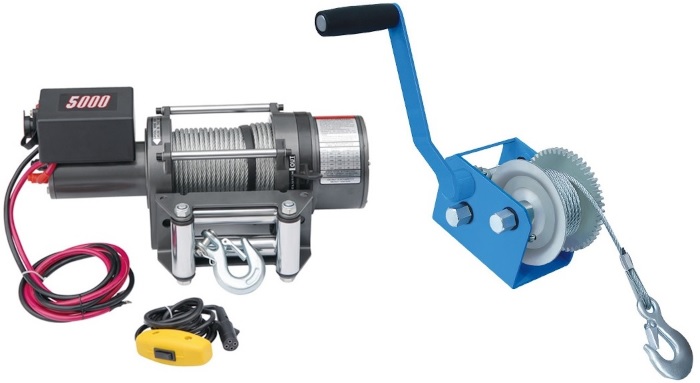
A winch is a mechanical device that pulls or winds in (or lets out) a rope, cable, or chain. Most winches have a drum, motor, and a gearbox. They are used to move heavy loads horizontally or at a slight angle. For example, winches are common in off-road vehicles to recover stuck cars, on boats to handle anchors, and in industrial settings to pull equipment.
Types Of Winches
- Electric winch: Uses a motor powered by batteries or mains electricity.
- Hydraulic winch: Powered by hydraulic systems—often used for large, industrial tasks.
- Manual winch: Hand-operated, suitable for smaller loads or emergencies.
- Pneumatic winch: Uses compressed air, found in specialized industrial environments.
Typical Winch Uses
- Vehicle recovery
- Pulling logs
- Dragging boats
- Moving heavy machinery
The main purpose is pulling, not lifting. This distinction is crucial for safety and proper equipment use.
Lifting Vs. Pulling: Key Differences
Many beginners confuse lifting and pulling. These actions look similar but have important differences. Let’s explore why winches are designed for pulling, not lifting.
Pulling
Pulling involves moving an object horizontally or at a shallow angle. The object often slides or rolls along the ground. The force needed is usually less than lifting because gravity helps keep the object down.
Lifting
Lifting means raising an object vertically against gravity. The entire weight is supported by the lifting device. The risk is higher: if the device fails, the load drops, potentially causing injury or damage.
Comparison Table: Pulling Vs. Lifting
| Aspect | Pulling | Lifting |
|---|---|---|
| Direction | Horizontal or angled | Vertical |
| Force required | Lower | Higher (supports full weight) |
| Risk | Object drags/slides | Object can fall |
| Equipment | Winch, tow rope | Hoist, crane |
| Safety requirement | Moderate | Strict |
Why Winches Are Not Designed For Lifting
A winch’s internal design is made for pulling, not lifting. Here are the main reasons:
Lack Of Braking Safety
Many winches do not have automatic brakes. If the motor fails or power is lost, the load can drop immediately. Lifting equipment such as hoists have special brakes to hold the load even if the power fails.
Gearbox And Drum Weakness
Winches often have gears and drums that are strong for pulling but not made to hold weight vertically for long periods. The stress from lifting can cause these parts to fail.
Regulatory Standards
Most winches are not certified for lifting by organizations like OSHA or CE. Using a winch for lifting may break workplace safety laws. It can also void warranties and insurance.
Example: Winch Vs. Hoist
A hoist is made for vertical lifting. It has a robust brake system, stronger gears, and certifications for lifting. A winch, even with similar capacity, cannot replace a hoist safely.
Risks Of Using A Winch For Lifting
Using a winch for lifting can seem easy but has serious risks. Here are some dangers you may face:
Load Drop
If the winch fails, the load can drop instantly. This can cause injury, death, or property damage.
Equipment Failure
Winches are not built to handle vertical loads. The cable, drum, or gearbox may snap or break under stress.
Legal And Insurance Problems
If an accident happens while lifting with a winch, you may not be covered by insurance. Legal action or fines are possible if workplace safety rules are broken.
Comparison Table: Winch Vs. Hoist Safety Features
| Feature | Winch | Hoist |
|---|---|---|
| Brake system | Often absent or weak | Strong, automatic |
| Certification for lifting | No | Yes |
| Cable strength | Lower (for pulling) | Higher (for lifting) |
| Risk of load drop | High | Low |
| Legal compliance | Rare | Common |
When Can A Winch Be Used For Lifting?
There are rare cases where a winch can be used for lifting. But strict rules must be followed.
Special Lifting Winches
Some winches are designed and certified for lifting. These are called lifting winches or man-riding winches. They have braking systems, strong gears, and meet legal standards.
- Always check the manufacturer’s label.
- Look for certifications (such as CE, OSHA, or ANSI).
Emergency Situations
If no other option is available, a winch may be used for lifting—but only if:
- The load is light.
- The winch has a reliable brake.
- The cable is rated for the full weight.
- All safety measures are in place.
This is not recommended for regular tasks.
How To Identify A Lifting-ready Winch
Before using any winch for lifting, check for these features:
- Certification label: Does it mention lifting? Look for CE, OSHA, or ANSI.
- Brake system: Is there an automatic or manual brake that holds the load if power fails?
- Cable rating: Is the cable rated for vertical loads?
- Load limit: Does the winch’s load limit match your lifting needs?
- Inspection history: Has the winch been checked and tested recently?
If any of these are missing, do not use the winch for lifting.

Alternative Equipment For Lifting
For safe lifting, use proper equipment:
Hoists
A hoist is the most common lifting device. It is designed for vertical loads and has strong safety features.
- Electric hoist: Fast and easy to use.
- Manual hoist: Good for small loads.
- Chain hoist: Uses a chain for extra strength.
Cranes
Cranes are used for heavy loads and large projects. They have advanced safety systems and are operated by trained professionals.
Pulley Systems
Simple pulleys can lift light loads. They distribute weight and reduce force needed.
Comparison Table: Lifting Equipment
| Equipment | Typical Use | Load Capacity | Safety Features |
|---|---|---|---|
| Hoist | Vertical lifting | Up to 20 tons | Brakes, certifications |
| Crane | Heavy lifting | Up to 100+ tons | Advanced safety systems |
| Pulley | Small lifting tasks | Up to 1 ton | Manual control, limited safety |
Real-world Examples And Data
Construction Sites
On construction sites, using a winch for lifting is almost never allowed. OSHA requires certified lifting devices. In 2023, over 100 workplace injuries in the US were linked to improper lifting equipment.
Off-road Recovery
Some off-roaders use winches to lift vehicles out of holes. This is usually horizontal or angled, not true vertical lifting. Using a winch to lift the vehicle entirely off the ground is dangerous and discouraged.
Industry Statistics
- A certified hoist reduces accident risk by up to 90% compared to uncertified winches.
- Insurance claims for dropped loads are often denied if a winch was used for lifting.
Common Mistakes When Using A Winch For Lifting
Many beginners make dangerous mistakes. Here are some to avoid:
- Ignoring certification: Never assume a winch is safe for lifting just because it is strong.
- Overloading: Check the winch’s rated capacity. Do not guess.
- Skipping inspection: Always inspect the cable, drum, and brake before use.
- Improper rigging: Use proper slings and attachments. Never tie knots in cables.
- Standing under load: Never let people stand under a lifted object.
Best Practices For Safe Lifting
If you must use a winch for lifting, follow these steps:
- Read the manual: Check the manufacturer’s instructions for lifting.
- Inspect equipment: Look for wear, rust, or damage.
- Test brakes: Make sure brakes hold the load.
- Use certified slings: Only use slings and hooks rated for lifting.
- Clear the area: Keep people away from the lifting zone.
- Lift slowly: Raise the load slowly to detect problems early.
- Monitor constantly: Watch for signs of failure or unusual noises.
Non-obvious Insights
Dynamic Loading
When lifting, the load may move or swing. This causes dynamic loading, which can be much higher than the object’s weight. A winch that can pull 2 tons horizontally may fail if lifting 1 ton vertically and the load swings.
Heat Build-up
Winches can overheat when used for lifting because they are not designed for long, slow vertical tasks. Overheating can cause motor or gear failure, increasing risk.
How Manufacturers View Lifting With Winches
Most manufacturers clearly warn against using standard winches for lifting. Some even print warnings on the equipment. They know the risks and want to avoid legal problems.
If you need a device for lifting, look for products sold as lifting winches or hoists. Always ask the dealer for certifications and safety documents.

Legal And Workplace Safety Considerations
Osha Standards
The Occupational Safety and Health Administration (OSHA) in the US requires certified equipment for lifting. Using a winch not designed for lifting can lead to fines, injuries, or even criminal charges.
Insurance Policies
Most insurance companies will not pay for accidents caused by improper lifting equipment. Always check your policy and follow legal standards.
For more details on workplace safety and lifting standards, you can visit OSHA.
Frequently Asked Questions
Can I Use A Car Winch To Lift Heavy Objects?
No, car winches are designed for pulling vehicles, not lifting. They lack safety features needed for vertical lifting and can fail, causing accidents.
What Happens If A Winch Cable Snaps During Lifting?
If the cable snaps, the load will drop instantly. This can cause injury, damage, or death. Always use cables rated for lifting and inspect before every use.
Are There Winches Made For Lifting People?
Yes, man-riding winches are made for lifting people. They have strict safety features and certifications. Never use a regular winch to lift people.
Is It Legal To Use A Winch For Lifting In The Workplace?
Usually not legal. OSHA and other agencies require certified lifting equipment. Using a winch for lifting may lead to fines or insurance denial.
How Can I Know If My Winch Is Safe For Lifting?
Check for certification labels, a strong brake system, and a cable rated for vertical loads. If these are missing, do not use the winch for lifting.
Final Thoughts
A winch is a powerful tool for pulling, but it is not made for lifting unless specially designed. Using a standard winch for lifting can lead to serious accidents, legal trouble, and expensive mistakes. Always use certified lifting equipment for vertical tasks.
If you need to lift, choose a hoist, crane, or certified lifting winch. Inspect your gear, follow safety guidelines, and never compromise on safety. By understanding the risks and differences, you protect yourself and those around you—making every job safer and more efficient.